




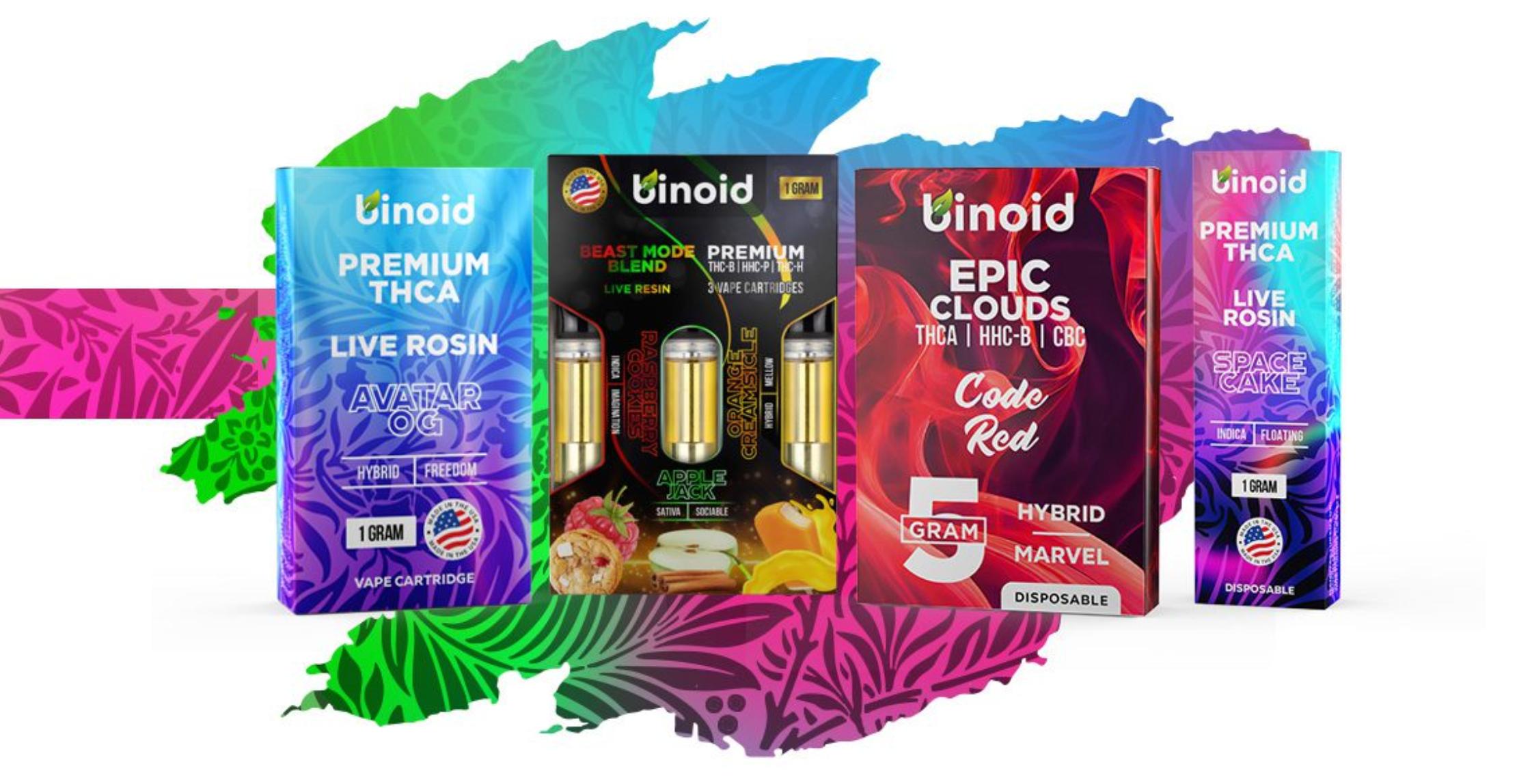
In recent years, cannabidiol (CBD) has become one of the most talked-about ingredients in the wellness industry. Derived from the hemp plant, CBD is found in a wide range of consumer products, including oils, capsules, gummies, topical creams, beverages, and skincare items. As public interest has grown, so has the number of products available on the market. At the same time, questions about safety, quality, effectiveness, and regulation have become increasingly important. Understanding what CBD is, what research currently suggests, and how products are evaluated can help consumers make informed decisions. Rather than viewing CBD as a universal solution, many experts recommend approaching it with realistic expectations, careful research, and guidance from healthcare professionals when appropriate.
What Is CBD?
CBD, or cannabidiol, is one of many naturally occurring compounds known as cannabinoids that are found in the cannabis plant. Unlike THC (tetrahydrocannabinol), CBD does not produce the intoxicating “high” commonly associated with cannabis.
Most commercially available CBD products are derived from hemp, a variety of cannabis that contains only very small amounts of THC under legal limits in many jurisdictions. Because regulations differ between countries and regions, the availability and permitted formulations of CBD products can vary significantly.

Why Has CBD Become Popular?
Interest in CBD has increased alongside broader trends in health, self-care, and wellness. Many consumers are looking for products that fit into balanced lifestyle routines focused on exercise, nutrition, sleep, stress management, and relaxation.
While researchers continue studying CBD, scientific evidence is still developing for many proposed uses. Some areas are supported by more research than others, and many claims found online have not been confirmed through high-quality clinical studies. For this reason, reputable health organizations encourage consumers to distinguish between marketing claims and evidence-based information.
Understanding Product Quality
One of the most important considerations when evaluating CBD products is quality. Independent third-party laboratory testing can help verify information such as cannabinoid content and screen for contaminants like heavy metals, pesticides, and residual solvents.
Consumers often look for:
- Third-party laboratory testing.
- Clearly labelled ingredients and CBD content.
- Transparent manufacturing information.
- Batch or lot numbers for traceability.
- Accessible certificates of analysis (COAs).
- Clear usage instructions.
- Information about hemp sourcing.
- Compliance with local regulations.
- Reliable customer support.
- Accurate product labelling.
These factors can provide greater transparency regardless of the specific product category.
Safety and Responsible Use
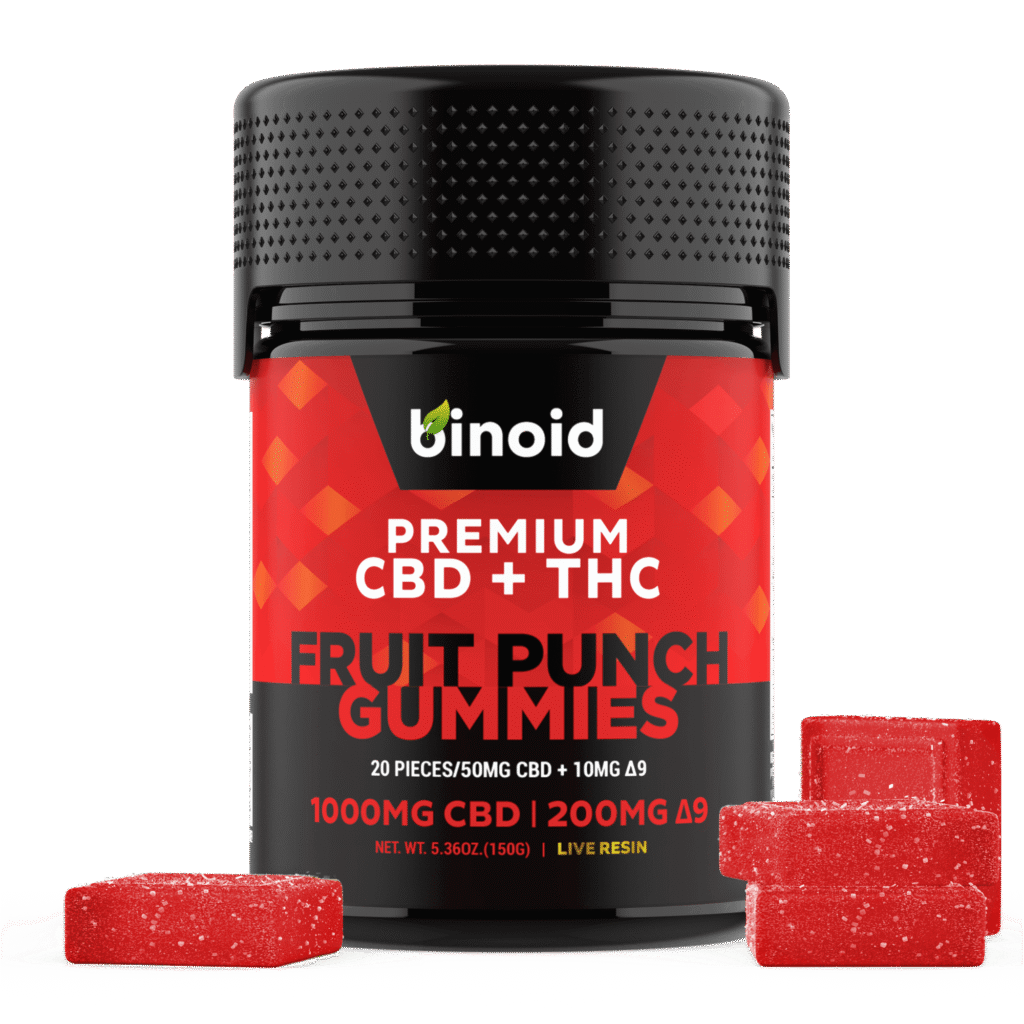
Although CBD is generally well tolerated by many people, it is not risk-free. Some individuals may experience side effects such as drowsiness, changes in appetite, gastrointestinal discomfort, or fatigue. CBD can also interact with certain prescription medications, making it important to consult a qualified healthcare professional before use, especially for people with existing medical conditions or those who take regular medications.
Pregnant or breastfeeding individuals should seek medical advice before using CBD products, as there is limited evidence regarding safety in these situations.
The Importance of Informed Decisions
As research continues, consumers have access to more information than ever before. Reading product labels carefully, understanding local regulations, reviewing independent testing, and consulting trustworthy healthcare sources can all contribute to more informed choices.
A balanced approach means recognising both the growing scientific interest in CBD and the current limitations of the available evidence. Rather than relying on bold claims, consumers can benefit from focusing on transparency, product quality, and professional guidance.
Staying Informed in a Growing Industry
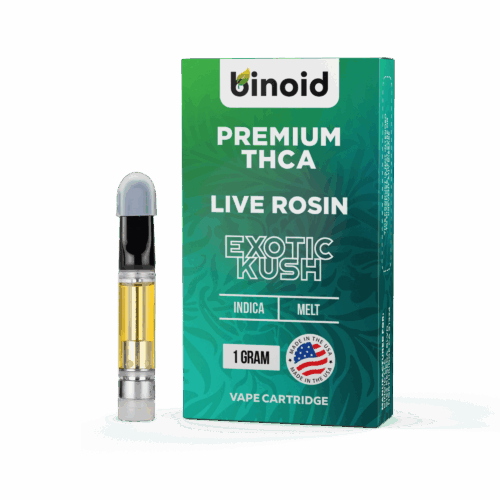
The CBD market continues to evolve as regulations, research, and manufacturing standards develop around the world. Scientists continue to investigate CBD’s potential, while regulatory authorities work to improve product oversight and consumer protection.
For individuals interested in learning more, reliable information from healthcare professionals, scientific organizations, and regulatory agencies remains the best foundation for making informed decisions. Understanding the science, evaluating product quality carefully, and maintaining realistic expectations can help consumers navigate this rapidly changing area with greater confidence.