





Cooking education happens in restaurants and formal culinary schools or so I thought. Then I realized that Marley Spoon is quietly teaching home cooks how to actually improve their skills without the pressure cooker environment. These aren’t simplified recipes for beginners. They’re the kind of meals that teach genuine technique while you cook, building a foundation that lasts.
The Restaurant It Problem
Many home cooks plateau because we repeat the same twelve recipes on rotation. We never learn to properly sear a scallop, balance acidity in a sauce or understand why a dish tastes flat. Restaurant cooking gets compartmentalized as “something other people do.” But this isn’t magic. It’s learnable and it’s the difference between food that sustains you and food that excites you. The recipe cards function like a masterclass in thinking.
They explain not just what to do, but why. “Sear the fish skin-side-down at high heat until the skin is crispy and the meat is just opaque.” That’s methodology. You learn to trust temperature, timing and your senses. Over eight weeks of meals, you accumulate a toolkit of techniques that transfer to everything you cook. It becomes intuitive instead of theoretical. You start understanding that there’s a reason restaurants use high-heat pans and don’t crowd the protein. There’s a reason timing matters more than exact temperatures.
Ingredient Quality Changes Everything

One reason restaurant food tastes better isn’t rocket science the ingredients start better. The meal kit service sources proteins and produce with restaurant standards. That grass-fed lamb tastes completely different from supermarket lamb. The heirloom tomatoes in August taste like memory. Fresh dill tastes like dill, not like green paper. When your ingredients are genuinely good, this matters less because the raw material is already half the battle.
A mediocre cook with excellent salmon can still produce something delicious. That’s not failing up. That’s how real cooking works. You don’t need to be a virtuoso with ingredients that don’t require saving. The combination of quality sourcing and technique-focused recipes creates conditions where anyone can cook at a restaurant level. This is the liberation most home cooks never experience you’re not fighting against subpar ingredients anymore.
The Educational Arc of Variety
- Pan-seared salmon teaches you when fish is done and how crispy skin creates texture contrast.
- Beef stir-fry teaches you high-heat cooking and proper vegetable doneness without mushiness.
- Slow-braised short ribs teach you patience and how time transforms tougher cuts into silk.
- Thai curry teaches you balancing spices and the importance of fat in carrying flavor.
- By week eight, your understanding of cooking methods and flavor composition has advanced significantly.
No Recipe Anxiety
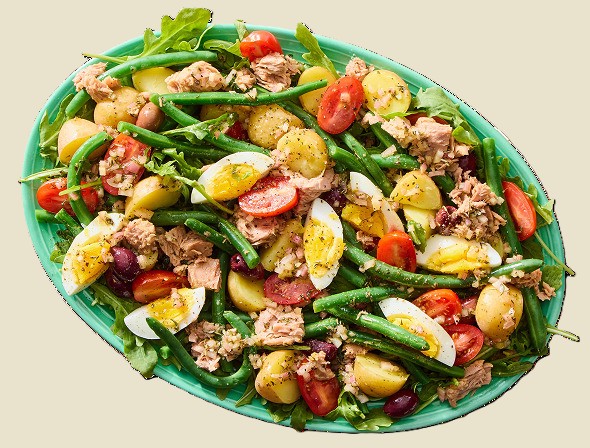
The recipe cards accompanying each meal are genuinely helpful because they anticipate questions. They tell you how the sauce should look before it’s done. They explain what “tender” actually means for a vegetable. They don’t assume you already know things. There’s no flipping back through a cookbook because three-quarters of the way through you realize you misunderstood something. This pedagogical care removes the shame that stops people from cooking more. Most home cooks have failed recipes. Failed recipes feel like personal failures. Marley Spoon
Meal kit clarity makes failure unlikely. You follow instructions written for an adult without assuming they attended culinary school. That removes the emotional barrier that turns people away from cooking forever. The it-focused approach means you’re learning, not just executing. There’s a difference. When you understand the principles, you’re not dependent on perfect recipes. Marley Spoon
Building a Genuine Skill
After three months of cooking this way, I found myself adapting their techniques to recipes from other sources. The searing method for fish worked for chicken. The sauce-building approach translated to improvised dinners. The ingredient combinations taught me flavor logic why you pair pomegranate with beets, what herbs work with lamb. That’s the invisible thing that happens when you cook with real intention. Skills compound. Confidence grows. The gap between “following instructions” and “actually cooking” gets smaller.
You stop being afraid of a new recipe because you understand the underlying principles now. Your this vocabulary expands. You start seeing cooking as a language instead of a set of isolated recipes. This is where real growth happens and it happens quietly through repetition.
For People Who Want to Cook Better
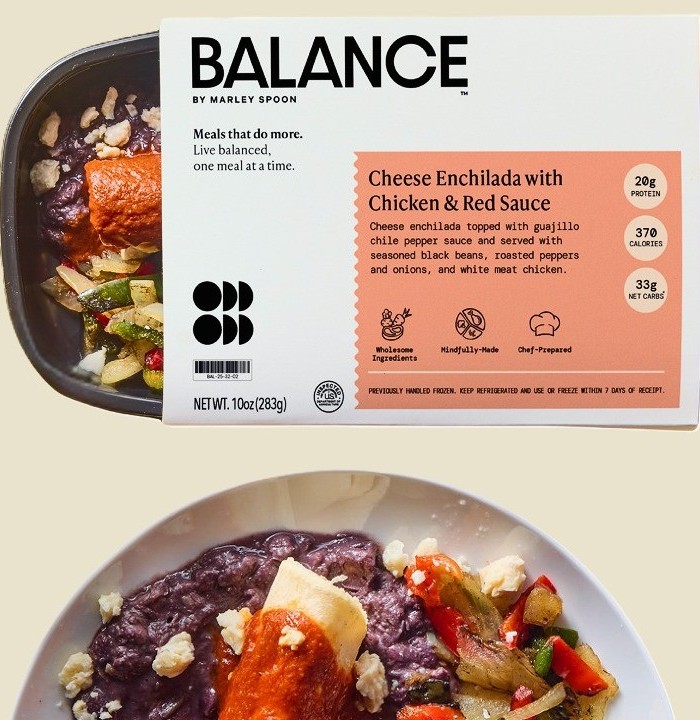
This isn’t a meal kit for people who want convenience to replace cooking. It’s designed for people who actually want to cook but need structure, reliable ingredients and clear guidance. If you’ve always felt intimidated by cooking or disappointed by your own meals, Marley Spoon creates the conditions where you can genuinely improve. Real culinary confidence doesn’t come from fancy kitchen equipment. It comes from repeating small its with excellent ingredients until they become muscle memory. That’s what Marley Spoon offers structured technique training disguised as weeknight dinner.
The actual cooking part is the education. The meals are just the delivery system for something deeper and more lasting.