




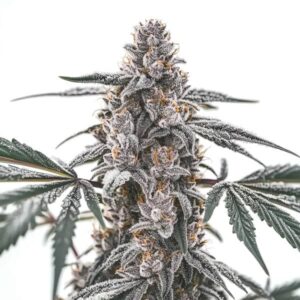
Let’s be honest nobody wants to wait a year to harvest their first cannabis crop. Photoperiod varieties demand patience, careful light management and serious infrastructure. But autoflower cannabis genetics changed everything. These varieties flower automatically based on age, not light cycles, cutting your grow time from months to just 8–10 weeks from seed to harvest. For beginners and impatient veterans alike, autoflower genetics are a revelation.
The beauty of modern genetics is that they’re no longer the low-potency “lesser option” they once were. Breeders have spent years perfecting these genetics, crossing them with elite cultivars and producing plants that rival photoperiod strains in both yield and quality. You’re not sacrificing anything anymore, you’re gaining convenience.
Why Beginners Love Genetics
Starting a grow is intimidating. You’re managing lights, adjusting nutrients, monitoring humidity, dealing with pests and trying to remember that you should probably check the pH. It’s a lot. Genetics strip away one of the biggest complicating factors light management. Your plants don’t care if the sun sets early in winter or if your grow tent lights run irregular hours. They just flower automatically around week 3–4 and keep rolling toward harvest.
The quick autoflower cannabis genetics lifecycle means you go from seed to smokable product in 8–10 weeks. Compare that to a photoperiod plant, which might take 16–20 weeks if you include the veg time needed to build a decent canopy. In the time it takes one photoperiod plant to finish, you could run two or three autoflower cycles. That’s the practical advantage that makes beginners fall in love with these genetics.
Blimburn specializes in genetics that are specifically bred for beginner success. Their seeds are stable, reliable and genuinely user-friendly. You plant a seed, give it light and basic care and watch it flower and finish without obsessing over photoperiods or complex veg schedules.
The Genetics Behind Quick Maturation
Autoflowering comes from cannabis ruderalis genetics, a hardy subspecies adapted to extreme climates with short summers. Modern breeders cross these ruderalis traits with sativa and indica genetics to create plants that inherit the automatic flowering trait while maintaining the potency and flavor of elite cultivars. What you end up with is genetics that flower regardless of light cycle but still produce genuinely impressive results.
The modern genetics landscape is incredibly diverse. You’ve got fast finishers (some strains done in 60 days), massive yielders (XL autoflowers producing 200+ grams per plant indoors), CBD-rich genetics for therapeutic use and exotic flavor profiles that rival photoperiod varieties. The options are genuinely impressive and Blimburn‘s catalog showcases the current state of the art.
High-Yield Autoflower Varieties
- “Quick Bud” style autoflowers finish in 60–70 days with modest yields but incredible speed for rapid turnaround.
- “Mega” or “XL” autoflowers are bred to produce larger yields, sometimes matching photoperiod plants despite shorter growth time.
- “Dwarf” autoflowers stay compact, perfect for small grow spaces or stealth growing where height is a constraint.
- “Auto-CBD” strains prioritize cannabidiol while maintaining the autoflowering trait, offering therapeutic autoflower cannabis genetics.
- “High-THC” autoflowers represent the pinnacle of breeding effort, delivering potency alongside speed and convenience.
From Seed to Harvest The Timeline
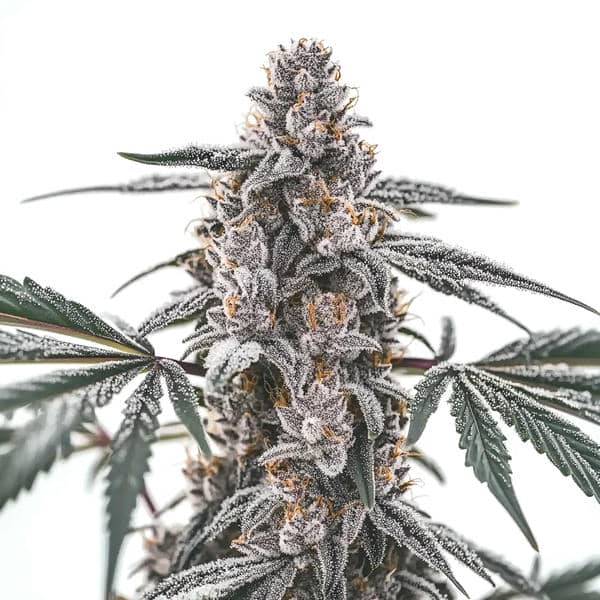
Understanding the actual timeline of genetics helps you plan successfully. Germination takes 24–48 hours. Seedling stage is roughly 2 weeks. Vegetative growth is another 3–4 weeks. Then flowering kicks in automatically, lasting another 4–8 weeks depending on the specific genetics. Start to finish, you’re looking at about 8–10 weeks of growing time from a popped seed to a harvestable plant.
This compressed timeline creates amazing opportunities for hobby growers. You can run perpetual harvests with multiple plants on staggered schedules. You can experiment with different Blimburn genetics strains multiple times per year. You can dial in your technique faster because you get more reps. Each cycle is a learning opportunity, not a six-month commitment.
Yield Reality Check
Autoflowers won’t match massive photoperiod plants grown under ideal conditions. A veteran grower with a photoperiod strain might pull 500+ grams from a huge plant vegetated for three months. A quality autoflower yields maybe 200–300 grams per plant on average. But here’s the relevant comparison that autoflower finishes in 10 weeks, leaving you time to run multiple cycles. The annual yield per square foot often equals or exceeds photoperiod growing, especially for beginners who still have high failure rates on longer-term photoperiod projects.
What matters is total harvest per year, not per-plant weight. Autoflower cannabis genetics optimize for total productivity per growing season, not per individual plant. Blimburn breeders understand this and have engineered their autoflower genetics accordingly, maximizing practical yield for real-world growers managing limited space and resources.
Beginner-Friendly Traits of Genetics
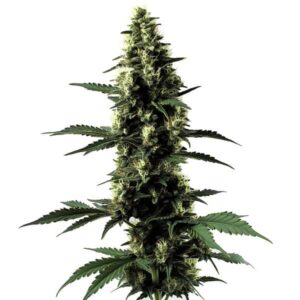
Genetics offer several beginner-friendly advantages beyond just speed. They’re generally more forgiving with light cycles, your mistakes with lighting don’t trigger early flowering or prolonged vegetative growth. They’re often more resilient to temperature fluctuations because ruderalis heritage means hardiness. Pests have less time to establish populations. Nutrient requirements are gentler during the short veg phase. These traits compound into a genuinely beginner-friendly growing experience that teaches solid fundamentals without the overwhelming variables of photoperiod growing.
The Verdict
Genetics represent the democratization of home cultivation. Someone with a spare corner, a small grow light and basic supplies can reliably produce quality cannabis in 8–10 weeks with Blimburn‘s proven autoflower genetics. You’re not waiting a year. You’re not wrestling with complicated light schedules. You’re just growing. That simplicity, combined with modern breeding quality, makes autoflower cannabis genetics the obvious choice for anyone serious about exploring home cultivation without PhD-level growing expertise.