




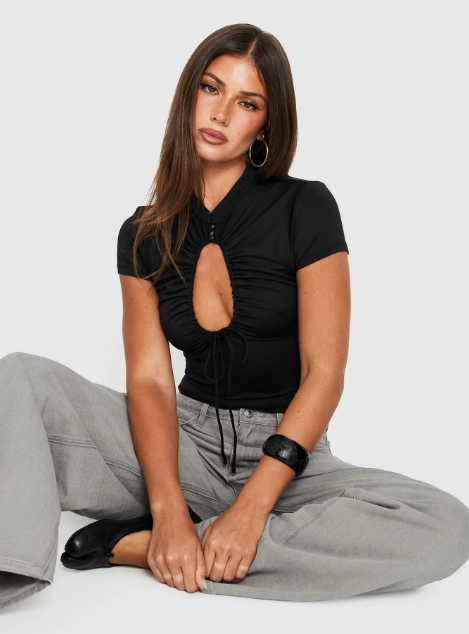
In a world where fast fashion dominates the retail landscape, finding clothes that align with your values can feel like searching for a needle in a haystack. But what if you could look and feel your best while also supporting sustainable practices and ethical manufacturing? This is precisely what Happy and Polly brings to your wardrobe, carefully curated pieces that marry environmental consciousness with contemporary design.
The Foundation Ethical Materials Matter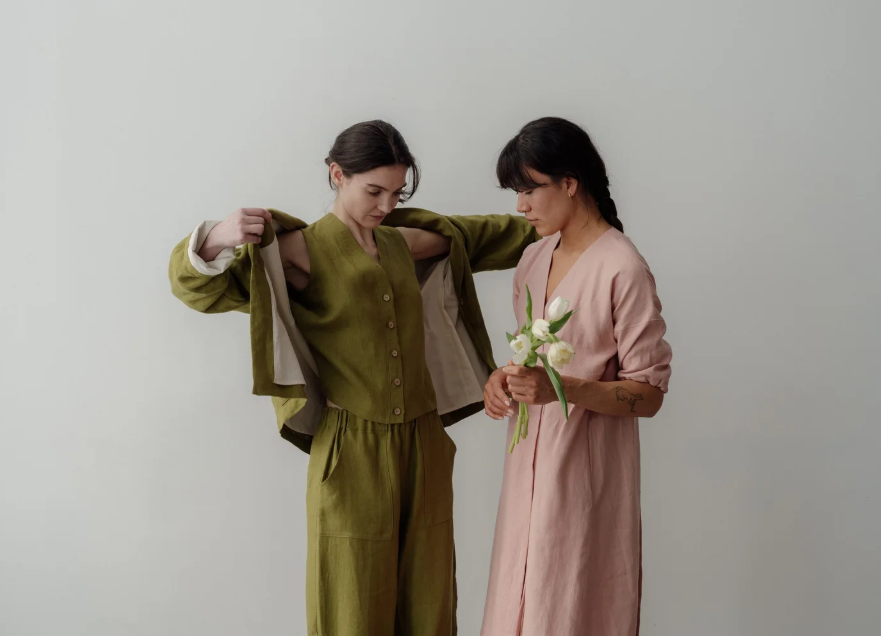
At the heart of every sustainable piece lies a commitment to materials that respect both people and the planet. The brand carefully sources organic cotton, linen and recycled fabrics, avoiding synthetic materials that contribute to microplastic pollution and environmental degradation. Every fiber tells a story of responsible sourcing, from farms that implement regenerative agriculture to suppliers who maintain fair labor practices. When you put on these garments, you’re not just wearing fabric; you’re wearing the result of intentional choices made by people who genuinely care about sustainability. Organic cotton production eliminates harmful pesticides that contaminate water systems and threaten agricultural workers’ health. Linen requires significantly less water than conventional cotton and creates biodegradable fibers that return harmlessly to the earth at end of life. Recycled materials give new purpose to textile waste, diverting potential landfill content into wearable form. By choosing materials with integrity, the brand ensures that every piece contributes positively to both personal and planetary wellbeing. Happy and Polly
Transparency Know Where Your Clothes Come From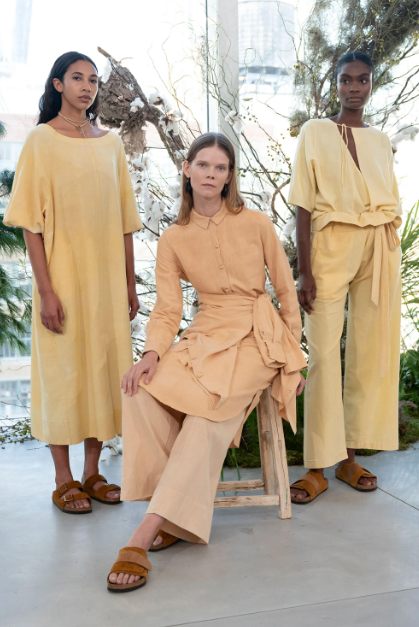
One of the most refreshing aspects of this brand is its radical transparency. They don’t hide behind vague marketing claims. Instead, they openly share details about manufacturing partners, production processes and environmental impact. You can trace where your garment was made, understand the supply chain and learn about the artisans who crafted it. This level of openness is rare in the fashion industry and reflects a commitment to accountability. Many conventional brands shroud their manufacturing in secrecy, making it impossible for consumers to know whether their clothes were made ethically. This brand takes the opposite approach, believing that transparency builds trust and encourages industry-wide improvements. By publishing detailed supply chain information, they set a standard that other companies struggle to match. Consumers benefit from knowing exactly what they’re supporting, which factories, which wages, which working conditions and which environmental practices underpin every purchase.
Timeless Design Over Seasonal Trends
Fast fashion thrives on the disposable nature of trend cycles, wear something twice and it’s suddenly “out.” A better approach centers on timeless silhouettes and neutral palettes that transcend seasonal whims. These are pieces you’ll reach for year after year, styling them differently as your preferences evolve. A well-constructed blazer, perfectly fitted trousers or versatile sweater becomes a wardrobe foundation that justifies its investment through longevity and versatility. This philosophy means your closet grows more valuable with time rather than becoming obsolete. Timeless design serves both aesthetic and environmental purposes, clothes that never go out of style generate significantly less waste. When trends change rapidly, wardrobes require constant replacement. Evergreen pieces adapt to evolving personal style through different styling approaches, different accessories and different layering combinations. A capsule wardrobe built on timeless foundations stays relevant through decades of fashion evolution, making each piece an increasingly smart investment over time.
Quality That Pays Dividends
Sustainable fashion doesn’t mean sacrificing quality, it means investing in it. These pieces are constructed to last, with reinforced seams, quality hardware and attention to detail that rivals luxury brands at a fraction of the price. When you buy less but buy better, you reduce waste and your overall fashion footprint drops dramatically. One excellent sweater replaces five mediocre ones and over time, that’s both economical and ecological. Quality construction extends garment lifespan exponentially. A cheap shirt might last through five washes before falling apart; a well-made piece withstands hundreds of wears and washings. The initial investment recalculates remarkably favorably when spread across years of dependable wear. Beyond durability, quality construction also performs better, colors stay vibrant, fabrics remain soft and fits remain flattering season after season.
Building a Conscious Closet
Transitioning to sustainable fashion doesn’t require overhauling your entire wardrobe overnight. Start by identifying versatile pieces that fill gaps in your current collection. Look for basics that work with what you already own. Gradually replace worn-out items with thoughtfully made alternatives. This measured approach allows you to embrace sustainability without financial strain and each purchase becomes a deliberate choice rather than an impulse buy driven by fast fashion trends. The capsule wardrobe concept, building a small collection of coordinating pieces that mix and match, aligns perfectly with sustainable consumption. Rather than accumulating dozens of disposable items, you curate a smaller selection of genuinely versatile pieces. This approach saves money, simplifies daily decisions and creates a wardrobe where everything works together. Happy and Polly
Why It All Matters
Choosing brands committed to ethical practices sends a powerful message to the fashion industry demand for sustainable clothing is real and growing. Your purchasing power directly supports companies that prioritize the environment and human welfare. Over time, these choices contribute to systemic change in an industry that has historically ignored its environmental and social impacts. By shopping consciously, you become part of a movement reshaping how we produce and consume clothing. The fashion industry ranks among the world’s largest polluters, responsible for enormous water consumption, chemical contamination and textile waste. Individual purchasing decisions might seem insignificant, but they accumulate into market signals that drive industry-wide transformation. Brands that see consumer demand for sustainability invest in better practices. Suppliers who understand this demand improve their operations. Workers benefit from better conditions and fair compensation. Eventually, what begins as niche preferences become mainstream expectations. Happy and Polly
- Organic materials reduce pesticide use and water consumption compared to conventional agriculture by up to 90 percent.
- Transparent supply chains ensure fair wages and safe working conditions for garment workers worldwide.
- Timeless design reduces the need for constant wardrobe replacements and trend-chasing behavior.
- Quality construction means fewer clothes end up in landfills prematurely, lowering personal consumption waste.
- Supporting sustainable brands creates market demand for ethical manufacturing practices across the entire industry.
Sustainable fashion is not a fleeting trend, it’s a necessary evolution in how we consume clothing. Happy and Polly proves that looking stylish and acting responsibly are entirely compatible goals.