




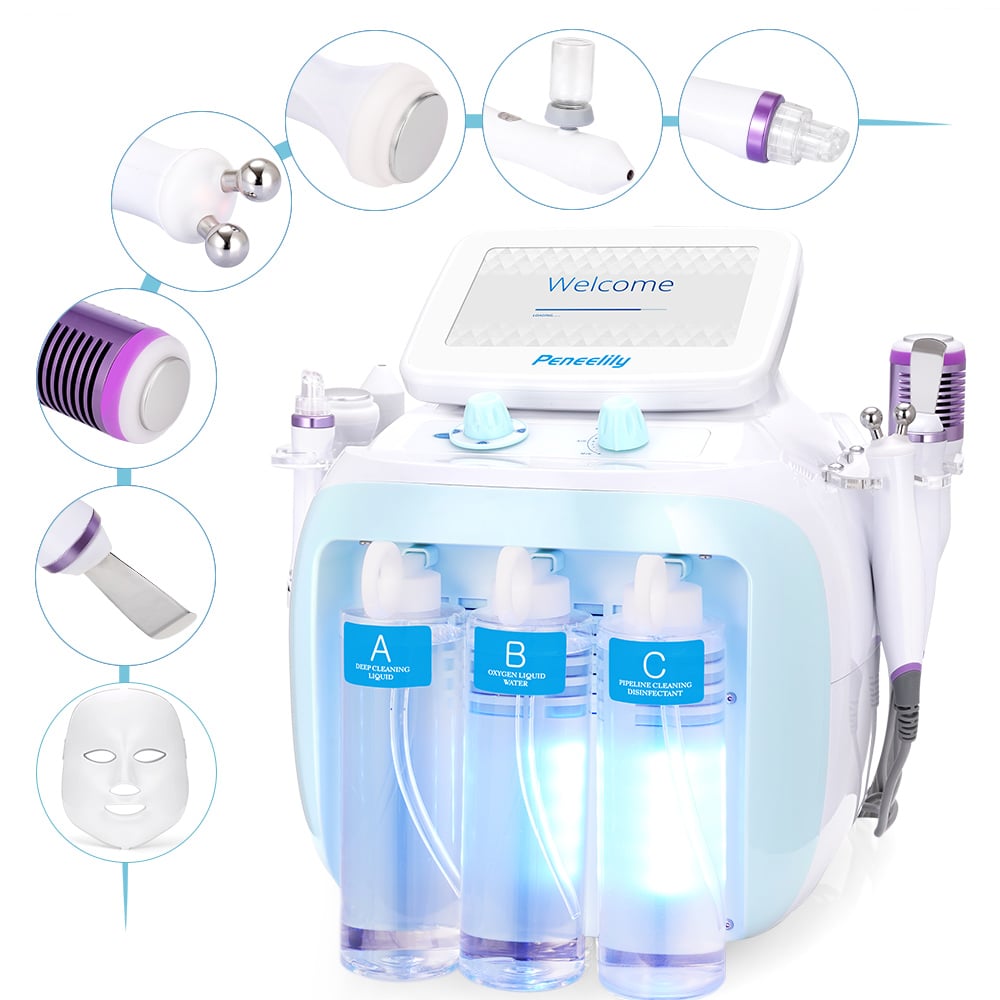
Professional beauty equipment should be chosen around a defined service menu rather than around the longest list of functions. A studio that begins with the treatments it intends to provide can compare equipment more logically, plan staff training and avoid paying for features that may rarely be used. Product ranges from MyChway include facial and body-focused machines with different technologies, making it especially important to separate necessary functions from optional ones.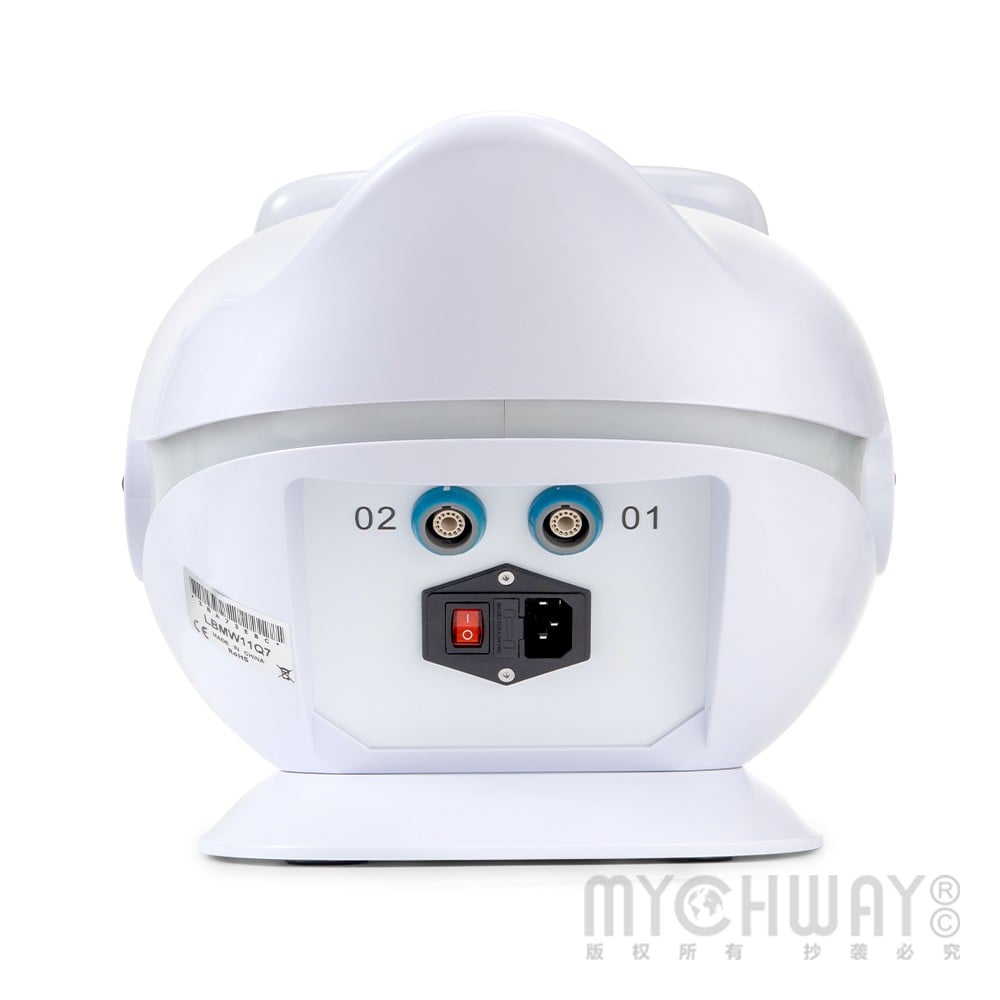
Begin with the service menu
The first step is to describe the planned services in practical terms. A studio focused on cleansing and facial hydration has different equipment needs from one centered on body contouring or skin analysis. Even when two machines appear similar, the handpieces, settings and operating procedures can differ enough to affect workflow.
A clear service menu also helps determine whether a dedicated machine or a multifunction platform is the better fit. A dedicated unit may offer a simpler setup for one frequently performed service. A multifunction system can reduce the number of separate machines in a small room, but it may require more training and more careful scheduling of attachments. MyChway groups equipment into areas such as hydrodermabrasion, microcurrent, radio frequency, LED, skin analysis and several body-machine categories, so studios can compare by function instead of treating all devices as interchangeable.
The client profile matters as well. Operators need to understand intended uses, contraindications and the limitations of each technology before services are advertised. Marketing language should not replace professional training or the manufacturer’s operating instructions. A machine should fit the studio’s actual scope of practice and the qualifications of the people using it.
Compare functions rather than feature counts
A machine with many attachments is not automatically more useful. Each function should have a clear purpose in the service menu and enough expected demand to justify training, setup and maintenance. If only three of ten functions are likely to be used, a simpler system may create a more efficient routine.
The physical design also deserves attention. Handpiece storage, cable length, screen visibility and the location of solution bottles can affect how easily an operator moves through a treatment. A compact unit may be valuable in a small room, while a larger wheeled platform may be easier to position when several attachments are used. Product pages from MyChway show machines in both compact and multi-function formats, which gives buyers a useful basis for comparing footprint as well as treatment features.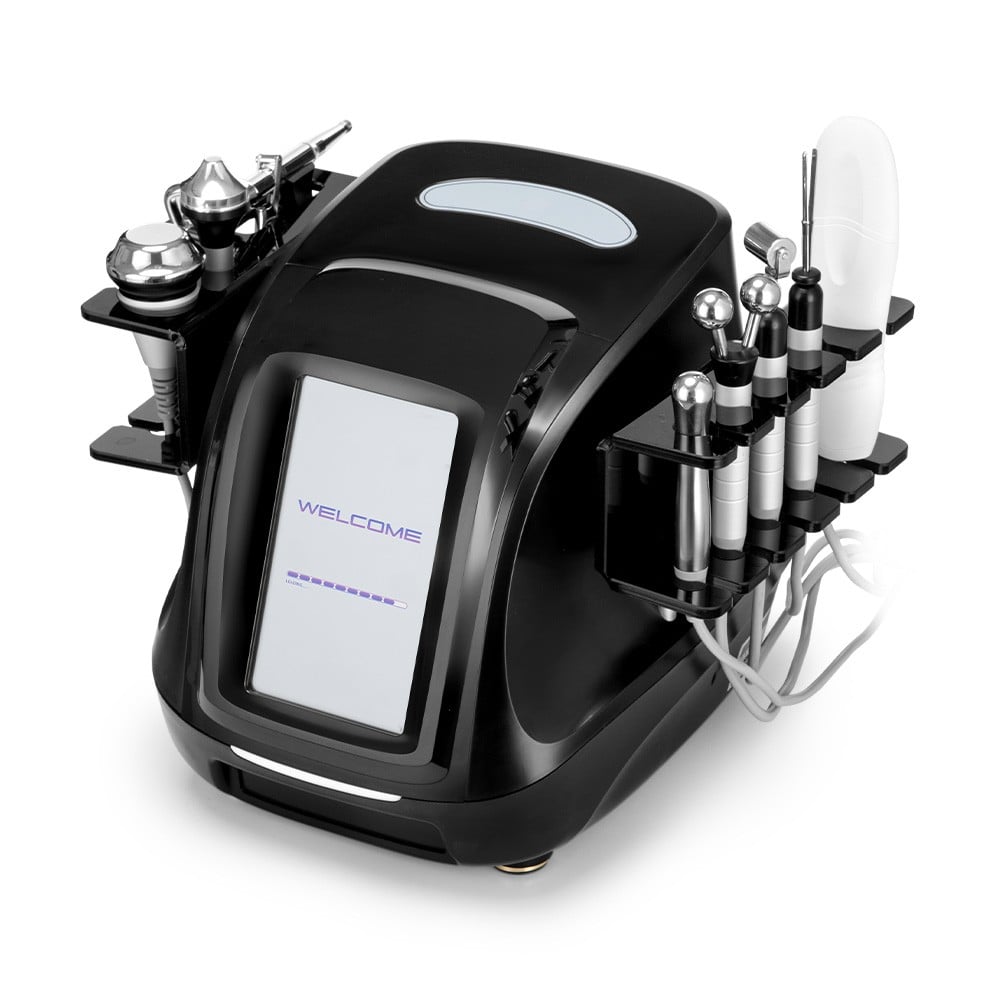
Consumables are another part of the decision. Some systems use filters, liquids, gels, cartridges or replaceable tips. The equipment price therefore represents only part of the operating cost. A studio should estimate recurring supplies, cleaning materials and the time required between appointments before deciding whether a particular platform fits its pricing model.
Questions worth answering before purchase
A structured review can reveal practical issues that are easy to miss when attention is focused on the headline technology.
- The intended services should be written down before individual machine functions are compared.
- Staff qualifications and training requirements should be confirmed for every planned function.
- Consumables and replacement parts should be included in the expected operating cost.
- Room dimensions should be checked against the machine footprint and operator movement needs.
- Cleaning, storage and maintenance procedures should fit the studio’s appointment schedule.
Technical documentation is particularly important. Manuals available through MyChway note that professional beauty machines require proper operation and training, which reinforces the need for a documented process before client use. Operators should know how to prepare the device, select settings within the manufacturer’s guidance and stop a service when an unexpected reaction occurs.
Training maintenance and workflow
Equipment works best when it becomes part of a repeatable studio system. Staff training should cover not only how to operate a handpiece, but also setup, sanitation, routine inspection and record keeping. New operators should not learn through trial and error on clients. A written procedure can help ensure that the same preparation and cleaning steps are followed each time.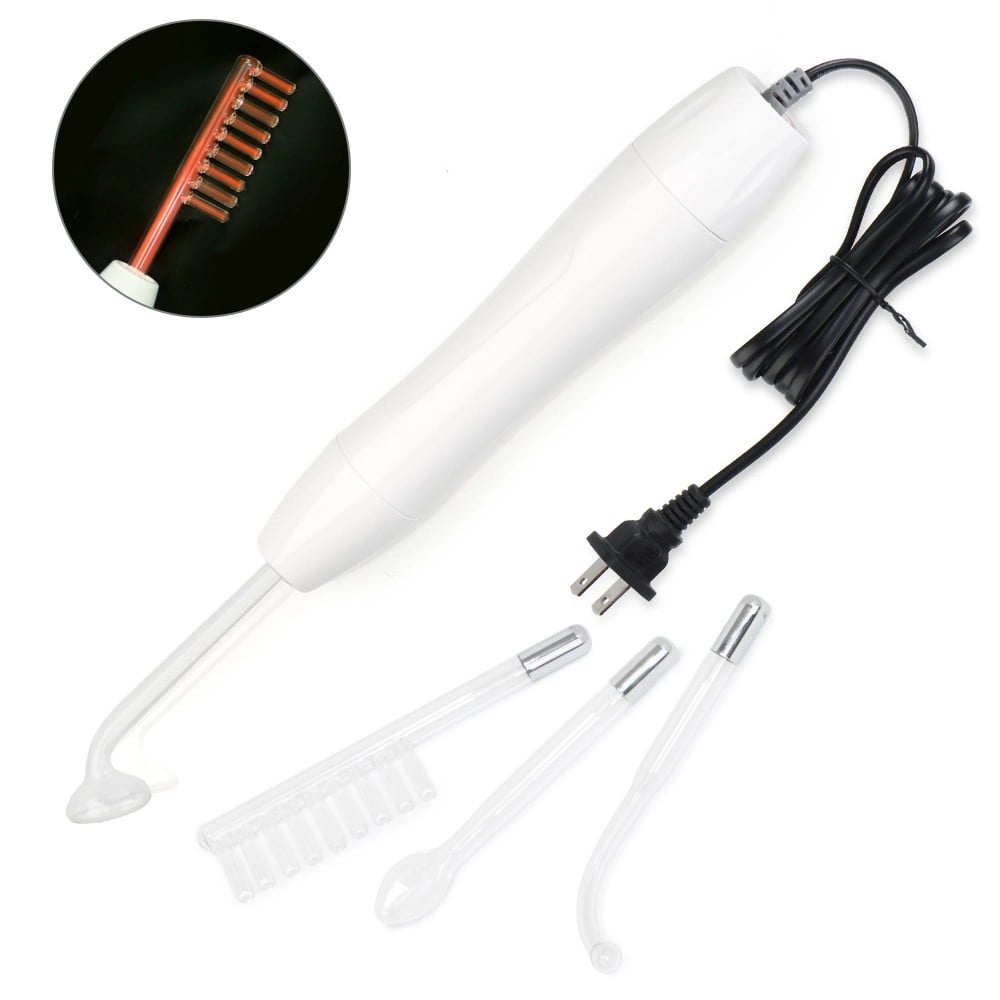
Maintenance planning reduces avoidable downtime. Filters, hoses, treatment heads and other components should be checked according to the manufacturer’s instructions. A studio can keep a simple log for cleaning dates, part replacements and any unusual performance. That record becomes useful when support is needed because it shows how the machine has been maintained.
The purchasing process is stronger when equipment is compared as part of the complete service environment. MyChway offers many machines across facial and body categories, but the relevant choice depends on the studio’s services, trained operators, available space and ability to maintain the equipment properly. A focused system with well-understood functions can be more valuable than a feature-heavy machine that does not match daily work.
A disciplined selection process keeps technology in its proper role. The machine supports the service rather than defining it. When the service menu, operator competence and operating costs are established first, equipment decisions become easier to defend and easier to integrate into a professional routine.