




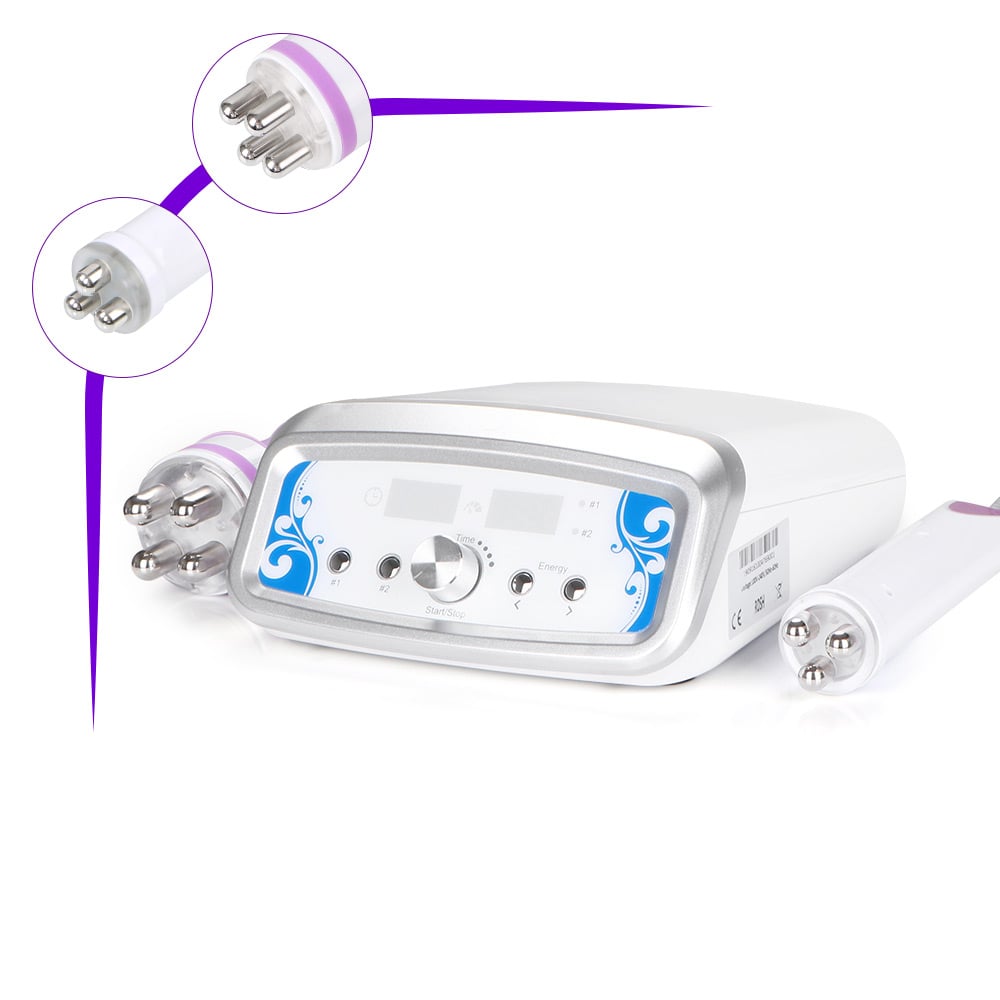
Space is one of the main constraints in a small beauty studio. Several dedicated machines can quickly fill a treatment room, create cable clutter and complicate storage. Multifunction equipment can address part of that problem by combining several handpieces or treatment modes in one platform. The catalog from MyChway includes systems with multiple facial functions, which makes the format relevant for studios trying to offer variety without turning a compact room into an equipment store.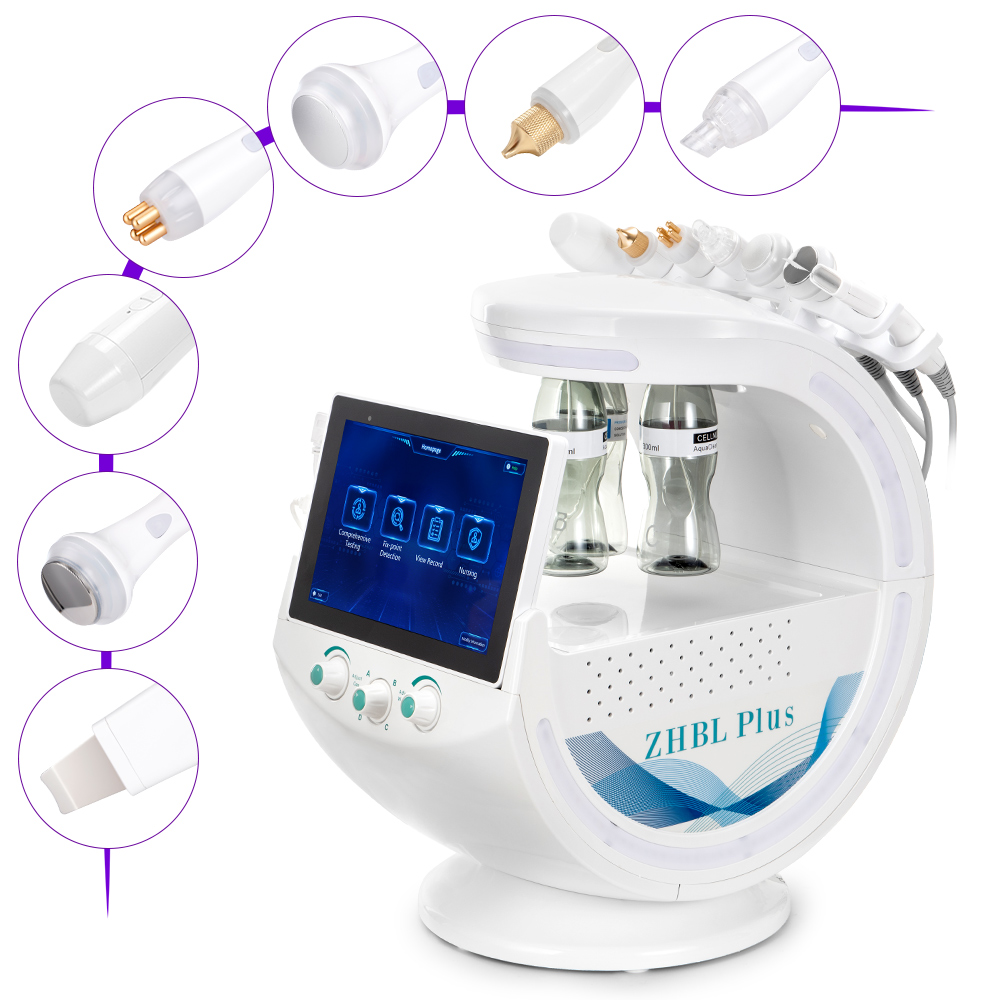
Why multifunction setups appeal
The strongest advantage is consolidation. When several commonly used functions share one base unit, the studio may need fewer carts, power connections and storage zones. That can simplify room setup and leave more space around the treatment bed. It can also make the room easier to reset between appointments when attachments have a fixed storage position.
Consolidation does not remove the need for careful planning. A multifunction machine can still have many bottles, cables and treatment heads. Some functions may require different consumables or cleaning procedures. MyChway carries platforms that combine several facial technologies, so the practical question is not simply how many functions are included, but how many of them fit the studio’s actual bookings and staff skills.
A second advantage is flexibility. A studio that provides several compatible services can use one platform across different appointment types. That may make a broader menu possible without purchasing a separate unit for every function. However, flexibility has value only when the operator has been trained on each mode and when every service remains within the studio’s professional scope.
Workflow and ergonomics matter
Treatment efficiency depends on more than technical specifications. The operator has to reach controls comfortably, change handpieces without tangling cables and keep clean and used accessories separated. A machine with a clear screen and organized holders can reduce unnecessary movement during an appointment. Wheel placement and overall stability matter when the unit is moved between rooms.
The sequence of a service can also influence equipment choice. When several functions are used in one appointment, the operator needs a logical order for preparation, settings, sanitation and handpiece changes. A platform from MyChway may combine hydro-focused functions with other facial tools, but the studio still needs a written protocol that explains which functions belong together and under what conditions they should be used.
Ergonomics can be tested on paper before a purchase. A simple floor plan can show the treatment bed, operator stool, machine position, sink and storage. If the operator must repeatedly walk around furniture or stretch cables across a pathway, the room layout needs adjustment. Compact equipment only saves space when the remaining space is usable.
Practical evaluation points
A multifunction system should be reviewed as a working station rather than as a list of attachments. Several checks help keep the decision realistic.
- Every included function should correspond to a service that the studio expects to provide regularly.
- Handpieces should have secure storage that keeps cables organized and treatment surfaces protected.
- Consumables should be easy to source and simple to include in the cost of each appointment.
- Cleaning procedures should be realistic within the time allowed between clients.
- Staff training should cover each function separately rather than treating the machine as one single skill.
Support materials deserve close attention. Manuals and product information from MyChway can clarify operating steps, specifications and required accessories. Studios should retain those documents where staff can access them. When equipment has several modes, a quick-reference checklist can supplement the full manual without replacing it.
Planning the room and recurring costs
The initial purchase price is only one part of a multifunction setup. Consumables, replacement components and routine maintenance can influence the cost of providing each service. A studio may also need storage bins, sanitation supplies, protective covers or additional carts for clean accessories. Those items should be included in the budget before service prices are finalized.
Downtime deserves consideration because one multifunction base can affect several services if it becomes unavailable. A studio that depends heavily on a single platform may need a contingency plan for maintenance or repair. That does not necessarily mean buying duplicate equipment, but the appointment schedule should not assume uninterrupted operation without any support process.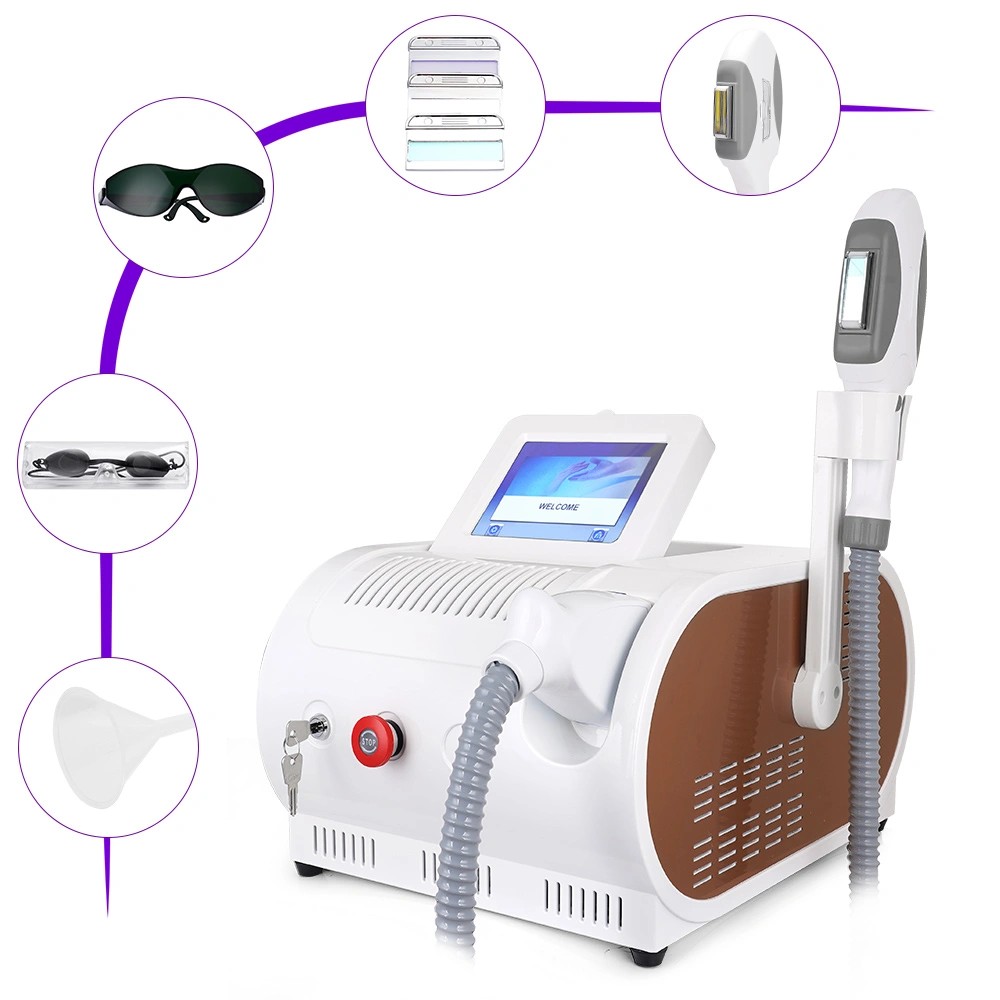
Training should remain tied to the individual technologies. A staff member who understands one function should not automatically be treated as qualified to use every other handpiece on the same machine. MyChway product documentation emphasizes proper operation, and that principle becomes more important as the number of functions increases. Clear competency records can help a studio decide which staff members are assigned to which services.
Multifunction equipment can be a practical choice for a small studio when it solves real space and workflow problems. Its value comes from combining functions that are genuinely used, not from maximizing the number printed on a product page. A well-planned setup gives staff enough room to work, keeps accessories organized and supports a service menu that can be delivered consistently. In that setting, consolidation becomes an operational advantage rather than simply a marketing feature.