




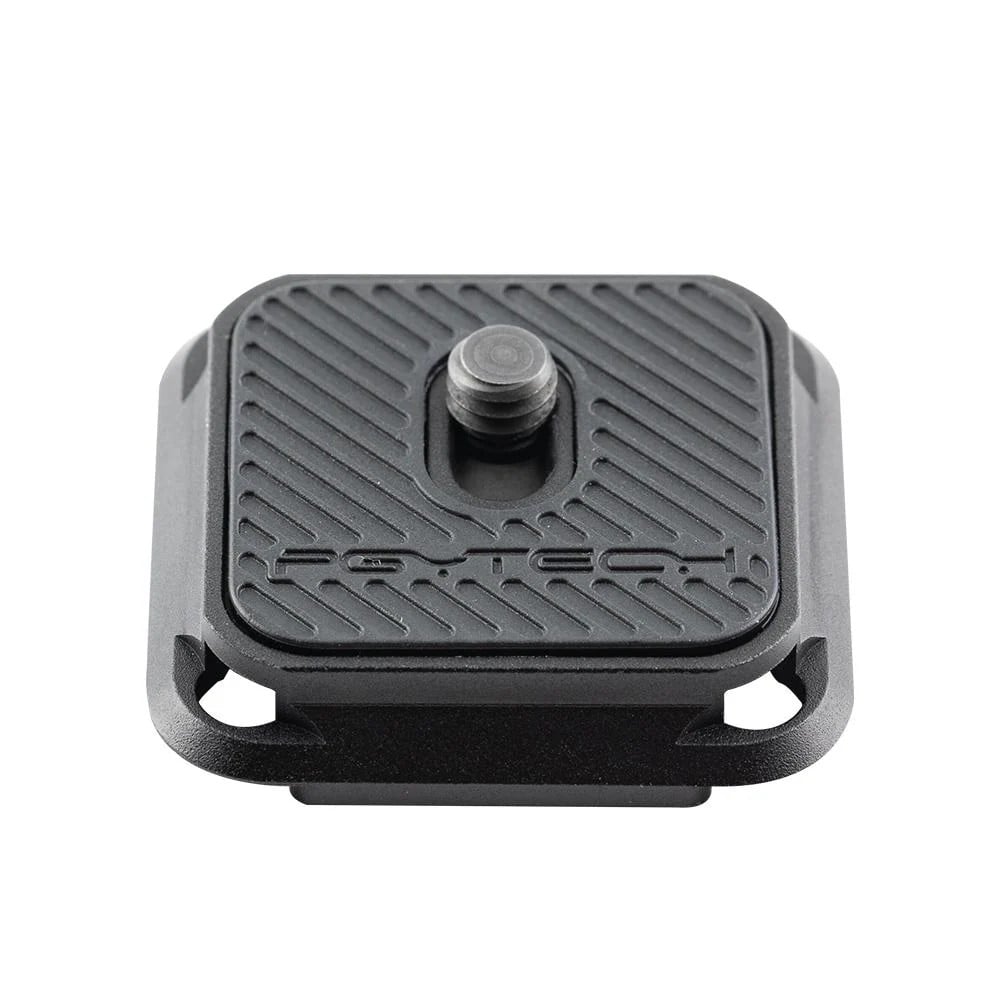
Outdoor photography creates a difficult packing problem. The photographer needs enough equipment to handle changing conditions, yet every extra lens, battery and accessory adds weight that must be carried over distance. A practical packing strategy begins with the shooting plan and the route rather than with the capacity of the backpack. Outdoor-oriented bags from PGYTECH provide organized camera storage and larger carry options, but the pack only works well when the contents are selected with equal care.
Build the load around the assignment
The location and subject should determine the core kit. A landscape session may need a wide lens, tripod and filters, while wildlife work may justify a longer lens and fewer alternatives. Carrying both complete setups without a clear reason can make the pack unnecessarily heavy. A photographer can identify one primary lens, one complementary lens and the accessories that directly support the expected conditions.
Camera redundancy depends on the assignment. A second body may be important for paid or remote work where a failure would end the session. For a short recreational walk near home, that same backup may add more weight than value. PGYTECH offers outdoor packs in several sizes, which allows photographers to choose volume according to the job instead of automatically choosing the largest option.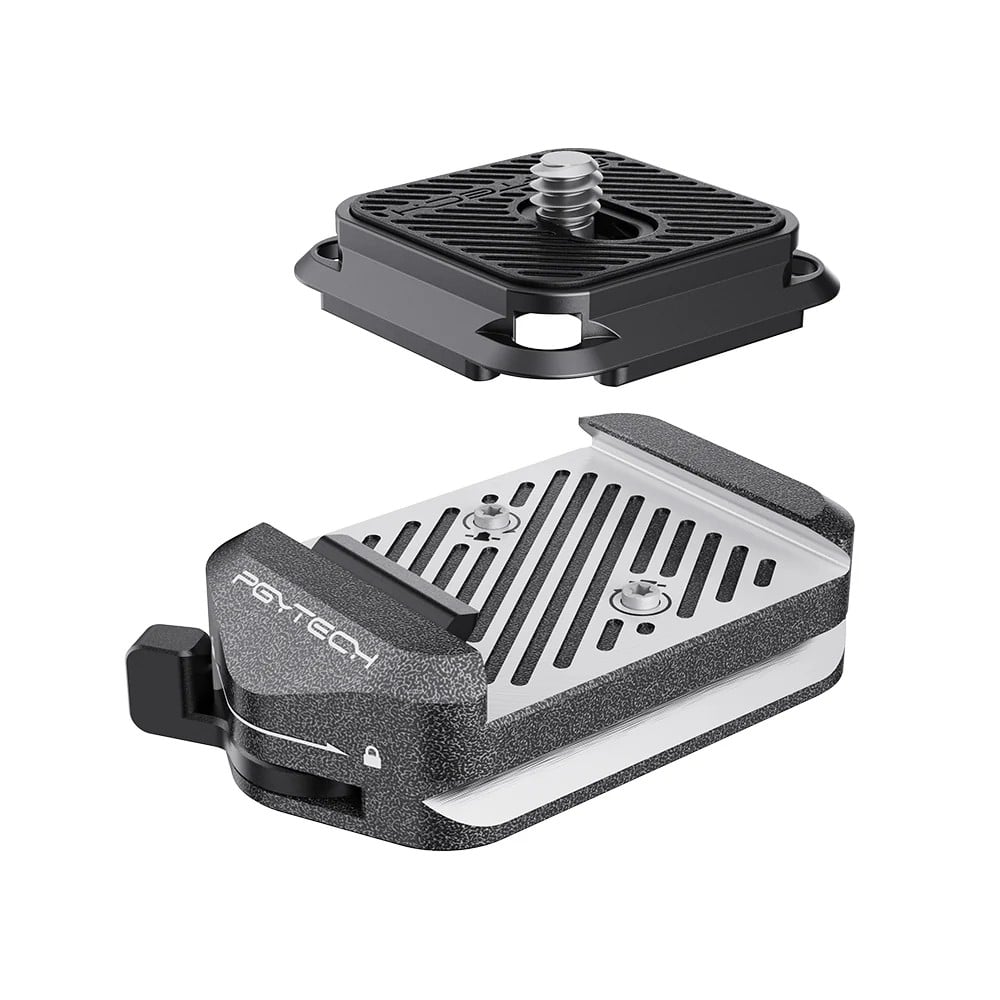
Water and clothing can outweigh camera accessories on longer routes. Space reserved for personal safety should not be sacrificed to carry another lens that is unlikely to be used. Food, a weather layer and navigation equipment may be more important to the success of the day than a third body or several redundant chargers.
Keep heavy gear stable and accessible
Weight distribution affects comfort. Dense items should generally sit close to the back and near the center of the pack rather than hanging far away from the body. Dividers can prevent heavy lenses from shifting as the photographer walks. A balanced layout reduces the feeling that the bag is pulling backward on steep ground.
Access needs also change outdoors. A full-opening panel is useful for organized packing at the start of the day, while side access can help when the camera needs to be reached without placing the bag on wet or dusty ground. The OnePro range from PGYTECH is designed around outdoor photography and includes wide access plus side entry, illustrating how several opening styles can support different moments in the same trip.
Tripod placement should be balanced against other external loads. If a tripod sits on one side, a full water bottle on the other side can help offset the weight when the bag design allows it. Loose straps should be secured so they do not catch on branches or equipment. Nothing essential should depend on an open exterior pocket in heavy rain.
An outdoor packing checklist
A short checklist can prevent both overpacking and the omission of small essentials that are difficult to replace away from home.
- The primary camera and lenses should match the subjects expected on the route.
- Batteries should be charged and stored where contacts remain protected from loose metal objects.
- Memory cards should be organized in one case with enough capacity for the planned session.
- Weather protection should cover both the photographer and sensitive equipment.
- Water, food and navigation items should be treated as essential parts of the load on longer outings.
The pack itself should be adjusted after it is loaded. Structured harness systems found on larger PGYTECH outdoor bags can help distribute weight, but shoulder straps, sternum straps and hip support still need to be positioned for the individual photographer. An uncomfortable bag is often a sign that the fit or load distribution needs adjustment rather than proof that the pack is simply too large.
Reduce weight without losing useful capability
The easiest weight to remove is duplicated equipment. Two similar zooms, several unused filters and multiple charging bricks can often be reduced without limiting the planned photographs. Smaller accessories can be consolidated into one pouch so the photographer knows exactly where they are and avoids packing duplicates in different pockets.
Power planning can also be simplified. Enough batteries for the expected conditions are important, especially in cold weather, but a full mobile charging setup may be unnecessary on a short route. For longer trips, a compact charging method can replace several individual adapters. The decision should follow access to power rather than habit.
A larger backpack from PGYTECH can provide expansion for clothing or extra gear, but unused capacity should not be treated as a target that needs to be filled. The pack is a transport system, not a requirement to carry every available accessory. Empty space can even be useful when a layer is removed during the day or when food packaging needs to be packed out.
Efficient outdoor packing is a balance between photographic flexibility and physical endurance. A lighter, well-organized kit can make it easier to walk farther, respond faster and keep attention on the landscape rather than on shoulder fatigue. The best load is the one that supports the planned images and the route without turning the backpack into an obstacle.