




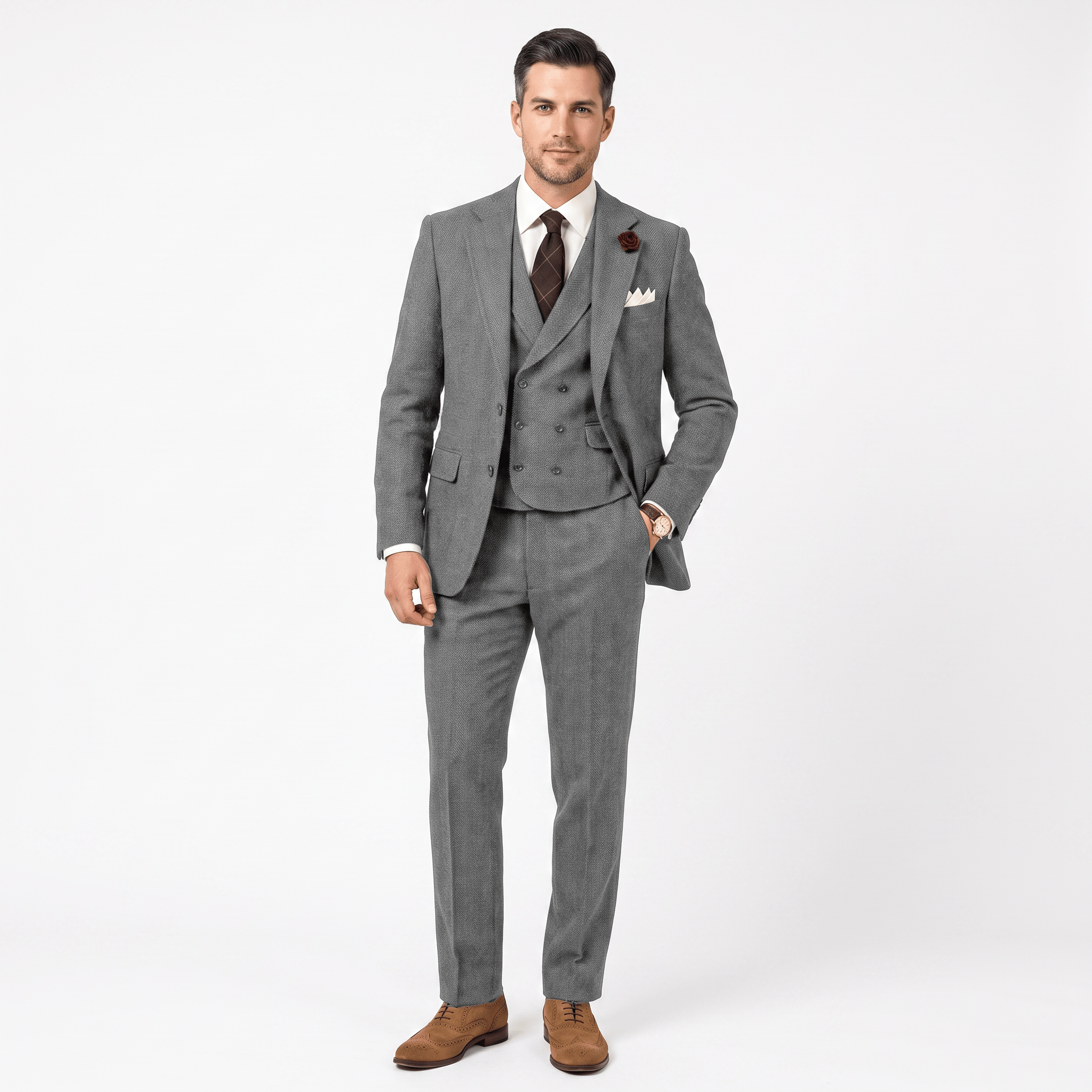
Formal occasions demand more than a suit, they require confidence rooted in fit, fabric quality and design that reflects intention. The difference between serviceable formal wear and pieces that transform how a man carries himself lies in details that aren’t immediately visible construction methods, material sourcing and pattern precision developed through professional experience. Mens Event Wear specializes in formal collections that address how real men dress for milestone moments, from weddings to business events that matter.
Fabric Selection and Its Role in Confidence
Mens Event Wear sources suiting fabrics that perform across climates and activity levels. Natural fibers like wool regulate temperature, critical for long formal events where air conditioning battles outdoor heat. Wool’s structure naturally resists wrinkles, maintaining appearance throughout extended wear without looking creased or disheveled. The fiber also absorbs and releases moisture, preventing the clammy feeling that synthetic-heavy blends often create during all-day events. Fabric weight affects drape and movement; a properly weighted jacket allows arm mobility without looking oversized or restrictive. A 130-140 gram fabric creates structure without heaviness, while lighter options sacrifice durability. Blend compositions add practical benefits, small polyester percentages add wrinkle resistance and color retention, extending wear between professional cleanings without sacrificing natural fiber benefits. These technical considerations shape how a suit functions over hours of wearing, not just how it appears on first glance.
Pattern and Tailoring Standards
Professional tailoring transforms generic templates into garments that match individual body proportions. Mens Event Wear patterns accommodate broader shoulders, shorter sleeves, adjusted jacket length and trouser breaks, variations reflecting actual men’s physiology rather than standardized sizing that assumes all bodies fit identical dimensions. A properly fitted jacket closes without gapping at the collar, allows comfortable arm raise without restriction and maintains clean lines when arms rest at sides. The front edges should form a subtle curve rather than bulging forward. Button placement sits at natural break points, with the top button fastened when standing and released when sitting, a detail indicating proper jacket length and torso proportion. Trousers sit at natural waist height with front pleats that add sitting room, break slightly at shoe tops creating clean vertical lines and provide comfortable movement without excess billowing. These specifications require pattern investment and cutting precision that mass-market producers skip in pursuit of production volume.
Construction Methods That Ensure Longevity
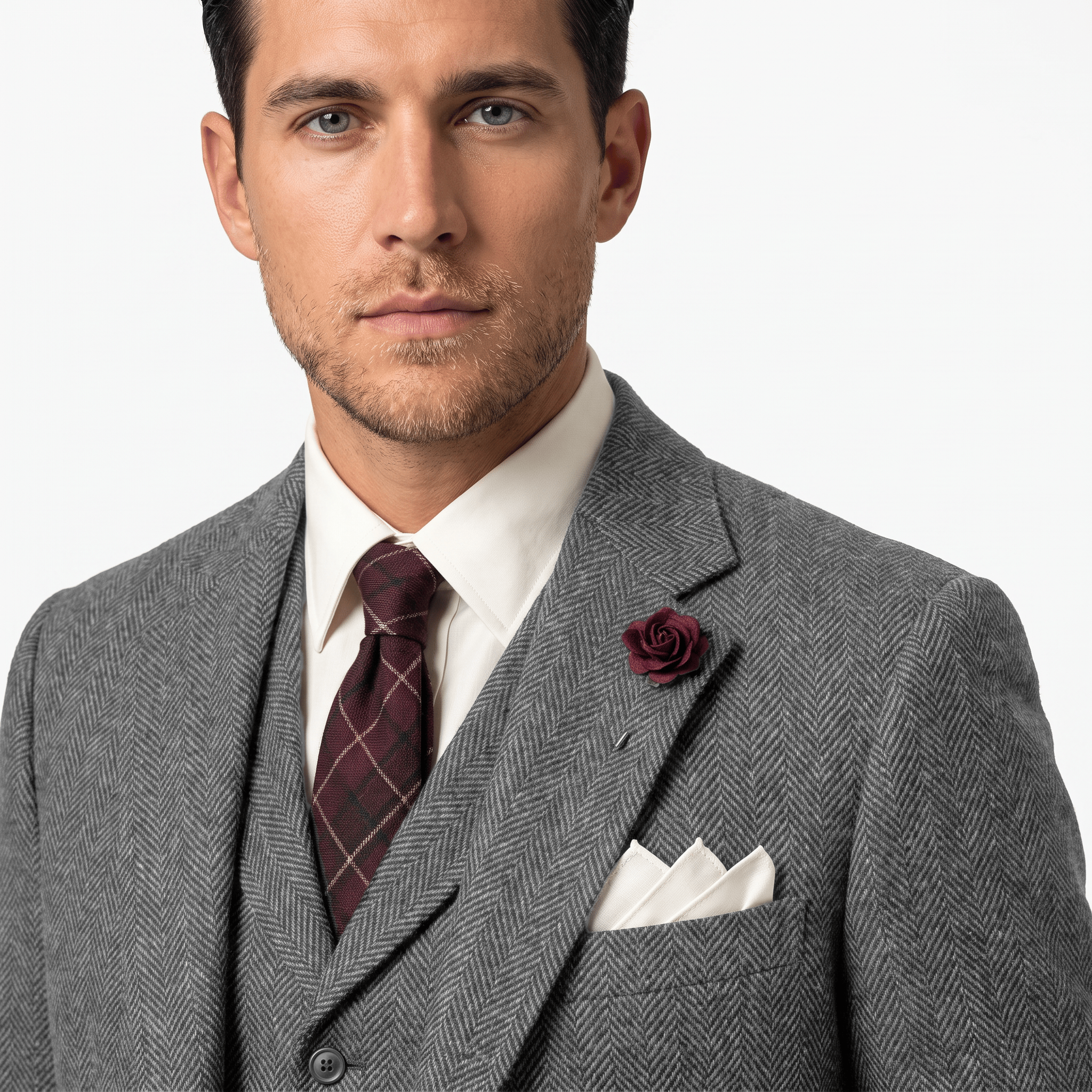
Mens Event Wear employs hand-stitching and reinforced stress points, particularly at jacket armholes, trouser crotch seams and button placement. Industrial speed-sewing creates visible gaps and thread tension issues that emerge after months of wearing. Proper seam finishing (bar-tacking at buttonholes, reinforcing thread thickness on loaded seams) prevents unraveling and redistributes strain across multiple connection points. Lining installation requires precision to allow jacket front to settle correctly during wear; shortcut installations cause creasing and early deterioration. Buttons should be sewn through multiple passes with thread shank spacing, a small gap between button and fabric that prevents thread wear from constant fastening and unfastening.
Color and Occasion Matching
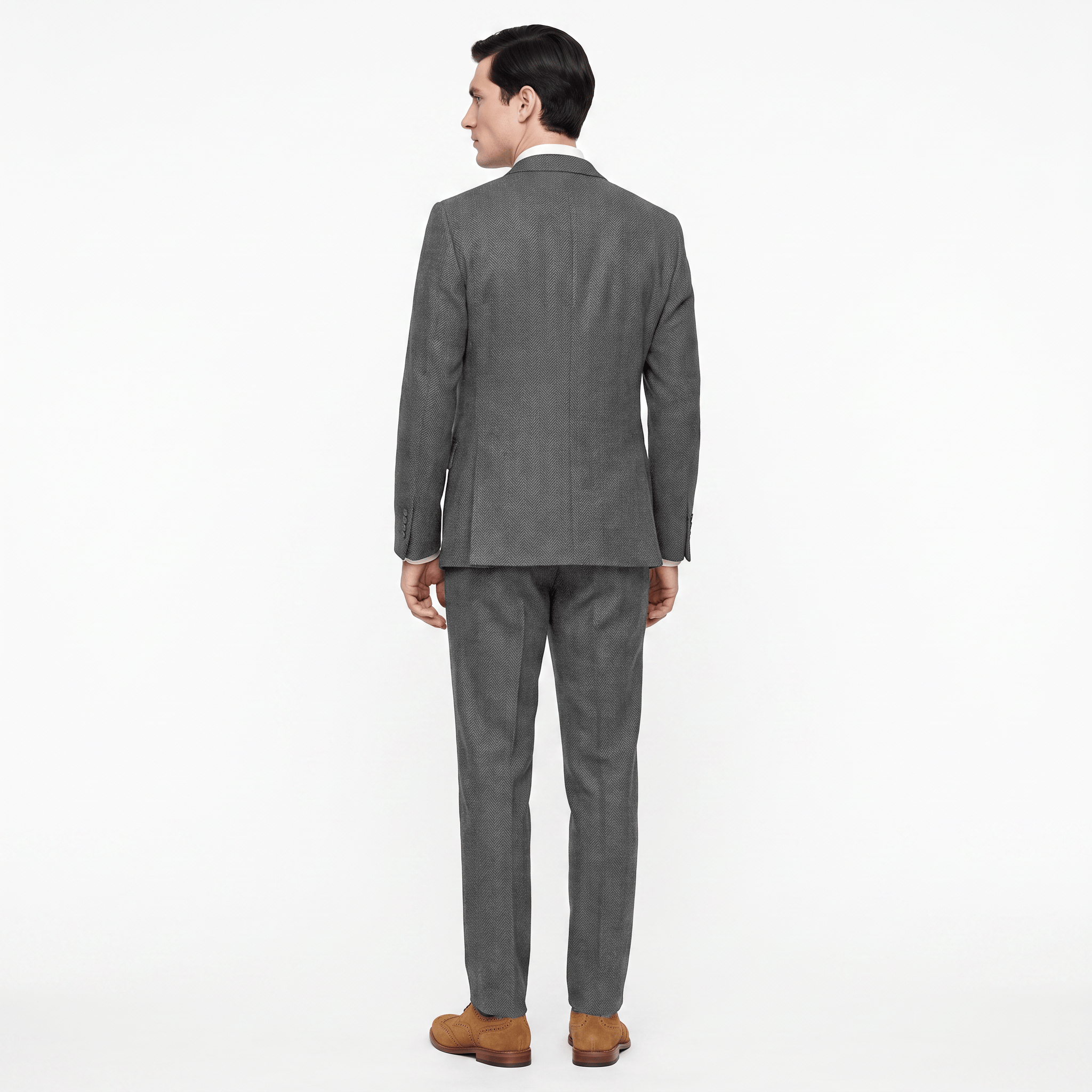
Formal dress follows established conventions that transcend personal preference. Black suits work evening events and formal weddings. Navy and charcoal accommodate business occasions and daytime formality. Mens Event Wear maintains collections in classic tones matched with shirt and accessory options, allowing outfit coordination without guesswork. Subtle pattern options, pinstripes, tone-on-tone weaves, add individuality while remaining appropriate for professional contexts where restraint signals respect. Seasonal weight selection ensures comfort; heavier suiting for winter events, lighter constructions for summer formality.
Investment in Pieces That Perform
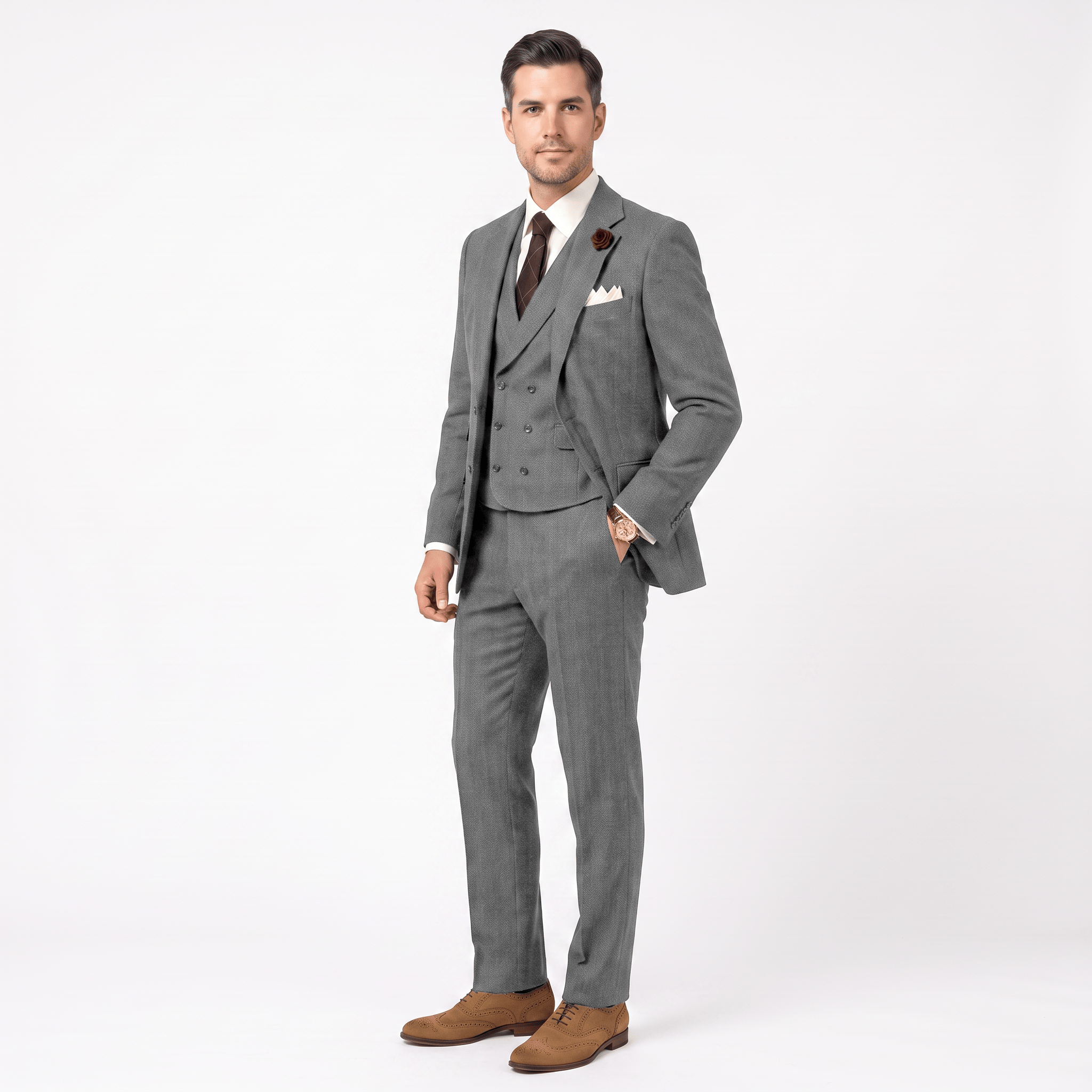
A formal outfit costs significant money, creating natural questions about durability and relevance. Mens Event Wear pieces see heavy rotation across a man’s career, weddings, corporate events, ceremonies, significant meetings. Quality construction enables regular wearing without degradation, while classic styling resists trend cycles that make suits look dated within years. Proper storage (garment bag, cedar preservation) and professional cleaning as needed extend effective lifespan to 10+ years, making per-wear cost reasonable for an outfit worn dozens of times.
- Fit allows natural posture and movement without physical restriction or visible gaps at shoulders and collar.
- Fabric fiber content matches occasion, wool for temperature regulation, synthetics for wrinkle resistance and longevity.
- Seam construction withstands repeated wearing and professional cleaning without separation or thread failure.
- Color selection eliminates outfit coordination uncertainty for formal events across seasons.
- Pocket depth and placement accommodate essential items without visible bulging or asymmetrical silhouette distortion.
Formal moments define professional narratives. Mens Event Wear ensures appearance supports the moment, not detracts from it.