




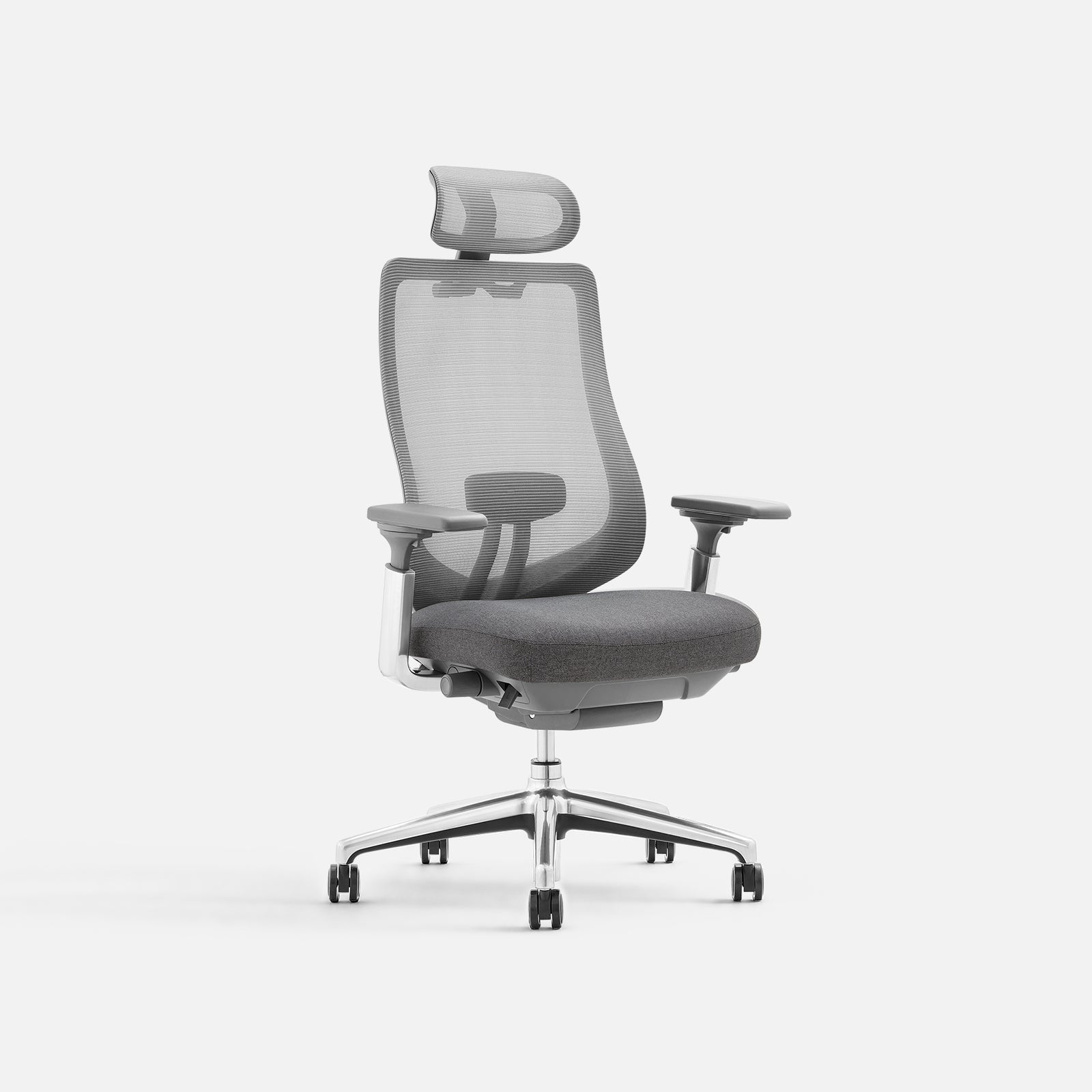
Quality sleep depends on more than just willpower and discipline. The environment where we rest plays a fundamental role in how well we sleep, affecting everything from our circadian rhythm to our deep sleep cycles. Colamy bedroom furniture is designed with an understanding of sleep science, creating spaces that support natural sleep patterns and promote restorative rest. Over the past two decades, sleep researchers have documented how environmental factors interact with our biology and this knowledge is transforming how people approach bedroom design.
How Sleep Science Shapes Modern Furniture Design
Sleep researchers have long understood that the bedroom environment directly influences sleep quality. Temperature regulation, light management and physical comfort are the three pillars that determine whether someone sleeps soundly or tosses through the night. When furniture design ignores these principles, people struggle with sleep onset and maintenance, even if they follow perfect sleep hygiene routines. Colamy integrates these scientific principles into every piece, ensuring that the physical elements of the bedroom support better sleep from the moment someone enters the space.
The science of sleep quality reveals that most people experience four to five sleep cycles per night, each lasting roughly 90 minutes. During these cycles, the body transitions between light sleep, deep sleep and REM sleep. Environmental disruptions at any point can interrupt these cycles, leading to fragmented sleep that never feels truly restorative. Furniture plays a crucial role in preventing these interruptions.

Material Composition and Sleep-Supportive Properties
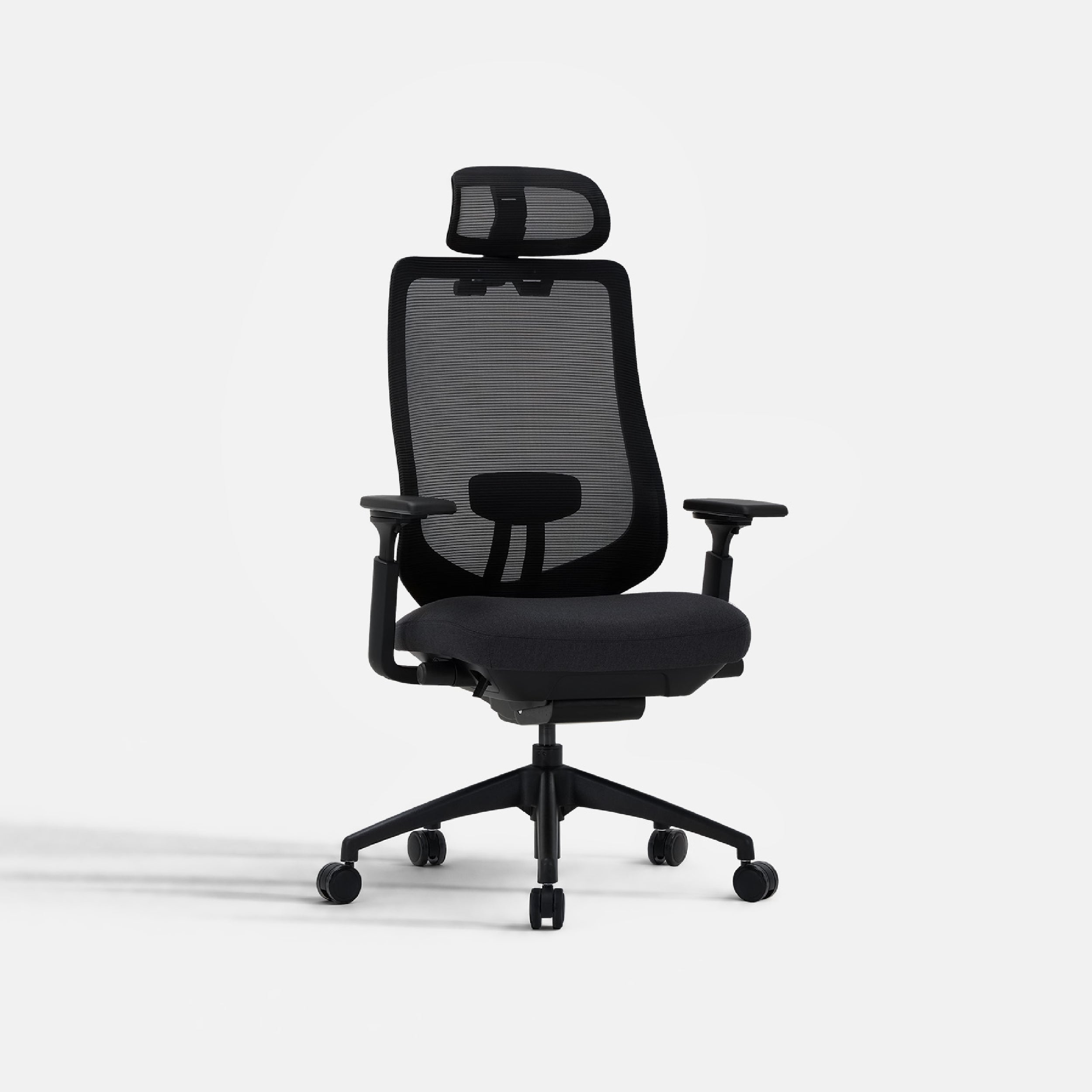
The materials used in bedroom furniture affect temperature regulation and off-gassing, both critical for uninterrupted sleep. Colamy furniture prioritizes materials that maintain a neutral thermal environment, preventing the overheating that disrupts REM sleep. Natural materials like certified wood and breathable fabrics reduce chemical emissions that can trigger microarousals during light sleep stages. This attention to material science means residents fall asleep faster and experience fewer nighttime awakenings.
Sleep science reveals that people spend roughly one-third of their lives in bed, making furniture durability and consistent support essential. Furniture that sags or becomes uncomfortable forces the body into unnatural sleeping positions, triggering neck and back tension that fragments sleep architecture. Colamy constructs pieces with reinforced frames and high-density materials that maintain their form for years, ensuring that sleep support remains consistent night after night. Off-gassing from synthetic materials can suppress melatonin production, so material selection directly impacts the biological processes needed for quality sleep.

Lighting and Visual Environment Control
Melatonin production, the hormone that signals sleep readiness, depends on darkness during evening hours. Yet many bedroom spaces feature reflective surfaces and light-colored furniture that bounce ambient light around the room, suppressing melatonin production right when the body needs it most. The color palette of furniture directly influences the visual environment’s ability to support this natural process.
Colamy bedroom furniture incorporates matte finishes and carefully selected colors that absorb rather than reflect light, creating visual conditions conducive to sleep. Storage solutions minimize visual clutter, which research shows reduces cognitive stimulation before sleep. When the eye can rest because the environment is visually calm, the mind follows, making the transition to sleep smoother and more complete. Studies demonstrate that environments with high visual clutter increase cortisol levels, the stress hormone that keeps people awake.

Ergonomic Positioning and Sleep Posture Support

The human spine has natural curves that must be supported during sleep to prevent pain and disruption. A bed frame that allows excessive sag or nightstands positioned too high or low, forces awkward arm and neck positions that interrupt sleep cycles. Furniture arrangement and design directly affect postural support throughout the sleeping hours.
Furniture dimensions matter more than most people realize. Colamy designs pieces with ergonomic measurements that support natural body alignment, whether someone sleeps on their back, side or stomach. Bed frames provide appropriate support, headboards position the head and neck correctly and bedside tables sit at heights that prevent arm strain during nighttime activities. These details compound across eight hours of sleep, reducing physical tension that would otherwise fragment rest.
Key Features of Sleep-Science Bedroom Furniture
- Temperature-neutral materials that prevent overheating during deep sleep cycles and REM sleep phases.
- Matte finishes and dark tones that support melatonin production by minimizing light reflection and visual stimulation.
- Reinforced bed frames and durable construction that maintain consistent support across years of nightly use.
- Integrated storage solutions that reduce visual clutter and cognitive stimulation before sleep.
- Ergonomic dimensions that support proper spinal alignment and reduce nighttime pain and tension.
Creating a Distraction-Free Sleep Sanctuary
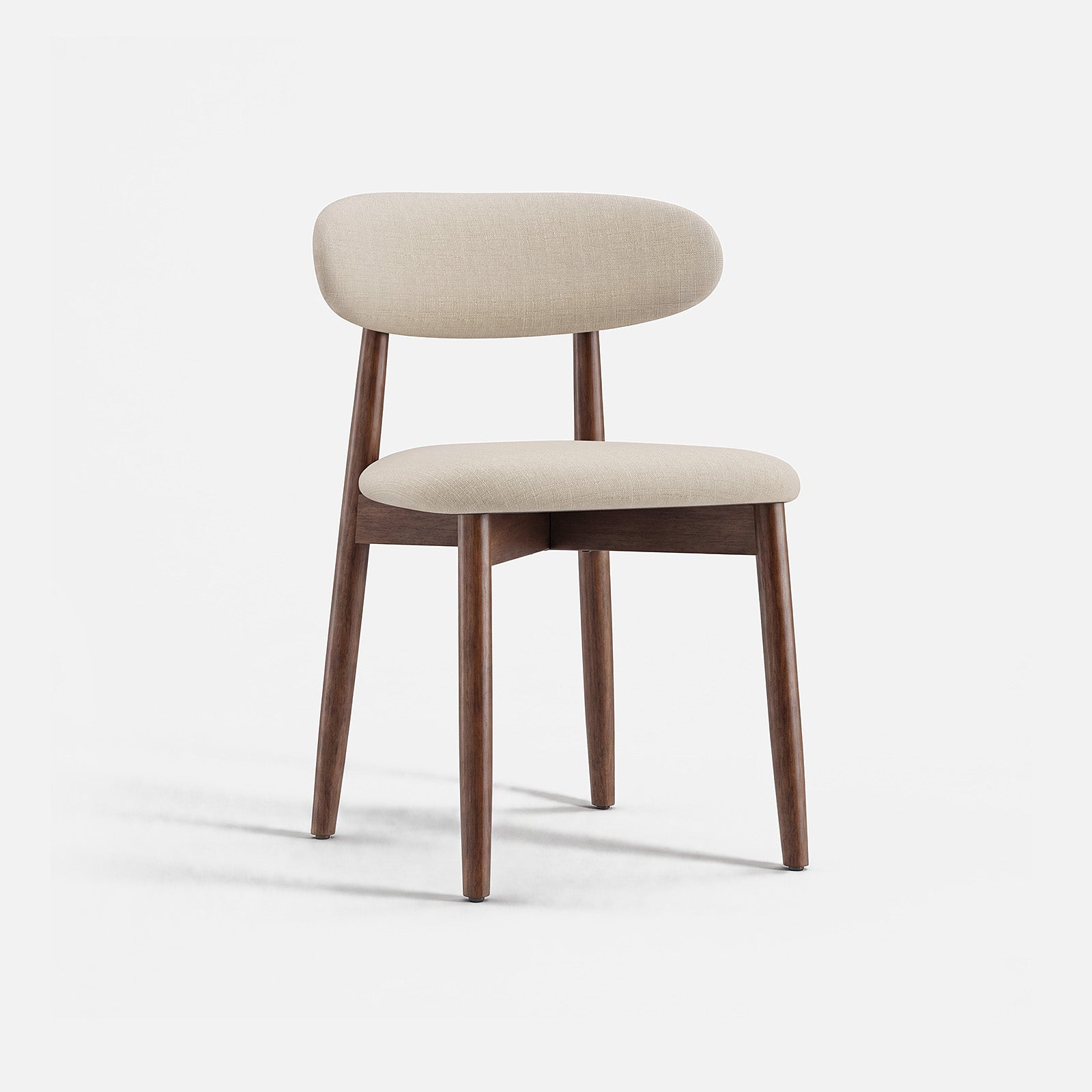
Sleep science emphasizes that the bedroom should be reserved primarily for sleep. When the space contains work equipment, exercise machines or entertainment systems, the brain fails to associate the room with rest, making sleep onset harder. Colamy furniture supports this principle through thoughtful storage and layout options that keep the sleep space free from competing activities and visual stimuli. The brain’s association between environment and activity is powerful and automatic, which means furniture must actively support sleep rather than distract from it.
Integrated storage solutions eliminate the need for external shelving that would house books, devices or other items that trigger wakefulness. The furniture arrangement encourages a clear visual path through the room, supporting the psychological separation between sleep space and the rest of the home. This environmental design works in harmony with the biological needs of sleep, making the room a genuine sanctuary. Sleep quality has measurable effects on immune function, mood, cognitive performance and metabolic health. By choosing bedroom furniture grounded in sleep science principles, people invest directly in their long-term well-being.