





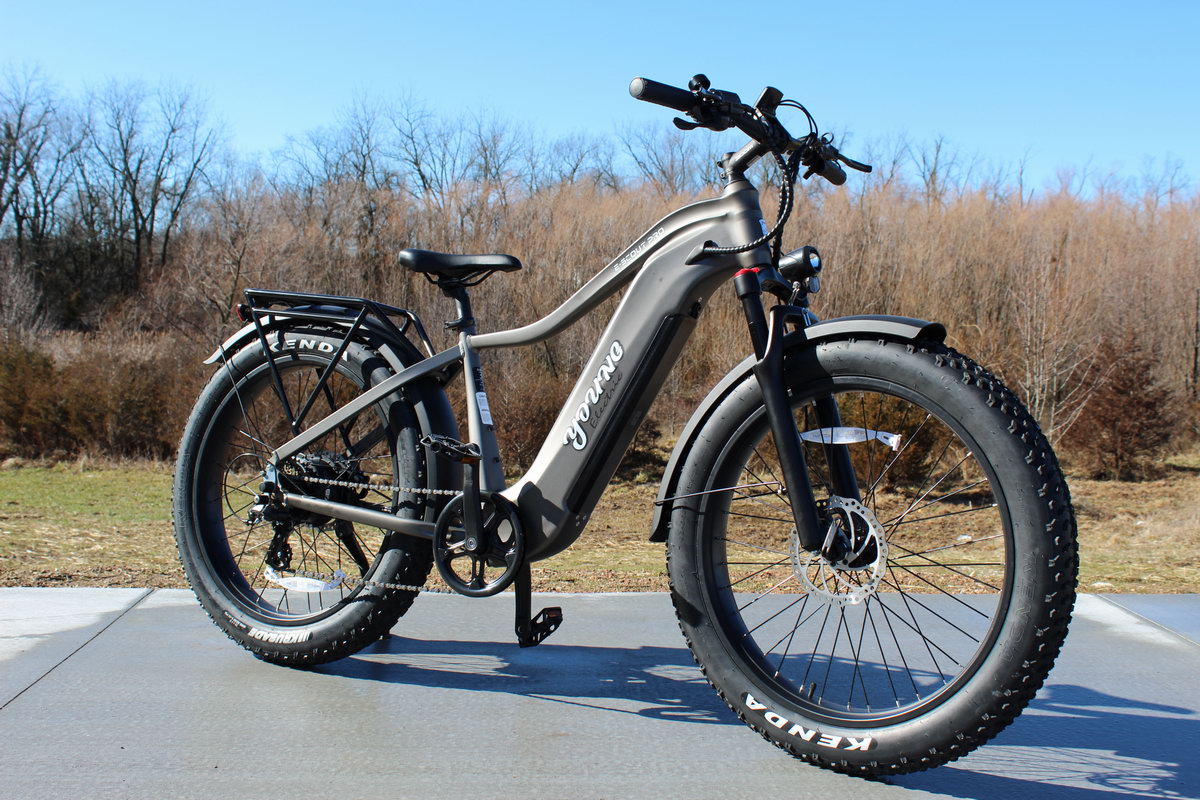
Transportation choices carry environmental consequences that extend far beyond the individual commute. Every day, millions of people make decisions about how to travel and these collective choices shape urban air quality, carbon emissions and energy consumption. Young Electric Bikes offers a practical solution for commuters seeking to reduce their environmental impact without sacrificing convenience or speed. Bikes represent a significant shift in sustainable urban mobility, providing an alternative that is genuinely practical for everyday use. The transition to bikes is one of the most impactful decisions individuals can make to reduce their carbon footprint.
The Environmental Cost of Traditional Commuting
Conventional cars and motorcycles contribute significantly to urban pollution and greenhouse gas emissions. A typical gasoline vehicle produces approximately 4.6 metric tons of CO2 annually. Even hybrid vehicles require ongoing fuel consumption and generate emissions, though at reduced levels. Young Bikes Bikes eliminate this pollution at the source, powered by electricity that increasingly comes from renewable sources like solar and wind.
The manufacturing of traditional vehicles also consumes enormous quantities of raw materials and energy. In contrast, bikes represent a significantly lower manufacturing carbon footprint while delivering comparable utility for urban commuting. Many commutes under 10 miles can be entirely covered by electric bikes, making car use unnecessary for these trips. Over a year, this single change avoids generating multiple tons of CO2 that would otherwise enter the atmosphere from a single commuter’s vehicle.

How Bikes Reduce Carbon Emissions
Young Bikes operate on rechargeable lithium batteries charged by electrical power. Even accounting for electricity generation, an electric bike produces a fraction of the emissions of a gasoline vehicle. A full charge costs approximately 50 cents in electricity and can power a bike for 50 miles, resulting in emissions per mile that are roughly 90% lower than a typical car. Over the course of a year, a commuter switching from a car to an electric bike can eliminate over two tons of CO2 emissions.
The environmental advantage grows as electricity grids shift toward renewable sources. Regions with higher renewable energy percentages see bikes provide even greater emission reductions compared to gasoline vehicles. As renewable energy becomes more prevalent, the environmental benefits of switching to bikes compound year after year. This means that riders choosing bikes today benefit even more as the energy grid improves over time.
Reducing Urban Air Pollution
Cities with heavy car traffic experience elevated levels of nitrogen oxides, particulate matter and other pollutants that directly harm respiratory health. These pollutants are linked to asthma, bronchitis, cardiovascular disease and premature death. Young Bikes Electric bikes produce zero local emissions, creating cleaner air in urban areas where they replace car trips. When multiple commuters switch to bikes, the cumulative effect improves air quality for entire neighborhoods.
Studies in cities that have promoted electric bike adoption show measurable improvements in air quality metrics. Particulate matter concentrations decrease, nitrogen dioxide levels drop and the associated health benefits ripple through the community. Residents experience fewer respiratory problems and healthcare costs associated with air pollution decline. This public health benefit extends to people who never ride bikes themselves. Vulnerable populations like children and elderly individuals experience the greatest health improvements when air quality improves.
The Broader Shift Toward Sustainable Transportation
Bikes represent one component of a broader transition toward sustainable urban transportation. When combined with public transit, walking infrastructure and urban design that prioritizes short distances, bikes help create cities that are healthier, cleaner and more livable. Young Bikes enable this transition by making sustainable commuting practical and accessible for everyday users.
Forward-thinking cities are recognizing the value of promoting electric bike adoption through infrastructure investment, subsidies and policy support. These investments pay dividends in reduced traffic congestion, improved air quality, lower public health costs and increased livability. The transition to electric bikes is not a niche trend but a fundamental shift in how urban mobility is evolving. In the next decade, bikes are expected to become the dominant commuting method in major urban centers worldwide.
Key Environmental Benefits of Bikes
- Eliminate direct emissions and reduce carbon footprint by over 90% compared to gasoline vehicles.
- Reduce air pollution in urban areas, improving respiratory health and reducing asthma and bronchitis cases.
- Lower manufacturing environmental impact compared to traditional vehicles.
- Operate on renewable electricity sources as grids transition away from fossil fuels.
- Decrease traffic congestion and associated fuel waste from idling vehicles.
Making the Switch to Bikes
For commuters considering the switch to bikes, the environmental benefits are substantial and immediate. Each mile traveled on an electric bike instead of in a car prevents approximately 0.25 pounds of CO2 from entering the atmosphere. Over a typical commuting year, a single rider prevents multiple tons of emissions. Young Bikes makes this transition practical by providing reliable, efficient bikes suitable for various commuting distances and conditions. By choosing electric bikes, individuals become part of a growing movement toward sustainable cities and cleaner air for all residents.