




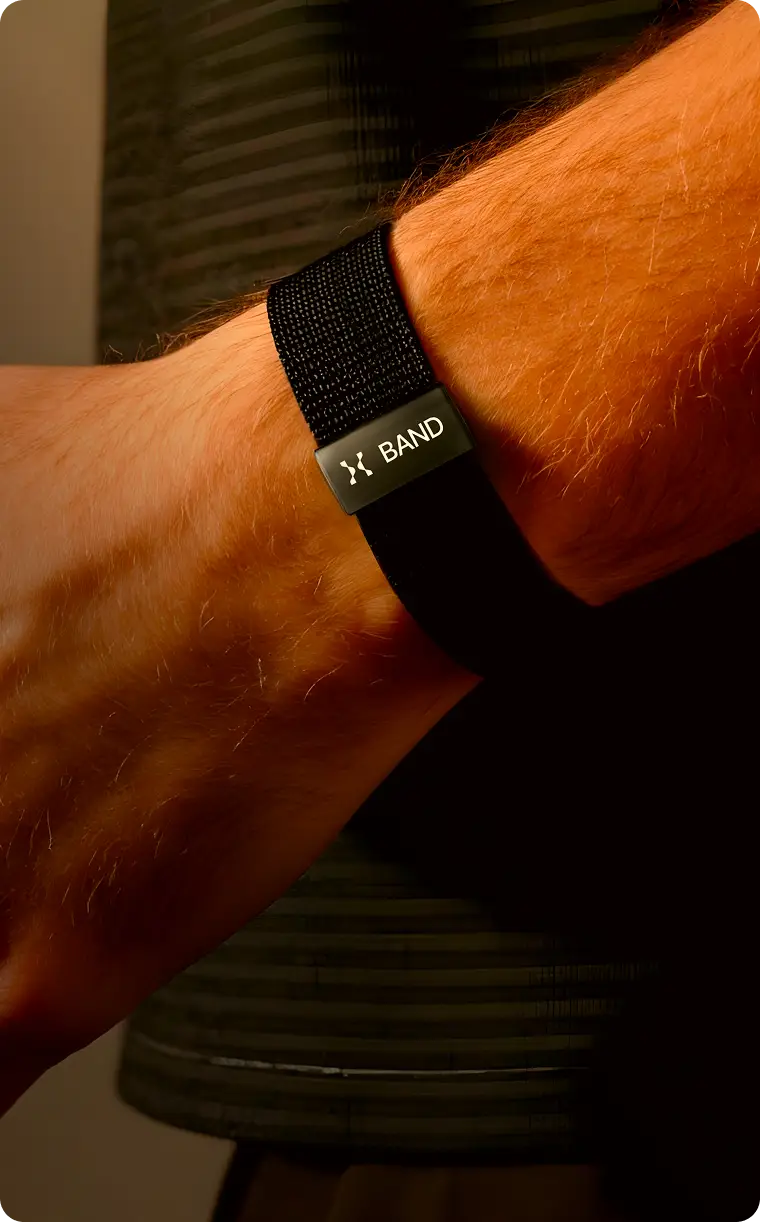
Wearable technology revolutionized health tracking, enabling continuous monitoring of vital metrics providing insights previously requiring laboratory equipment. Hume Health Hume Band 2.0 represents a screenless wearable tracking comprehensive health metrics including heart rate variability, sleep quality, activity, strain and recovery. Understanding what Hume Band 2.0 monitors and how to interpret data empowers users optimizing training, recovery and overall wellness through evidence-based insights.
Heart Rate Variability Hidden Health Indicator
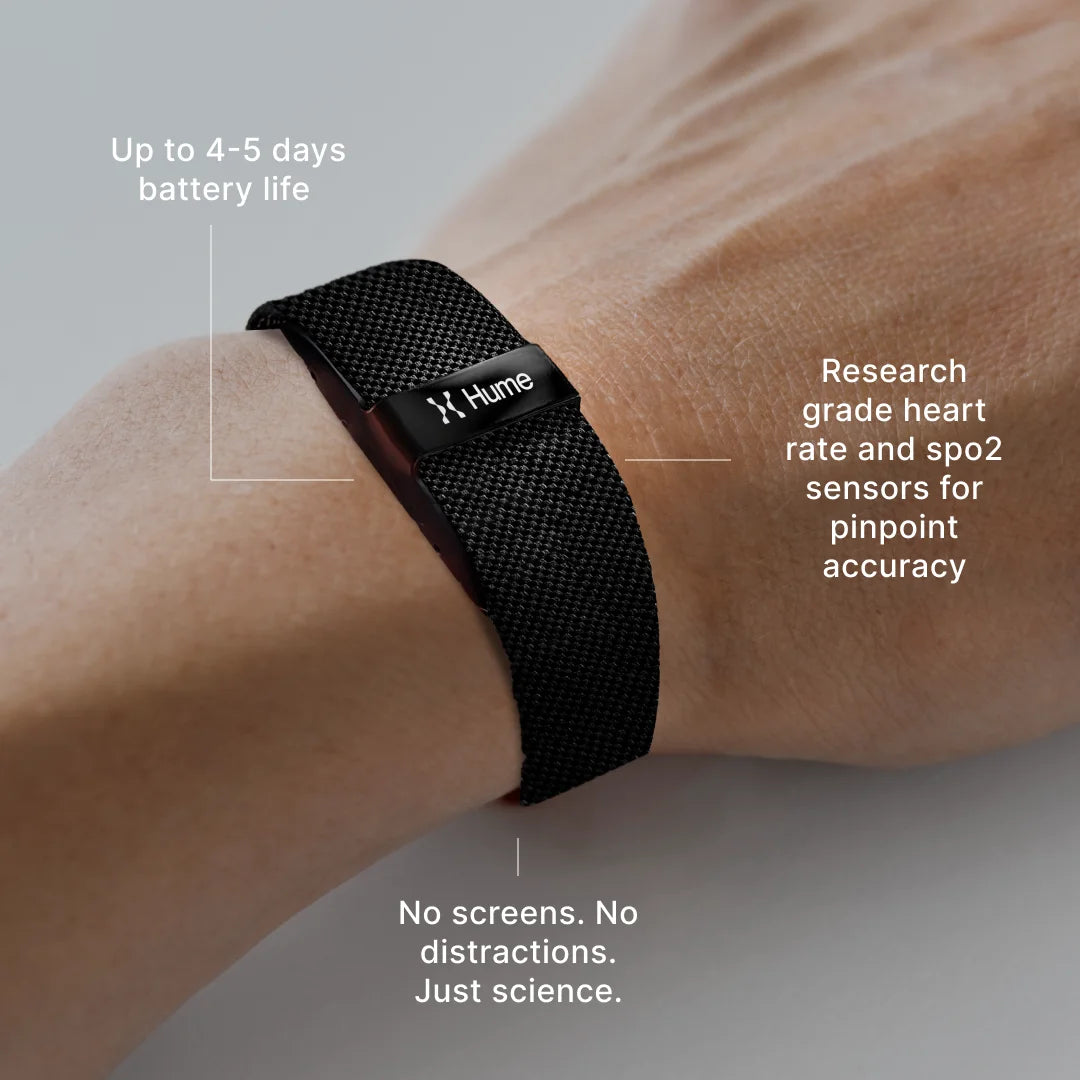
Heart rate variability (HRV) measures intervals between heartbeats, reflecting autonomic nervous system balance and recovery status. Higher HRV indicates parasympathetic dominance, restorative nervous system state supporting recovery. Lower HRV suggests sympathetic activation, stress response reducing recovery capacity. Trend monitoring enables identifying recovery patterns and optimal training timing. Elite athletes, coaches and health professionals leverage HRV for training prescription and recovery monitoring. Hume Health Hume Band 2.0 HRV tracking provides accessible elite-level insights for continuous health monitoring.
Sleep Tracking and Sleep Architecture Insights
Quality sleep represents critical recovery and health component, yet many underestimate sleep importance or lack insights into sleep quality. Hume Band 2.0 identifies sleep stages, light sleep, deep sleep and REM sleep, revealing sleep architecture and quality. Deep sleep tracking reveals restorative sleep supporting physical recovery and growth hormone release. REM sleep insights show dream sleep essential for cognitive processing and emotional health. Sleep duration and consistency monitoring identifies sleep patterns affecting daily performance. Hume Health Hume Band 2.0 sleep analysis provides actionable insights optimizing sleep through understanding what quality sleep comprises.
Blood Oxygen Saturation and Respiratory Health
Blood oxygen levels indicate cardiovascular and respiratory system health, influencing energy availability and performance capacity. Continuous monitoring during sleep, activity and rest reveals patterns indicating respiratory health or potential concerns. Athletes use blood oxygen data optimizing training altitude exposure and recovery practices. Identifying abnormal patterns enables earlier intervention and medical consultation. Sleep apnea or respiratory issues often manifest in blood oxygen variations detectable through continuous monitoring. Hume Health Hume Band 2.0 blood oxygen tracking provides health insights supporting informed decisions about training and medical consultation.
Activity Tracking and Strain Measurement
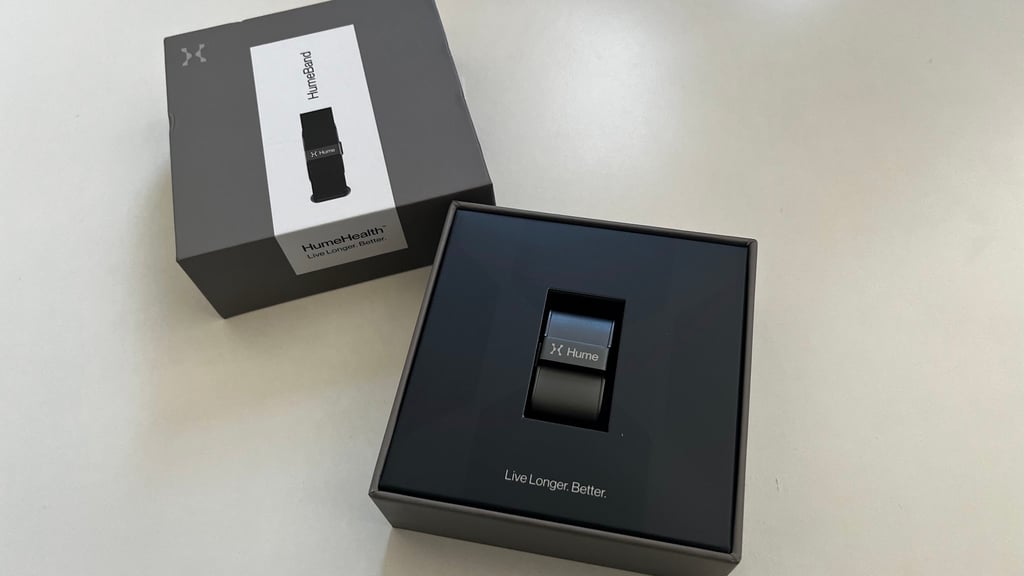
Continuous activity monitoring tracks daily movement, exercise and energy expenditure throughout days. Strain measurement quantifies training intensity and physical demands relative to capacity. High strain indicates substantial effort creating adaptation stimulus, while low strain suggests insufficiently demanding training. Balancing strain with recovery prevents overtraining while ensuring adequate training stress. Personalized strain recommendations help optimize training load relative to individual capacity. Hume Health Hume Band 2.0 activity and strain insights guide training decisions preventing overtraining while supporting performance development.
Skin Temperature and Environmental Responsiveness
- Skin temperature variations indicate circadian rhythms and internal body conditions
- Fever detection through temperature elevation enables early illness identification
- Training recovery impacts skin temperature patterns observable through consistent monitoring
- Environmental stress or recovery status manifests in temperature variations
Integrated Health Insights and Recovery Optimization
Combining multiple metrics creates comprehensive health picture impossible from individual measurements. Recovery scores synthesize HRV, sleep quality, strain and baseline data enabling daily recovery assessment. Using recovery scores informs training decisions, low scores suggest prioritizing recovery; high scores enable pursuing demanding training. Hume Band 2.0 screenless design encourages consistent wear without notification distraction, enabling comprehensive continuous monitoring supporting evidence-based health optimization and performance development.