




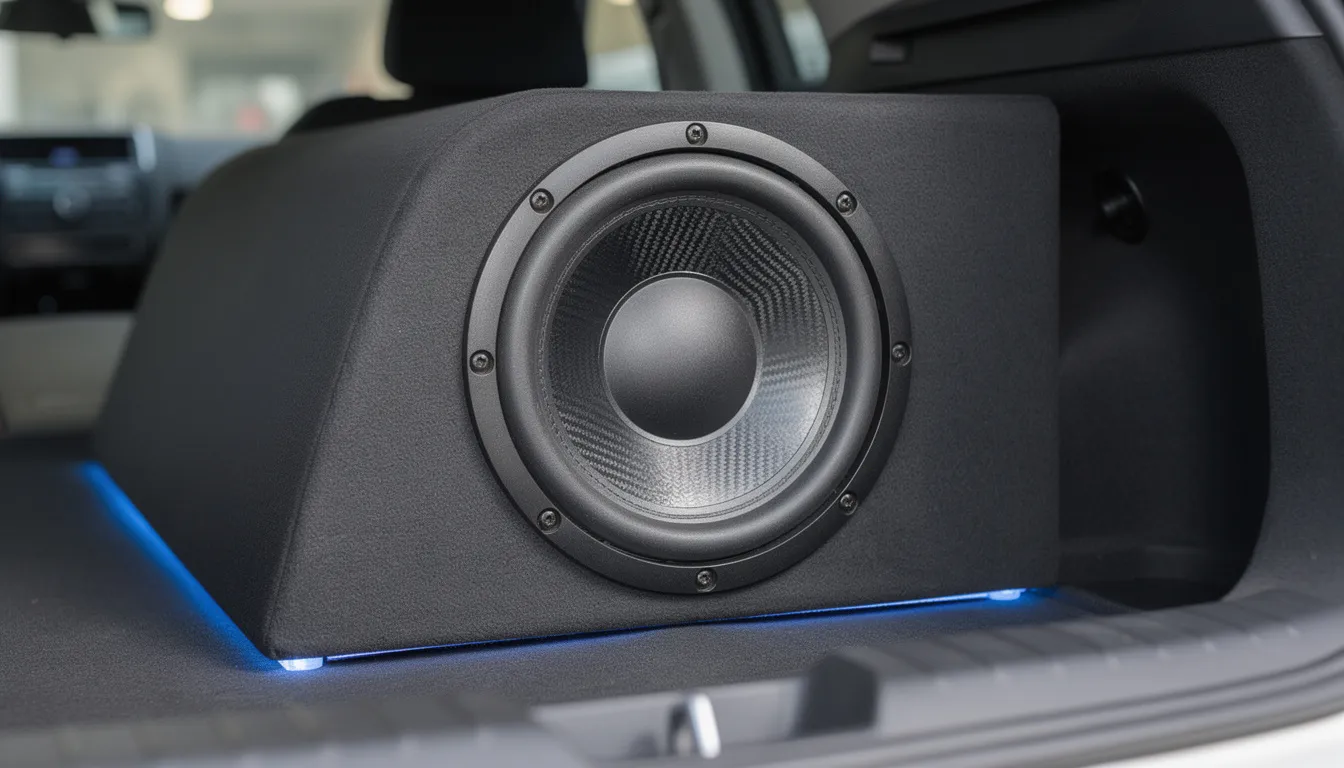
There is a major difference between replacing one factory speaker and designing a complete car audio system. A full upgrade requires the source, speakers, amplifiers, subwoofer, wiring and installation to work together rather than behaving like separate purchases. Car Audio Centre is particularly useful for this kind of project because its product range covers the entire chain, from head units and speaker systems to amplification, bass solutions and the smaller components required to install them correctly. This allows a driver to plan an audio build according to the vehicle, available space and preferred sound rather than simply choosing the most powerful component in every category. Some drivers want strong low-end impact, while others value vocal clarity and realistic detail. The right system can be very different for each person, which is why thoughtful matching is more important than impressive specifications on a box.
Start by Deciding What You Actually Want to Improve
Before buying equipment, it is worth listening carefully to the existing system and identifying its weakest point. Does the music become harsh when the volume rises? Are vocals difficult to hear? Is the bass weak or uncontrolled? Does the stereo lack the connections needed for modern phones? Car Audio Centre offers solutions for all of these problems, but upgrading everything at once is not always necessary. Replacing the front speakers may create the biggest improvement in one car, while another vehicle may benefit most from a new head unit or compact subwoofer. A clear goal also prevents the budget from being spread across products that do not contribute meaningfully to the final result. Building around a listening preference is usually more successful than building around numbers.
Amplifiers Provide the Power Needed for More Ambitious Speaker Systems
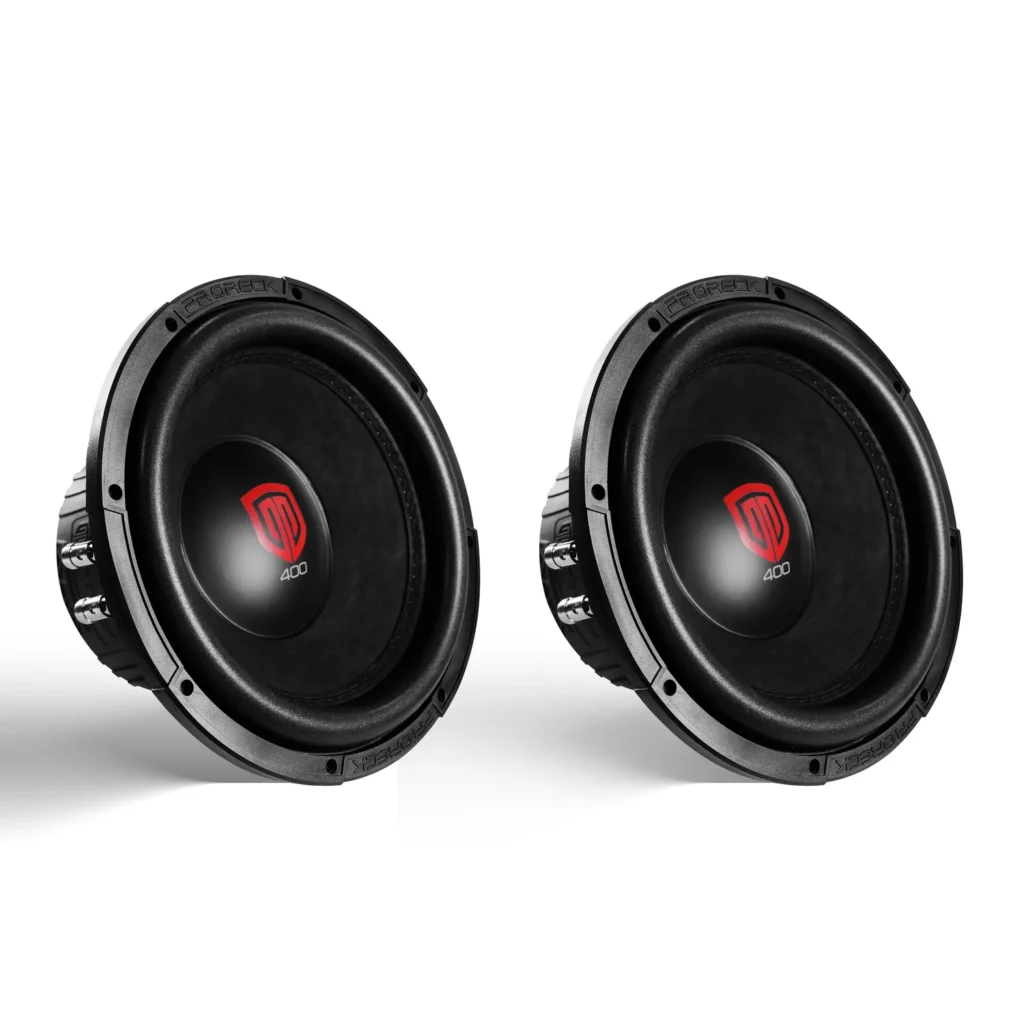
An amplifier takes the audio signal and provides the power required to drive compatible speakers or a subwoofer. Factory stereos are designed around the original equipment and may not provide enough clean output for a significant aftermarket upgrade. Car Audio Centre offers amplifiers suited to different configurations, including systems designed to power multiple speakers and dedicated bass channels. Selecting one requires attention to RMS power, impedance and the number of channels rather than simply choosing the highest advertised figure. Correct installation is equally important. Power wiring must be suitable for the current demand, connections should be secure and the amplifier needs appropriate ventilation. Gain controls also require careful adjustment; they are not simply extra volume knobs and should not be turned to maximum without proper setup.
What Is Needed for a More Complete Car Audio Build?
A properly planned installation may involve several categories working together:
- A compatible head unit or suitable factory-system integration solution.
- Front speakers or component systems chosen for clarity and the available mounting locations.
- Rear speakers, where they contribute appropriately to the desired system.
- A multi-channel amplifier to power upgraded speakers where required.
- A subwoofer for dedicated low-frequency reproduction.
- A mono amplifier or suitable bass channel for passive subwoofer installations.
- A complete power and signal wiring kit matched to the equipment.
- Speaker adapters and mounting accessories for secure installation.
- Sound-deadening or vibration-control materials where suitable.
- Fuses and protective components installed according to manufacturer requirements.

Subwoofer Choice Should Consider Space as Much as Sound
Not every driver wants to surrender a large part of the boot to a bass enclosure. Fortunately, car audio systems can be designed around very different space requirements. Compact powered subwoofers may fit beneath certain seats or into smaller areas, while larger enclosure-based systems provide a different level of low-frequency output for drivers prepared to dedicate more room to audio. Car Audio Centre provides options for these different priorities. The right decision depends on musical taste, cabin size and how the vehicle is used. Someone who regularly carries luggage, tools or family equipment may value a compact installation more than maximum output. Bass should also be tuned to complement the front speakers rather than drawing attention to itself on every track.
Sound Deadening Can Help the Equipment Perform in a Difficult Environment
A car cabin is a challenging place for audio. Doors are thin, panels can vibrate, tyres generate road noise and speakers are rarely positioned at ideal listening angles. This means a sound system is influenced heavily by the vehicle itself. Carefully applied sound-treatment materials can reduce certain unwanted vibrations and help create a more stable mounting environment for speakers. Car Audio Centre customers building more ambitious systems may therefore consider installation products alongside the visible electronics. Treatment should be applied appropriately rather than simply covering every surface without a plan. Adding unnecessary material can increase weight and cost without producing an equally meaningful benefit. Focusing on speaker mounting areas and known vibration points is often the more sensible approach.
Professional Fitting Can Be Valuable for Complex Builds
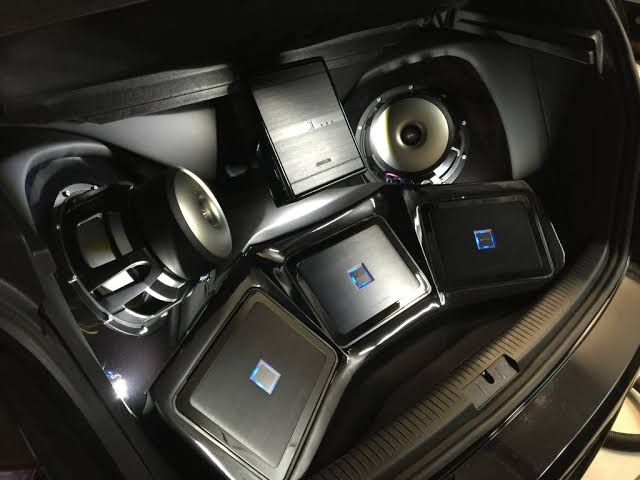
Simple speaker replacements can be manageable for experienced enthusiasts, but a larger installation can involve removing trim, routing heavy power cables, configuring amplifiers, integrating factory electronics and tuning the final system. A professional installer can reduce the risk of damaged interior panels, electrical problems or poorly configured equipment. This is especially important in vehicles with complex electronics, multiple airbags or tightly integrated dashboards. Professional fitting also allows the owner to focus on the desired result rather than the difficulty of installing every component. Even when a customer performs some work independently, specialist advice can be useful when matching amplifiers, speakers and subwoofers.