




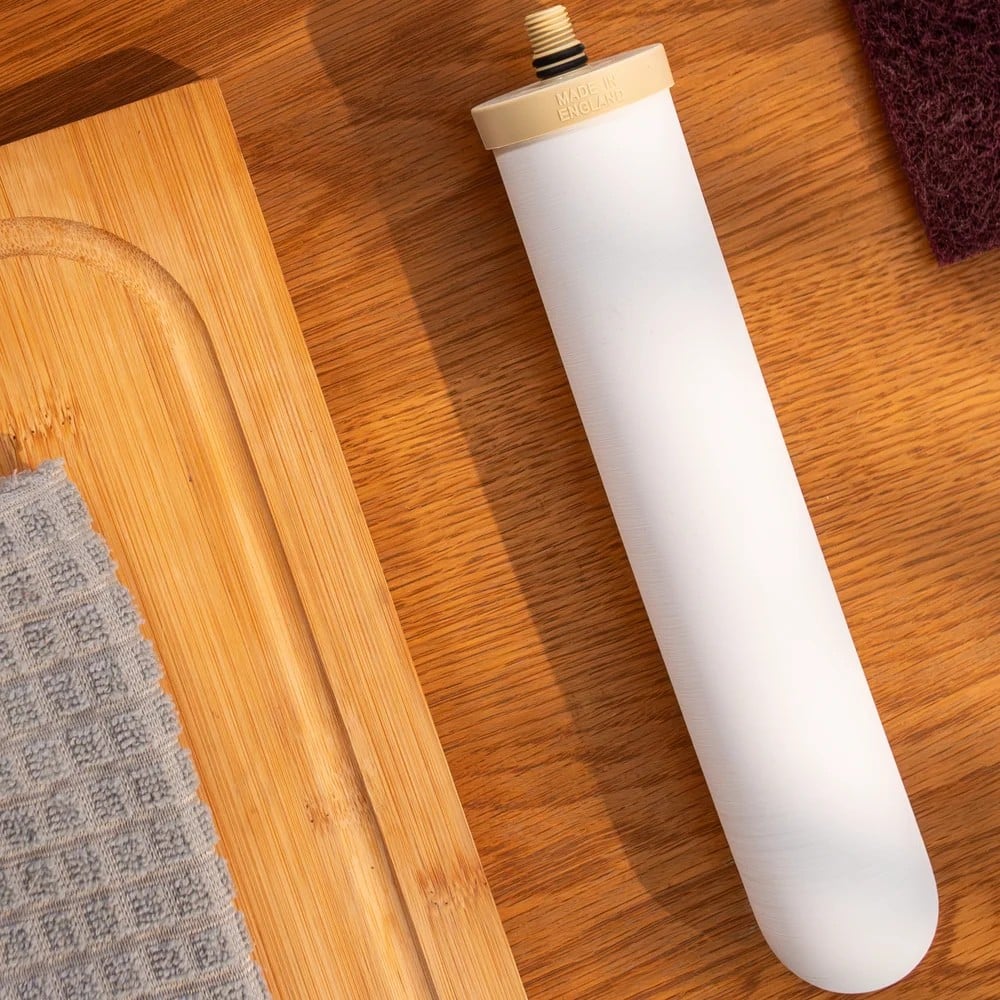
Ceramic water filtration is easy to recognize because the filter element has a rigid porous body rather than a loose cartridge filled only with granular media. Water passes through microscopic pathways in that ceramic structure before moving through any additional filtration media included in the element. Doulton uses ceramic technology in several replacement filters, including models that combine the ceramic shell with an activated carbon core. The exact contaminant reduction claims depend on the specific element and its testing, so one cartridge should not be assumed to perform identically to another. Maintenance is also part of performance. Flow can change as material accumulates on the ceramic surface, and replacement intervals still apply even when the outer surface can be cleaned. Understanding those two ideas helps a household distinguish routine care from the end of a filter element’s service life.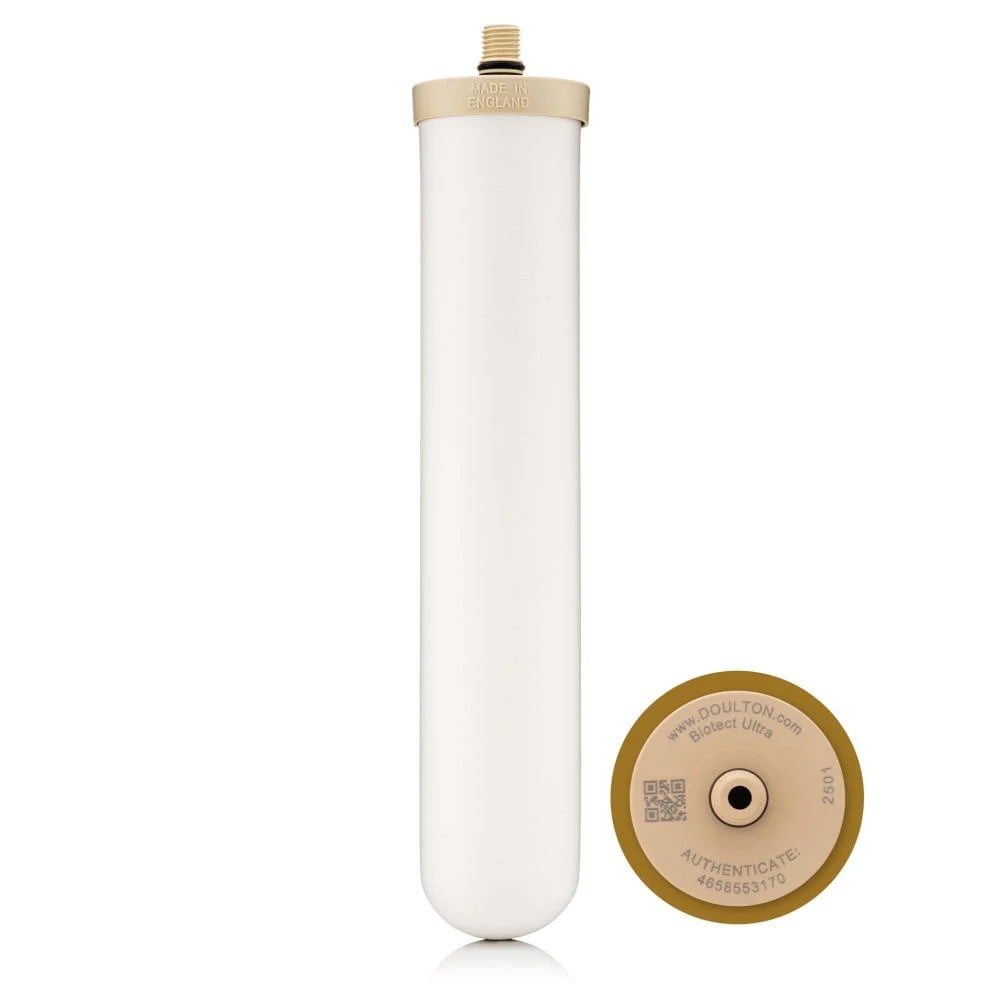
The ceramic surface works as a physical filtration stage
A ceramic element contains a network of very small pores that water must travel through. That physical structure can help reduce particles and microorganisms of sizes covered by the product specifications. Some Doulton elements then combine the ceramic stage with additional media such as activated carbon, which is intended to address other substances and taste or odor concerns according to the model. The important point is that a ceramic filter is not defined by one universal performance list. Certification, test data and the exact cartridge name should be checked for the system being used. Flow rate is another part of the design. Finer filtration and surface loading can reduce flow, especially as the element collects material over time. A slower stream does not automatically mean the filter has failed, but it does signal that the maintenance guidance should be consulted. Water pressure can influence the experience of a plumbed ceramic system. A household that notices an abrupt change should check the filter and installation rather than assuming the incoming supply has changed permanently.
Cleaning the surface is different from replacing the element
One practical feature of some ceramic filters is that the outer surface can be cleaned when flow falls because of accumulated material. Doulton provides care guidance for its ceramic elements, and that guidance should be followed rather than using household cleaners or abrasive chemicals at random. Cleaning removes material from the outside surface but does not reset the age of internal media or make a used element equivalent to a new one. If the cartridge includes activated carbon or other internal components, those parts continue to have their own service limits. A household should therefore keep the original installation date or a replacement reminder even if the ceramic shell is cleaned between changes. The maintenance routine is best understood as two separate tasks. Surface cleaning helps preserve usable flow, while scheduled replacement ensures the complete element is changed according to the manufacturer’s stated service period. Cleaning should be performed with tools and methods permitted for the element. Harsh chemicals can introduce residue or damage surfaces, so improvised cleaning products are not a sensible shortcut.
A few observations can help guide routine care
Ceramic filters are simple to use once installed, but changes in flow, taste or system behavior should not be ignored. Doulton recommends model-specific maintenance and replacement practices, so the manual for the installed element remains the primary reference. Between scheduled changes, several observations are useful. Ceramic elements should be transported and stored carefully before installation. Their rigid structure is durable in normal use but should not be treated as impact-proof during handling or cartridge changes.
- A noticeable drop in flow can indicate that the ceramic surface has collected material and may need cleaning according to the instructions.
- Any unexpected taste or odor change should prompt a check of the cartridge age, system cleanliness and the condition of the incoming water supply.
- The filter should be handled with clean hands and protected from knocks because ceramic elements are rigid and can be damaged by impact.
- Replacement dates should be recorded rather than estimated from memory so a cleaned element is not kept in service beyond its stated interval.
Installation hygiene matters as much as the cartridge itself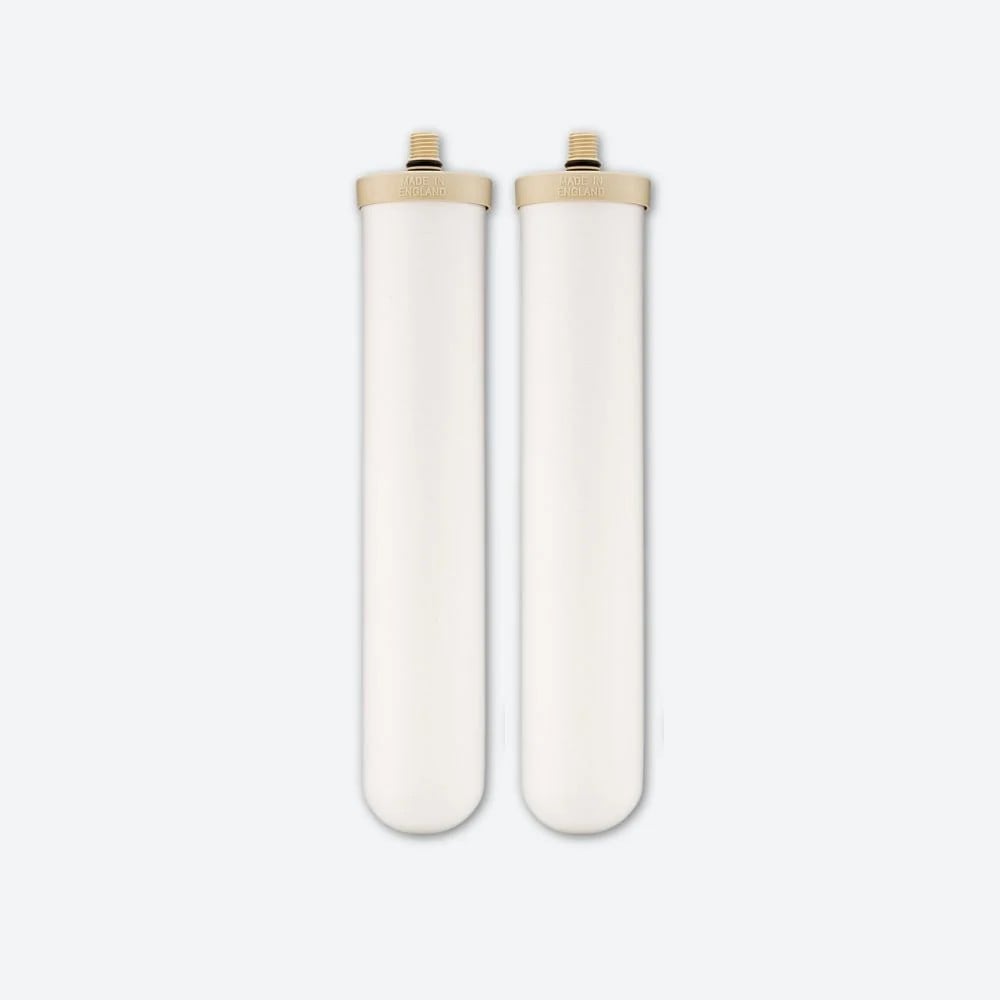
A new filter should be fitted with attention to clean seals, properly seated components and any flushing steps described for the product. Touching outlet surfaces unnecessarily or reinstalling a cartridge with damaged seals can undermine an otherwise careful maintenance routine. Replacement filters from Doulton are designed for specific housings and systems, so compatibility should be confirmed by model rather than judged by appearance alone. After replacement, the system should be checked for leaks and allowed to run or flush as directed before normal use begins. The surrounding housing, tap and accessible water-contact components should also be kept clean. Ceramic technology can make filtration feel mechanically simple because the element itself is solid and visible, but reliable use still depends on correct installation, periodic care and timely replacement. A maintenance log with the cartridge name and installation date is often more useful than relying on changes in taste alone to decide when service is due. Keeping the model number with the maintenance record also prevents confusion between similar-looking cartridges. The correct replacement is defined by system compatibility and specification, not by approximate length or color.