




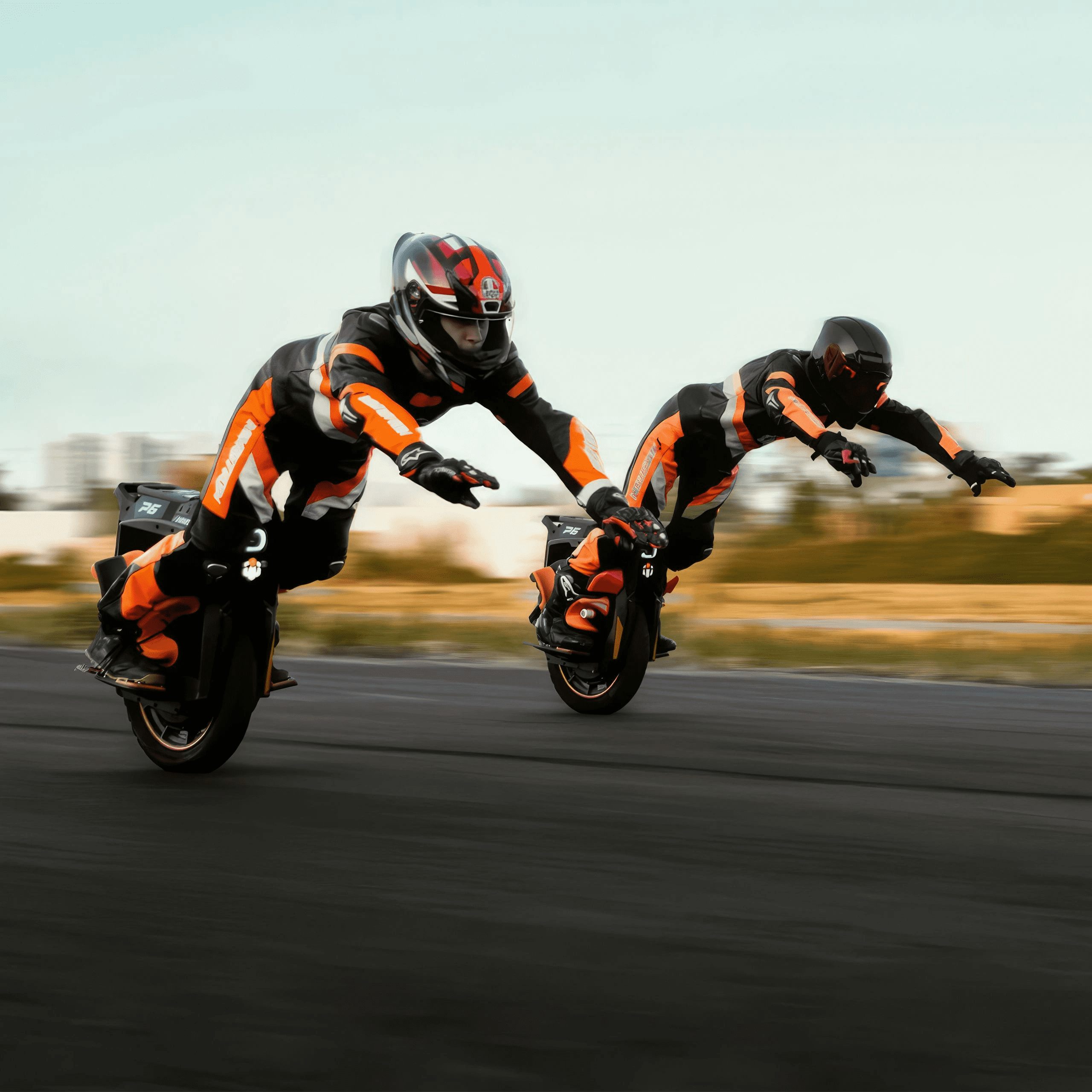
Electric scooters have become one of the most recognisable forms of personal mobility, but the category is now far more diverse than the lightweight city models that first made them popular. Some riders want an uncomplicated scooter for short journeys, while others need hill-climbing ability, suspension, extended range or significantly stronger performance. INMOTION approaches this market with a selection that includes models such as the Air, Air Pro, S1F, Climber, C10, RS Lite, RS Jet and RS. Instead of treating every scooter as interchangeable, the range is divided around different riding styles including portability, hilly areas, longer distances and high-performance use. That makes choosing the right model less about buying the most powerful option and more about understanding where, how and how often it will be ridden. For many users, a lighter commuter can be far more practical than a heavy performance machine, while enthusiasts with very different priorities may want exactly the opposite.
Lightweight Scooters Make Short Urban Journeys Easier to Manage
For a rider travelling between home, public transport, work or university, weight can matter just as much as motor performance. A scooter that must regularly be folded, carried through a station or taken into an apartment needs to remain manageable. INMOTION’s lighter models are aimed at this practical side of electric mobility, where convenience and simple operation matter more than extreme speed. Compact scooters can be especially useful for short connections that are too far to walk comfortably but do not justify a car journey. Tyre size, deck space, braking system and folding mechanism all influence daily usability. A model that looks impressive online may become frustrating if it is unnecessarily heavy for the rider’s routine, which is why portability should always be considered before performance.
The Climber Is Designed Around One of the Biggest Commuter Challenges
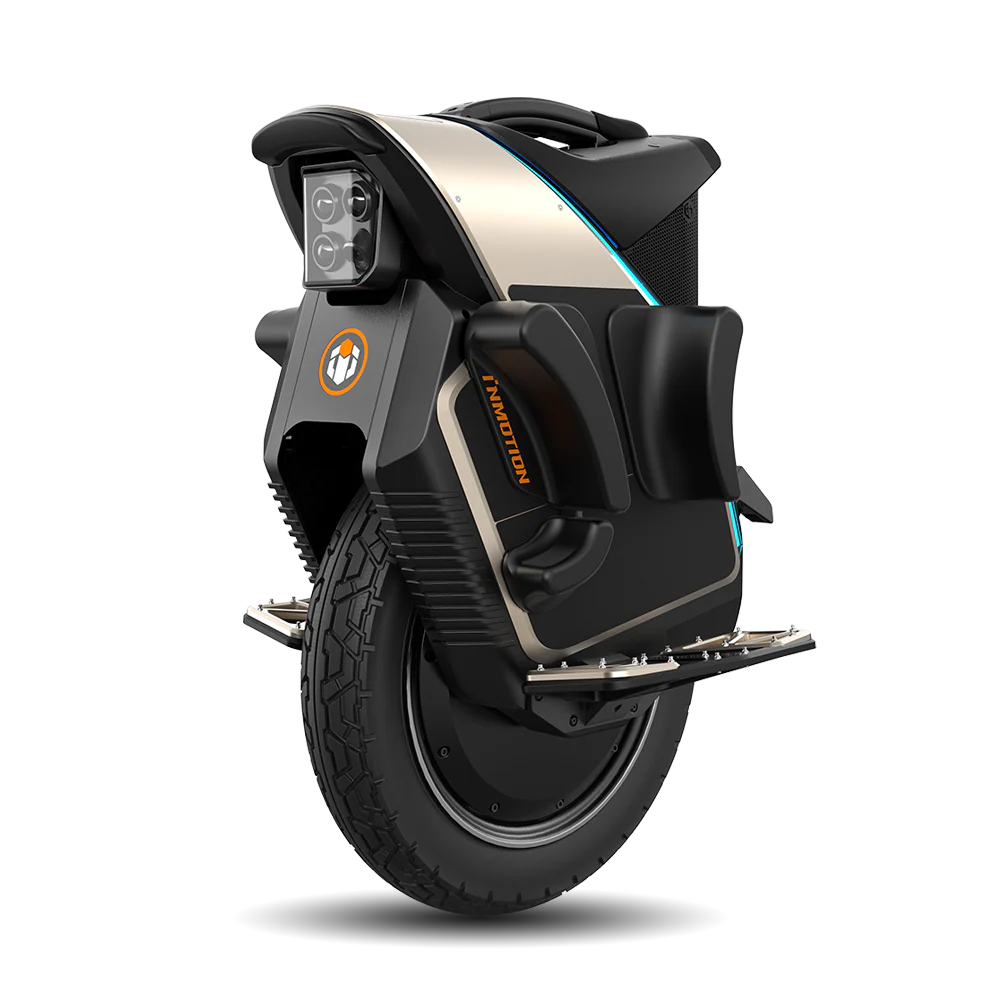
Hills can expose the limitations of lower-powered scooters very quickly. A model that feels responsive on level streets may slow considerably on an incline, particularly with a heavier rider or reduced battery charge. INMOTION’s Climber is positioned specifically around stronger hill performance, giving riders in uneven cities an option better suited to repeated gradients. This kind of targeted design is valuable because urban environments are not all alike. A flat coastal route places different demands on a scooter than a neighbourhood filled with steep roads. Riders should still account for real-world conditions because gradient, body weight, wind, temperature and battery level can all influence performance. Choosing a scooter around the terrain actually ridden every day is far more useful than comparing only maximum speeds.
Which INMOTION Scooter Fits Different Riding Priorities?
The scooter range covers several distinct use cases:
- Air and Air Pro for riders prioritising accessible everyday mobility.
- S1F for commuters looking for a more substantial urban scooter.
- Climber for routes where hills are a recurring part of the journey.
- C10 for riders interested in a dual-motor commuter with suspension.
- RS Lite for those wanting strong performance in a less extreme RS configuration.
- RS Jet for experienced riders seeking high-performance acceleration and speed.
- RS for enthusiasts interested in the upper end of INMOTION scooter performance.
- Model-specific accessories and replacement parts for ongoing ownership and maintenance.
Suspension Makes a Significant Difference on Imperfect Roads
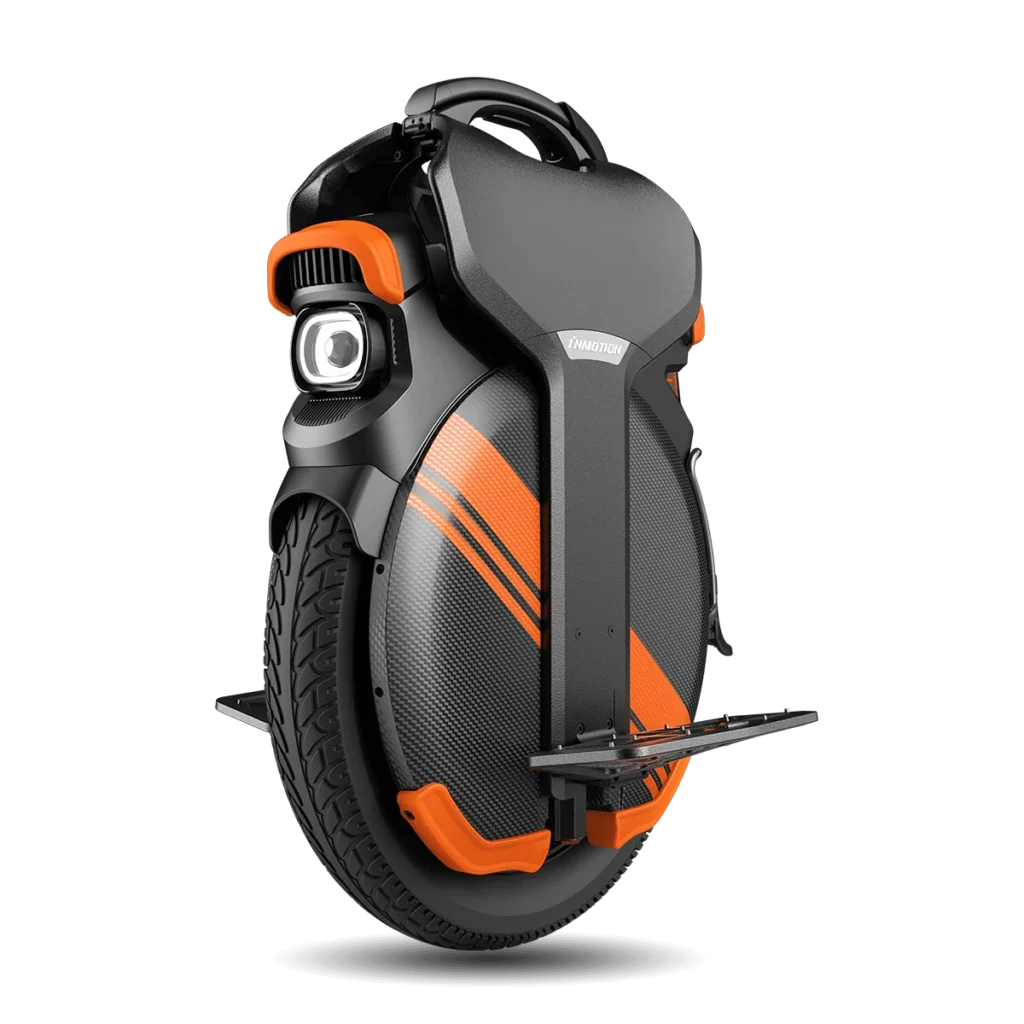
Urban roads are rarely as smooth as promotional photographs suggest. Expansion joints, patched asphalt, rough cycle paths and small surface imperfections can make a stiff scooter tiring over longer journeys. Suspension helps isolate some of these impacts, particularly on models intended for faster or longer rides. The C10, for example, brings suspension into a commuter-focused dual-motor format, while more advanced RS-series scooters use more sophisticated chassis designs for higher-performance riding. Suspension cannot compensate for unsafe speed or severe potholes, but it can improve comfort and control when used appropriately. Tyres also play an important role, so riders should maintain correct pressure and inspect them regularly for damage or unusual wear.
The RS Family Takes Electric Scooters Into a Completely Different Performance Category
INMOTION’s RS models demonstrate how far electric scooters have moved beyond basic urban transport. These machines are designed for experienced enthusiasts who want substantial acceleration, high maximum speeds and more sophisticated chassis behaviour. The RS has been promoted around very high performance, while the RS Jet and RS Lite provide different interpretations of the same performance-oriented concept. At this level, riding demands a much more serious approach. Protective equipment becomes essential, braking distances grow dramatically and road conditions need to be assessed constantly. High-speed scooters should not be treated as casual toys, and riders must respect local legal restrictions that may limit where and how these machines can be used.
INMOTION Offers More Than One Definition of an Electric Scooter
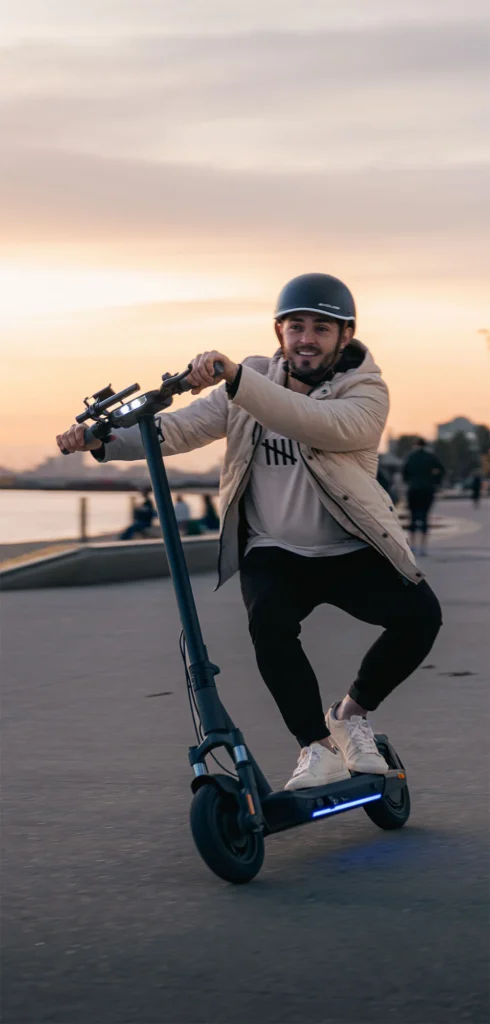
The strength of INMOTION’s scooter collection is that it recognises how different riders can be. A commuter carrying a scooter onto public transport has almost nothing in common with an enthusiast looking at an RS-series machine for high-performance recreational riding. The Climber addresses steep urban routes, the C10 brings dual-motor capability and suspension into a commuter context, while the RS family represents a much more serious performance category. Choosing among them should begin with the route, storage situation, rider experience and local regulations. When those factors are considered first, an electric scooter can become a genuinely useful form of personal mobility rather than simply an impressive specification sheet with wheels.