





Understanding the product range offered by Green Roads helps put everyday shopping decisions in context. Rather than relying on promotional language, a careful comparison focuses on product details, intended use and practical limitations.
Understanding What a Serving Actually Contains
CBD gummies look straightforward, but their packaging can make comparisons unnecessarily difficult. An informed assessment begins with the amount of cannabidiol in each piece rather than the total amount advertised on the container. A jar holding 300 milligrams across 30 gummies provides 10 milligrams per gummy. Another jar containing 750 milligrams across the same number provides 25 milligrams. These are different serving strengths even when the packages appear similar in size. This distinction matters more than colorful branding or a broad description such as extra strength.
The product range at Green Roads includes Relax Berries at several concentrations as well as formulations positioned for different everyday routines. Product names describe a category, not a guarantee that everyone will experience the same result. A person comparing options should read the serving directions, count the pieces and calculate the amount per serving before evaluating convenience or cost. A product with more CBD in the package is not automatically the more appropriate choice. Individual tolerance, intended use and the full ingredient list all influence suitability.
Reading Ingredients and Independent Test Results
A reliable comparison includes the ingredients surrounding the cannabinoid. Sweeteners, flavorings, acids, gelatin and plant-based gelling agents can affect whether a gummy fits a dietary preference. Some formulations also combine CBD with melatonin, vitamins, mushroom extracts or other active ingredients. Those combinations should never be treated as interchangeable with a single-ingredient CBD product. Melatonin in particular may cause drowsiness and requires additional care around driving or other tasks requiring alertness.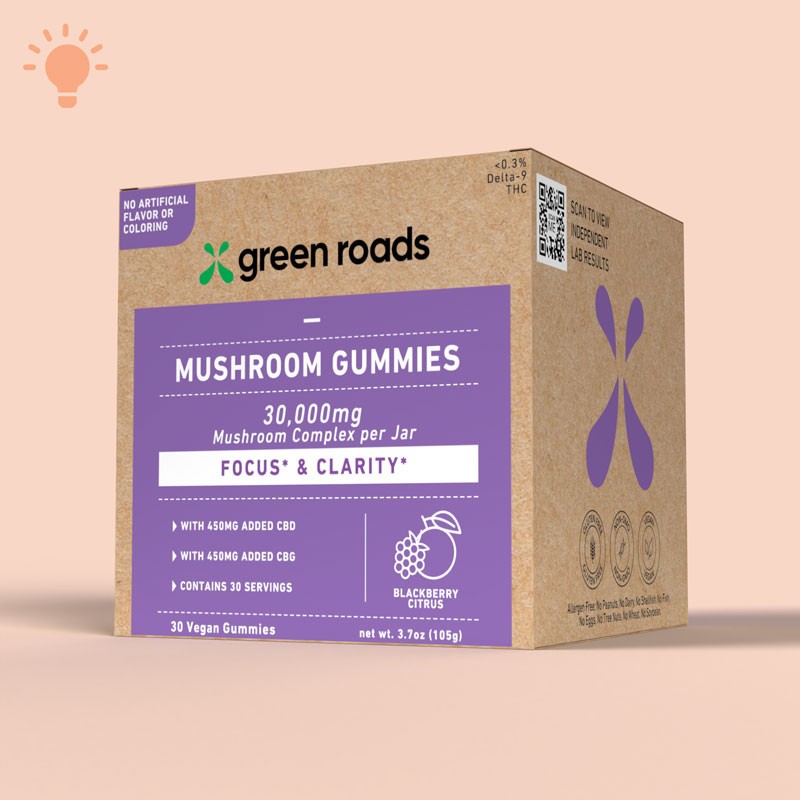
Consumers should look beyond claims printed on a marketing page. Green Roads provides batch-specific laboratory sheets that can be retrieved using product information. A certificate of analysis is useful for checking measured cannabinoid content and the testing reported for contaminants. The exact batch matters because a general brand statement does not substitute for the result associated with the package being purchased. A laboratory report is also not proof that a product treats a medical condition or produces a predictable personal outcome.
A Practical Checklist for Comparing Options
Convenience becomes relevant once the fundamentals are understood. Gummies are preportioned and require no dropper, although they must be stored securely away from children and pets. Their effects can take time to become noticeable, and taking additional servings too quickly can increase unwanted effects, particularly in products containing THC. A careful review therefore includes labeling, storage instructions and the legal rules that apply where the product will be used.
- Compare the amount of CBD per gummy rather than only per container.
- Check whether the formula includes THC, melatonin or other active ingredients.
- Review the full ingredient list for allergens and dietary restrictions.
- Match the batch number to the available third-party laboratory report.
- Follow the labeled serving directions and keep products secured.
Pricing also deserves a consistent basis. Dividing the package price by the total labeled milligrams can provide a rough comparison, but it does not account for ingredient quality, independent testing or serving suitability. Comparing price per serving may be clearer when consumers are deciding between two products with different concentrations.
Keeping the Decision Grounded in Safety
CBD is not risk-free. It can cause adverse effects and interact with medicines, including some prescription treatments. People who are pregnant or breastfeeding should avoid assuming that cannabinoid products are safe, and anyone taking medication should discuss possible interactions with a qualified healthcare professional. CBD products should not be used as substitutes for prescribed treatment.
The most useful role for Green Roads in this comparison is as a concrete example of why labeling details matter. Its range demonstrates that two items sold under the same broad category can vary in strength, formulation and intended routine. Reading those differences carefully is more valuable than choosing whichever package makes the strongest promise.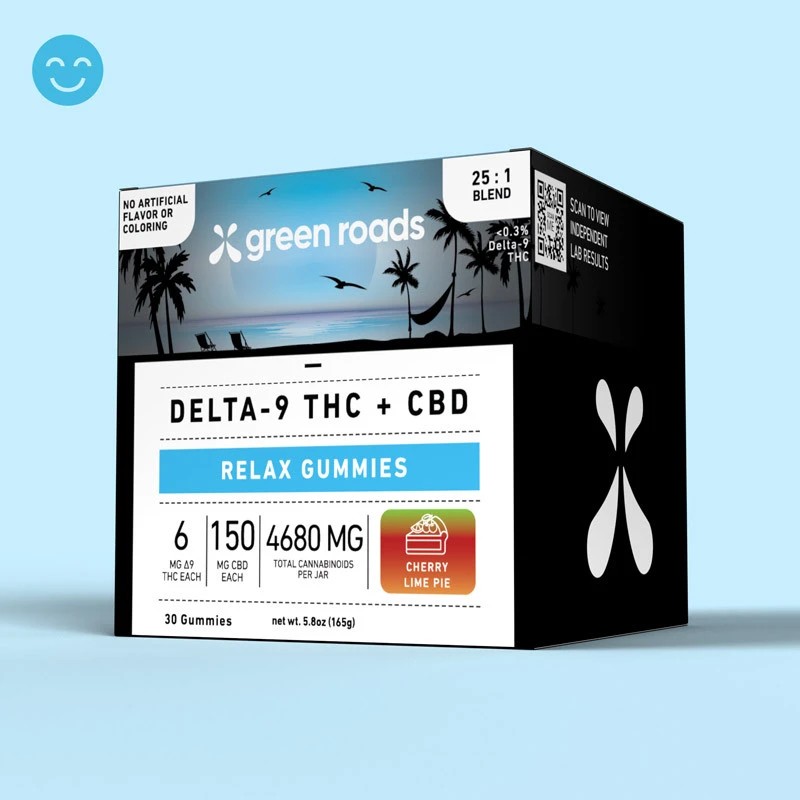
A balanced selection process ends with clear expectations. A gummy can be easy to carry and simple to portion, but that convenience does not establish medical efficacy. Buyers who check contents, testing and responsible-use guidance are better placed to decide whether a product fits their circumstances or whether avoiding CBD altogether is the more appropriate option.
A final comparison should separate product appeal from verifiable details. A gummy that tastes pleasant may be more convenient than a liquid for some adults, but taste is not a measurement of purity or effectiveness. Storage conditions can also alter product quality, particularly when containers are exposed to heat or direct sunlight. A purchaser should inspect the expiration information, seal integrity and instructions before opening a new package. When purchasing for someone else, the safest assumption is not that a wellness product is appropriate as a gift. Health circumstances and medication use may be unknown, making an ordinary non-ingestible present a better option. Retailer policies and local law can differ, so shipping eligibility should be checked separately from any marketing description. It is especially important not to equate hemp-derived with harmless. Green Roads provides enough variety to make these questions worthwhile, but the decision remains personal and requires independent judgment. Clear understanding of contents and limitations helps shoppers avoid both exaggerated expectations and unnecessary purchases. A reliable habit is to record the exact product and batch details for future reference rather than remembering only the container color or flavor.