




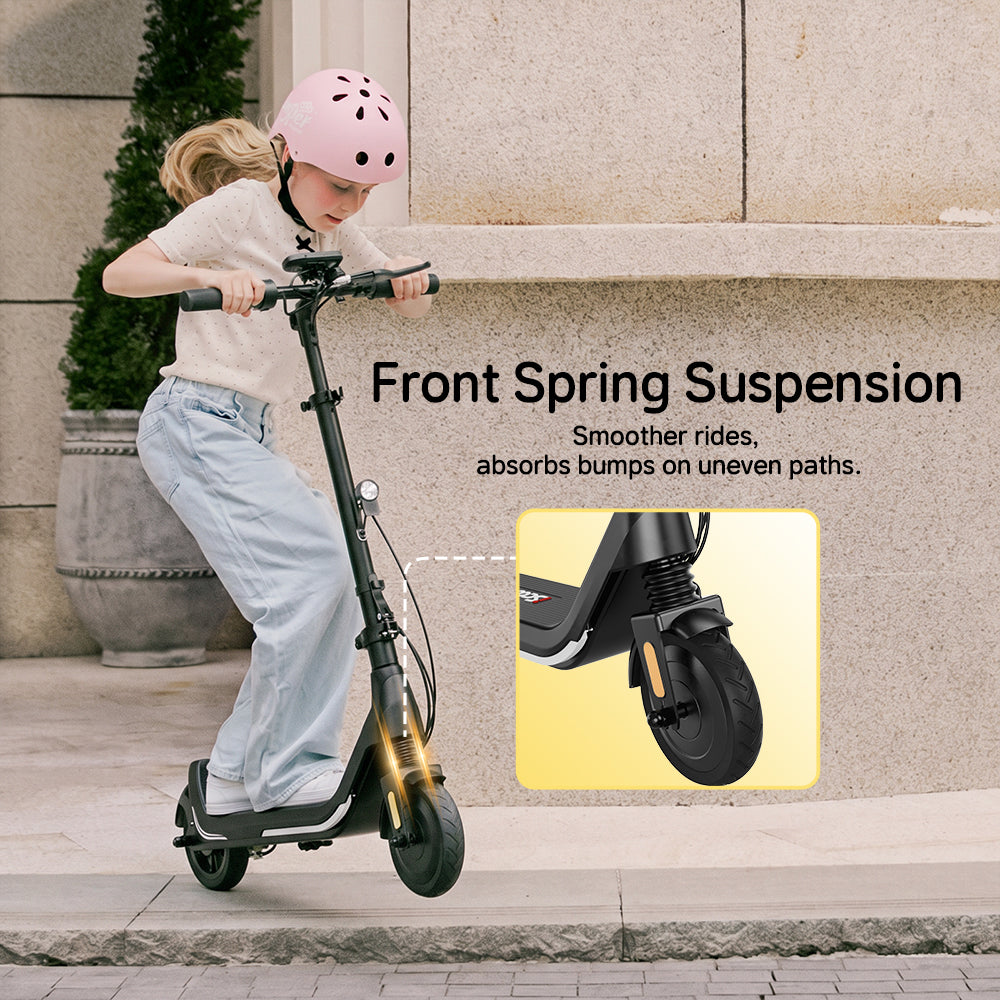
Electric scooters are rarely built to do everything at once, and the way a product range is organised often says as much about intended use as the spec sheet does. iscooterglobal.co.uk splits its scooter lineup into two broad groups, one aimed at daily city travel and another built for rougher ground, with a few premium and moped-style models sitting apart from both. Looking at how these groups differ in motor output, tyre design, and suspension helps explain why a scooter suited to a paved commute is rarely the same machine suited to a muddy trail.
The Urban Commuter Line: i8, i9, i9Max, and i10Plus
The i8, i9, i9Max, and i10Plus sit together as the commuter-focused side of the range, pitched at replacing short car trips, bus rides, or train journeys through a city. The i9Max is described as carrying a 500W motor with a high-capacity battery giving up to 40km of range on a single charge, along with improved hill-climbing response compared to the prior generation. The i10Plus is listed with an 800W motor, positioning it as the more capable option among the commuter group for riders wanting extra headroom in power. Across this group, the shared theme is a lighter, foldable build intended for pavements, bike lanes, and short urban hops rather than loose or uneven surfaces.
Off-Road Powerhouses: iX3, iX4, iF1, and iX5S
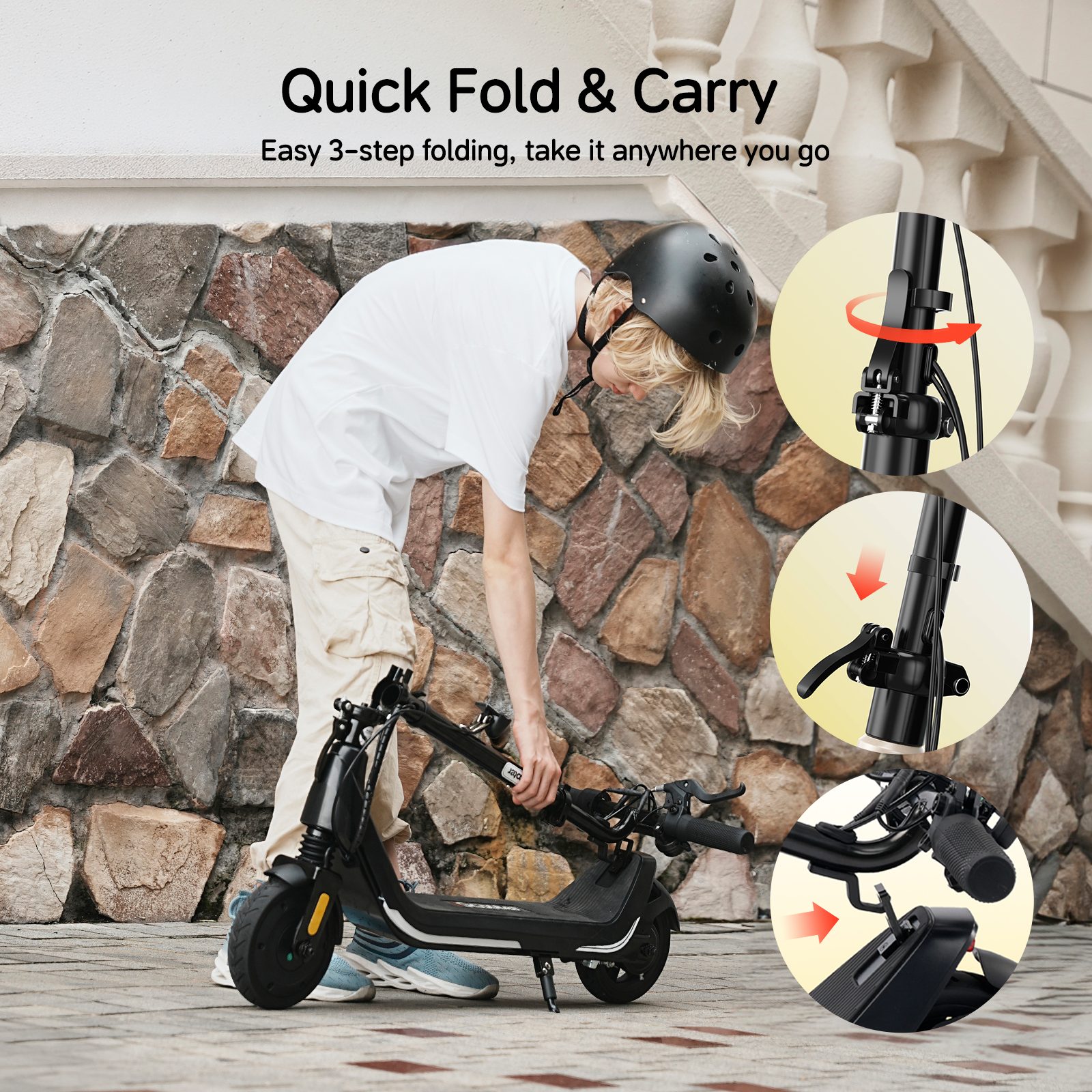
The iX3, iX4, iF1, and iX5S form the off-road side of iscooterglobal.co.uk‘s scooter catalogue, and each is described with details that point toward tougher terrain rather than city pavement. The iX3 is listed with an 800W motor, an aluminium alloy frame, a high-capacity lithium battery offering up to 40km of range, and a front and rear shock absorption system intended to handle muddy trails and rocky paths. The iX4 is described with app control, widened footboards, ergonomic grips, and auto-grade pneumatic off-road tyres, alongside a lighting system for daily cruising. The iF1 is listed as a 1200W all-terrain model, while the iX5S carries a 1000W motor and is described as offering long-distance off-road terrain capability. Together these four models represent the heavier-duty, higher-wattage end of the scooter range, built with wider tyres and absorption systems not found on the commuter line.
Premium and Moped-Style Options: iX7Pro, F7Ultra, DX5, DX5Pro, and W12
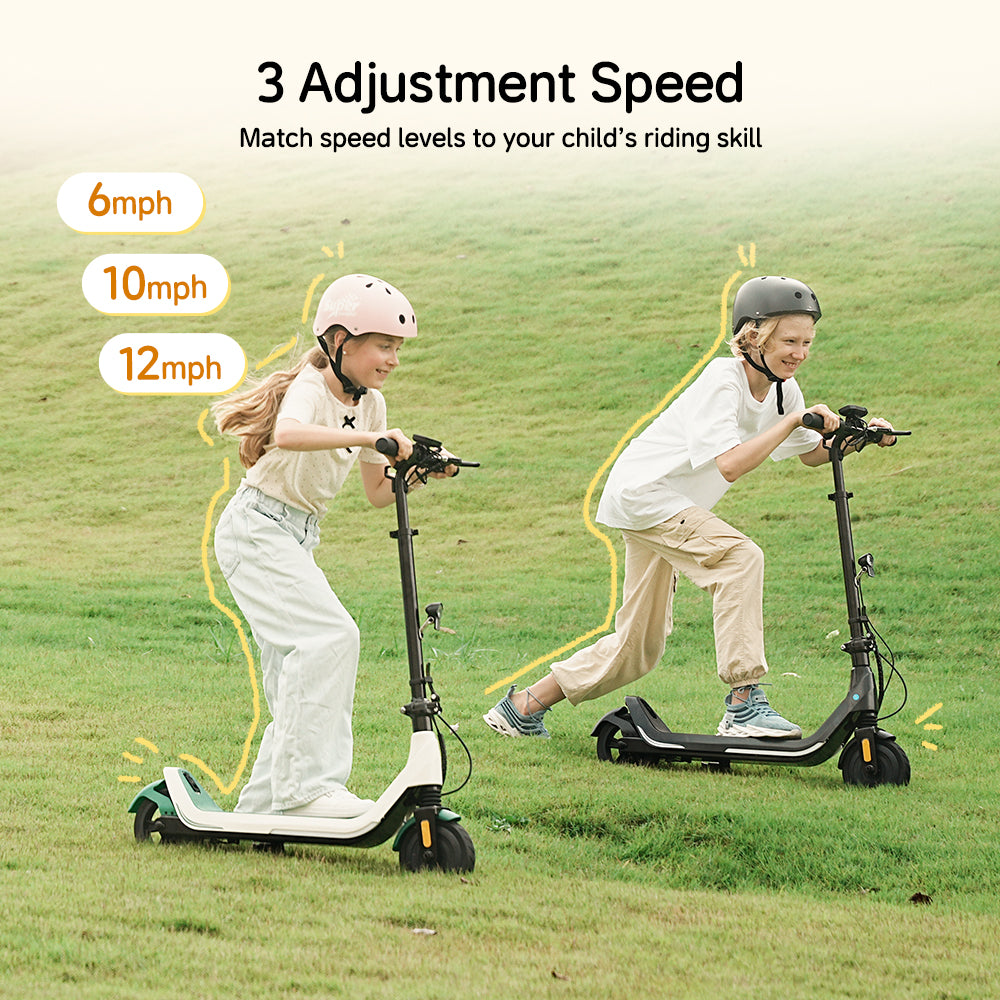
Beyond the commuter and off-road groupings, iscooterglobal.co.uk lists a set of models that sit apart in format or power, including the iX7Pro, F7Ultra, DX5, DX5Pro, and W12. The iX7Pro is listed with a 2000W motor, among the highest-output figures in the catalogue. The F7Ultra is described with the tagline “From City Streets to Rough Terrain,” suggesting a design meant to bridge both the paved and unpaved use cases covered by the two main groups. The DX5Pro and DX5 take a different format entirely, built as moped-style electric scooters with a seat and a large basket; the DX5Pro is listed with a 2000W motor and a range of up to 62 miles (100km), aimed at longer commutes where standing the whole way is less practical. The W12 rounds out this group as a further option within the same premium bracket, described with a focus on smooth travel.
Motor Power and Range Differences Across the Range
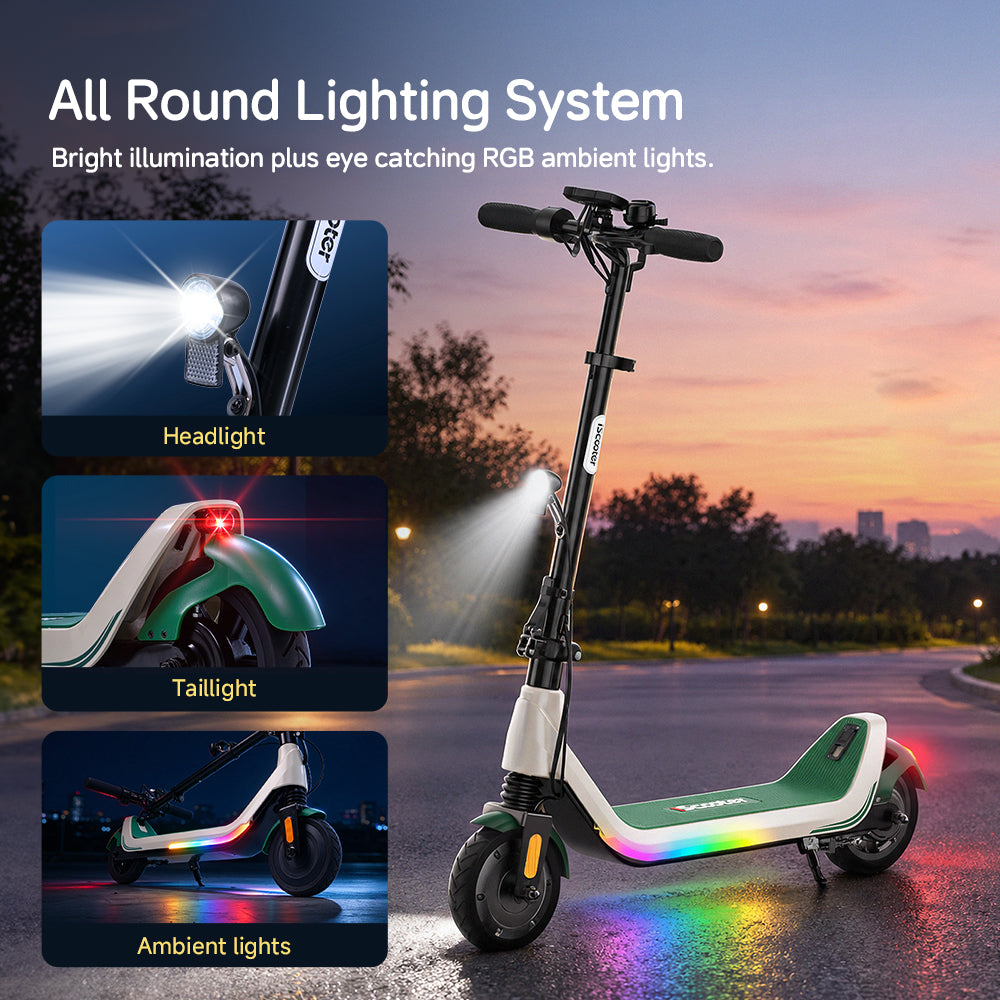
Comparing wattage figures across the catalogue shows a clear spread between the commuter and off-road groups, even without reference to pricing. The i9Max’s 500W motor and 40km range sit at the lower end of the power scale, while the i10Plus steps up to 800W. On the off-road side, the iX3 matches the i10Plus at 800W but pairs it with a reinforced frame and shock absorption, and the iF1 pushes further to 1200W. The iX7Pro’s 2000W figure, shared with the DX5Pro, marks the top of the documented range, showing that motor output alone does not separate commuter from off-road models as cleanly as tyre and suspension design do.
Real-World Terrain Performance: City Streets Versus Rough Terrain
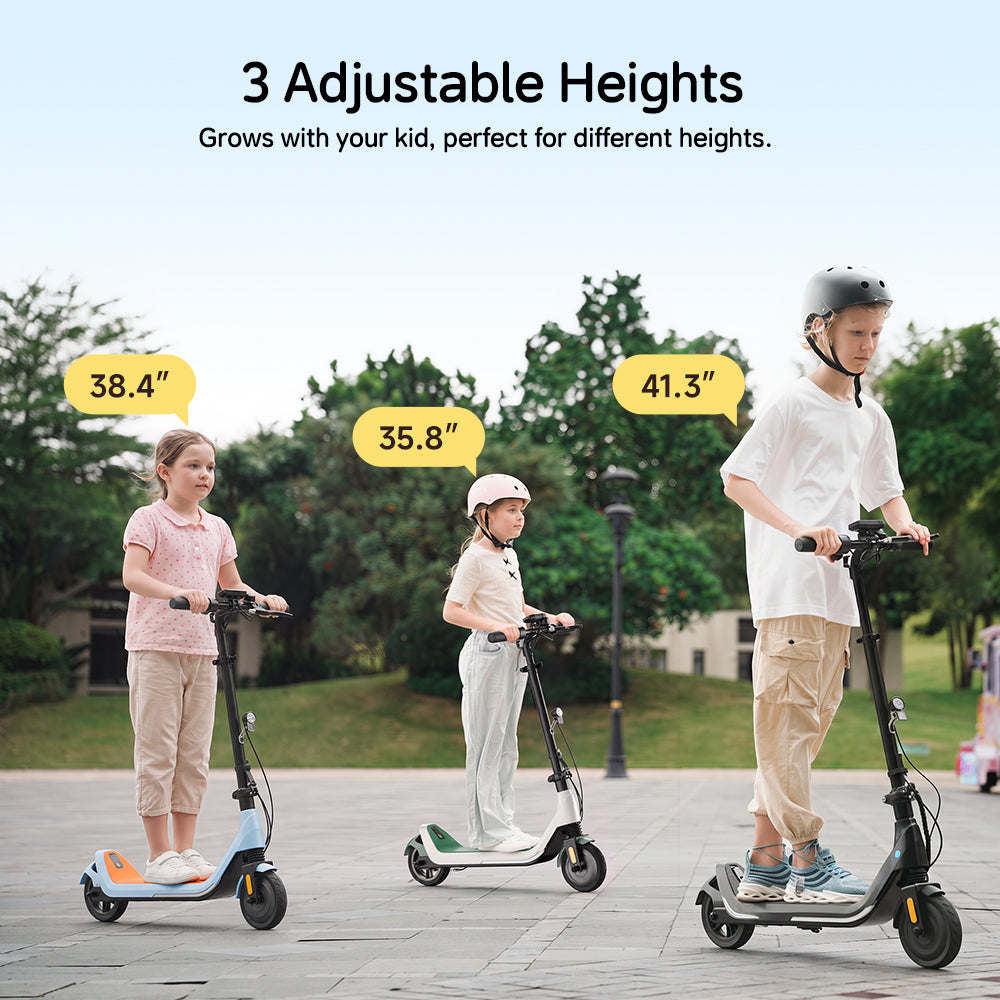
Terrain is where the practical difference between these two groups becomes most visible, based on how iscooterglobal.co.uk describes each model. The commuter line, including the i8 and i9, is framed around skipping crowded buses and delayed trains, language that points squarely at paved city routes. The off-road group is described in terms of muddy trails, rocky paths, and all-terrain capability, with the iX4 specifically called out for auto-grade pneumatic tyres suited to varied surfaces. The F7Ultra’s description bridges both worlds explicitly, naming city streets and rough terrain in the same line, which marks it apart from models built with a single environment in mind. This terrain-first framing, rather than wattage alone, is what the product names and descriptions use to separate the two main groups.
- The i9Max carries a 500W motor paired with up to 40km of range on a single charge.
- The iX3 pairs an 800W motor with a front and rear shock absorption system built for muddy trails and rocky paths.
- The iX4 is fitted with auto-grade pneumatic off-road tyres alongside widened footboards and ergonomic grips.
- The iF1 is listed as a 1200W all-terrain model built for extended distance.
- The DX5Pro offers a moped-style format with a seat, a large basket, a 2000W motor, and a range of up to 62 miles (100km).
Across both groups, iscooterglobal.co.uk lists free UK delivery, a warranty of up to 24 months depending on the product category, and UK-based support, details that apply regardless of which scooter group a model falls into. The commuter and off-road distinctions sit on top of that shared baseline rather than replacing it, since both the i8 and the iX5S, for instance, are covered by the same delivery and support terms even though their tyres, motors, and intended surfaces differ substantially.
What separates the two groups, in the end, is less about brand positioning and more about tyre design, suspension, and motor headroom suited to a specific surface, whether that surface is a smooth pavement or a muddy trail.