




A loaded roof rack that twists under its own cargo, a recovery strap with no rated anchor point, a front bar that will not line up with factory sensor wiring. These are the kinds of 4×4 accessory setup mistakes that surface only once a vehicle is already loaded and on a trail far from help. Suspension, recovery gear, front protection, roof racks, canopies, and interior fittings all interact with one another, and getting one piece wrong can undermine the rest. Arb4x4 has built its range over decades of supplying 4×4 accessories and equipment, and that range offers a useful lens for spotting where owners typically go wrong.
Mismatching Suspension Systems with Vehicle Load Requirements
One of the most common 4×4 accessory setup mistakes starts with suspension choice. Owners often fit a kit based on looks or ride height alone, without accounting for the actual load the vehicle will carry once canopies, drawers, and recovery gear are added. A suspension system has to match the combined weight of the vehicle plus its accessories, not just the factory spec sheet.
Arb4x4 continues the Old Man Emu (OME) suspension business, a range it took on and has developed further, including the OME MT64 shock absorber described as an all-round option. Pairing a suspension kit with the rest of a build, rather than selecting it in isolation, is one way owners avoid overloading a setup before it ever leaves the driveway.
Recovery Gear Selection Errors and Why ARB Premium Recovery Kits Address Them
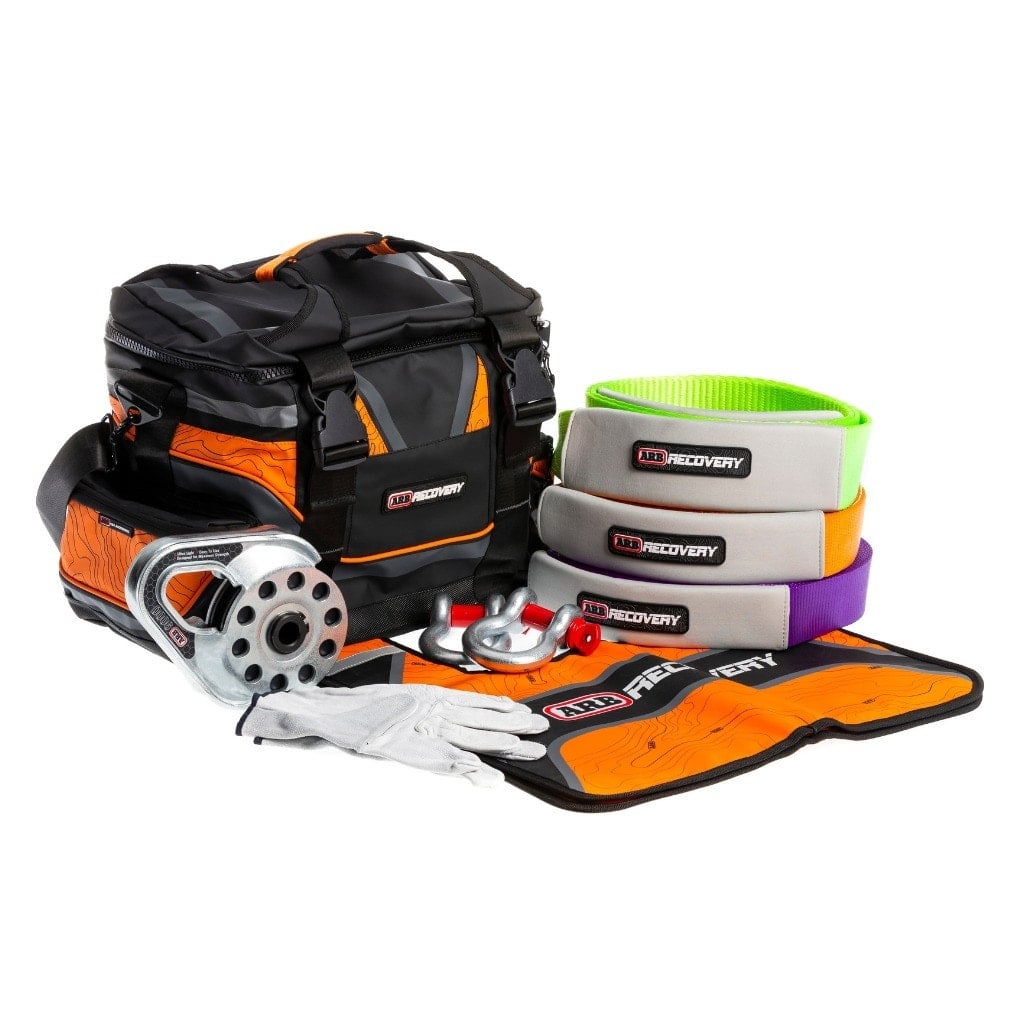
Recovery equipment is another area where gaps show up quickly. Some owners buy a snatch strap and nothing else, assuming that covers every recovery scenario, when shackles, rated recovery points, and gloves all play a role too. Incomplete kits are a recurring theme among 4×4 accessory setup mistakes reported by people who only discover the gap when stuck.
Arb4x4 offers a Premium Recovery Kit as a bundled option, grouping several recovery components together rather than leaving buyers to assemble pieces individually. Bundled kits like this reduce the chance of missing a component that matters in a real recovery situation. The brand also develops its own range of 4WD recovery gear rather than simply reselling third-party parts.
Front Bar and Bumper Compatibility Mistakes Across Vehicle Models
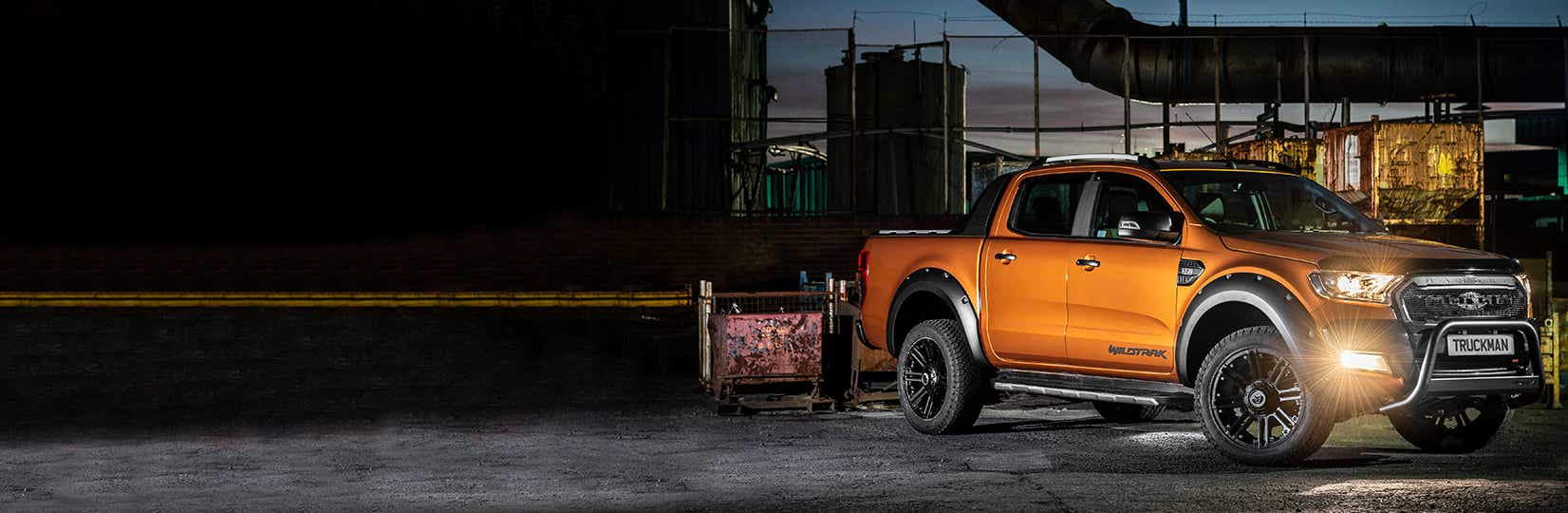
Front bars are not interchangeable across vehicle generations, yet it is common to see owners attempt to fit a bar designed for one model year onto a newer or older chassis. Arb4x4 lists front bar options such as the SmartBar StealthBar for specific Ford Ranger and Toyota Hilux generations, alongside Sahara and Deluxe bumper styles for other platforms. Each is built for a defined vehicle and cab configuration.
Fitting the wrong bar variant can affect how sensors, fog lights, or mounting points line up. The range spans from sleeker Sahara-style bars to more functional Commercial bumpers, which signals that bar selection should follow the vehicle’s actual model and trim, not a generic assumption about what fits. Under-vehicle protection kits follow the same logic, since skid plates and underbody panels are also built around a specific model and cab length.
Roof Rack and Canopy Integration: Common Installation Oversights
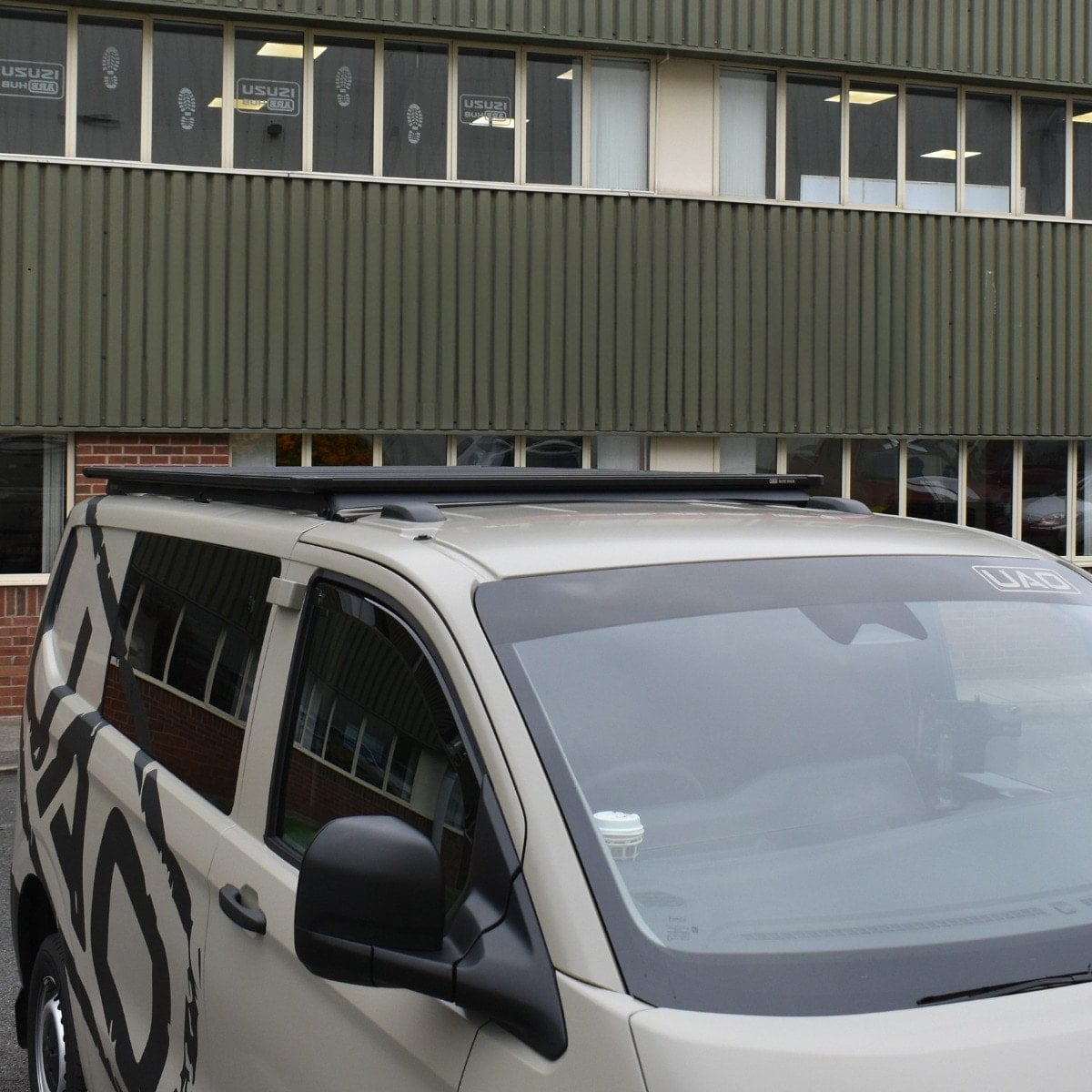
Roof racks and canopies are frequently bought as separate decisions, which is itself one of the more overlooked 4×4 accessory setup mistakes. A rack chosen without checking canopy compatibility can leave mounting points misaligned or weight ratings mismatched between the two systems. Arb4x4 lists a BASE Rack system alongside its hardtop canopy range, including the Ascent and SportLid lines, as products meant to be considered together rather than bolted on independently.
Canopies also vary by storage configuration and by how they integrate with drawer systems already fitted inside the vehicle. Overlooking that integration step is a common reason owners end up reworking a roof or rear setup soon after installing it.
Interior Protection Failures: Floor Mats and Seat Covers in High-Use Environments
Interior protection is often treated as an afterthought compared with suspension or recovery gear, yet high-use environments punish interior fittings just as hard. Arb4x4 produces floor mat sets built for specific models, such as its front and rear sets for the FJ Cruiser, Land Cruiser LC250, and GQ Patrol, rather than a one-size-fits-all mat. A mat designed for the wrong floor pan can shift, trap debris, or fail to seal around pedals properly.
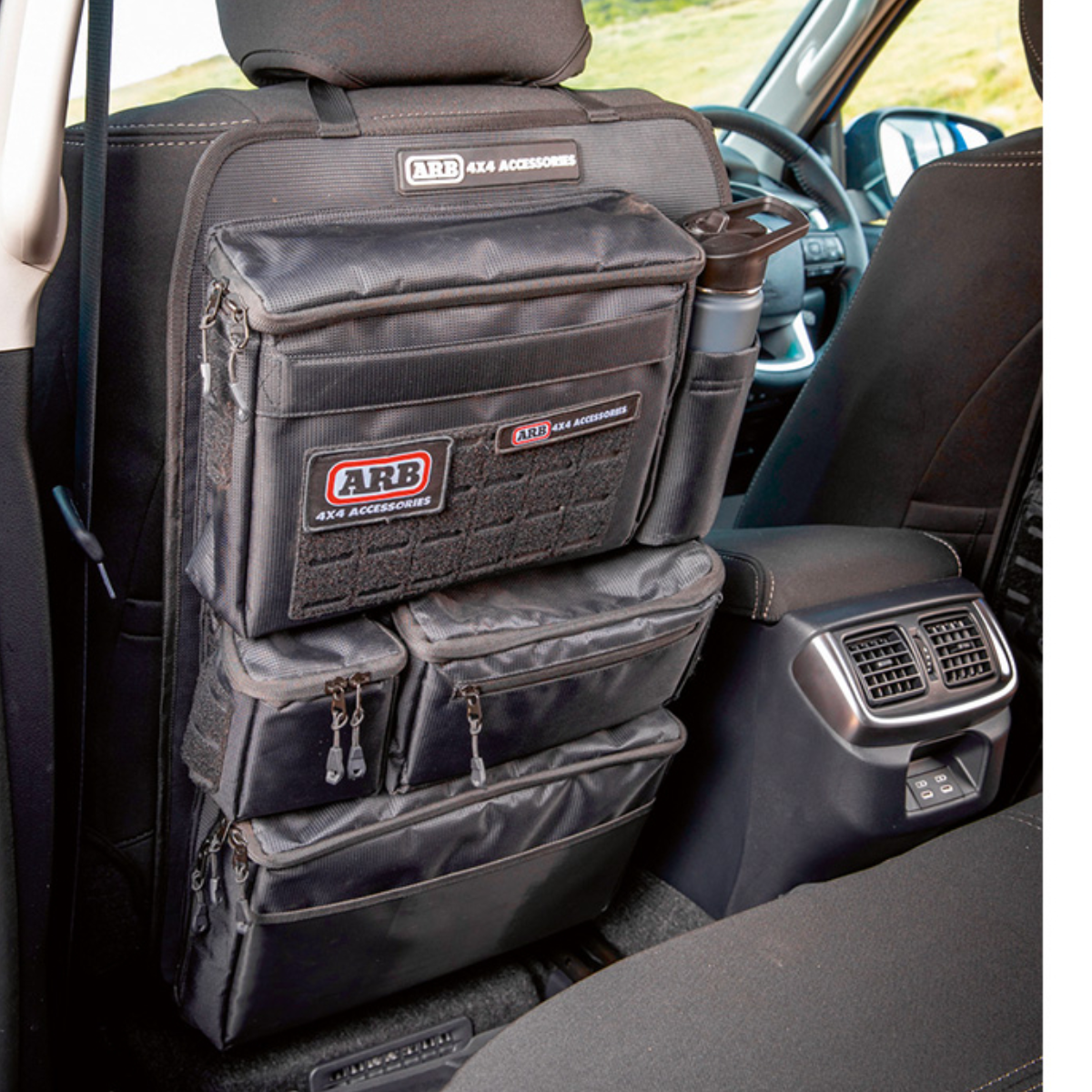
The brand’s Seat Organiser is another interior item aimed at keeping loose gear contained rather than sliding around the cabin. Treating interior protection as a planned part of the build, alongside suspension and recovery choices, helps avoid some of the smaller but persistent 4×4 accessory setup mistakes that wear a vehicle down over repeated trips.
Over-Engineering Versus Practical 4×4 Accessory Layering
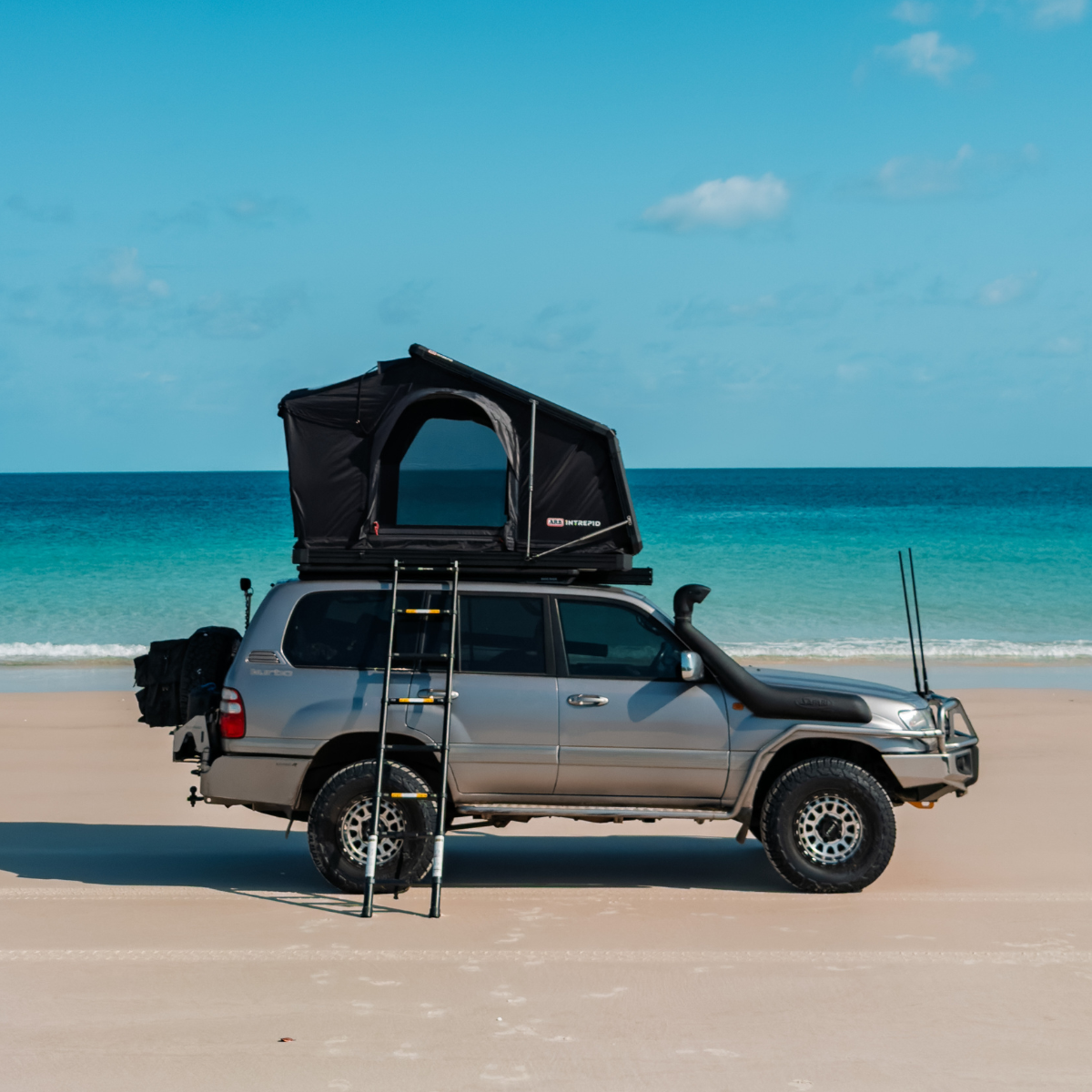
Arb4x4 states that its design philosophy favours products that are over-engineered and built to integrate easily together, rather than treating each accessory as an isolated purchase. That philosophy points to a practical layering approach, where suspension, recovery gear, front protection, and interior fittings are chosen as a connected system instead of a pile of individual add-ons. Skipping that step is where many setup mistakes start in the first place.
- Suspension kits, including the Old Man Emu range, are built to work with the added weight of other fitted accessories.
- Recovery equipment is offered as bundled kits rather than single isolated items.
- Front protection systems such as bull bars and bumpers are matched to specific vehicle models and cab configurations.
- Roof racks are designed to pair with the brand’s canopy range for aligned mounting and storage.
- Canopies come in configurations meant to integrate with existing drawer systems.
- Interior protection items, including floor mats and seat organisers, are built for specific vehicle interiors rather than generic fitment.
Outfitting a vehicle well comes down to treating every accessory as part of one connected system, not a list of separate purchases.