




Power outages, remote work, and outdoor trips have pushed portable power stations into the mainstream of home and travel electronics. These rechargeable units store electricity and release it on demand, and when paired with solar panels they are often called solar generators, a pairing that lets sunlight replace a wall outlet as the charging source. Bluettipower operates in this growing category, offering several product lines built around different capacities and use cases.
The Basics of Battery Backup and Solar Generators
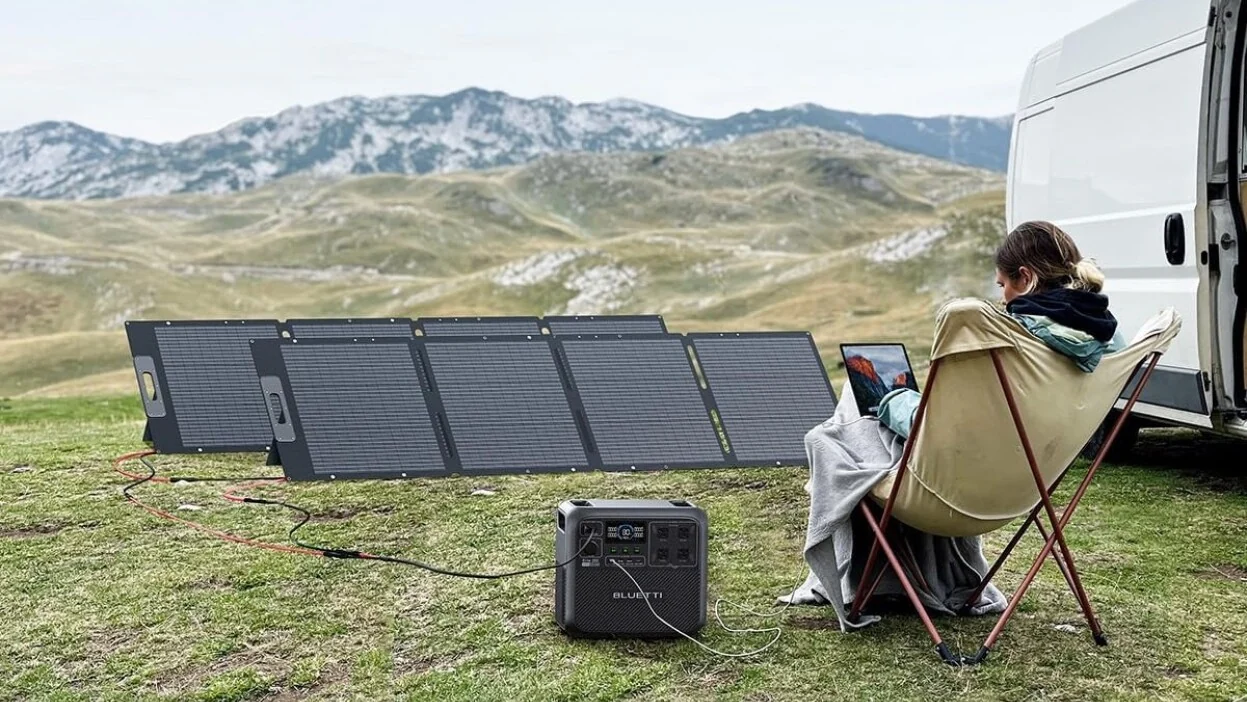
A portable power station is a rechargeable battery pack housed in a hard case, fitted with multiple outlets so it can run household or outdoor devices. Instead of burning fuel, a solar generator draws energy from sunlight and stores it in that same battery for later use. This distinction matters because it separates battery-based backup from traditional combustion generators.
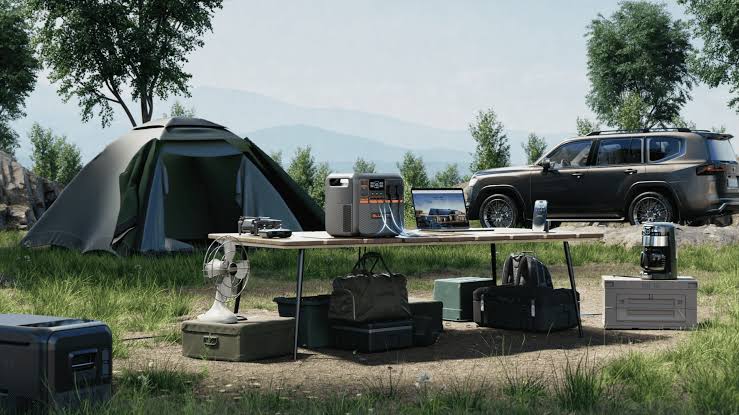
These systems run quietly and produce no exhaust indoors, which sets them apart from gas generators. They can be recharged from a wall outlet, a car’s 12V socket, or solar panels, giving them flexibility a fuel-based generator cannot match. That versatility is a major reason stations have become common for emergency backup, van living, and remote fieldwork.
Bluettipower’s Core Product Lines: Elite and Apex Series
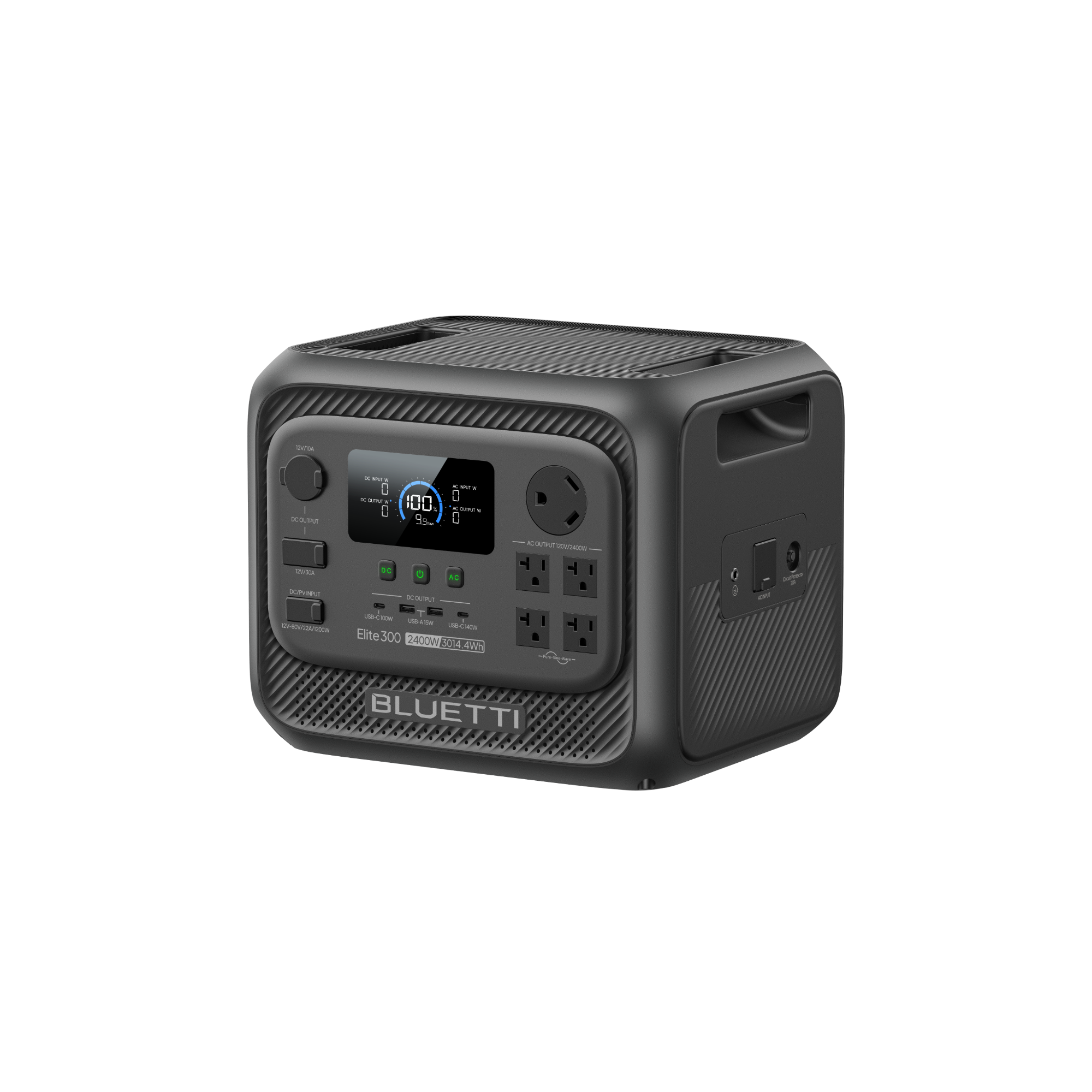
Bluettipower organizes its lineup around two main series, Elite and Apex. The Elite series covers compact, carry-anywhere units such as the Elite 30 mini, Elite 100 V2, Elite 200 V2, Elite 300, and Elite 400, each built for personal and travel use. The Apex series, including the Apex 300 and the upcoming Apex 200, is positioned around home backup and expandable off-grid power, often bundled with solar panels or additional battery modules.
Across both series, capacities and outputs vary widely, from a few hundred watt-hours up to several kilowatt-hours when battery modules are stacked together. This spread lets the catalog address needs ranging from charging a laptop on the go to keeping a refrigerator and other essentials running during an outage.
The Elite Series: Compact and Everyday Portability
The Elite 30 mini is the smallest unit in the lineup, weighing 7.3 lbs (3.3kg) with a 288Wh capacity and 300W output. It includes a built-in 140W retractable USB-C cable with two-way charging, seven ports total, and a built-in LED emergency light. Bluettipower lists five charging options for this unit, including AC, solar, the 140W USB-C cable, car charging, and an optional charger expansion, along with pass-through charging that reaches 80% in 46 minutes.
The Elite 100 V2 sits a step up, described as featuring 1,000W MPPT solar input and a full charge in 70 minutes, plus 1,200W AC TurboBoost charging that reaches 80% in 45 minutes. It weighs around 25lbs in a 17L design with a hidden handle, aimed at travel, camping, and emergency scenarios. Larger Elite models, such as the Elite 300 and Elite 400, move toward RV and home-reliability use while still remaining portable power stations rather than fixed installations.
The Apex Series: Scalable Home Backup and Off-Grid Power
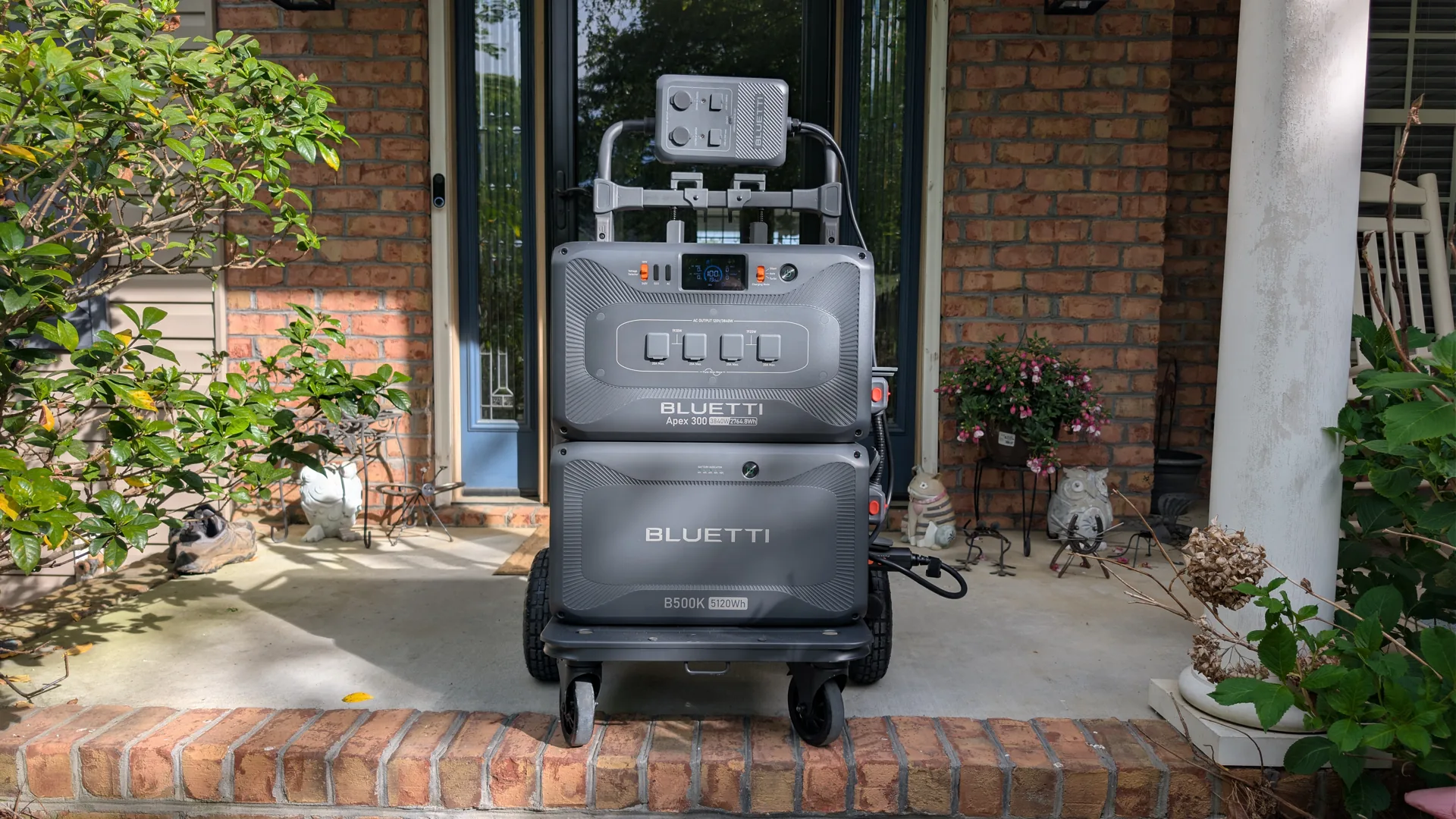
The Apex 300 is described as a way to start simple and expand power capacity over time. Configurations list output and capacity figures such as 3,840W with 2,764.8Wh, and expandable setups reaching 5,529.6Wh or 8,294.4Wh when additional battery modules like the B300K or B500K are added. Some bundles also include solar input ratings of 350W or 500W, depending on the configuration chosen.
For larger setups, the catalog lists configurations combining two Apex 300 units with battery modules and a hub, reaching figures as high as 7,680W output and 11,059.2Wh of stored capacity. This modular structure is what the brand points to when describing the Apex series as built to grow alongside changing energy needs, rather than being sold as a single fixed unit.
Key Features That Define Modern Portable Power Stations
Beyond raw capacity, several shared features appear across the Bluettipower catalog. LiFePO₄ battery chemistry is referenced for Apex configurations, and the Elite 30 mini is rated for over 6,000 charge cycles. UPS switching under 10ms is also listed for that unit, along with app-based monitoring of battery and operating status.
Multiple charging paths matter just as much as capacity figures when comparing stations. AC wall charging, solar input, car charging, and USB-C options all give these units flexibility depending on where they are used. The list below outlines the specifications most relevant to anyone comparing options in this category.
- Capacity, measured in watt-hours (Wh), indicates how much energy a unit can store before needing a recharge.
- Output power, measured in watts (W), determines how many and how demanding the devices are that can run at once.
- Charging methods vary by model, with options such as AC, solar, car, and USB-C input appearing across the range.
- The number of ports affects how many devices can be connected simultaneously, with the Elite 30 mini offering seven ports.
- Battery cycle life, such as the 6,000+ cycles rated for the Elite 30 mini, reflects how many charge and discharge cycles a unit is built to handle over its lifespan.
Where Bluettipower Sits Among Energy Storage Solutions
Bluettipower describes itself as covering 120+ countries and regions, with 30 subsidiaries, 22 global service stations, and a reported 3.5M trusted global users. The brand also cites 847 patents and a manufacturing base exceeding 130,000 square meters, figures it uses to position itself within the broader clean energy storage market. These numbers place the company among the more established names building both portable power stations and expandable home battery systems.
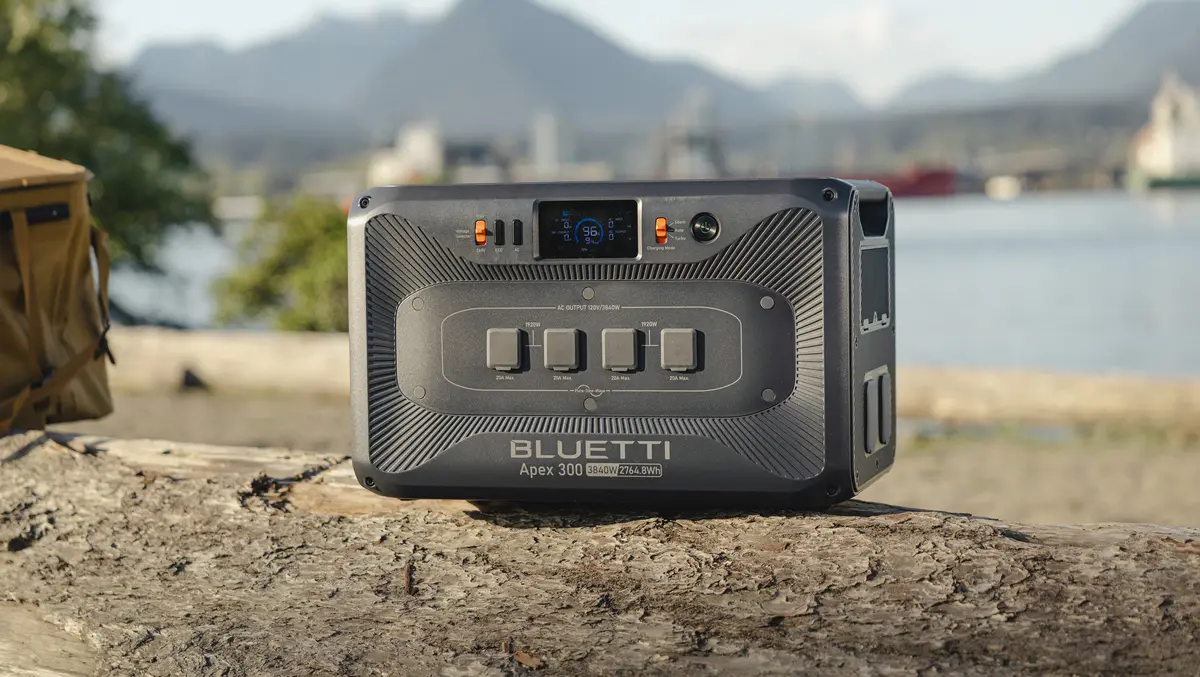
Within that market, the structure of compact Elite units and scalable Apex systems lets the catalog address both everyday portability and larger backup needs under one umbrella. Shoppers comparing solar generators and battery backup options can use the capacity, output, charging method, port count, and cycle life figures above as a starting framework for evaluating any unit, including those from this lineup.
As more households and travelers look for cleaner backup power, the line between compact portable power stations and scalable home battery systems will likely keep shaping how catalogs in this category are built.