




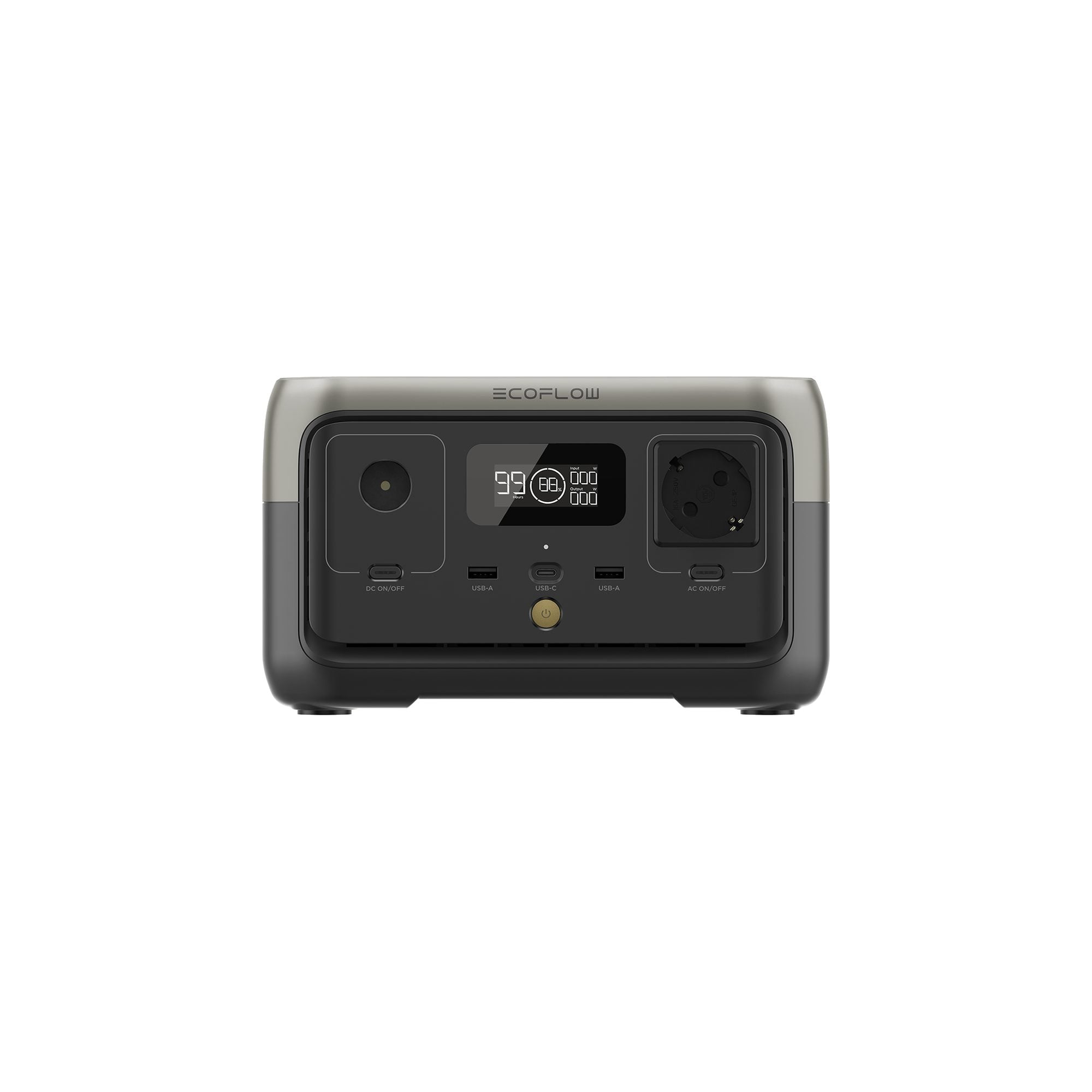
Portable power stations have moved from niche camping gear to a mainstream backup solution, and with that popularity comes a lot of loose talk. Many portable powerstation myths circulate online about charging, capacity, and lifespan, often repeated so often they start to sound like fact. This article looks at what actually holds up, using what Ecoflow states about its own DELTA and RIVER lines as a reference point.
Myth: Portable Powerstations Lose Charge Instantly Without Use
A common assumption is that a stored power station drains within days, leaving it useless when actually needed. That belief misreads how lithium battery chemistry behaves at rest, since self-discharge happens slowly over weeks and months rather than overnight in modern lithium-based units. It is one of the most repeated portable powerstation myths precisely because it sounds plausible on the surface.
Ecoflow‘s LFP-based models are built around this chemistry specifically because it holds charge more steadily over time. That doesn’t mean a unit can be ignored indefinitely, but the idea that it empties itself within a day or two simply doesn’t match how these batteries are designed to behave.
Myth: All Powerstations Charge at the Same Speed
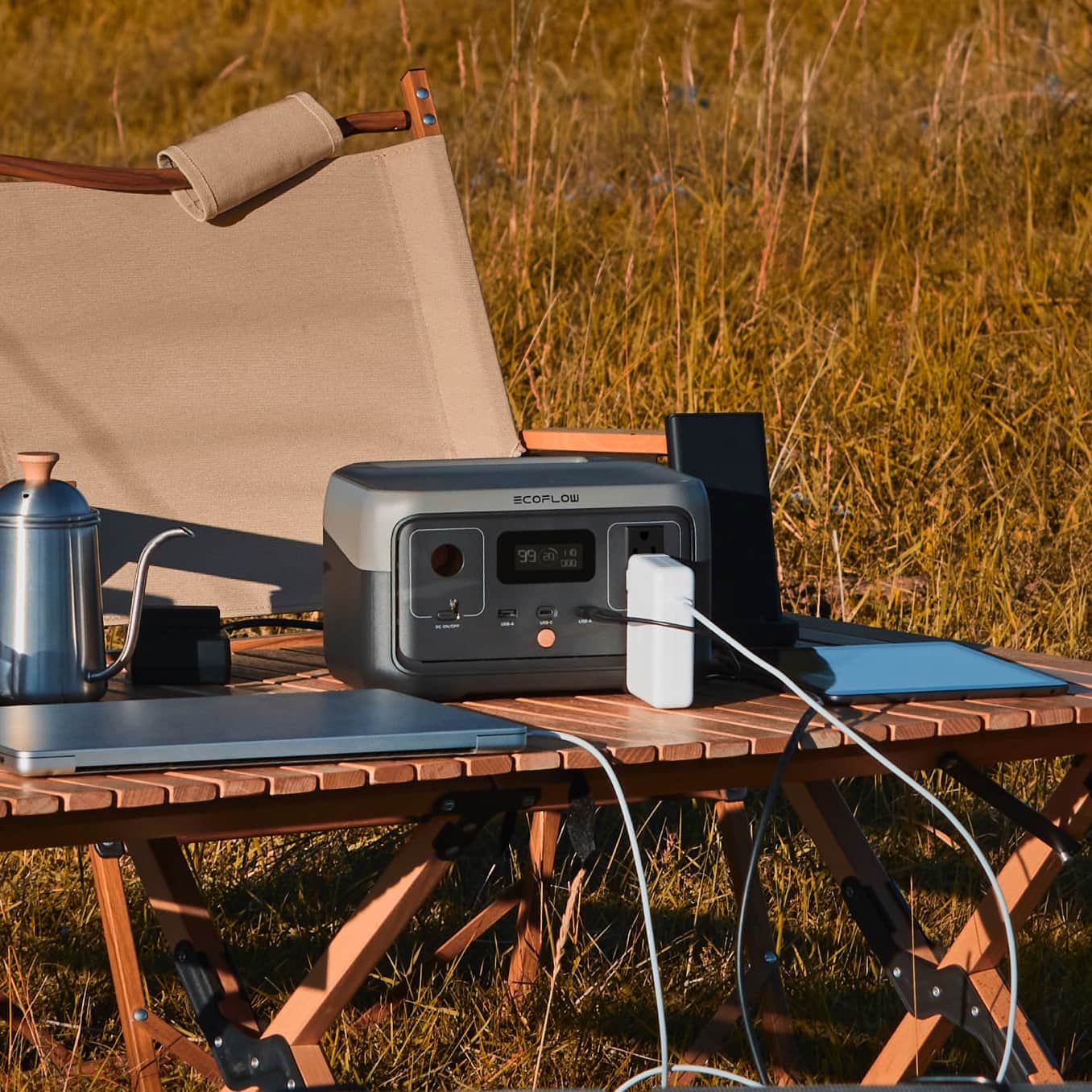
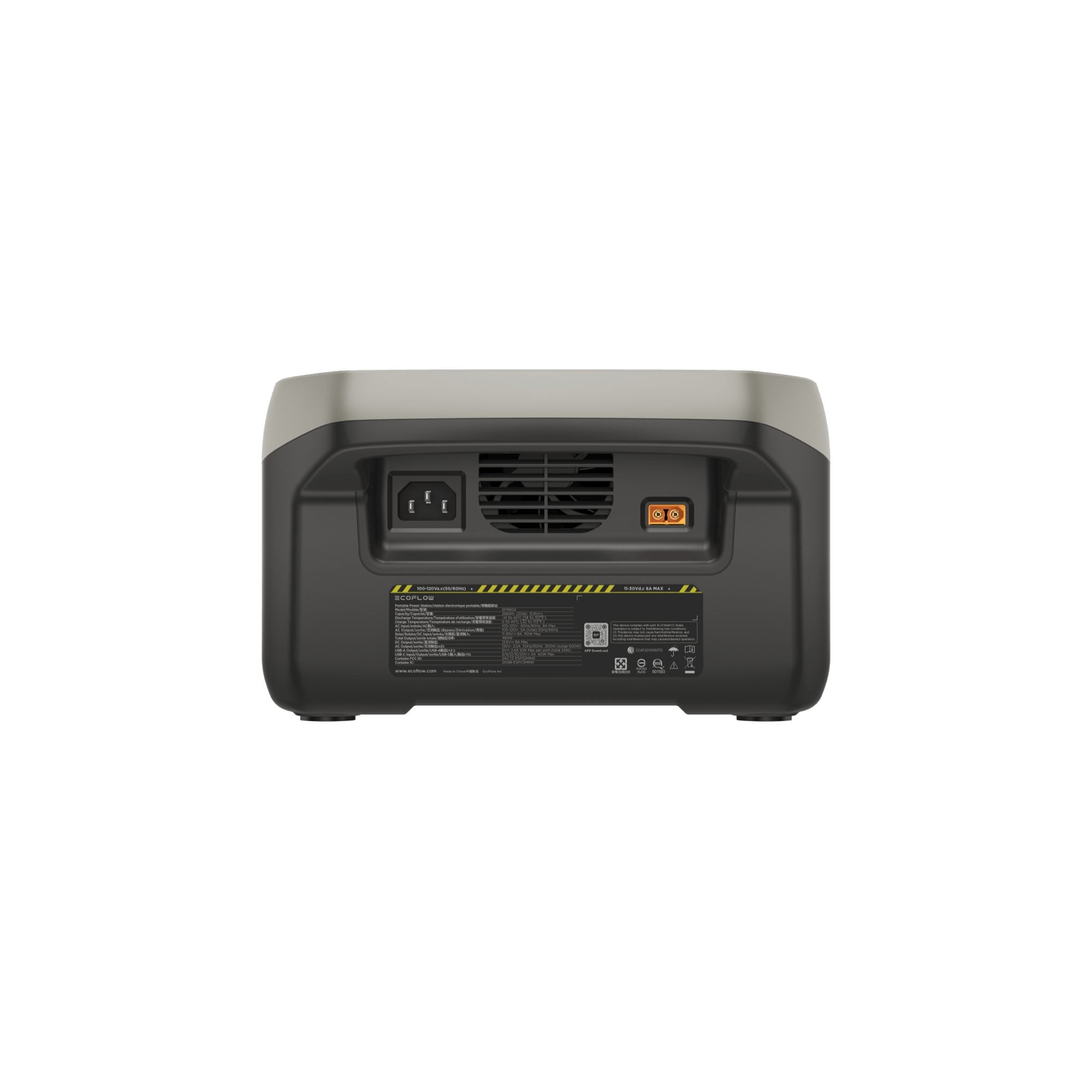
Charging speed is often treated as a fixed trait of the category, as if one power station charges the same as any other. In reality, charging times vary significantly between models and methods. The Ecoflow RIVER 2, for example, is stated to charge from 0 to 100% in just 60 minutes, described as 70% faster than the industry standard.
The Ecoflow DELTA 3 Classic charges from 0 to 80% in 45 minutes using AC charging, reaching full charge in 60 minutes. The DELTA 3 Max Plus offers multiple charging paths, including grid power, solar, alternator, and a smart generator. Assuming every unit charges at the same rate ignores these documented differences between product lines.
Myth: A Powerstation Can Run Any High-Wattage Appliance Simultaneously
Another widespread belief is that a single power station can run every household appliance at once without limits. Output capacity is finite, and each model has a stated ceiling. The DELTA 3 Classic delivers 1,800 W of continuous output with 3,600 W peak, and its X-Boost mode supports devices up to 2,400 W.
The DELTA 3 Max Plus steps that up to 3,000 W AC output with 6,000 W peak, and it is described as able to run a microwave, kettle, refrigerator, and blender together. That is still a defined limit, not an unlimited supply. Treating any model as capable of powering an entire home’s appliances at once overstates what the specifications actually support.
The Reality of Battery Degradation in Modern LFP Powerstations
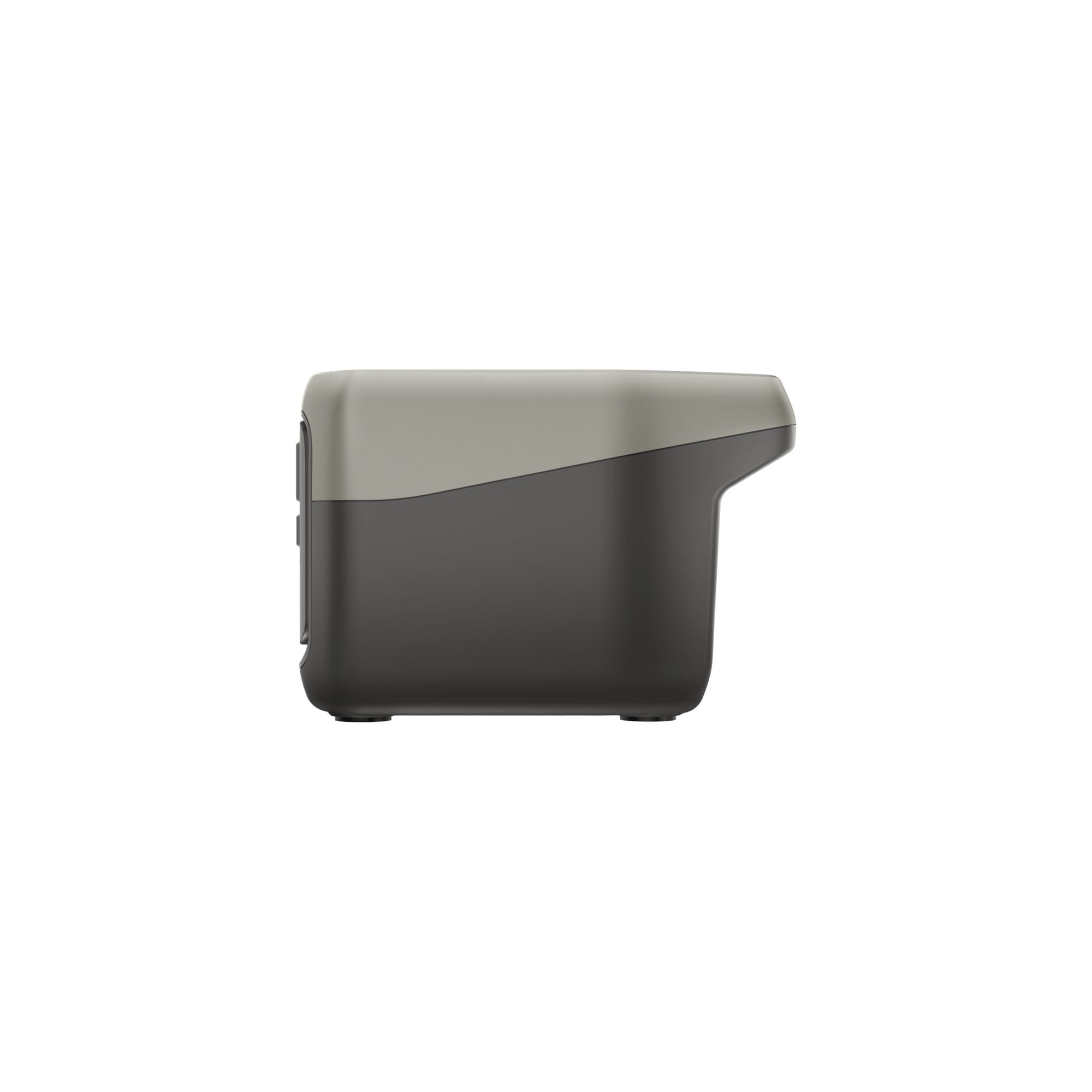
Battery degradation feeds several portable powerstation myths about short lifespans, and it is worth separating the chemistry from the assumption. LFP (lithium iron phosphate) cells, used across the DELTA 3 line, differ from the lithium-ion cells found in many consumer electronics. The DELTA 3 Max series uses what is described as the industry’s first full-tab LFP cells, paired with a smart BMS offering 24/7 protection.
This doesn’t mean the battery never wears down, since all rechargeable cells degrade with repeated use over time. However, the chemistry and protection circuitry are specifically positioned around supporting longer-term reliability rather than rapid decline. Ecoflow backs the DELTA 3 Classic with a 5-year warranty, which reflects that longer-term positioning.
DELTA and RIVER Series: Understanding Actual Output and Expandability
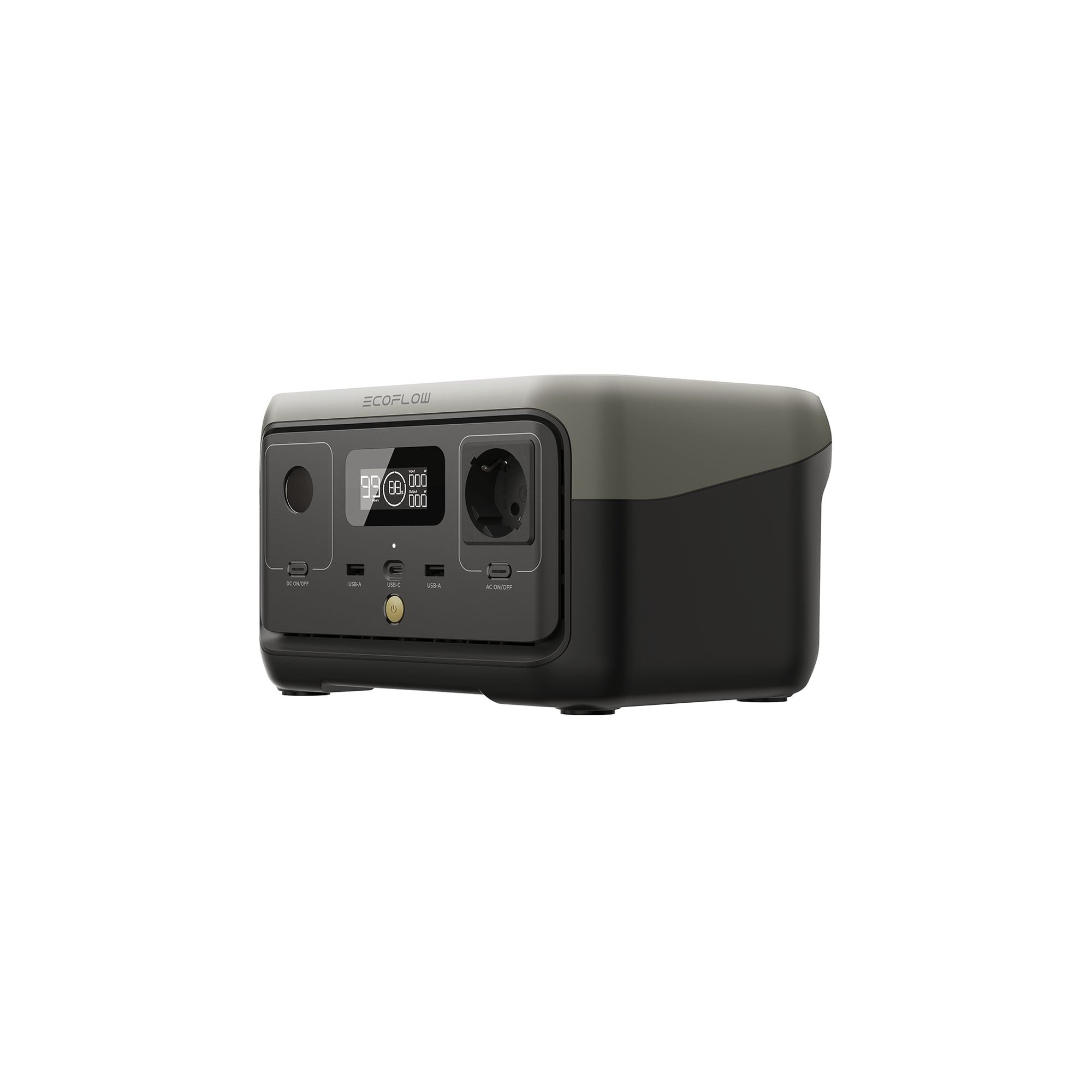
The DELTA and RIVER series are not single products but families of models with different capacities and expansion options. The DELTA 3 Max Plus can be paired with a battery expansion adapter that connects two smart extra batteries using one cable, increasing total capacity. Similarly, the RIVER 3 Plus can be expanded with extra battery packs, offered in two capacities, EB300 (286 Wh) or EB600 (572 Wh), using a cable-free pogo-pin connection.
This expandability challenges another of the common portable powerstation myths, which is that capacity is fixed once the unit is purchased. The RIVER 2, by comparison, is a smaller, lighter unit at 3.5 kg, described as 30% lighter than the industry standard, with 256 Wh capacity and 300 W output. These are clearly different products built for different use cases, not interchangeable versions of the same thing.
Misconceptions About Solar Integration and Off-Grid Living
Solar charging is frequently misunderstood as something that works identically across every portable power station, or as a simple plug-and-play add-on. The STREAM series, including the STREAM 5000 and STREAM AC 5000, is built around balcony solar systems with stated solar input up to 5,000 W and AC output up to 3,000 W. The STREAM AC 5000 is also described as compatible with existing solar installations, which matters for anyone extending rather than starting from scratch.
Separately, the OCEAN 2 three-phase system is positioned for whole-home energy needs, with a stated 12 kW AC output capacity. That is a distinctly different scale and purpose from a portable DELTA or RIVER unit used for camping or outdoor work. Lumping all solar-compatible devices into one category overlooks how differently these product lines are built and specified.
- Many assume all power stations use the same battery chemistry, when the DELTA 3 line specifically uses full-tab LFP cells rather than standard lithium-ion.
- Charging speed is often treated as uniform across brands and models, despite documented differences like the RIVER 2’s 60-minute full charge.
- Output capacity is sometimes assumed to be limitless, though every model carries a specific continuous and peak wattage rating.
- Lifespan concerns are frequently generalized across all battery types, ignoring the distinct behavior of LFP chemistry compared to older lithium-ion cells.
- Expansion options are often overlooked, even though models like the DELTA 3 Max Plus and RIVER 3 Plus support additional battery packs.
- Solar compatibility is sometimes treated as one-size-fits-all, despite differences between balcony-focused systems like STREAM and whole-home systems like OCEAN 2.
Taken together, these points show how portable powerstation myths tend to oversimplify a category built on real variation. Specific wattages, charge times, and chemistry choices separate one model from another, and those details matter more than general assumptions. As the product lines continue to diversify, checking the actual specification sheet remains the simplest way to separate fact from repeated online claims.