




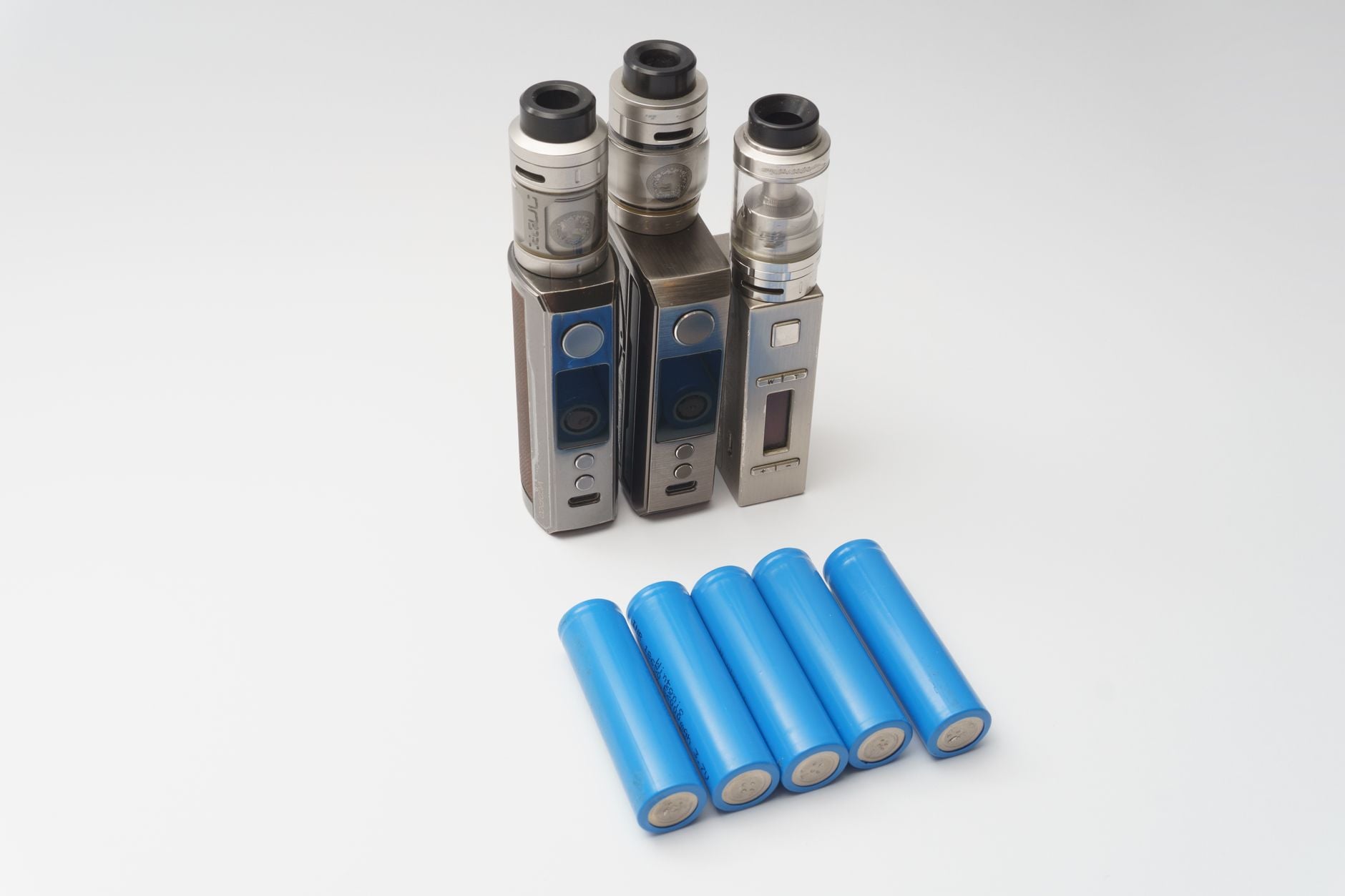
Picking between a disposable and a pod kit comes down to how someone actually vapes day to day. The disposable vapes vs pod kits question touches puff capacity, battery habits, coil performance, and e-liquid format all at once. Ecigmafia carries both categories side by side, which makes it a useful place to compare actual specifications rather than marketing claims alone.
Understanding Puff Counts in Disposable Vapes: From 20000 to 50000 Puffs
Puff counts on disposable devices vary widely, and the gap between entries is significant. The Fruitia x Fifty Bar Nixodine Disposable lists 20K puffs alongside an 18ml e-liquid capacity and a 900mAh battery. Moving up the range, the IJoy XP50000 20MG Disposable states 50K puffs in Normal mode and 30K in Boost mode, backed by a 1000mAh battery and a 0.4Ω dual mesh coil. The Lucid Nomz Disposable sits at the top of the range with an approximate 100,000-puff rating, and its listing adds adjustable airflow along with multiple performance modes as part of the stated feature set.
These numbers matter because they describe how long a single unit is expected to last before replacement. A higher puff count generally pairs with a larger e-liquid reservoir and a bigger battery, as seen across the IJoy and Lucid lines. Ecigmafia groups these disposables by brand and puff count, so the specification sits right on the product listing rather than buried in a spec sheet.
Rechargeable Pod Kits vs Disposables: Battery Capacity and Charging Demands
Battery capacity is one of the clearest lines separating disposables from rechargeable pod systems. The disposables reviewed above carry fixed batteries, ranging from 900mAh on the Fruitia x Fifty Bar to 1000mAh on the IJoy XP50000, and those cells are not meant for repeated top-ups beyond the device’s rated puff life. Pod kits, in contrast, are built around ongoing charging cycles paired with replaceable pods or refillable tanks.
This changes the maintenance pattern. A disposable is discarded once the puff count or battery is exhausted, while a pod kit needs charging and pod replacement on a recurring basis. The choice between disposable vapes vs pod kits often rests on whether someone wants a device that needs no charging at all versus one that requires a bit more routine upkeep.
Mesh Coil Technology and Airflow Adjustment Across Device Types
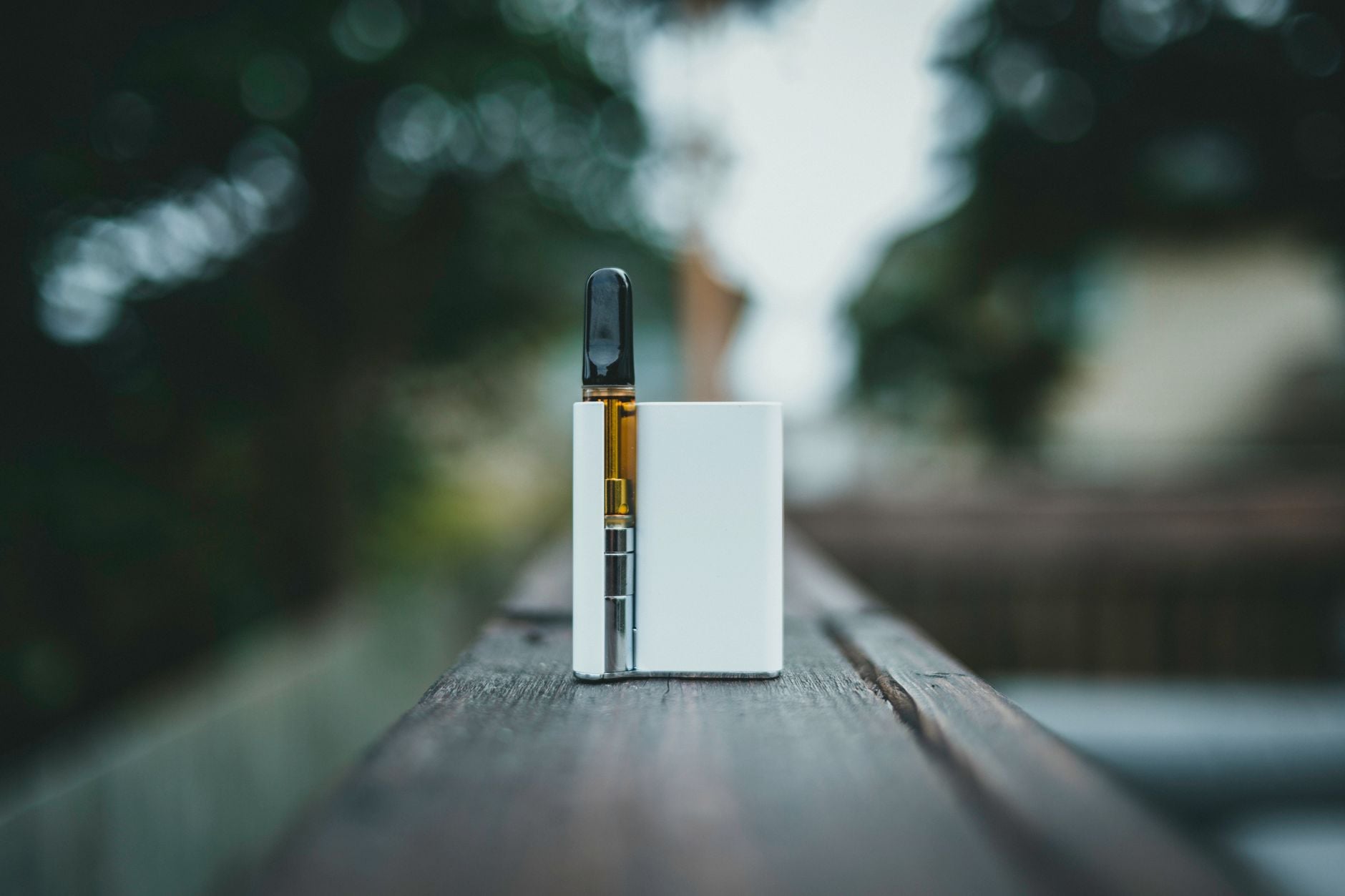
Coil construction shows up as a named feature across several disposable listings on the site. The Fruitia x Fifty Bar uses a dual parallel mesh coil, while the IJoy XP50000 specifies a 0.4Ω dual mesh coil. Mesh coils are mentioned specifically rather than left as a generic claim, which lets buyers compare coil type directly between models on the same catalog.
Airflow adjustment is also listed as a distinct feature on the IJoy XP50000, which states adjustable airflow alongside its dual output modes. Not every disposable on the platform lists this feature, so it becomes a meaningful point of difference between models rather than a given. For pod kits, airflow control is a more established part of the category, since rechargeable systems commonly pair replaceable pods with variable air intake.
Salt Nicotine and Freebase Options: E-Liquid Choices for Each Device
E-liquid format differs depending on the device type, and Ecigmafia separates its catalog accordingly. Charlie’s Chalk Dust offers nicotine salt e-liquids in 30ml bottles, including flavors such as Watermelon Felon, Big Berry Rizz, and Slamberry Jam, with the Big Berry Rizz listing describing a blend crafted for low-wattage pod devices and refillable systems. IJoy’s XP Refills line follows the same pattern, with 30ml nicotine salt e-liquids such as Watermelon Ice and Triple Berry, both noted as made for compatible pod systems and low-power hardware rather than high-output setups.
Candy King provides both 30ml and 100ml e-juice formats, with flavors like Strawberry Watermelon on Ice and BubbleGum Blue Razz built around candy-inspired profiles. This distinction between nicotine salts aimed at low-wattage pod hardware and other e-juice formats is a recurring thread across the e-liquid pages. It is a practical detail for anyone weighing disposable vapes vs pod kits, since the liquid format is tied closely to the hardware it is meant for.
The Role of Adjustable Airflow in Flavor Delivery and Vapor Production

Airflow control is listed as a named spec on select disposables, including the IJoy XP50000, rather than appearing on every device in the catalog. That means the feature is worth checking per product rather than assumed across the board. The distinction matters most for anyone comparing vapor output between a sealed disposable and an open pod system.
For pod kits, airflow adjustment is typically built into the pod or the mouthpiece, giving a point of mechanical control that a sealed disposable without the feature cannot offer. This is one of the more concrete hardware differences between the two categories, beyond puff count or battery size. Product pages at Ecigmafia list these specifications individually, which makes a side-by-side comparison straightforward across the disposables and pod sections.
When Disposables Make Sense and When Kits Offer Better Long-Term Value
Choosing between the two categories comes down to how the listed specifications line up with a buyer’s habits. Disposables remove the need for charging and pod replacement, but each unit has a fixed puff count, from the 20K rating on the Fruitia x Fifty Bar up to the approximate 100,000 puffs on the Lucid Nomz. Pod kits ask for more routine maintenance in exchange for using refillable e-liquid and replaceable pods over an extended period.
- Disposable batteries are fixed and sized to match a specific puff count, such as the 900mAh cell on the Fruitia x Fifty Bar or the 1000mAh cell on the IJoy XP50000.
- Rechargeable pod kits rely on recurring charging cycles rather than a single fixed battery life.
- Mesh coil designs, including dual parallel and dual mesh builds, appear on several high-puff disposables as a named specification.
- Nicotine salt e-liquids in 30ml formats are positioned for low-wattage pod devices, while other e-juice lines come in larger 100ml formats.
- Refillability separates the two categories outright, since disposables are discarded after use while pod kits accept replacement pods or e-liquid refills.
Browsing both categories at Ecigmafia, with its listed puff counts, coil types, and e-liquid formats, gives a fairly direct way to weigh disposable vapes vs pod kits against each other using the actual numbers each product states.
As puff counts keep climbing and pod hardware keeps adding finer airflow control, the line between convenience and customization will likely keep shifting rather than settling in one direction.