




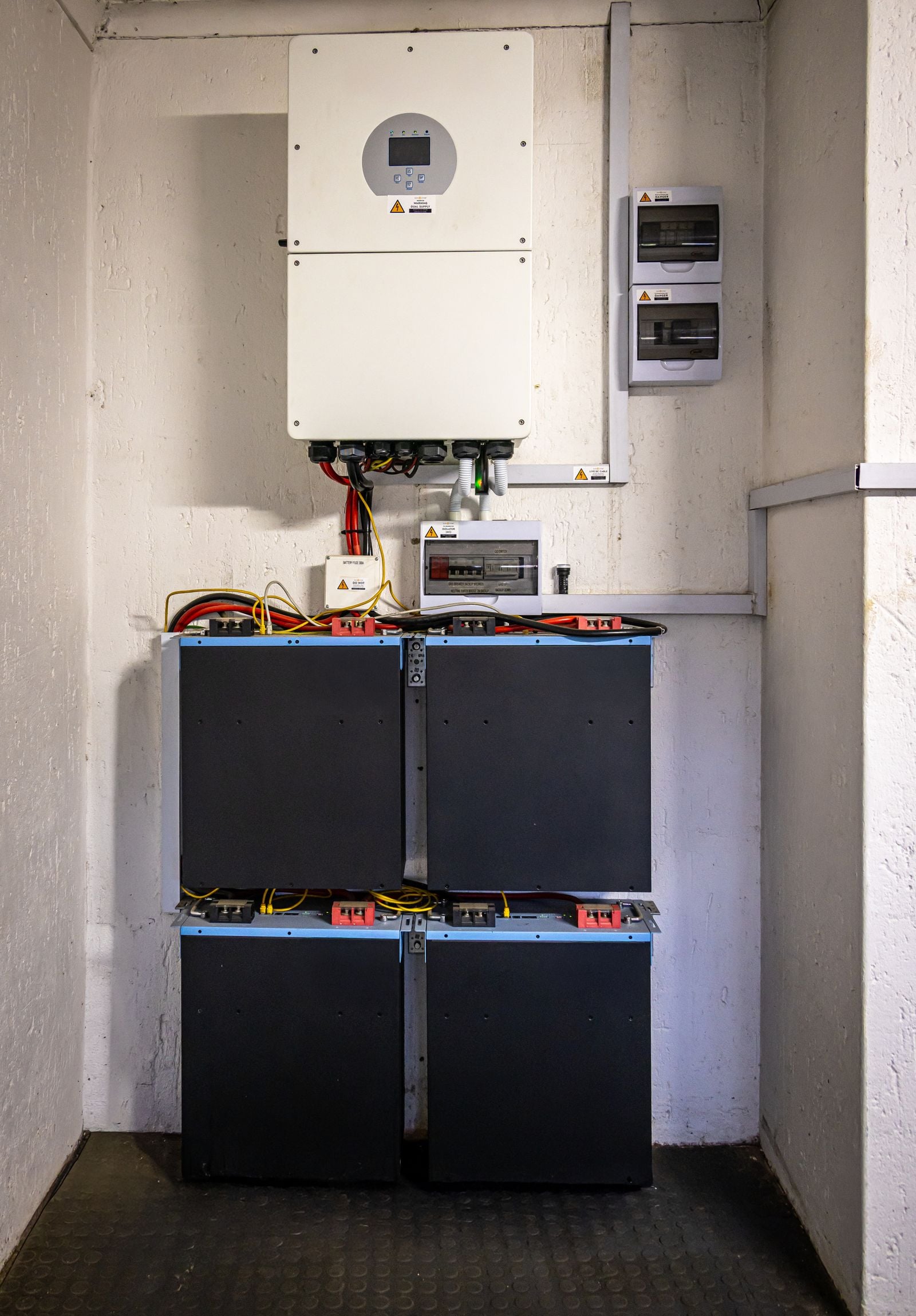
Shopping for a backup power unit usually means weighing capacity against weight, and output against charging speed. A proper portable powerstation comparison makes those trade-offs clear before committing to one model over another. Ecoflow builds two main families around different priorities, and lining them up side by side shows where each one fits.
Understanding Portable Powerstations and EcoFlow’s Two Core Series
A portable powerstation is essentially a battery pack large enough to run household appliances, tools, or electronics without a wall outlet nearby. Ecoflow organizes its range around two core lines, RIVER and DELTA, each aimed at a different kind of use. RIVER leans toward compact, lightweight units, while DELTA pushes toward higher capacity and stronger output for heavier loads.
Both series share some underlying technology, including pure sine wave AC output and app-based monitoring, but the way that technology is packaged differs a lot. Anyone running a portable powerstation comparison across these two lines will notice the gap in size, weight, and rated wattage almost immediately. That gap is the whole point of having two separate series instead of one.
RIVER Series: Lightweight Capacity and Fast Charging
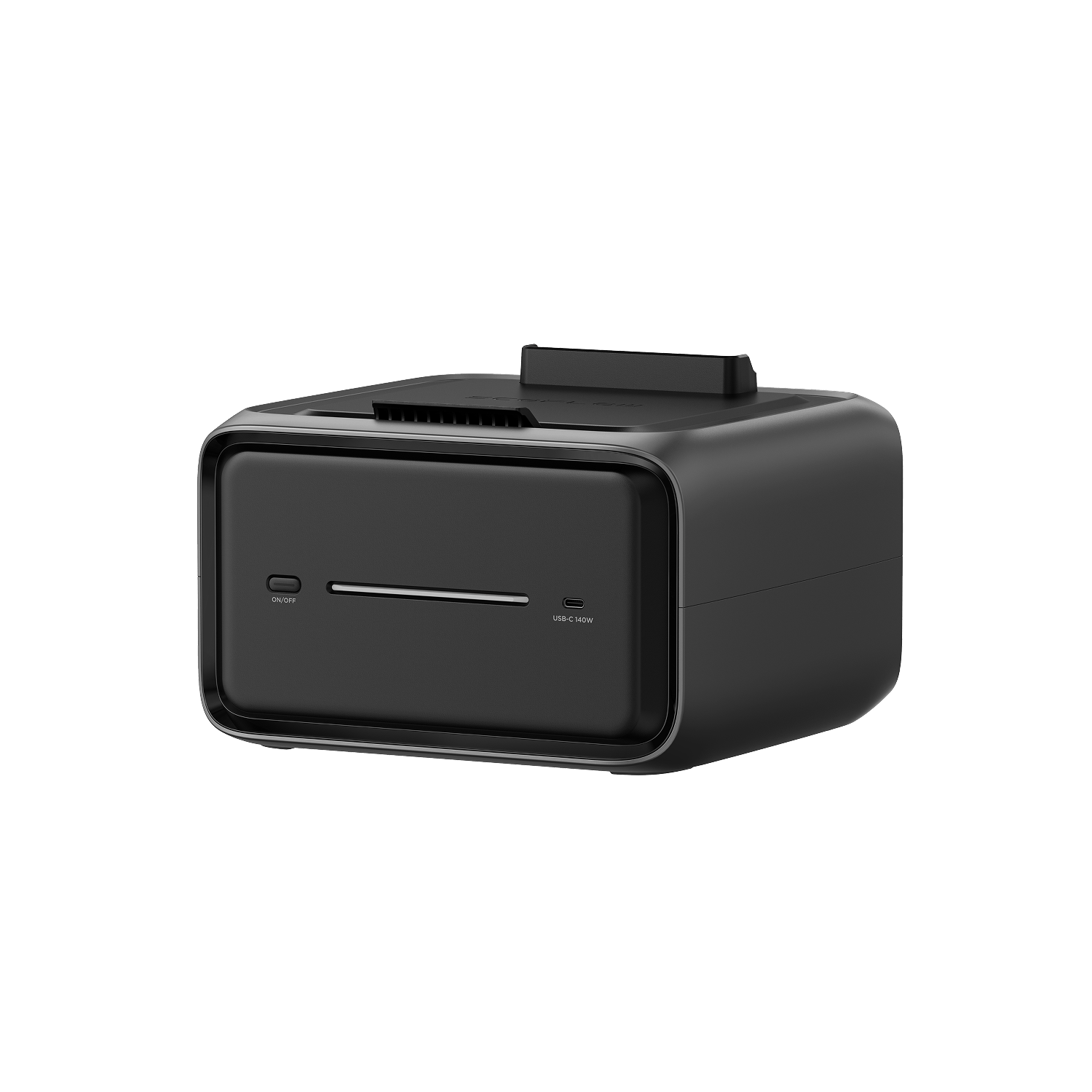
The RIVER 2 sits at the lighter end of the lineup, offering 256 Wh of capacity paired with 300 W of output. It charges from 0 to 100% in 60 minutes, which EcoFlow describes as up to 70% faster than the industry standard, and it weighs only 3.5 kg, up to 30% lighter than comparable units in the category. That speed comes alongside a TÜV Rheinland certification for safe charging, aimed at protecting the battery while it refuels quickly.
Portability is what defines this series beyond the numbers themselves. For anyone running a comparison mainly on ease of carrying, RIVER is the line built around that priority rather than raw output.
DELTA Series: High-Output Power for Demanding Devices
DELTA sits on the other end of the spectrum, built for situations where several demanding devices need power at once. The original Ecoflow DELTA carries 1,260 Wh of capacity and delivers 1,800 W of rated output through four pure sine wave AC outlets. It can power 11 devices simultaneously, according to the brand, which covers household electronics as well as tools used away from a fixed outlet.
Charging speed scales with the series too. The DELTA line is described as among the fastest-charging portable powerstations available, reaching 0 to 80% in under an hour. That combination of higher capacity and quick refuelling is what separates this series from RIVER in most practical scenarios, from power outages to work on job sites.
Capacity and Battery Size: RIVER 2 vs DELTA 3 Classic vs DELTA 3 Max
Lining up battery size alone tells much of the story in this portable powerstation comparison. The RIVER 2 offers 256 Wh, suited to smaller electronics and shorter runtimes. The DELTA 3 Classic steps up considerably with 1,024 Wh, while the DELTA 3 Max Plus reaches 2,048 Wh, described by Ecoflow as a 25% increase in output alongside that larger capacity.
Output power climbs with capacity across these three models. The DELTA 3 Classic delivers 1,800 W of rated output with 3,600 W of peak power, runs at a quiet 30 dB, and its X-Boost mode supports devices up to 2,400 W without interruption. The DELTA 3 Max Plus goes further still, rated at 3,000 W with 6,000 W peak, and its X-Boost 3.0 mode extends support to devices drawing up to 3,900 W.
Output Power and Device Support Across the Lines
Output wattage determines what each unit can actually run, which is often the deciding factor once capacity has been weighed. The RIVER 2’s 300 W output suits smaller electronics such as phones, lights, or small fans rather than heavy appliances. The DELTA 3 Classic’s 1,800 W rated output reaches far enough for power tools and similar high-draw gear.
At the top of the output range, the DELTA 3 Max Plus can run a microwave, kettle, refrigerator, and blender together, without any of them losing power. That kind of simultaneous device support is a core reason buyers run a detailed portable powerstation comparison before choosing, since wattage needs vary enormously between a weekend camping trip and a kitchen backup during an outage.
Charging Methods and Speed: X-Stream Technology in Action
Ecoflow applies what it calls X-Stream charging technology across several models to cut down refuelling time. On the DELTA 3 Classic, this means a charge from 0 to 80% in 45 minutes using AC power, a practical advantage for situations where waiting hours between uses is not an option. The RIVER 2 applies a similar fast-charging approach at its own scale, reaching a full charge in 60 minutes.
The DELTA 3 Max adds further flexibility with five charging methods, including grid power, solar input, car alternator charging, a compatible smart generator, and multi-charging that combines sources at once. This range of charging options is one of the clearer differences that shows up in a side-by-side portable powerstation comparison, since not every model in the range supports every method. The list below summarizes how charging access tends to spread across the series.
- AC wall charging is available across the RIVER and DELTA series, generally paired with fast-charging technology for short refuel times.
- Solar charging lets either series draw power from compatible solar panels, which suits off-grid or outdoor use.
- Car charging allows units to recharge from a vehicle’s power outlet or alternator while travelling.
- Multi-charging setups, available on models like the DELTA 3 Max, combine more than one charging source at the same time to speed up the process further.
Choosing between these charging paths often comes down to the setting. A household kept for emergency backup may lean on AC and solar, while a vehicle-based setup benefits more from car charging and multi-charging support. Either way, the charging method matters just as much as capacity once the unit is actually in use.
Across capacity, output, and charging speed, RIVER and DELTA clearly serve different needs rather than sitting on the same scale. The choice comes down to how much power a situation demands, not which series ranks higher.