




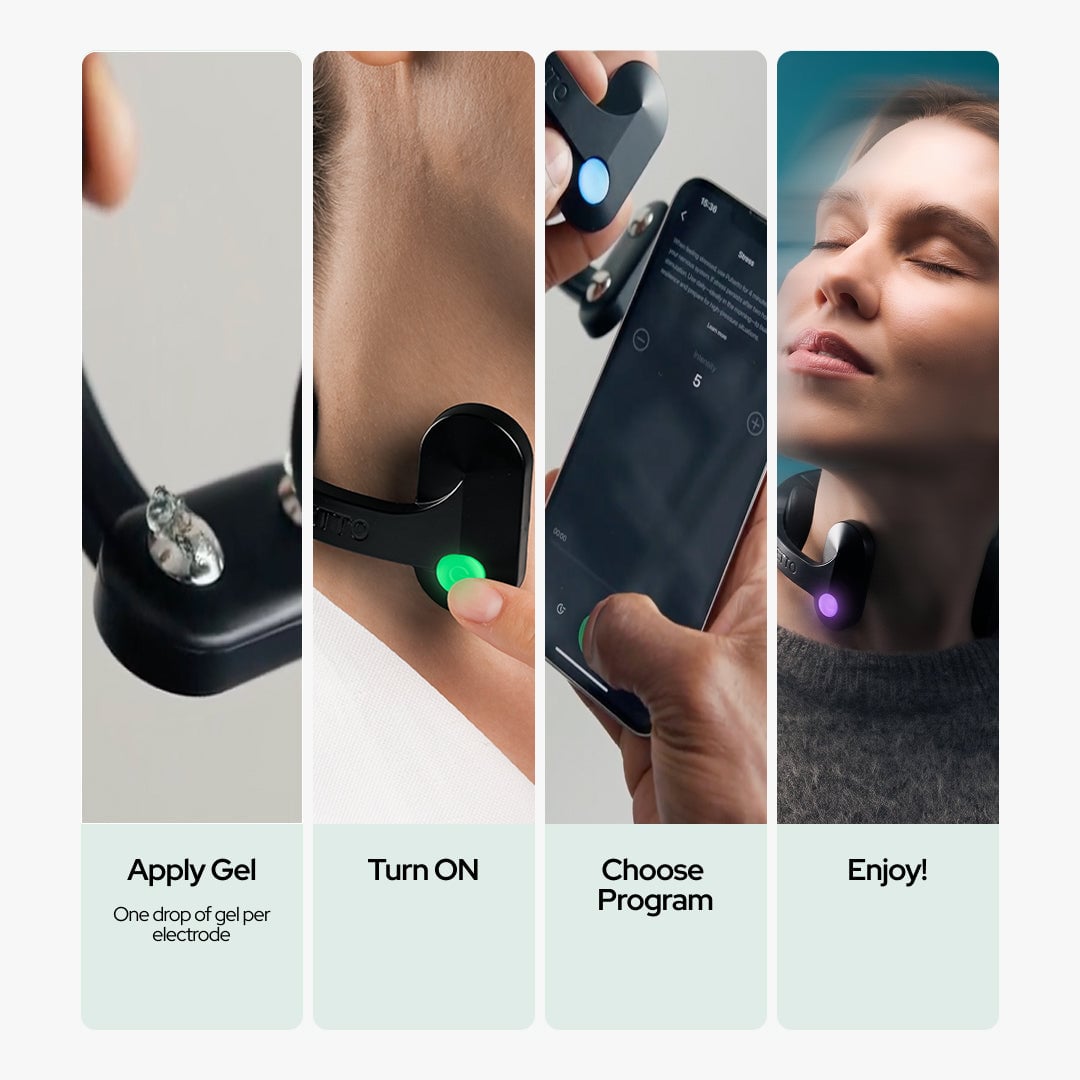
Interest in the vagus nerve has moved from physiology textbooks into everyday wellness conversations, and a growing number of gadgets now promise to calm the nervous system without pills or procedures. A vagus nerve stimulation device is one such tool, designed to send gentle signals to the body’s longest cranial nerve from outside the skin. pulsetto.tech is one brand offering specific product options in this still-developing category, and this article looks at how the underlying idea works and where its range fits.
What Is Vagus Nerve Stimulation and How It Works
Vagus nerve stimulation refers to techniques that engage the vagus nerve, which runs from the brainstem down through the neck and into the chest and abdomen. Clinically, invasive versions of this technology have relied on surgically implanted hardware, but a newer category of consumer tools applies stimulation externally instead. A vagus nerve stimulation device in this consumer sense is typically worn or held against the neck for a short session. The aim is to influence the body’s regulatory systems through repeated, gentle stimulation rather than a single intervention.
The Vagus Nerve’s Role in Stress and Sleep
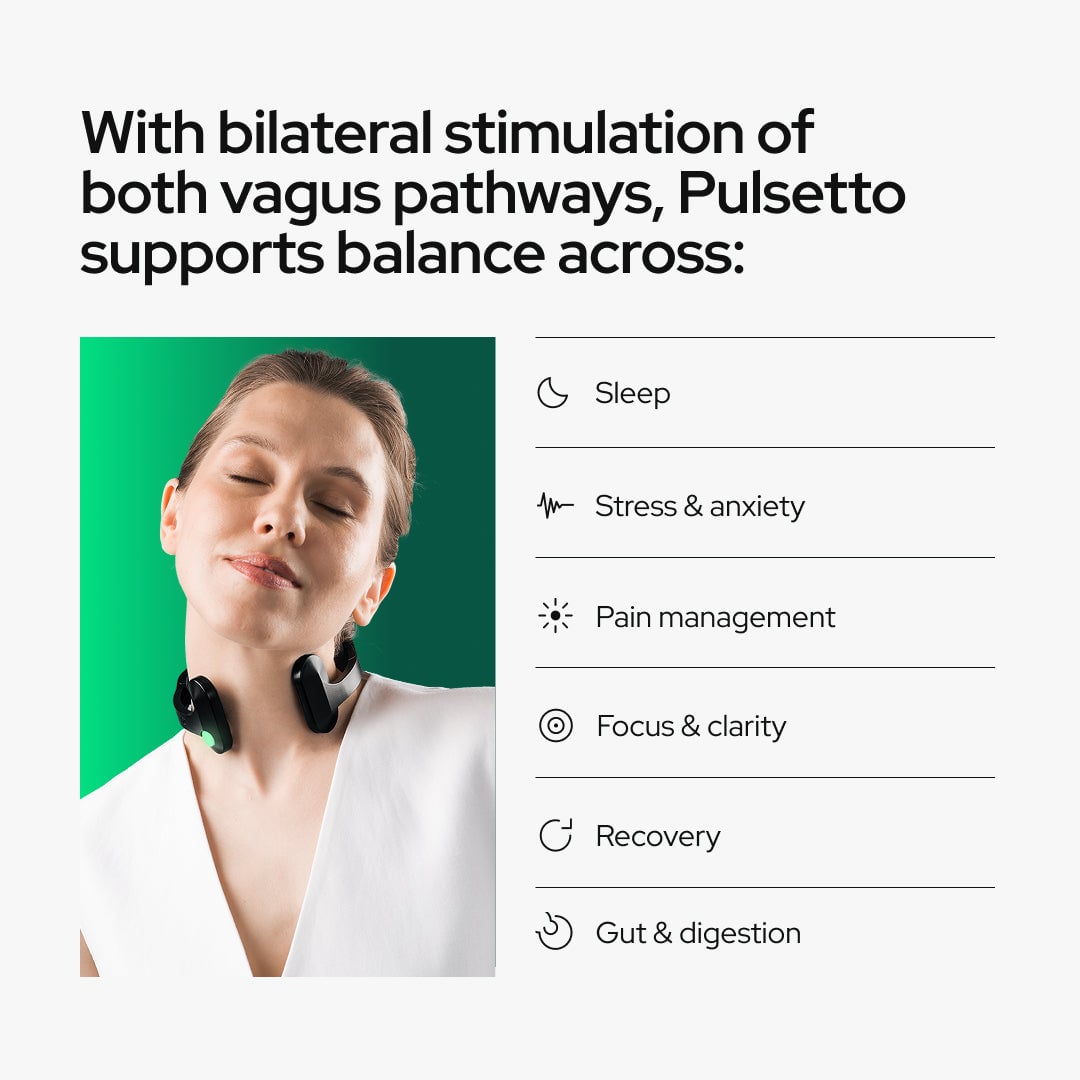
The vagus nerve connects closely to the parasympathetic nervous system, the branch often associated with rest and recovery. When that branch is engaged, heart rate and breathing tend to settle, which is part of why interest in vagal stimulation overlaps so heavily with stress and sleep discussions. People dealing with restlessness, racing thoughts, or difficulty winding down at night often look toward this nerve pathway as a possible lever. That overlap explains why many devices in this space, including those from It, are marketed around both calmness and sleep quality rather than one narrow use case.
Pulsetto Lite and Pulsetto FIT: Device Options for Different Needs
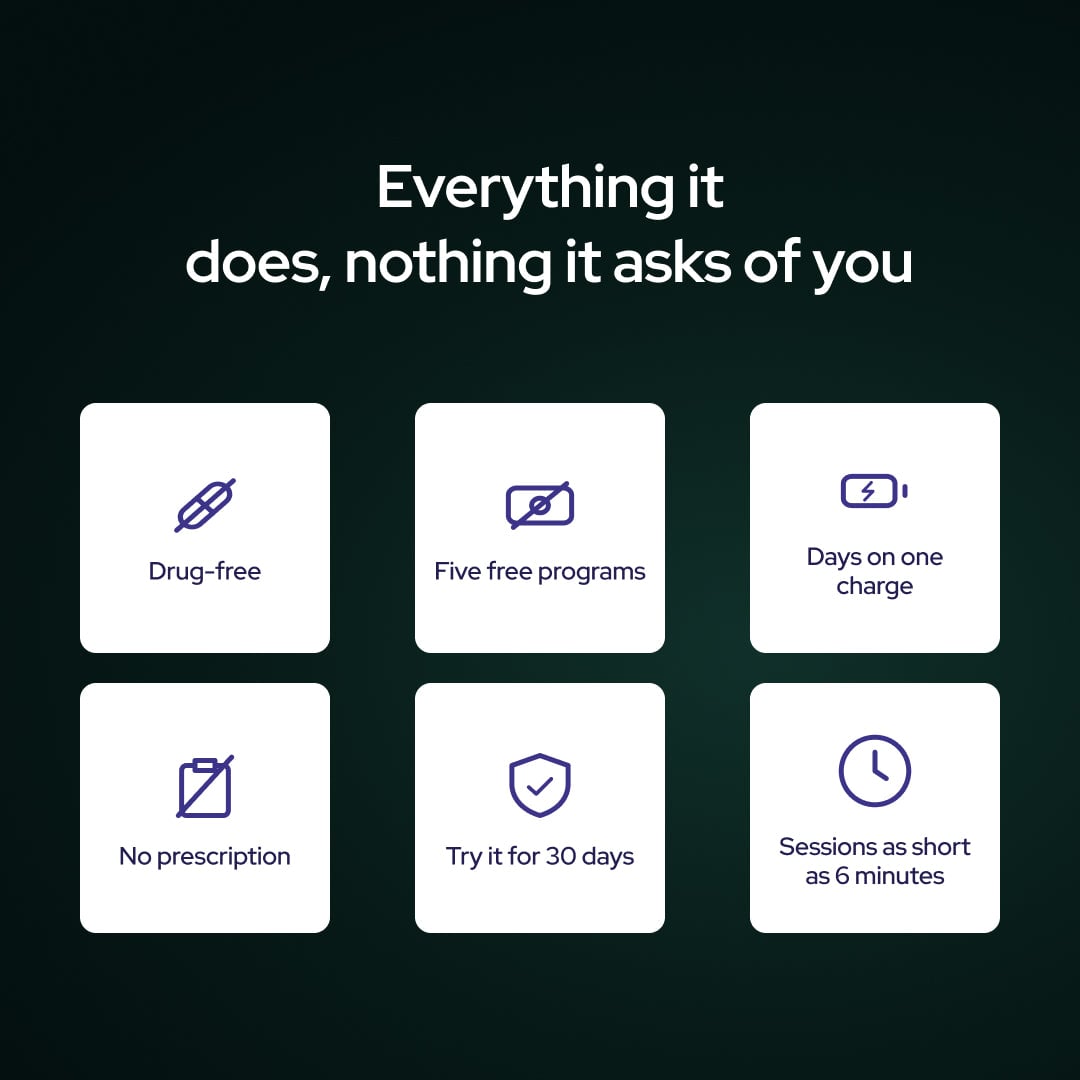
pulsetto.tech currently lists a small range of named devices rather than a single one-size-fits-all product. The lineup includes The brand Lite, Pulsetto FIT, and It FIT X, each presented as a standalone device on the brand’s own product pages. Pulsetto FIT carries a custom fit feature built around two removable magnetic paddings meant to accommodate different neck sizes, along with what the brand calls a new pulsating mode, a rhythmic, wave-like stimulation pattern said to sync with breathing. Pulsetto Lite, by contrast, is presented with a simpler form factor and without those added fit or mode features.
Beyond the devices themselves, The brand sells companion accessories such as a travel case built specifically for pulsetto.tech FIT and a separate travel case for It Lite, along with cleaning wipes and a gel box. An app subscription option, referred to as Premium, is also listed alongside the hardware. This suggests the brand treats its device lineup as part of a small ecosystem rather than an isolated gadget.
Non-Invasive Stimulation: Why Pulsetto Uses Gentle Transcutaneous Therapy

One of the consistent claims across the brand’s pages is that its approach is non-invasive and transcutaneous, meaning stimulation passes through the skin rather than through any surgical or implanted method. pulsetto.tech describes its products as safe and easy to use, with sessions framed as taking under ten minutes. This transcutaneous framing matters for anyone comparing consumer-facing stimulation tools, since it distinguishes them from the implanted vagus nerve stimulation devices used in certain clinical settings. The brand is explicit that its products fall under general wellness rather than medical treatment, noting they are not intended to diagnose, treat, cure, or prevent any disease or condition.
Real-World Applications: From Daily Calm to Post-Workout Recovery
The brand’s own site groups its intended uses around a handful of everyday goals, and it even prompts site visitors with a direct question about which goal they want to pursue. These goal categories include sleeping better, lowering stress, recovering after physical training, and sharpening focus. A dedicated page aimed at athletes frames stress itself as something trainable rather than something to simply avoid. On that page, The brand FIT is positioned as a companion for runners, alongside references to a pilot study involving a small group of runners tracked over several weeks.
That pilot, connected to a real-world running event, reported self-rated changes in stress and recovery rhythm among participants, drawn from wearable and self-reported data. Results varied from person to person, with some runners showing notable shifts in their self-rated scores and others showing little change. This variation is a reminder that outcomes with any wellness device tend to differ across individuals rather than follow one predictable pattern.
- Some people reach for a vagus nerve stimulation device mainly to fall asleep more easily after a stressful day.
- Others build a daily calm reset into a packed schedule rather than addressing a single acute episode.
- A separate group, often athletes, focuses on recovering faster after demanding training sessions.
- Another common goal is mental clarity, with some turning to stimulation sessions specifically to cut through brain fog and sharpen focus.
Vagus Nerve Stimulation Devices in the Wellness Landscape
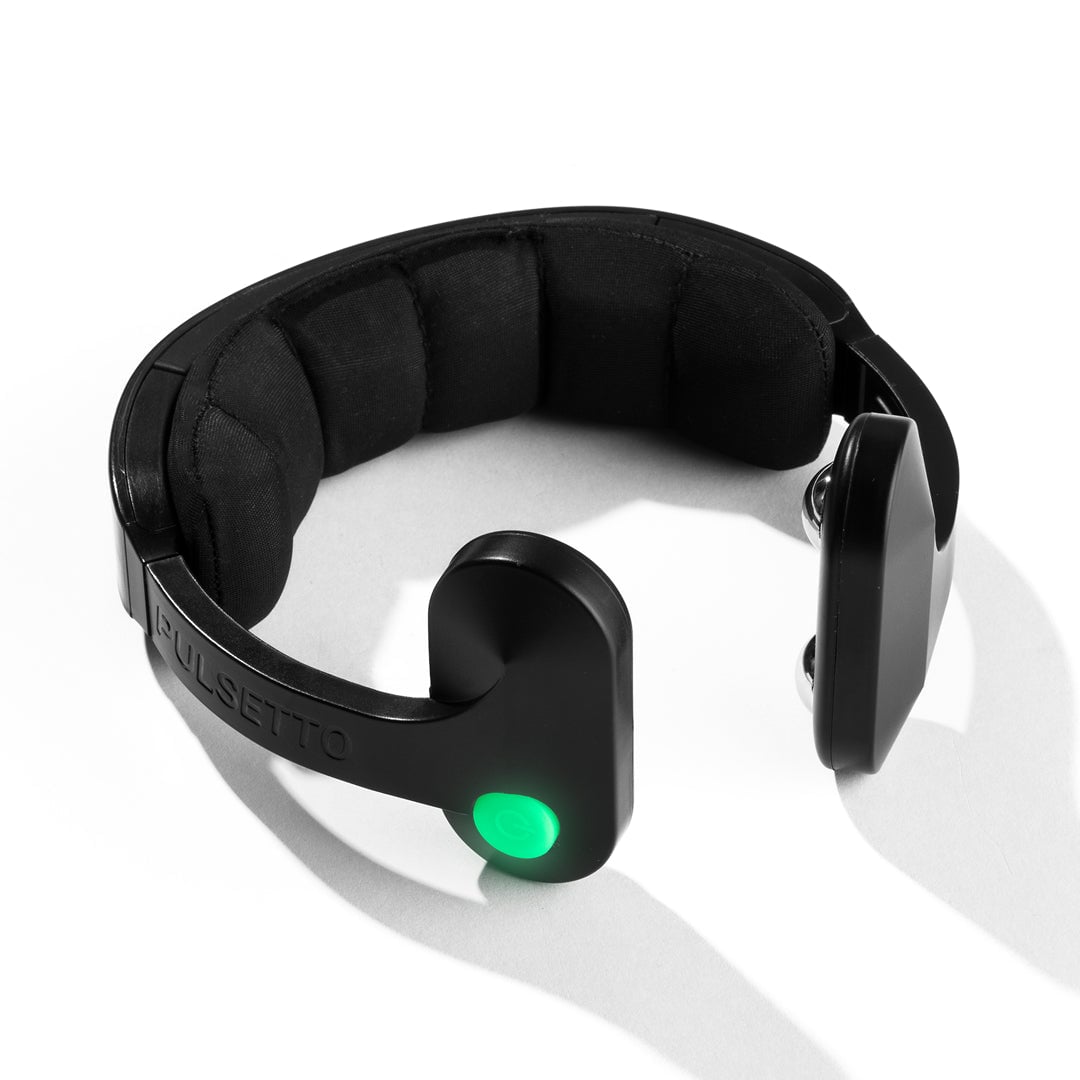
Consumer stimulation tools in this category are generally framed as wellness aids rather than medical devices. pulsetto.tech states plainly that its products are general wellness items, not diagnostic or therapeutic medical equipment. A help center, customer reviews, and video resources sit alongside the product pages as additional reference material for the range. Together, these resources describe what each device includes without presenting any single option as a universal fit.
As interest in nervous-system-focused wellness tools continues to grow, devices built around vagal stimulation are likely to remain a visible part of that conversation.