




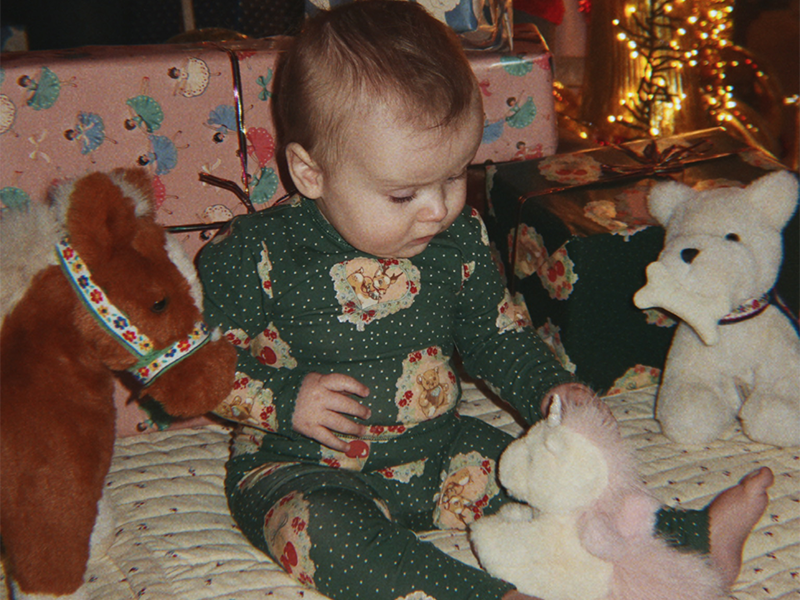
Several premium baby clothing misconceptions keep parents from exploring curated collections, often because luxury and practicality seem like opposites. Shoppers assume delicate fabrics mean fragile garments, or that designer pieces only suit a nursery photo shoot. Getspilledmilk‘s catalogue of curated children’s labels offers a useful case study for sorting fact from assumption, and it helps explain why so many premium baby clothing misconceptions persist in the first place.
What ‘Premium’ Baby Clothing Actually Means: Beyond the Price Tag
The word premium gets attached to anything with a higher price, but that framing misses the point. At Getspilledmilk, premium refers to material choice and construction detail, not just a label. Pieces such as the Étoile Garnet romper from Carlota Suip Kids use wide-wale cotton corduroy, a double maxi collar, and lace trim rather than a plain cut shirt.
That kind of detailing, a contrasting satin ribbon or a Swiss-dotted cotton collar, signals design intent. It is a different thing entirely from paying more for an identical product with a different tag sewn in. The range across dozens of curated labels, from Konges Sløjd to Mini Rodini, shows that premium describes fabric and finish, not simply cost.
The Durability Myth: How Quality Materials Like Merino Wool and Cotton Velvet Perform

One of the most persistent misconceptions is that delicate-looking fabrics cannot hold up to daily wear. The Isidor Pixie Bonnet, for example, is seamlessly knitted from 100% extrafine Italian merino wool that is Oeko-Tex certified and mulesing free. It is made in a small family factory in Belgium, a detail that points to deliberate, small-batch construction rather than a flimsy throwaway piece.
Cotton velvet pieces, like the Nocturne Pine romper, are described as crisp yet soft, which is a specific textile quality rather than a vague marketing phrase. Wide-wale corduroy, used across several Carlota Suip Kids pieces, is a structured weave by nature. Neither fabric supports the idea that finer materials are automatically less practical for everyday dressing, which is one of the more common misconceptions about children’s fashion.
Vintage-Inspired Designs Are Not Just for Special Occasions
Vintage-inspired pieces often get filed under special occasion wear and nothing else, as if a romper with a lace collar could only exist for a holiday card. The Nocturne Pine romper, with its double collar in blue mini-floral muslin and a bold satin ribbon, is still a romper with snap-style practicality in mind. A bloomer set from the Étoile Garnet line can be worn as a separate, not only paired with the matching dress.
Getspilledmilk’s own holiday-dresses collection includes the Bow Dress, built with a cotton lining under layers of soft tulle and finished with a velvet bow at the neckline. The brand describes it as a dress for parties, portraits, and twirling. That description alone shows a vintage-inspired silhouette does not have to mean a single rigid use, even if it is not marketed as an everyday basic.
Misconceptions About Mixing Designer Pieces: Styling Konges Sløjd and Carlota Suip Kids

Another recurring assumption is that designer labels cannot be mixed without clashing. Konges Sløjd pieces, such as the Venola Romper in a plush velvet with a lace collar and snap closures, sit comfortably alongside Carlota Suip Kids’ corduroy and muslin combinations. Both brands lean on muted, rich tones and natural fabrics, which makes pairing more straightforward than the myth suggests.
A velvet romper from one label and a cotton corduroy bloomer from another do not need to match exactly to work together. Shared fabric families, lace trims, and tonal palettes give the curated edit at Getspilledmilk a kind of internal consistency. That consistency is a structural fact about the labels chosen, not a styling trick unique to any single piece, and it is one reason premium baby clothing misconceptions about mismatched designer pairings do not hold up under closer look.
The Sustainability Question: What OCS Certification Actually Guarantees

Several Carlota Suip Kids garments, including the Étoile Garnet romper, dress, and bloomers, are listed as 100% OCS Cotton. OCS refers to Organic Content Standard certification, which verifies the organic content of a textile. That is a specific, checkable claim rather than a general sustainability gesture, and Getspilledmilk lists it directly on the relevant product pages.
Separately, the Tindra Rose Dress from Konges Sløjd carries GRS certification, a distinct standard tied to recycled content rather than organic cotton. Parents who assume all sustainability labels mean the same thing overlook that these are two different certifications covering different materials. The following points summarize where premium baby clothing misconceptions about sustainability most often arise:
- Assuming a soft or delicate-looking fabric cannot survive regular washing and handling.
- Believing a lace collar or satin ribbon automatically limits a garment to one single outing.
- Treating every sustainability label as interchangeable instead of checking the specific certification listed.
- Expecting pieces from different designer labels to clash rather than share tones and fabric families.
- Assuming a higher price alone, rather than material and construction, is what defines a premium garment.
Holiday Dressing Does Not Require Separate Wardrobes Year-Round
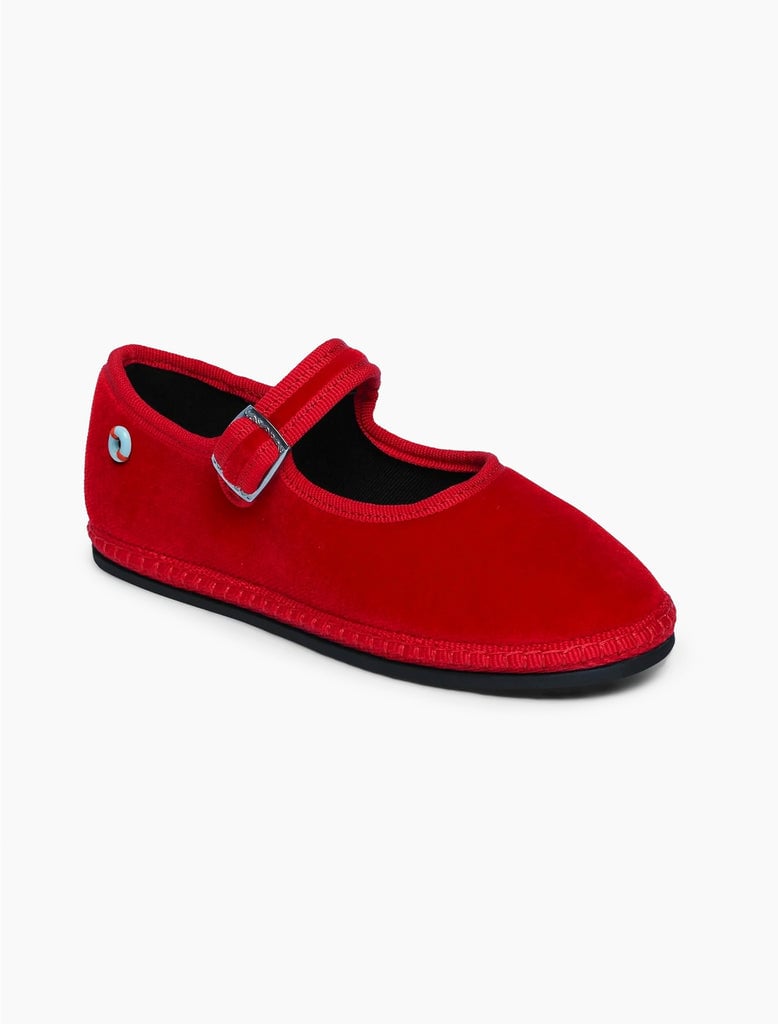
A common assumption is that holiday-specific pieces, like a sequined dress or a velvet romper, need a dedicated wardrobe used once a year. Getspilledmilk‘s holiday edit includes items such as the Bellis Dress in a glossy woven fabric with a fitted bodice, alongside everyday staples from the same labels. Many of the fabrics used in holiday pieces, cotton lining, velvet, and corduroy, also appear across non-holiday collections.
That overlap means a merino wool bonnet or a corduroy romper bought for a festive gathering can reasonably continue into regular rotation afterward. Reading the specific certification, fabric, and construction notes on a given piece matters more than sorting garments by season alone. Looking past surface assumptions about price, occasion, and fabric is ultimately what separates premium baby clothing misconceptions from the facts printed on each product page.