




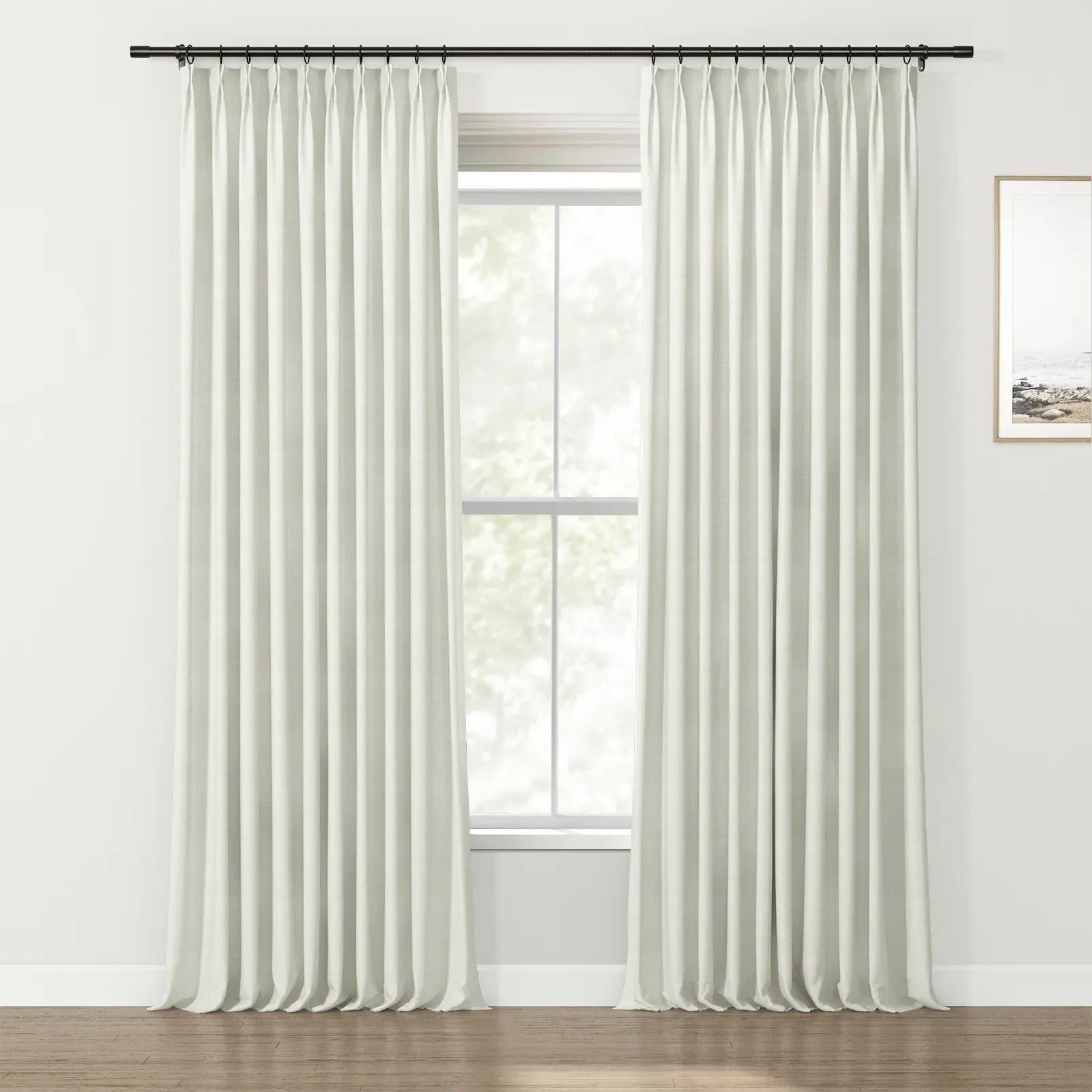
Pleated drapery styles do more than decorate a window; they set the rhythm of light, shadow, and movement across a room. Decorators comparing pinch, triple, and goblet pleats look at how each structure folds, how it drapes at rest, and how it reads from across a space. Twopagescurtains carries all three pleat families across named collections, each tied to a specific fabric and finishing detail.
Understanding Pleat Mechanics: How Pinch, Triple, and Goblet Pleats Function
A pleat forms when fabric gathers at the heading and gets stitched or clipped into a repeating fold. Triple pleats group three narrow folds into one cluster, producing a dense, tailored heading that holds its shape well. Pinch pleats gather fewer folds into a tighter point, giving a crisper, narrower silhouette along the top edge. Goblet pleats shape into a rounded cup, often stuffed to keep that form, then taper into looser folds below.
Each structure changes the drape along the full length of the panel, not only at the header. Triple pleats tend to create consistent, even ripples down the drop. Pinch pleats often look more structured and formal, depending on the fabric weight chosen. Goblet pleats soften that formality, trading precision for a rounder, more relaxed fold that suits looser window treatments.
Triple Pleated Drapery: The Liz and Jawara Collections
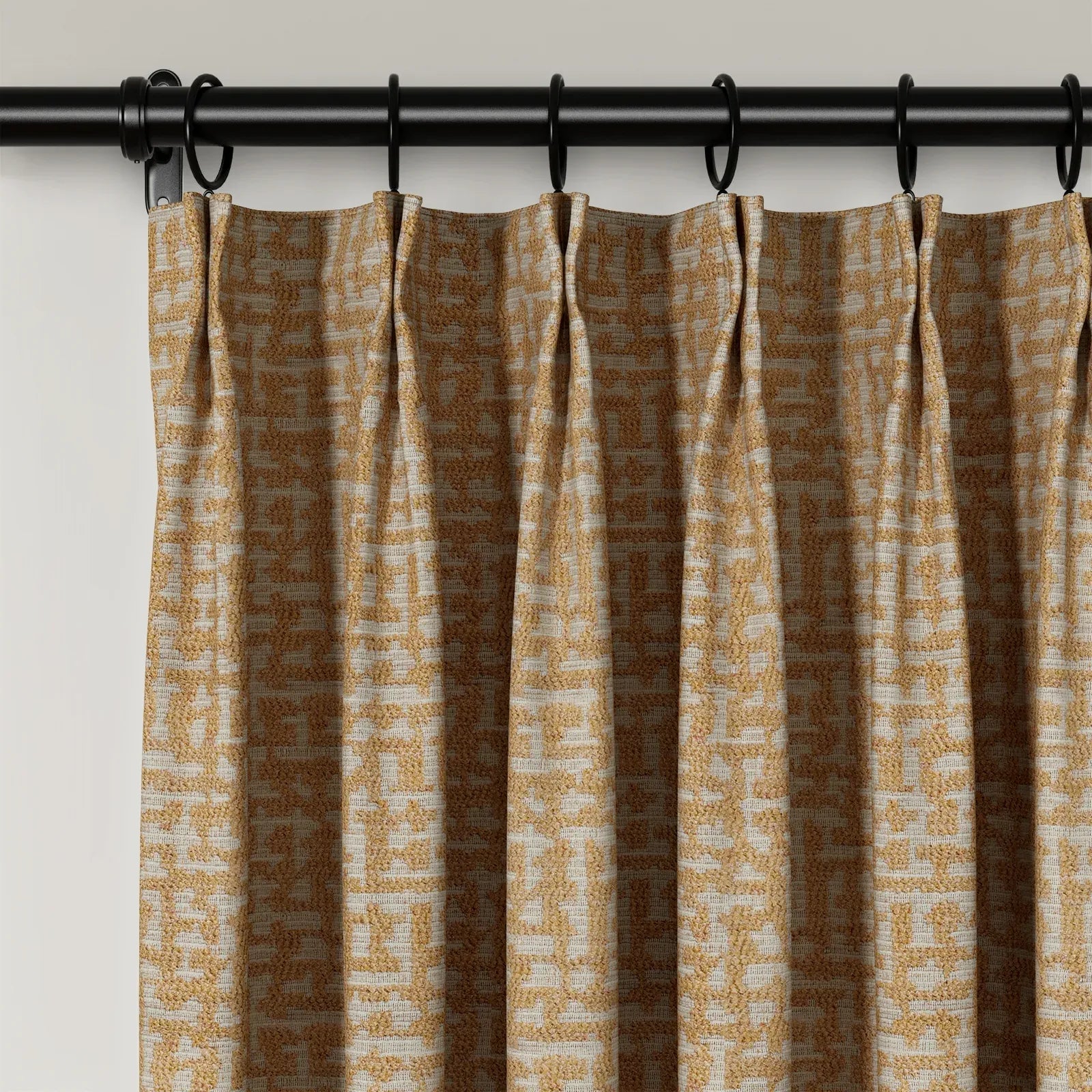
Twopagescurtains lists Liz as a triple pleated linen blend, offered in 38 colors and slub textures. The brand describes it as reaching a neutral, layered look without moving into heavier upholstery-weight fabric. That triple pleat heading supports the layered effect because grouped folds add visual depth even in a single, solid colorway.
Jawara is also triple pleated, made from cotton linen with yarn-dyed fibers for dimensional depth. Both Jawara and Patti have been included in a recognized seasonal design product guide, and the Jawara roman shade variant has separately been reviewed by House Beautiful. Jawara additionally comes as a cordless roman shade in a 73% linen and 27% cotton blend, carrying the same fiber character into a different window treatment format.
Pinch Pleated Elegance: The Patti Belgian Linen Line
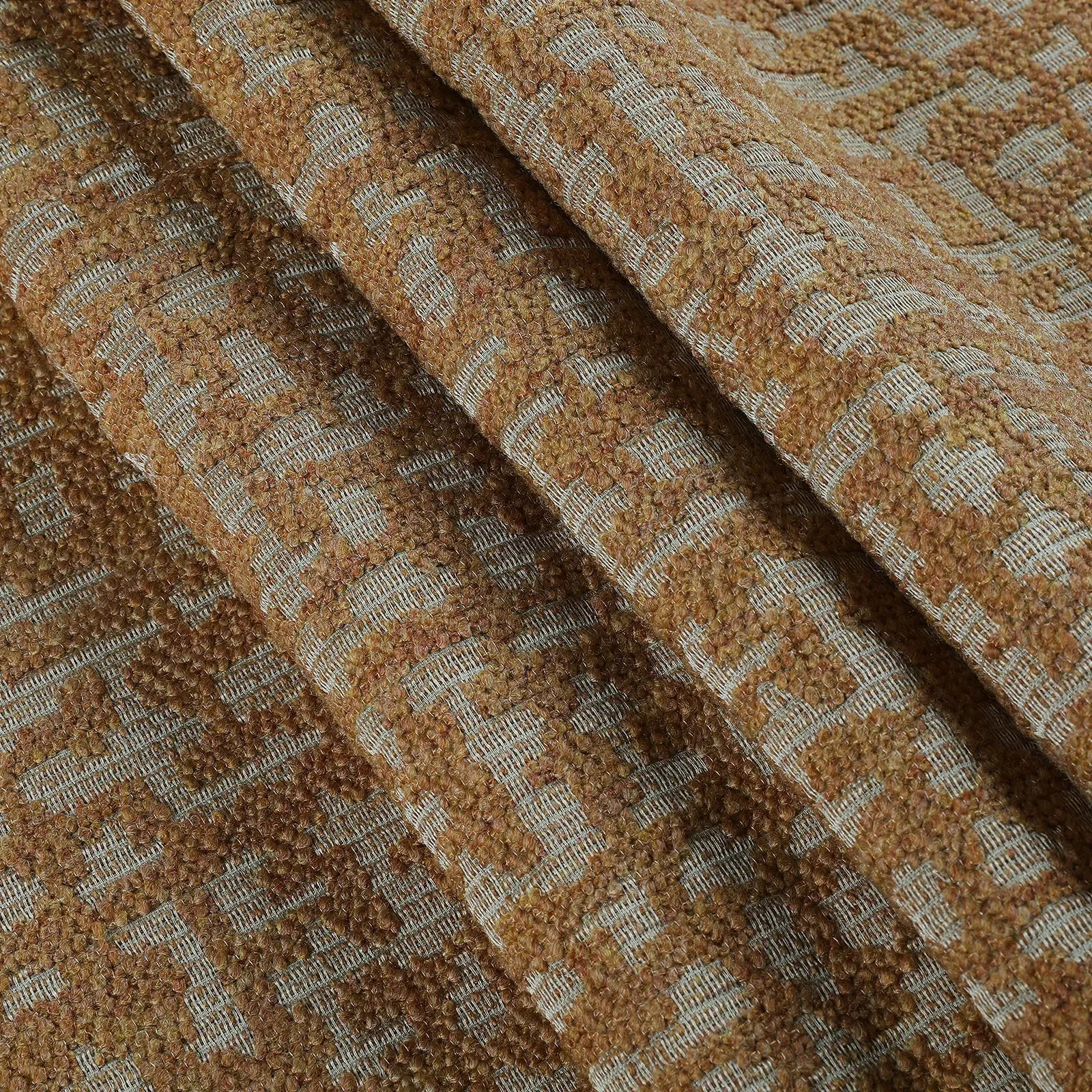
Patti is the collection built specifically around pinch pleats in the Twopagescurtains range. It is woven from 100% flax fibers, described as a premium Belgian linen with a naturally textured, airy look. The pinch pleat heading gives this linen a tighter, more defined fold at the top of the panel, which contrasts with the looser triple pleat clusters seen on Liz or Jawara.
Patti’s cordless roman shade uses the same Belgian linen weave as its pleated drapery counterpart, which keeps the color and texture consistent across two different treatment types. That pairing lets a single fabric story carry from a full-length panel to a flat-fold shade on an adjacent window. It is a practical option for rooms where a hallway window and a living room window share one design language.
Goblet Pleats and Relaxed Folds: Roman Shades and Alternative Silhouettes
The brand facts do not describe a named goblet pleat drapery collection, so the rounded, relaxed fold character shows up instead in Twopagescurtains‘ Relaxed Roman Shade line. This product uses a cord lift and is described as having an effortlessly soft design that brings a cozy, understated feel to a room. The folding behavior shares the same rounded quality associated with goblet pleats in drapery, even though the construction method differs.
For panels that sit between a tailored pleat and a loose fold, the brand also lists ripple fold draperies, shown framing French doors among its featured collections. Ripple fold is a separate heading style from pinch, triple, or goblet pleats, but it belongs in the same conversation about how fold spacing changes a window’s silhouette. Decorators weighing pleated drapery styles against ripple fold often focus on how evenly the fabric glides along a track.
Fabric Weight and Pleat Behavior: Linen, Cotton, and Velvet Considerations
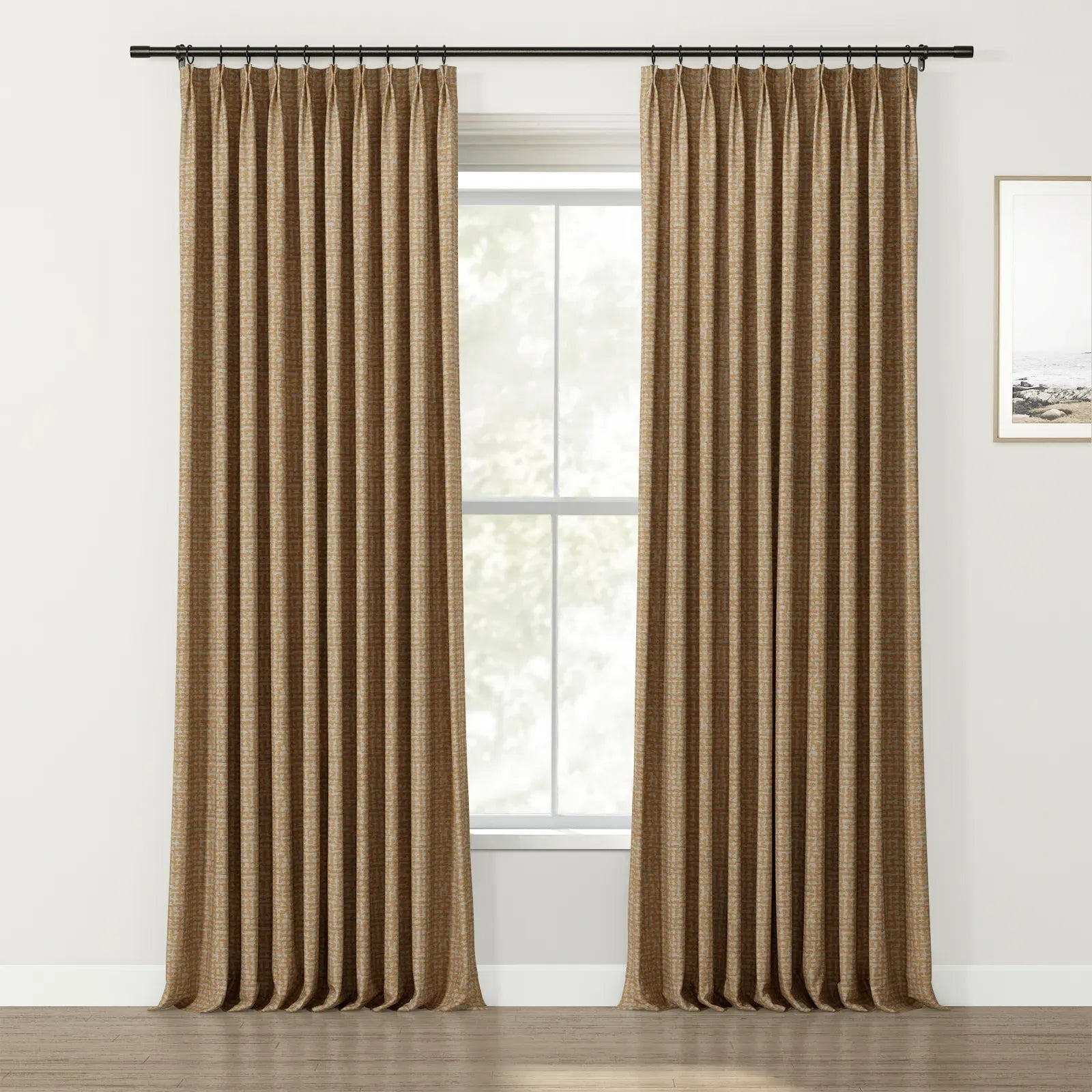
Fabric weight changes how any pleat structure holds its shape over time. The Isabella collection uses heavyweight cotton, described as forming a soft yet structured drape suited to bedroom settings. Heavier cotton tends to hold triple or pinch pleat folds with more definition than a lightweight sheer fabric would.
At the lighter end, the sheer curtain range includes pleated options such as Flynn and Scandina, built from airy fabrics that filter light rather than block it. For a denser option, the Birkin collection offers pleated polyester velvet curtains in white, ivory, and chocolate brown. Velvet’s density changes how the folds fall, generally producing a heavier, more dramatic column of fabric compared with linen or cotton sheers.
Twopagescurtains also carries pure wool curtains under the Karin name, described as pleated with a herringbone texture across multiple colorways. Wool is listed separately from the ripple fold and belt hook variants within the same Karin line, which use different heading constructions. That range shows how one fiber can appear across more than one pleat or fold style under a single collection name.
Pairing Pleated Styles with Rods and Hardware Selection
Hardware choice affects how a pleat type actually performs on a window. The brand lists the Barton Cafe Curtain Rod with Rings as a slender, understated option built to pair with cafe curtains in kitchens, breakfast nooks, and dining spaces. For ripple fold wool draperies, it instead lists ceiling and wall mount track systems, such as the Leo and Lora tracks, alongside a traverse rod option called Cato.
These hardware distinctions matter because a pinch or triple pleat drapery typically hangs from rings or hooks on a standard rod, while ripple fold panels run along a dedicated track. Twopagescurtains also offers a design consult service that includes guidance on suggested rods or tracks as part of a broader window treatment plan. That service covers layering options and light control choices alongside hardware recommendations, according to the brand’s own description of the offering.
- A pinch pleated panel in a heavier linen like Patti tends to hold a crisper vertical line in a formal living room window.
- Triple pleated panels in a lighter linen blend, such as Liz, often suit a layered look paired with sheers on wide windows.
- Goblet-style rounded folds, as seen in the Relaxed Roman Shade, read as more casual and pair with a cord lift rather than a full-length rod system.
- Ripple fold wool draperies need a dedicated track, such as Leo or Lora, rather than the rings used for most pinch or triple pleat styles.
- Heavier fabrics like velvet or heavyweight cotton generally produce a denser, more dramatic fold regardless of which pleat type is chosen.
- Lightweight sheers in a triple pleat heading, such as Flynn, create a softer, more translucent version of the same fold structure.
Choosing Between Pleat Structures
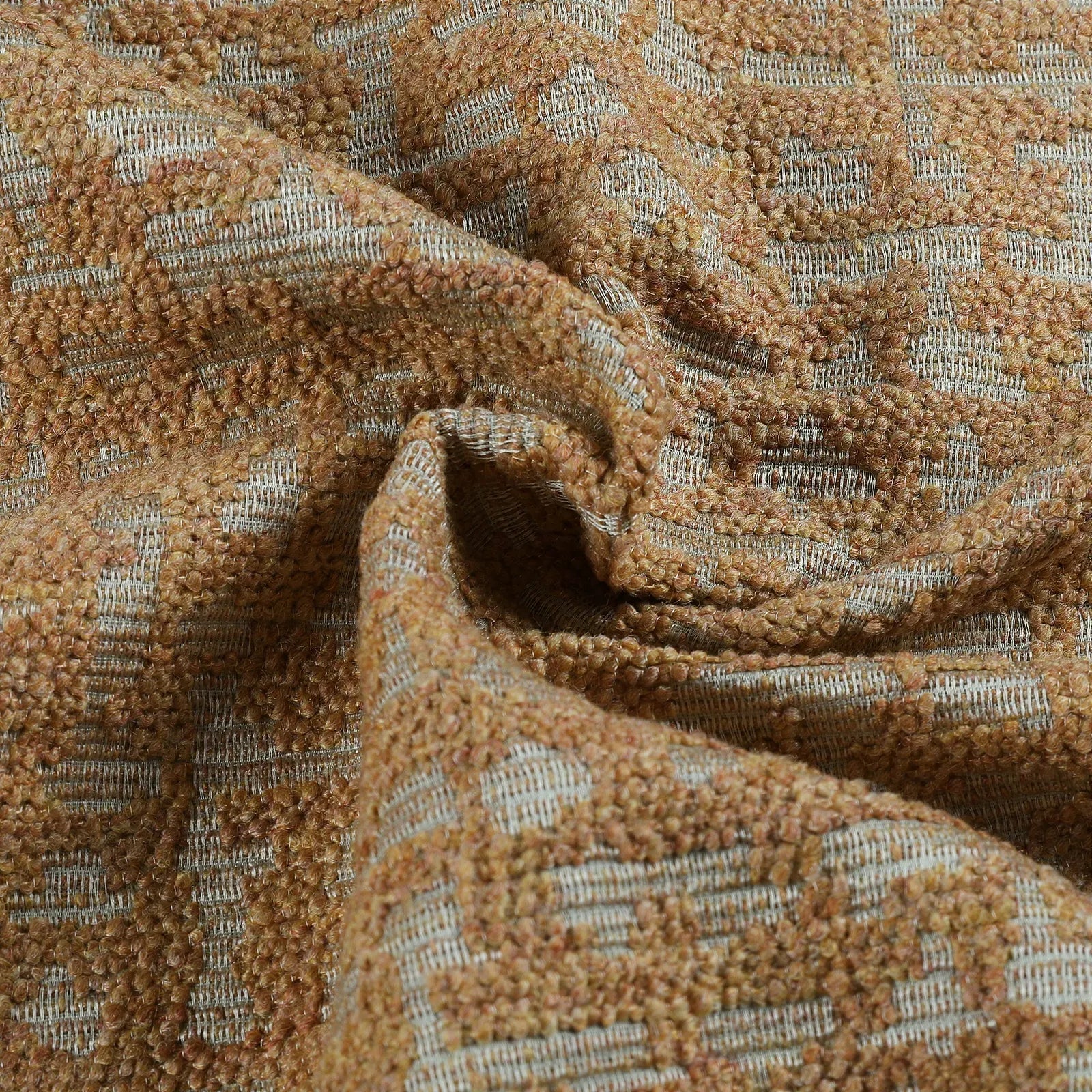
Deciding among pinch, triple, goblet-style, and ripple fold options comes down to balancing structure against softness for a given window. Pleated drapery styles spread across named collections with distinct fibers, from Belgian flax linen to pure wool, give decorators concrete combinations to compare rather than abstract categories alone.