




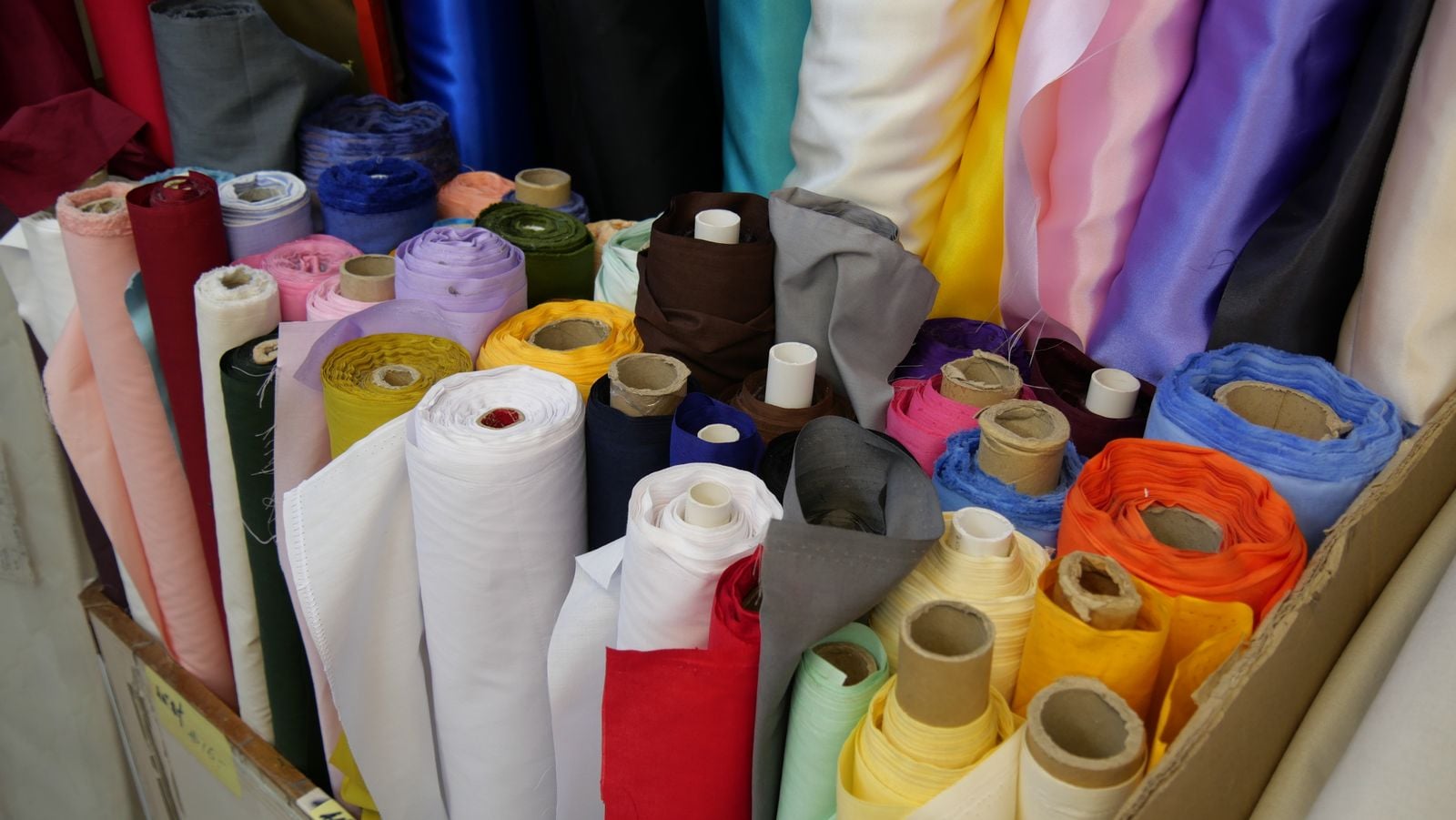
Finding genuine deadstock designer fabrics usually means hunting through small lots and hoping for the best, but a dedicated online range changes that picture. Minerva has built out a collection of rare textile remnants sourced from mills and fashion houses, giving home sewers a route to luxury cloth without the usual guesswork. The range sits alongside the rest of the Minerva fabric and pattern catalogue, and it grows with new arrivals on a regular basis.
What Deadstock Fabrics Are and Where Minerva Sources Them
Deadstock fabric is textile that a mill or fashion brand never used. It might be cloth left unsold after a production run, or a roll end that a design house no longer needs. Rather than letting it sit in a warehouse, suppliers pass it on, and It brings a selection of these pieces into its own catalogue. According to Minerva, new deadstock options arrive every month, so the range is not a one-off drop but an ongoing stream of stock.
Because each batch depends on what a mill or label has left over, the exact prints, weights, and colours shift from one delivery to the next. That is part of what separates deadstock designer fabrics from a dressmaking cotton reordered season after season. Shoppers browsing the category are effectively looking at a snapshot of whatever has become available recently, rather than a fixed, repeatable line.
Ex-Designer Deadstock: Luxury Brands and High-End Mill Remnants in the Range
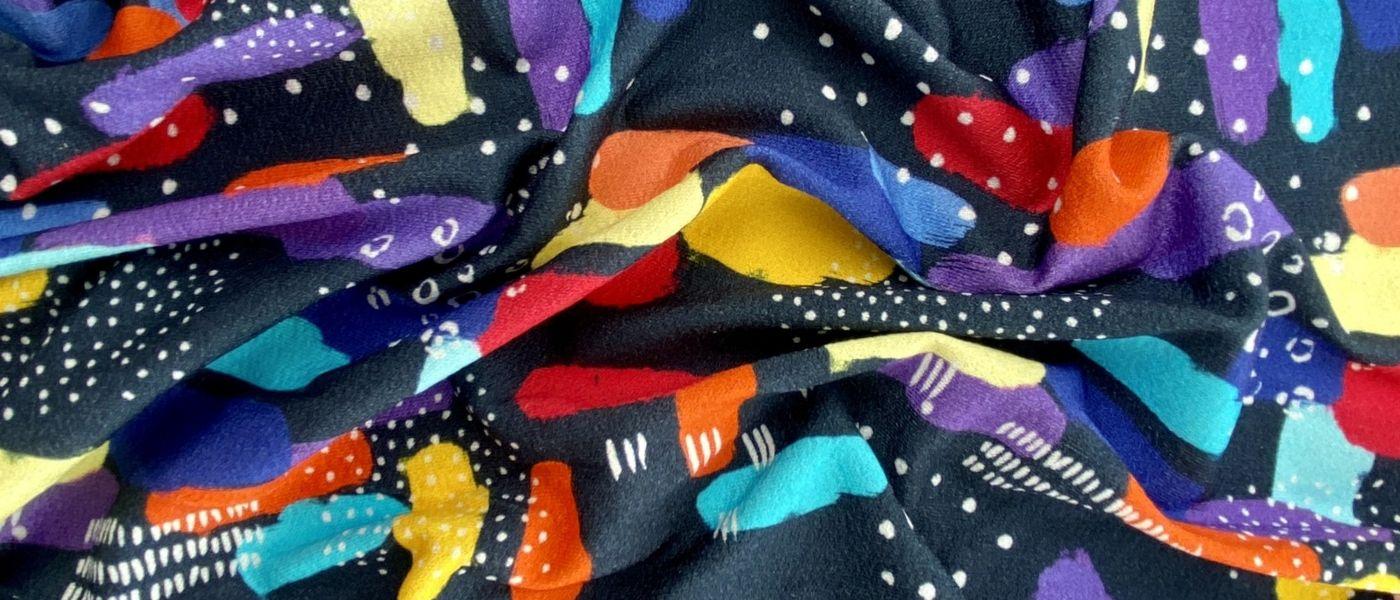
Minerva markets this part of the catalogue under the heading Ex-Designer Deadstock, and the description is specific about where the cloth originates. Many pieces have come from luxury design houses or high-end high street brands, which is a step up from generic surplus fabric. That sourcing is the reason the category gets described as a selection of rare gems rather than simple remnants.
The appeal is straightforward. Sewers gain access to cloth that once belonged to a designer production run, something not normally sold directly to the public. Because supply depends on what each brand or mill has left over, availability within the deadstock designer fabrics range tends to be limited and changeable rather than constant.
Building a Wardrobe with Designer Deadstock Fabrics
Sewing with deadstock cloth means working within whatever a given batch offers, rather than ordering a familiar fabric by the metre indefinitely. That can shape how a project gets planned. A piece bought this month might not reappear in the same print or colourway later, so a finished project built from it tends to stay fairly unique.
This also changes how pattern pairing gets approached. Since Ex-Designer Deadstock arrives in rotating small batches, sewers often treat each remnant as a standalone project rather than part of a long-running fabric line. That rotation is also how the category keeps offering variety, since new options are added every month rather than restocked in the same form.
Jersey, Challis, Lawn and Poplin in the Deadstock Selection
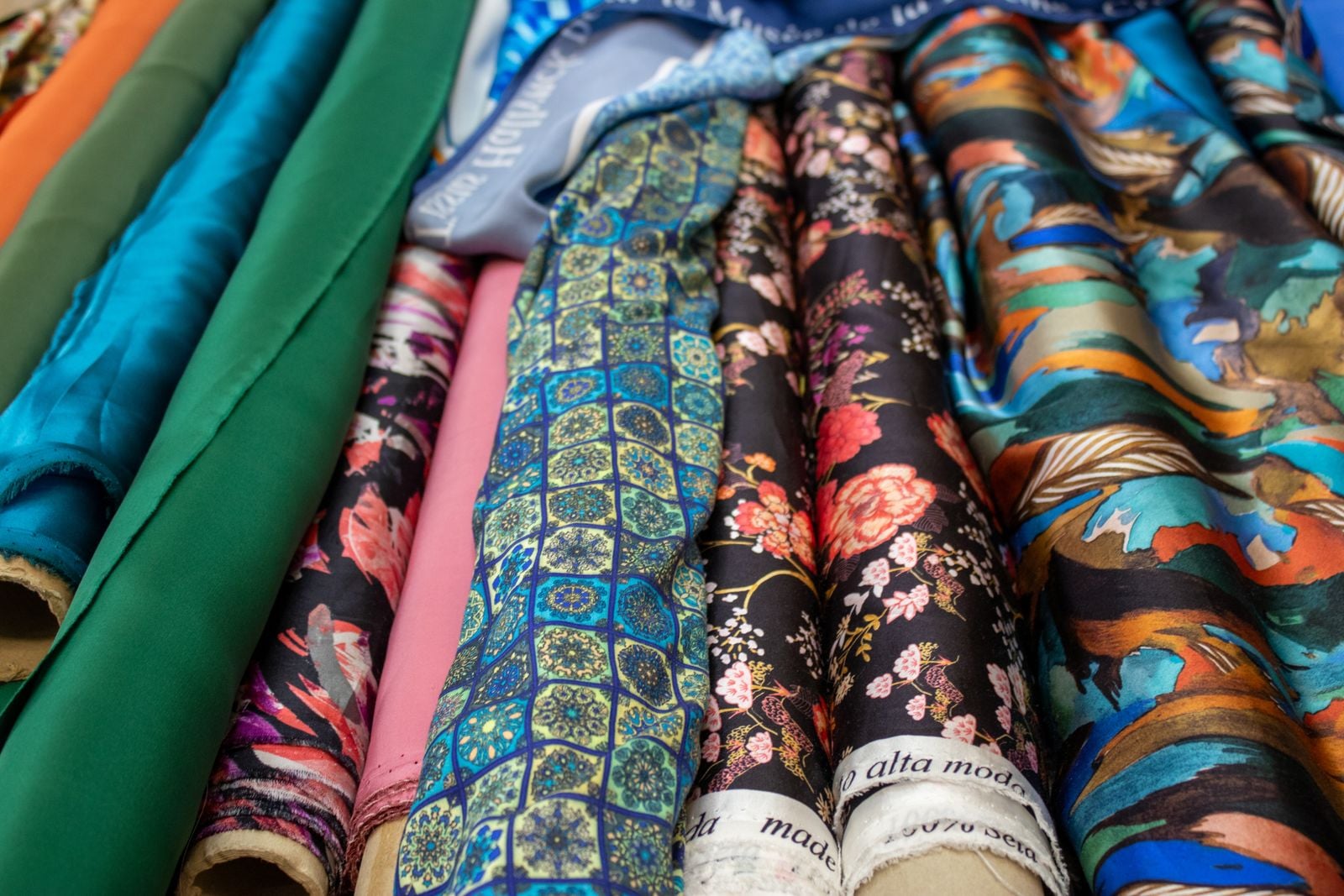
The wider Minerva site groups fabric by basecloth, and several of those familiar categories, including jersey, challis, lawn, and poplin, appear among the materials that turn up in deadstock form once a mill or brand has leftover stock to pass on. Each basecloth has its own handle and weight, which is why the shop organises itself by these categories in the first place. A jersey remnant behaves differently on the cutting table than a lawn or a poplin, even if both started life as designer surplus.
Other basecloth categories listed across the wider site, such as satin, denim, crepe, and chiffon, give a sense of the range of materials that can also surface as deadstock. Not every basecloth appears in deadstock form at every point, since what is available depends on what has become surplus. That is a natural consequence of sourcing from production leftovers rather than a dedicated manufacturing run.
- Jersey basecloth is typically used for close-fitting garments such as t-shirts, dresses, and loungewear.
- Challis is a lightweight, often drapey woven fabric suited to blouses and softly flowing skirts.
- Lawn is a fine, crisp cotton weave commonly chosen for shirts, dresses, and lightweight summer garments.
- Poplin is a tightly woven, smooth-finish fabric often used for shirting and structured dresses.
- Satin, denim, crepe, and chiffon round out the basecloth categories listed across the wider fabric range, each suited to a different type of garment.
Pairing Deadstock Fabrics with Minerva Sewing Patterns
Alongside fabric, Minerva sells sewing patterns across categories including dresses, tops, trousers, skirts, jackets, jumpsuits, sweaters, and shirts. Having both fabric and patterns listed within the same catalogue makes it possible to look at a deadstock remnant and a pattern category side by side before committing to a project. The brand has also offered free sewing patterns through sign-up promotions, including a set developed with McCall’s, which sit alongside the regular pattern catalogue.
Pattern choice naturally depends on how much yardage a given deadstock piece offers, since remnant lengths vary more than fabric sold continuously by the metre. A structured poplin or satin deadstock find suits the same kind of shirt or dress pattern it would if bought as ordinary yardage. The difference lies in sourcing the cloth from a limited, designer-linked batch rather than an open-ended fabric run.
Sustainable Sewing: The Environmental Case for Deadstock Textiles
Minerva frames its deadstock range partly in environmental terms, describing it as a way to save fabric from landfill. Leftover mill stock and unused production-run cloth would otherwise go unsold and eventually be discarded, so routing it into home sewing projects gives that material a second use. This logic applies broadly across the deadstock textile category, not only to designer-linked offcuts.
For anyone drawn to sustainable sewing as a practice, working with deadstock designer fabrics offers a way to combine that interest with access to higher-end cloth. The surplus nature of the stock means supply is tied to what mills and brands have left over, rather than to continuous manufacturing. That is simply how deadstock as a category operates, regardless of which retailer is selling it.
Minerva‘s Craft Club membership and ongoing offers are additional ways to shop the wider catalogue, including deadstock arrivals, more regularly. New deadstock fabric is added on an ongoing basis, so checking back periodically is the main way to see what has most recently become available.
Closing Thought
Deadstock remains, by nature, unpredictable stock rather than a fixed product line. That unpredictability is exactly what gives each remnant its particular appeal.