



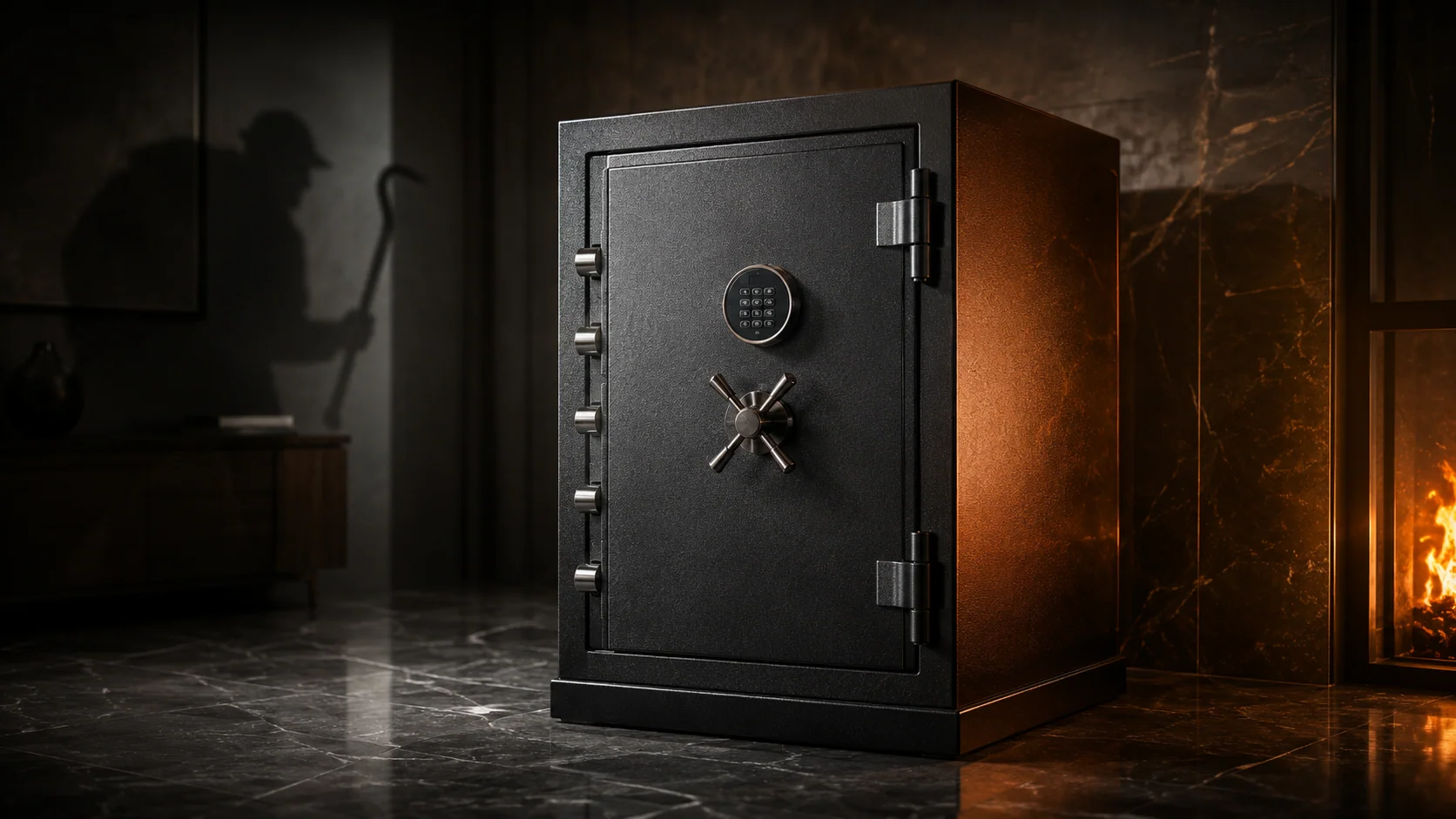
Deciding between fireproof vs standard safes starts with understanding what each design is actually built to survive. A standard security Safe is engineered mainly to resist forced or opportunist entry, while a fireproof safe adds a layer of thermal defence for paper, cash, and digital media. It stocks both types across a wide range of brands, sizes, and insurance ratings, which makes the distinction worth examining before deciding what belongs in a home or office. The comparison of safes becomes clearer once fire duration, construction, and cash cover are looked at separately.
What Fire Ratings Mean: 30-Minute, 60-Minute, and Extended Protection Explained
Fire ratings describe how long a Safe‘s interior stays below a damaging temperature during a blaze. Within its fireproof range, Safe groups products into 30 minute, 60 minute, 90 minute, and 120 minute bands, and filtering tools also let shoppers isolate listings offering a full 1 hour or 2 hour window of protection. A 30-minute rating suits shorter exposure scenarios, whereas a 120-minute option targets extended fire events. This banded structure is one of the clearest ways to compare fireproof vs standard safes, since standard models rarely carry any fire rating at all.
Fireproof Safe Construction: How Steel Thickness and Insulation Create Fire Resistance
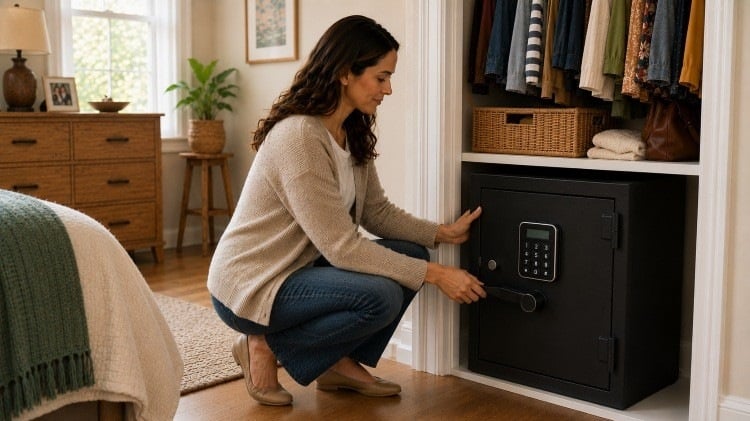
Fireproof safes are built differently from standard units because they need to manage heat as well as physical attack. Across the The brand fireproof category, brands such as Chubbsafes, Phoenix, Burg Wachter, De Raat, and Securikey list models spanning the full 30 to 120 minute fire-rating spread, often alongside carpet lining, interior lighting, and shelf or drawer layouts for organising contents inside the protected cavity. Weight bands on these listings run from the lightest class up through the 150-199 kg range, reflecting how insulation and reinforced construction add bulk compared with lighter standard safes. That added bulk is a visible marker of fireproof vs standard safes sitting in different weight classes for broadly similar external dimensions.
Standard Security Safes vs. Fireproof Models: Key Technical Differences
Standard security safes on the site are generally organised around insurance ratings rather than fire ratings, and within the home safes category a large majority of listed products show no fire rating at all, compared with smaller counts spread across the 30, 60, 90, and 120 minute bands; both safe types still carry insurance ratings regardless of fire protection, because that figure reflects resistance to attack and cash cover rather than fire survival. That split illustrates the core technical distinction in safes, since one category is optimised chiefly against burglary while the other adds thermal defence as a named, separately tested feature. Locking mechanisms also vary across both groups, spanning key, digital keypad, fingerprint, and dual locking options, so lock type alone never indicates whether a model is fireproof.
Insurance Ratings and Cash Protection: Fireproof vs. Non-Fireproof Safes
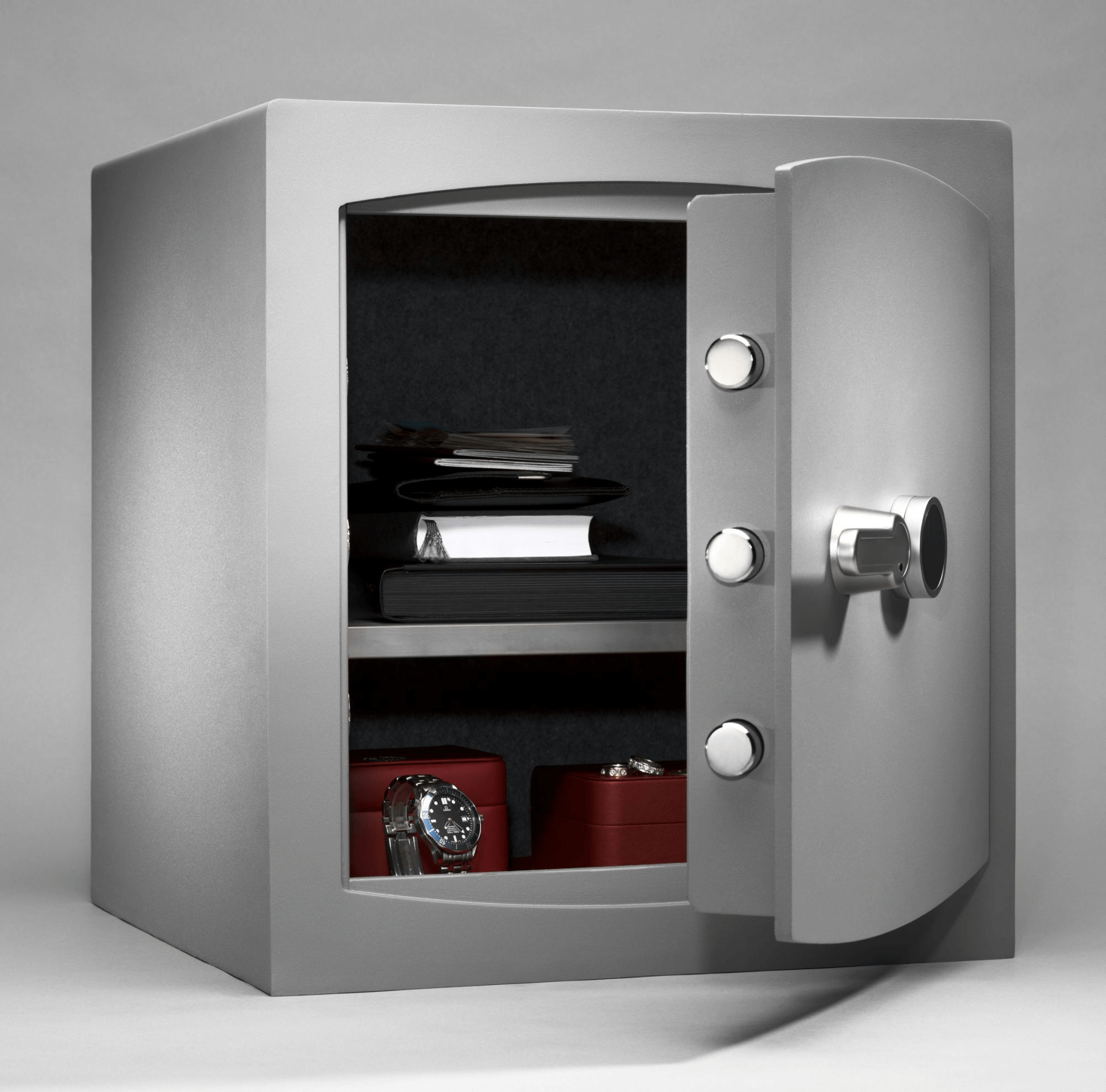
Insurance ratings on Safe span multiple cash-cover bands, from lower tiers through to the highest levels offered on eurograde and high-security models. Fireproof listings appear across that entire spread, which shows that fire protection and insurance-approved security are tracked as two separate specifications rather than one implying the other. A buyer comparing fireproof vs standard safes for cash or valuables typically needs to check both the fire-rating filter and the insurance-rating filter before settling on a model. High security safes on the site, for example, are certified to Eurograde 2 or higher and list cash ratings that run well beyond the bands seen on standard home safes.
Digital Media and Document Protection in Fireproof Safes
One area where fireproof safes clearly diverge from standard models is media protection. It’s fireproof category filters products by exactly what they protect, including paper, all digital media, lithium-ion batteries, external hard drives, A4 documents, A5 documents, CD/DVD, USB sticks, tapes and film, and suspension filing. This level of detail matters because paper and digital storage media fail at different temperatures, so a Safe rated for general paper protection will not necessarily suit hard drives or tape. Standard security safes, by contrast, are mostly described in terms of general capacity and insurance rating rather than named media-protection categories.
- Paper records and A4 documents are protected across 334 listed fireproof products.
- All digital media protection is specified on 85 fireproof safe listings.
- External hard drive protection appears as a distinct filter across 85 products in the fireproof range.
- USB stick protection is listed separately, also covering 85 fireproof safe models.
- CD and DVD protection is marked on 85 fireproof listings as well.
- Tapes and film protection is a narrower category, covering 32 fireproof products.
- Lithium-ion battery protection is offered on a smaller set of 9 fireproof safes.
- Standard security safes are generally built around protecting cash, jewellery, and valuables from theft rather than listing specific media compatibility.
Selecting a Fireproof or Standard Safe for Different Storage Needs
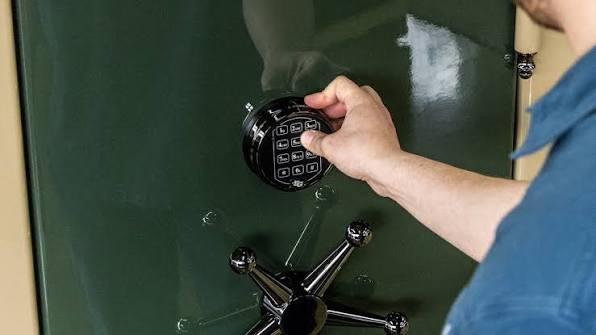
The right category depends heavily on what is being stored rather than on general preference. Home safes listings include a sizeable share of fireproof models alongside non-fireproof options suited purely to theft resistance. Locking type, fixing method such as floor, wall, or both, and capacity in litres all vary independently of fire rating, so each specification needs checking on its own terms. For items like jewellery, firearms, or paperwork, filtering across home, high security, and fireproof categories allows narrowing by insurance rating, fire rating, protection type, and fixings all at once, which keeps the comparison of fireproof vs standard safes practical rather than theoretical.
Ultimately, matching fire duration, insurance cover, and media protection to what actually needs safeguarding matters more than picking one Safe type by default.