




Riders comparing RST textile leather jackets online often want to understand how textile and leather construction differ before deciding what suits actual riding conditions. Webbsmotorcycles has traded from its Lincoln and Peterborough showrooms for over 50 years, and its clothing range sits alongside a full Triumph and Yamaha dealership business. That long-running stock of jackets, boots, and helmets gives a useful starting point for looking at how textile and leather garments are built, worn, and maintained.
Textile Motorcycle Jackets: Construction, CE Ratings, and Layering Capability
Textile motorcycle jackets are built from woven synthetic fabric, often reinforced with denser panels at the shoulders and elbows. These fabrics are usually treated or laminated to resist water, which gives textile construction an advantage in changeable weather. Many textile jackets also carry removable thermal liners, so a single garment adjusts across seasons instead of being replaced outright.
CE-rated armour pockets are standard across most modern textile jackets, holding shoulder, elbow, and sometimes back protection in place. Because textile fabric weighs less than hide, jackets built this way can carry more ventilation panels and zip vents without adding bulk. The Venti Track Sport Waterproof Textile Jacket, stocked by Webbsmotorcycles, reflects this lighter, vent-friendly approach to everyday riding.
Leather Motorcycle Jackets: Abrasion Resistance and Long-Term Durability Characteristics
Leather has long been associated with motorcycle wear because of how the material behaves against tarmac. A tightly grained hide resists tearing and spreads impact force across a wider surface, which is one reason leather remains common for sport-focused riding. Leather jackets generally rely less on multiple fabric layers and more on the density of the hide itself.
Over time, leather develops a patina and softens with use, something textile fabric does not do in the same way. This changes how a jacket feels after repeated wear compared with when it was new. Webbsmotorcycles lists leather options including the Triumph Braddan Leather Motorcycle Jacket and the Triumph Braddan Air Race Leather Jacket, both built around that traditional hide construction.
CE-Rated Jackets: Comparing Textile and Leather Options Side by Side
Jacket ranges that share a CE rating across both textile and leather construction let riders compare protection levels without changing the certified safety standard. The material choice then becomes a matter of climate, riding style, and comfort rather than a trade-off in protection itself. Shoppers researching RST textile leather jackets as a category often apply the same comparison logic to other brands, and Webbsmotorcycles places leather pieces such as the Venti Ace Leather Jacket next to textile options like the Triumph Triple Sports Tritech Waterproof Textile Jacket within the same section.
Because Webbsmotorcycles groups motorcycle jackets from several brands close together on its site, comparing a textile jacket against a leather equivalent does not require moving between separate retailers. Shoppers can review cut, armour placement, and venting details across both material types in a single browsing session, which is exactly what anyone weighing textile against leather construction tends to want before narrowing down a choice.
Touring and Sport Lines: Textile Design and Leather in Different Riding Contexts
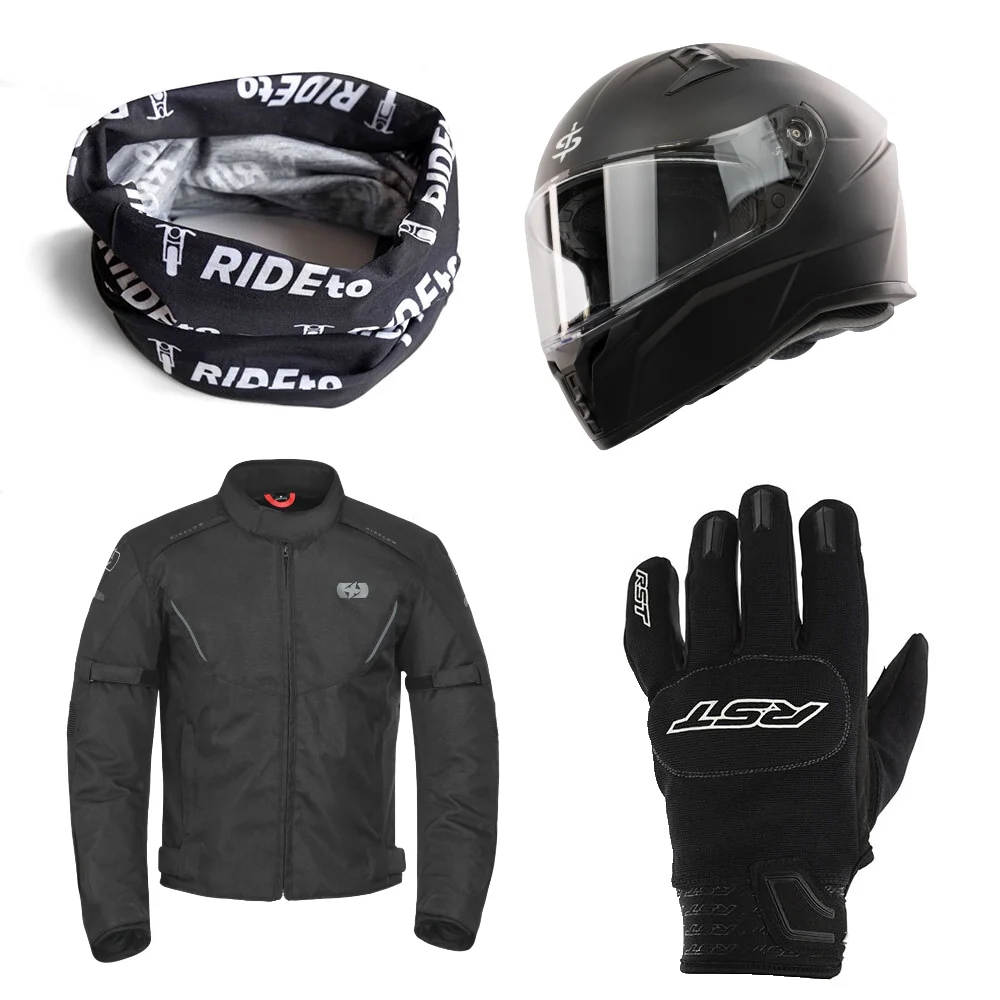
Touring-style textile jackets are usually built with long rides in mind, carrying larger storage pockets, adjustable waist and cuff fastenings, and heavier-duty waterproof membranes. These features matter more on multi-day trips than on short sport rides, where a leather jacket’s closer fit takes priority instead. Webbsmotorcycles stocks touring-oriented textile pieces including the Venti Descent Waterproof Textile Jacket and the Venti Channel 2.0 Waterproof Textile Jacket, both aimed at exactly this kind of use.
Textile construction also tends to suit layering over base layers in colder months, extending how a single jacket performs across a wider temperature range. The Triumph Tourer Lite Jacket reflects that same touring-first approach, while mesh-panelled pieces such as the Venti Rev Up Mesh Jacket show how textile design adapts for warmer conditions that a close-fitted leather jacket handles less comfortably.
Back Protector Technology and Jacket Integration
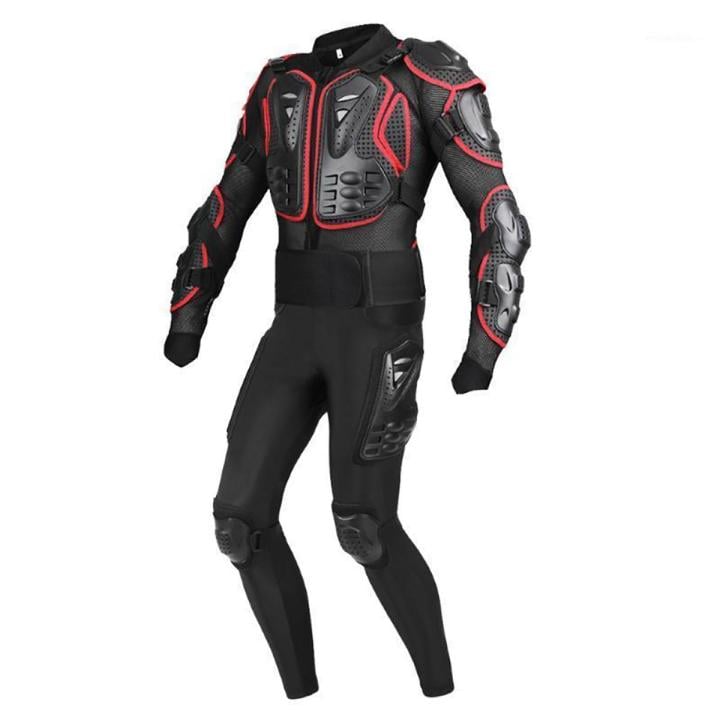
Back protectors built from impact-absorbing foam are typically designed to slot into a dedicated pocket inside the jacket lining. Both textile and leather jackets commonly include this pocket as standard, meaning the outer material does not dictate whether a protector can be fitted. What differs is how the surrounding fabric or hide behaves alongside that protector during a slide, since each material spreads and absorbs force differently.
Riders assembling a full kit often choose a back protector separately from the jacket, then confirm it fits the jacket’s internal pocket dimensions. Webbsmotorcycles lists protective clothing accessories alongside its jacket range, which allows that kind of pairing within one order. Checking pocket dimensions before buying a standalone protector remains a sensible step regardless of material choice.
Maintenance, Care, and Lifespan Expectations for Each Material
Textile jackets generally tolerate machine-safe cleaning methods more easily than leather, though manufacturer care instructions should always take priority over general assumptions. Reproofing sprays help maintain a textile jacket’s water resistance once its factory coating starts to wear thin. This kind of upkeep is relatively quick and does not require specialist products in most cases.
Leather jackets ask for a different kind of attention, typically involving conditioning treatments that keep the hide supple and help prevent cracking. Skipping that step over several years can leave leather stiffer and more prone to surface damage. Webbsmotorcycles offers next day delivery on clothing orders, which is worth factoring in when planning a replacement purchase for either material.
- Textile jackets generally rely on laminated or coated fabric panels, while leather jackets depend on the density and grain of the hide itself.
- CE armour pockets for shoulders, elbows, and backs appear across both material types rather than being exclusive to one.
- Textile designs more easily accommodate removable thermal liners, giving one jacket a wider seasonal range.
- Leather softens and develops a patina with age, whereas textile fabric tends to hold its original texture for longer.
- Touring-oriented textile jackets often include larger storage and adjustable fastenings not typically found on close-fitting leather designs.
- Maintenance routines differ sharply, with textile favouring reproofing sprays and leather requiring conditioning treatments.
Comfort, climate, and riding position all weigh into the choice between textile and leather as much as certified protection does.