




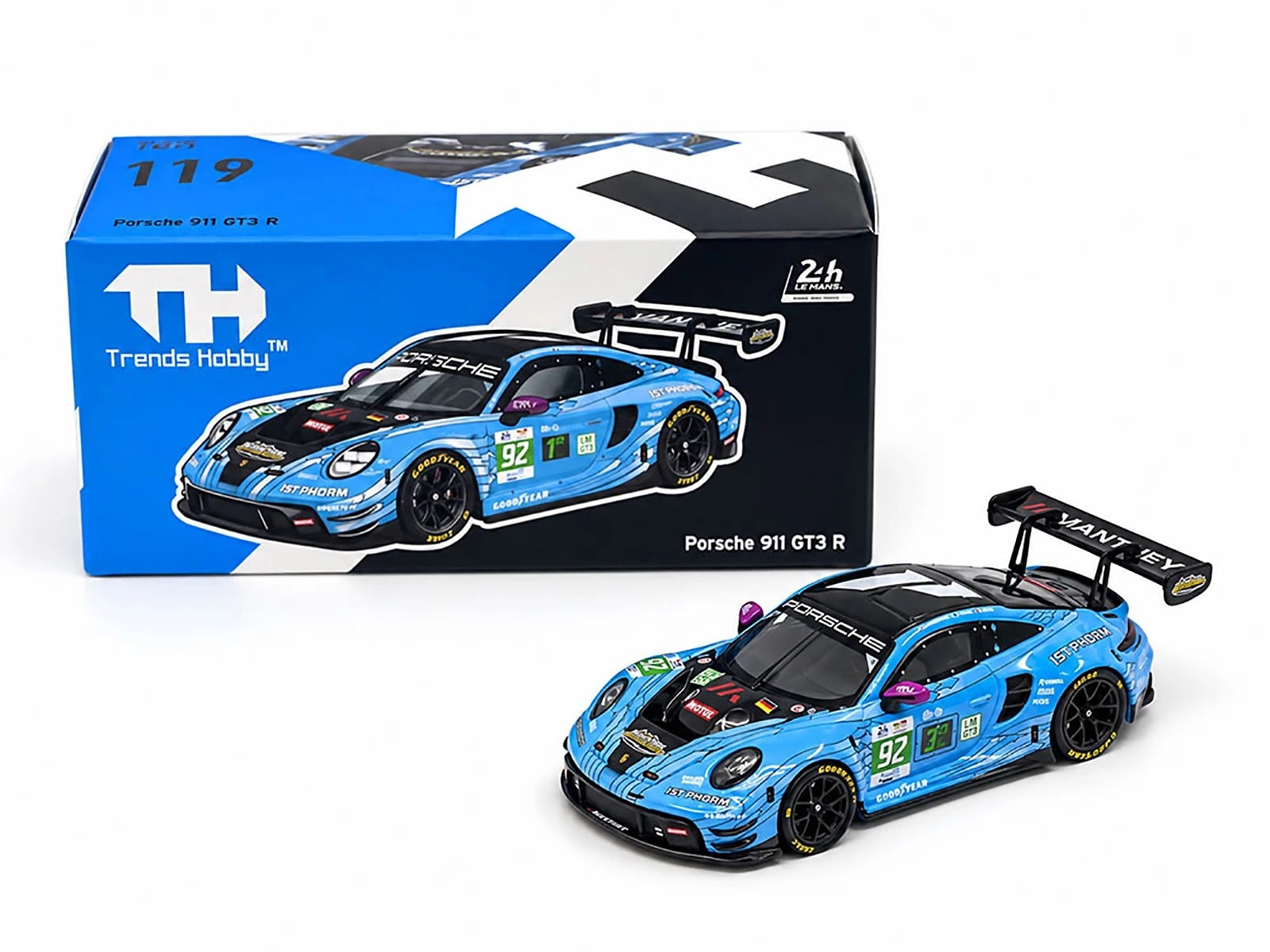
Diecast collecting becomes much easier once scale is understood. The ratio printed on a model affects its physical size, the amount of visible detail, the space needed for display and the way several vehicles look together. A collector who understands that relationship can make more consistent choices and avoid buying models that do not fit the intended shelf or theme. Retailers such as Diecast Models Wholesale organize models by scale, which makes the ratio one of the most useful starting points for comparing options.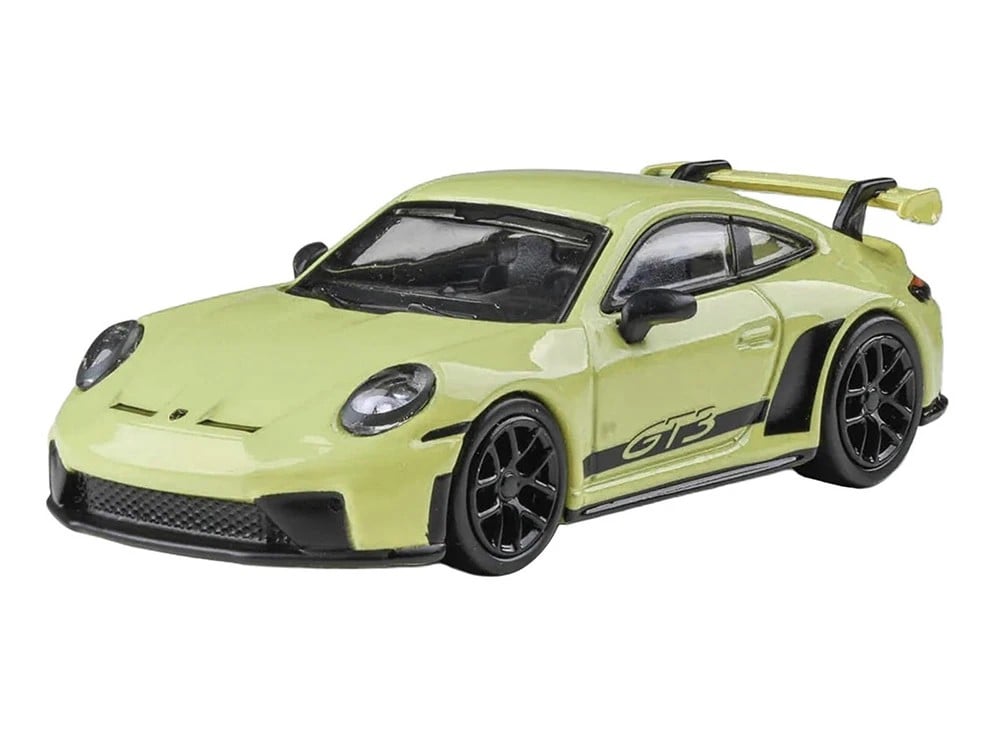
Why scale changes everything
A scale ratio describes how much smaller a model is than the real vehicle. A 1 to 18 model represents the original at one eighteenth of full size, while a 1 to 64 model is much smaller. The exact length still depends on the real vehicle. A long limousine in 1 to 43 can be longer than a compact hatchback in the same scale, so the ratio is best treated as a consistent proportion rather than a guaranteed measurement.
Scale influences more than shelf space. Larger models generally have more room for fine details such as interior trim, engine components, opening panels and realistic wheel designs. Smaller scales make it possible to build a broader collection in the same area. A buyer browsing Diecast Models Wholesale may see common options such as 1 to 18, 1 to 24, 1 to 32, 1 to 43 and 1 to 64, each of which creates a different balance between visual presence and storage efficiency.
Reading common scale ratios
A 1 to 18 car often has a strong display presence and can be roughly ten inches long, depending on the vehicle represented. The format suits collectors who enjoy examining details at close range and who have enough room for individual display cases. A 1 to 24 model is still substantial but usually easier to place on bookcases or cabinets. It often works well for collections that need visible detail without the footprint of the largest mainstream formats.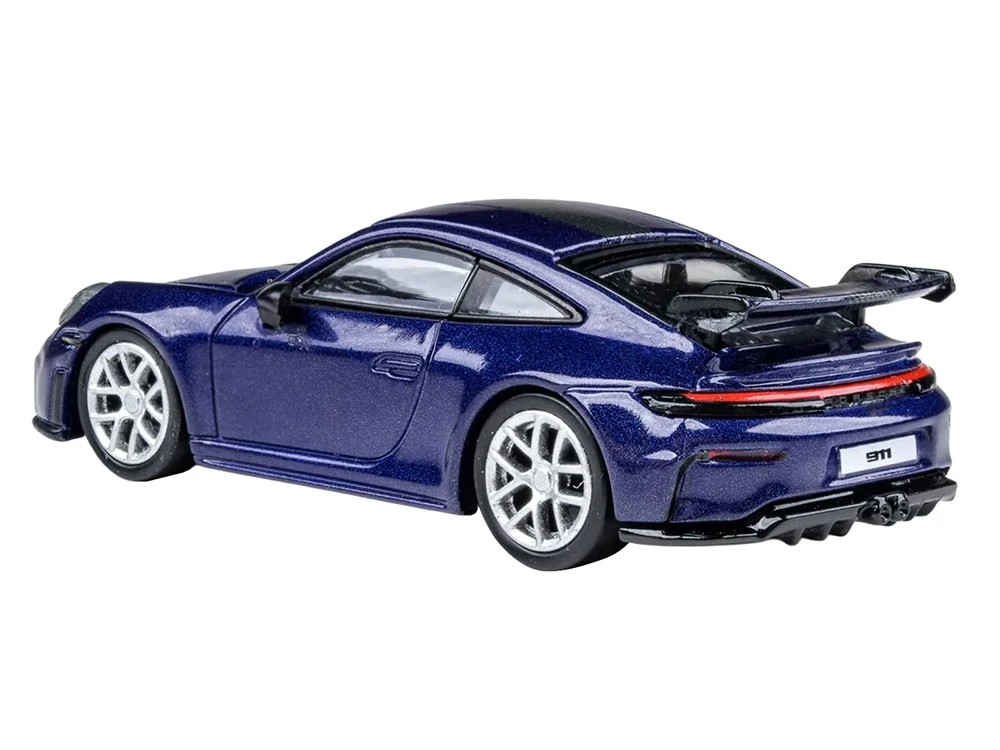
Smaller ratios shift the emphasis. A 1 to 43 model can be around four inches long and allows many cars to sit together without dominating a room. A 1 to 64 model can be around three inches long and is particularly practical for broad themes, fleets and long-running collections. Diecast Models Wholesale also lists less common scales, so collectors are not limited to a single standard when a specific aircraft, truck, motorcycle or specialty vehicle is the priority.
The same ratio should ideally be used when visual consistency matters. A row of race cars in one scale has a clear sense of proportion because differences in vehicle size remain meaningful. Mixed scales can still work, but they look more deliberate when separated by shelf, category or display zone rather than placed in a single line.
A simple comparison checklist
A scale decision becomes clearer when several practical questions are answered before a purchase. The following checks keep the choice tied to the actual collection rather than to a product image viewed in isolation.
- The available shelf width and depth should be measured before a larger scale is selected.
- The intended number of models should be estimated so the collection has room to expand.
- Display cases should be matched to the model scale and the actual exterior dimensions.
- The preferred level of visible interior and exterior detail should influence the scale choice.
- Mixed scales should be planned as separate groups when a uniform visual line is important.
Collectors comparing dimensions on Diecast Models Wholesale can use the scale guide as a quick reference, but product measurements remain important when the fit is tight. Trucks, buses, aircraft and long-bodied cars can exceed the dimensions associated with a typical passenger car in the same ratio. Packaging also deserves separate consideration because boxed models require more room than models displayed loose.
Choosing a scale that can grow
The strongest scale choice is usually the one that supports future collecting habits. A person who prefers a few statement pieces may be satisfied with 1 to 18. A collector interested in movie cars, racing liveries or many versions of the same marque may find 1 to 43 or 1 to 64 more sustainable. A middle scale such as 1 to 24 can provide a useful compromise for homes where both detail and space matter.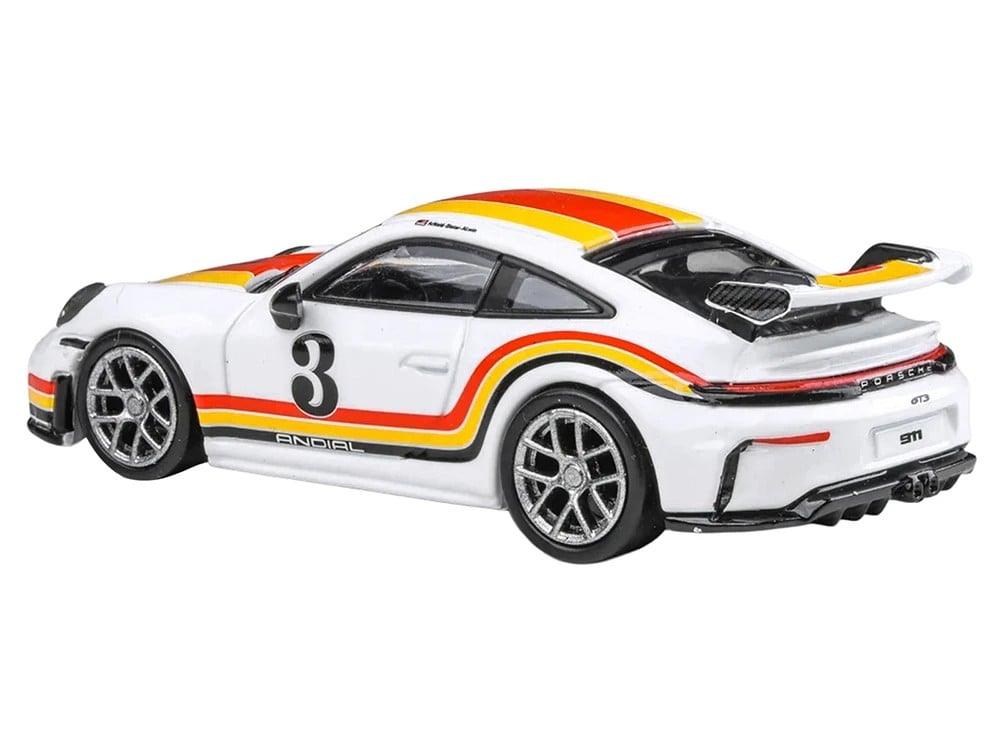
Budget also interacts with scale, although size alone does not determine price. Manufacturer, licensing, materials, production quantity and complexity can all affect cost. A smaller limited edition can cost more than a larger mass-market model. Scale therefore works best as the first filter rather than the only filter. Product type and maker can then narrow the decision further.
A consistent collection does not need to be rigid. Some collectors keep one main scale for cars and choose different scales for aircraft, construction equipment or motorcycles because the real objects vary so much in size. Diecast Models Wholesale presents categories across many vehicle types, making that kind of structured variety possible without forcing every subject into the same physical format.
Understanding scale turns a confusing set of numbers into a practical planning tool. Once the available space, desired detail and likely collection size are clear, the ratio becomes easier to choose. That groundwork helps each new model feel intentional and gives the collection enough room to develop without constant rearrangement.