




Plant based eating benefits from planning rather than perfection
A plant-based diet can be varied, satisfying and protein-rich, but busy schedules sometimes make the convenient choices less balanced. A breakfast grabbed on the way out, a light lunch and a quick evening meal can leave protein unevenly distributed across the day. The issue is not that plant foods cannot provide protein. It is that convenience can push the same low-protein meals into the routine again and again.
A simple plan solves much of that problem. Beans, lentils, tofu, tempeh, soya foods, grains, nuts and seeds can form the base. A protein powder can then provide a fast option when cooking is not practical. The vegan range at bulk.com includes blended protein powders as well as single-source options and snack products, giving plant-based eaters several formats to choose from.
Build meals around a visible protein source
One useful habit is to identify the protein source before building the rest of the meal. At breakfast, that might be fortified soya yoghurt, oats and seeds. At lunch, it could be lentils, tofu or beans. Dinner might use tempeh, a bean-based dish or another plant protein alongside vegetables and grains.
This way of planning does not require detailed tracking for everyone. It simply makes protein less likely to become an afterthought. It also encourages variety, which matters because plant foods offer different nutrient profiles and textures.
Vegan Protein Powder from bulk.com is designed as a convenient shake option for people who avoid dairy or prefer a plant-based alternative. The official product information lists several flavours and multiple pack sizes, which can make it easier to match a purchase to normal use rather than buying around short-term enthusiasm.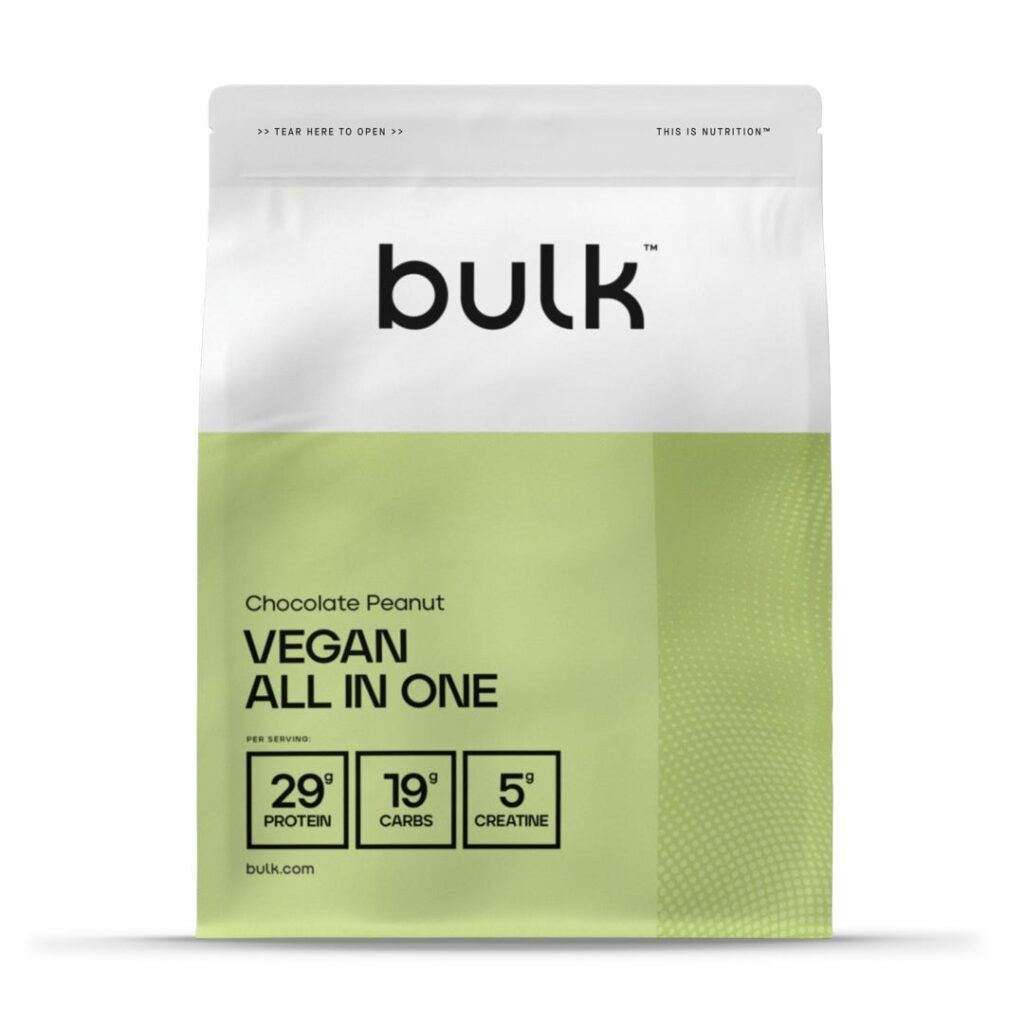
Use powder where it genuinely saves time
Protein powder is useful when it solves a practical problem. It can turn a basic smoothie into a more substantial breakfast, add protein to porridge or provide a quick drink after exercise. It can also be kept at work for days when lunch is delayed. Those are small uses, but they are exactly the situations where convenience matters.
A simple plant-based protein toolkit might include the following.
- A neutral or lightly flavoured protein powder for breakfast and smoothies
- Tinned beans or lentils for fast meals
- Tofu or tempeh for cooked dishes
- Nuts and seeds for texture and energy
- A portable protein snack for travel or long workdays
Products from bulk.com can fill the convenience part of that toolkit while ordinary foods provide the wider base. That balance helps keep the diet varied instead of allowing shakes to become the default answer to every meal.
Look beyond the protein number
Protein content matters, but it is not the only label detail worth checking. Ingredients, allergens, flavourings, sweeteners and serving size can all affect whether a product is pleasant to use regularly. Someone with a soya allergy needs a different option from someone who simply avoids dairy. A person who prefers neutral flavours may also be happier with a single-source powder that can be mixed into food.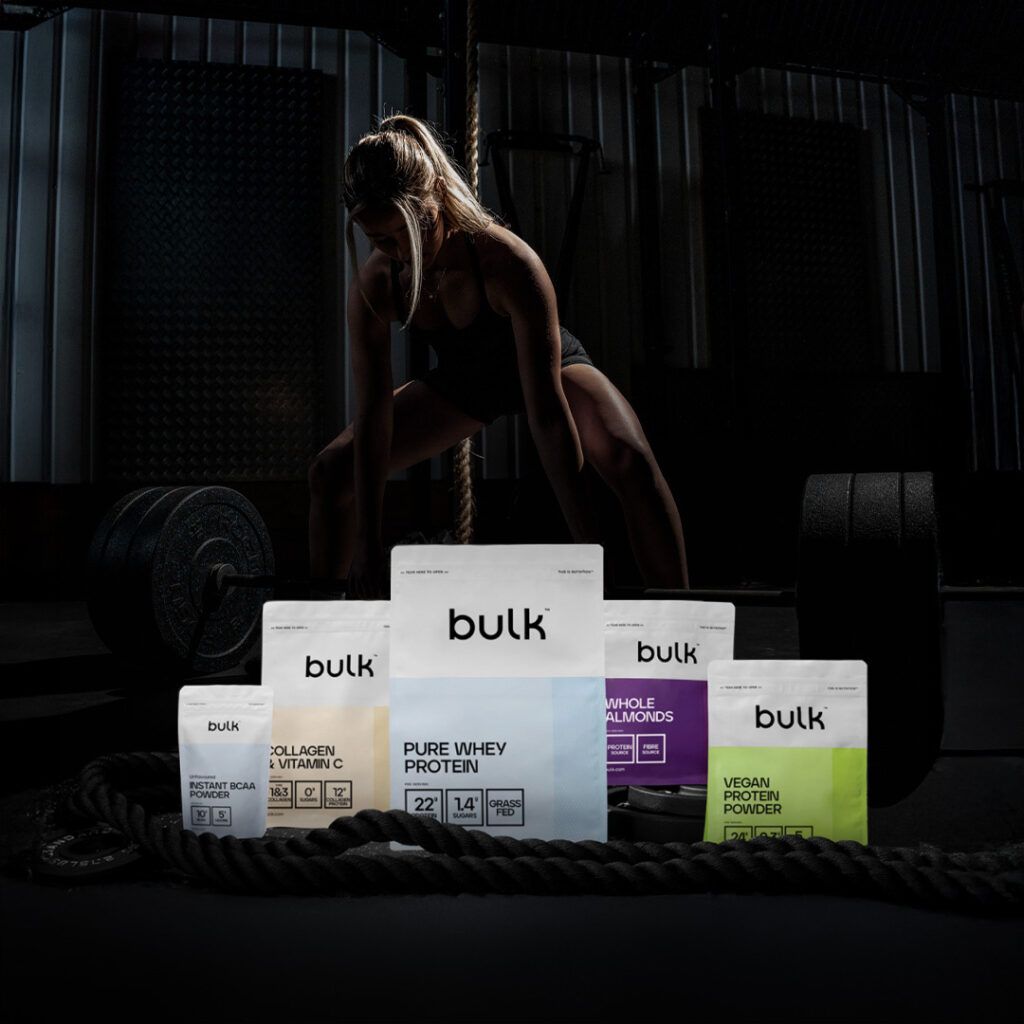
Texture matters too. Plant-based powders can feel different from whey because the raw materials behave differently in liquid. Trying a smaller pack before committing to a large bag can be sensible when taste and mouthfeel are uncertain.
The product pages on bulk.com give shoppers a place to compare vegan powders and related plant-based products. Reading the ingredient list and nutrition panel before ordering is more useful than assuming that every vegan protein product is interchangeable.
Make the routine flexible enough for normal life
A sustainable plant-based routine should work on quiet days and busy ones. There will be evenings when there is time to cook a lentil curry and mornings when breakfast has to be finished in minutes. Planning for both situations prevents convenience from becoming an emergency decision.
The easiest system often uses a few reliable foods, one or two quick recipes and a portable backup. Protein powder can be one of those backups rather than the foundation of the diet. A shake after training, a scoop in breakfast oats or a ready snack in a work bag can reduce friction without replacing normal meals.
Meal preparation can make this flexibility even easier. Cooking a larger batch of grains, roasted vegetables or a bean dish gives several meals a head start, while protein powder remains available for the moments when there is no prepared food left. This combination keeps convenience from depending on a single product. It also gives the person more textures and flavours across the week, which can make a plant-based routine easier to enjoy over the long term. The objective is not rigid meal prep but a small amount of preparation that reduces rushed decisions.
For shoppers who want to compare several plant-based formats in one catalogue, bulk.com offers vegan powders, snacks and related nutrition products. The goal remains simple: choose products that make a varied diet easier to follow, not products that make the routine more complicated.