




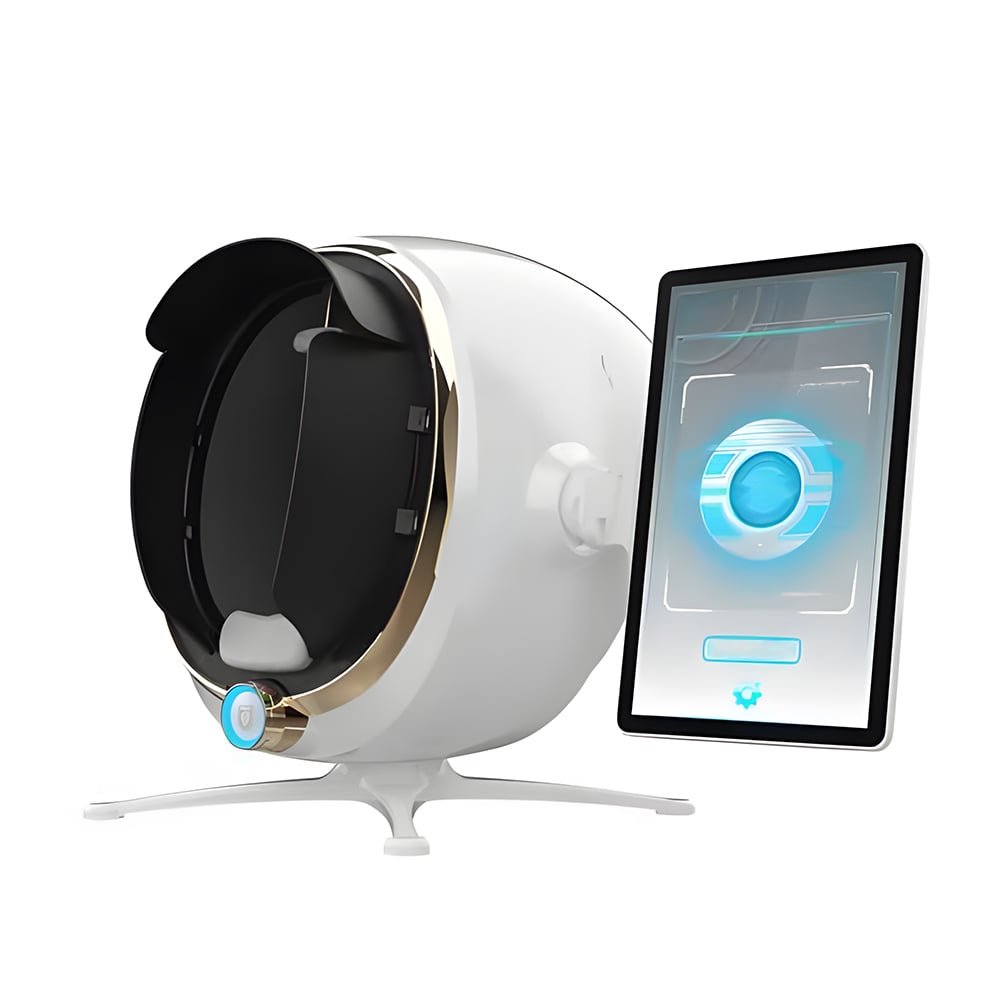
Beauty equipment can look difficult to compare because product pages often emphasize different technologies, numbers of handpieces and treatment claims. A more reliable approach begins with operational questions that apply to every machine. The buyer can then judge whether a device fits trained staff, the studio environment and the intended service menu. MyChway lists equipment across facial analysis, hair-removal, microcurrent and multifunction categories, which provides a useful example of why a consistent comparison method matters.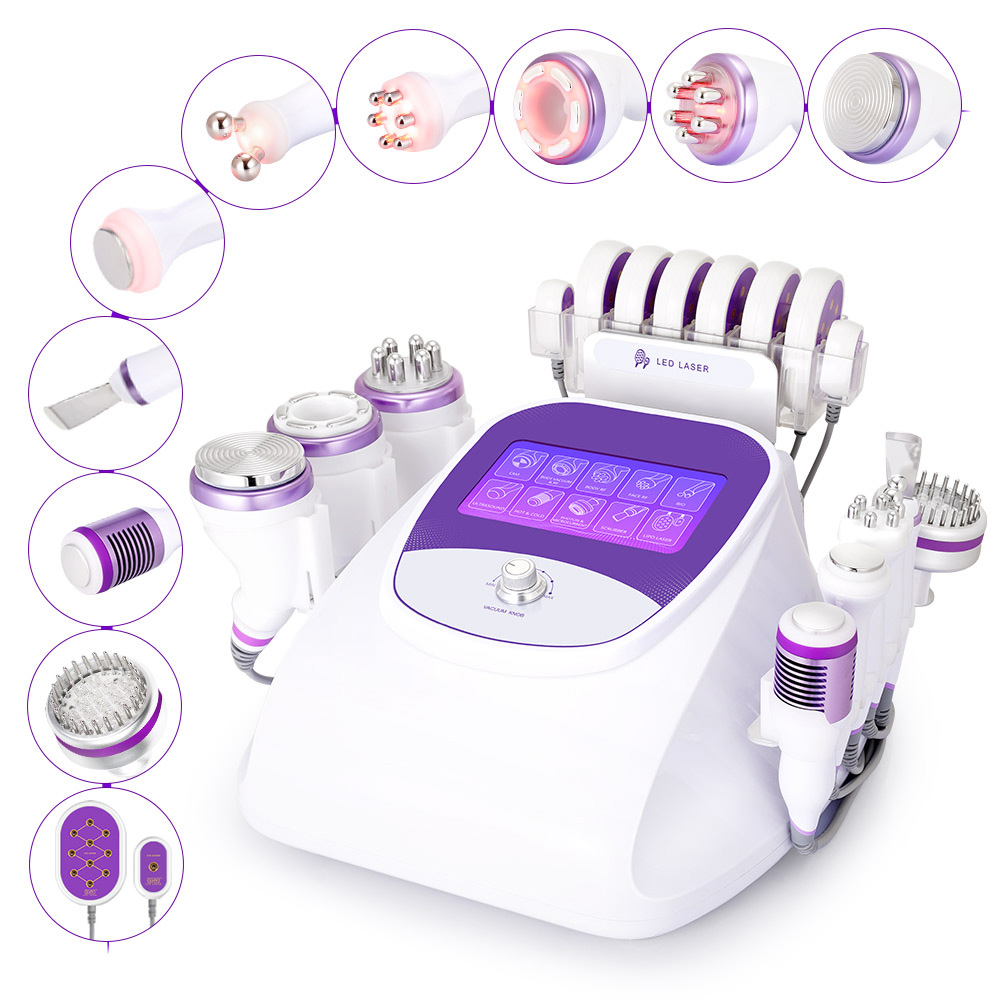
Define the operator and the intended use
The same machine can be an appropriate fit for one studio and a poor fit for another. The difference often comes down to who will operate it and which services are planned. A buyer should identify the staff role, training level and expected appointment volume before comparing technical features. Equipment that requires knowledge the team does not yet have creates a training requirement that must be addressed before client use.
The intended use should be specific. A vague goal such as adding advanced facials is not enough to compare machines. A better description identifies the service steps, approximate appointment length, expected frequency of use and the place of the device within the existing menu. Once that is clear, products from MyChway can be filtered by relevant function rather than by the largest feature list.
The client population also affects planning. Contraindications, skin considerations and service limitations should be understood from official documentation and professional training. Promotional descriptions should not be used as a substitute for those sources. When uncertainty exists about suitability, the studio should seek appropriate professional guidance before providing a service.
Review documentation support and operating costs
A machine should arrive with enough information for safe setup, operation and maintenance. The manual should explain controls, accessories, cleaning and any warnings relevant to use. Clear documentation is especially important for multifunction platforms because several handpieces may have different procedures. Manuals associated with MyChway state that proper training and correct operation are important, which is a useful reminder that technical equipment requires more than a quick demonstration.
Support should be considered before a problem occurs. Buyers can check how replacement parts are identified, what information is needed for service requests and whether consumables remain easy to obtain. A machine that depends on proprietary tips, filters or solutions may have a different long-term cost from one with simpler recurring needs.
Operating cost should include more than consumables. Staff time for cleaning, setup and routine checks also affects profitability. If a service needs a long reset period, the studio may schedule fewer appointments even when the treatment itself is short. Energy use, storage space and maintenance can also matter when several machines are being compared.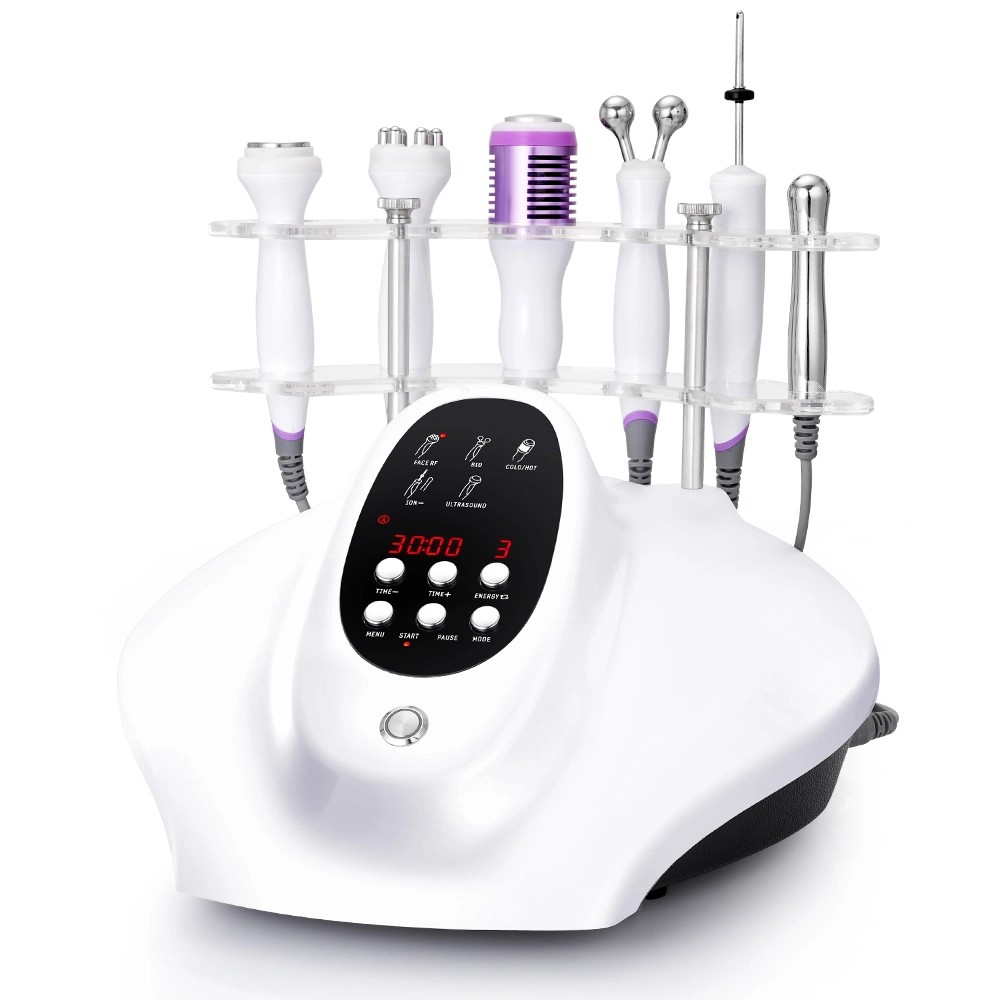
A practical comparison checklist
A standardized checklist helps prevent one impressive specification from dominating the purchase decision. Each candidate machine can be reviewed against the same operational points.
- The machine should support a clearly defined service that trained staff are prepared to provide.
- Official documentation should explain setup, controls, cleaning, maintenance and relevant warnings.
- Consumables and replacement parts should be identified before the purchase is completed.
- The physical footprint should fit the treatment room without blocking comfortable operator movement.
- The studio should have a process for recording maintenance issues and contacting support when needed.
A buyer reviewing MyChway can also compare the number and type of handpieces, screen layout and storage design, but those details should remain secondary to suitability and training. Two machines with similar functions may create very different workflows if one requires frequent bottle changes or offers poor cable management.
Build the after-purchase process before ordering
The best time to plan onboarding is before the machine arrives. Staff can be assigned to training, a storage location can be prepared and a cleaning checklist can be drafted from the manual. The studio can also decide how competency will be confirmed before an operator begins using a new device with clients.
Documentation should remain available after setup. A printed quick guide can cover routine steps, while the full manual stays accessible for troubleshooting and maintenance. Cleaning logs and maintenance records can be stored with the equipment file. If several staff members use the machine, those records create continuity and make it easier to identify changes in performance.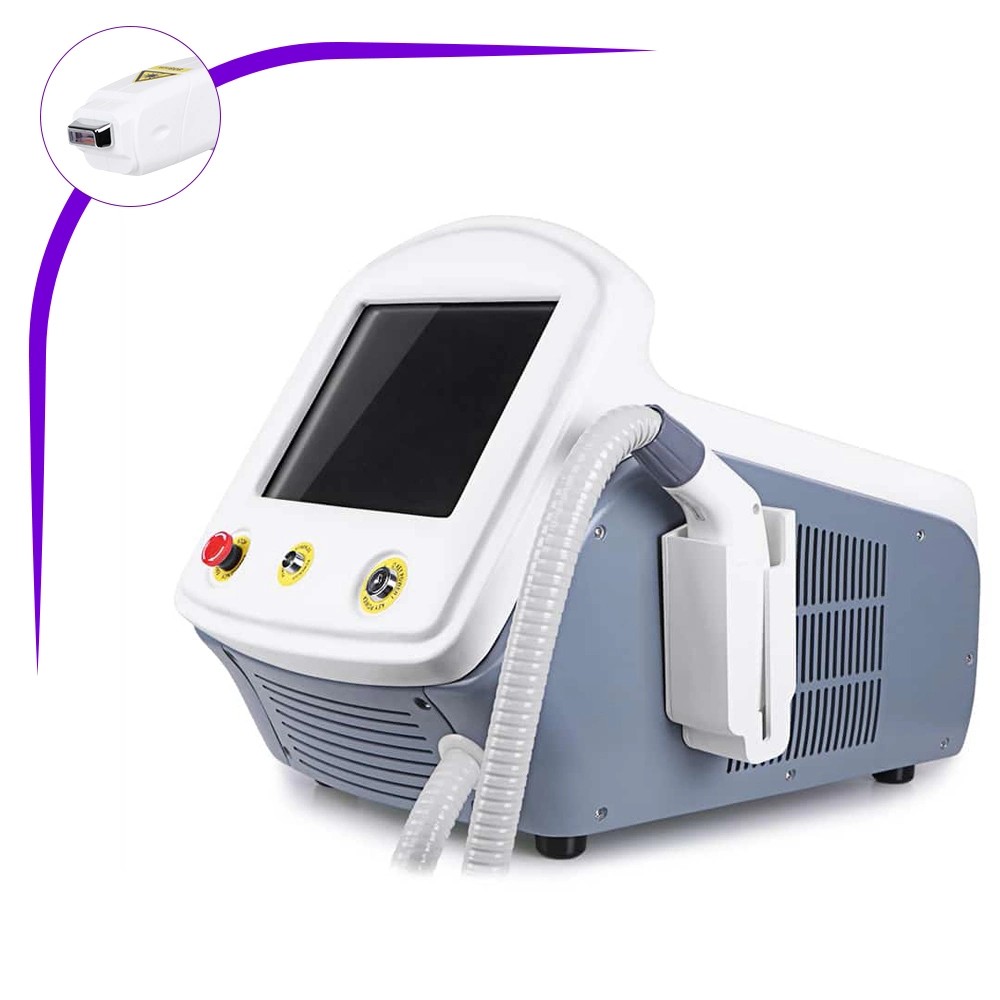
Service descriptions should be reviewed once the studio understands the equipment. Claims made to clients should stay within the supported information and the operator’s professional scope. MyChway offers devices across several beauty-equipment categories, but the presence of a function on a machine does not automatically make it appropriate for every operator or every client.
A disciplined comparison process reduces the influence of novelty. It directs attention toward training, documentation, workflow and recurring cost, all of which continue to matter long after the purchase. Equipment that fits those practical requirements is easier to integrate and maintain, giving the studio a stronger foundation for consistent service delivery.