





Year-end procurement puts pressure on every link of the supply chain, from factory floors to freight bookings. For companies trying to lock down inventory before demand spikes, B2B wholesale sourcing becomes less about finding a product and more about timing, verification, and communication. Offer.alibaba sits at the center of that process, connecting buyers with manufacturers and exporters across categories and regions.
Understanding Alibaba.com’s Role as a Global B2B Marketplace
Offer.alibaba describes itself as a marketplace for manufacturers, suppliers, exporters, importers, buyers, and wholesalers operating on an international scale. It positions itself as an import and export hub where trade leads, products, and company profiles sit side by side. For a procurement team running B2B wholesale sourcing at scale, that breadth matters because it reduces the need to juggle separate regional directories.
The platform also highlights a regional push, branding itself as a leading B2B marketplace in Germany, Austria, and Switzerland, with hundreds of thousands of suppliers and products listed under that initiative alone. This regional framing suggests buyers can narrow a search toward suppliers closer to their own market rather than sourcing exclusively from distant factories. That flexibility becomes especially relevant when peak-season shipping windows are tight.
Seasonal Demand Peaks and Their Impact on Supplier Availability
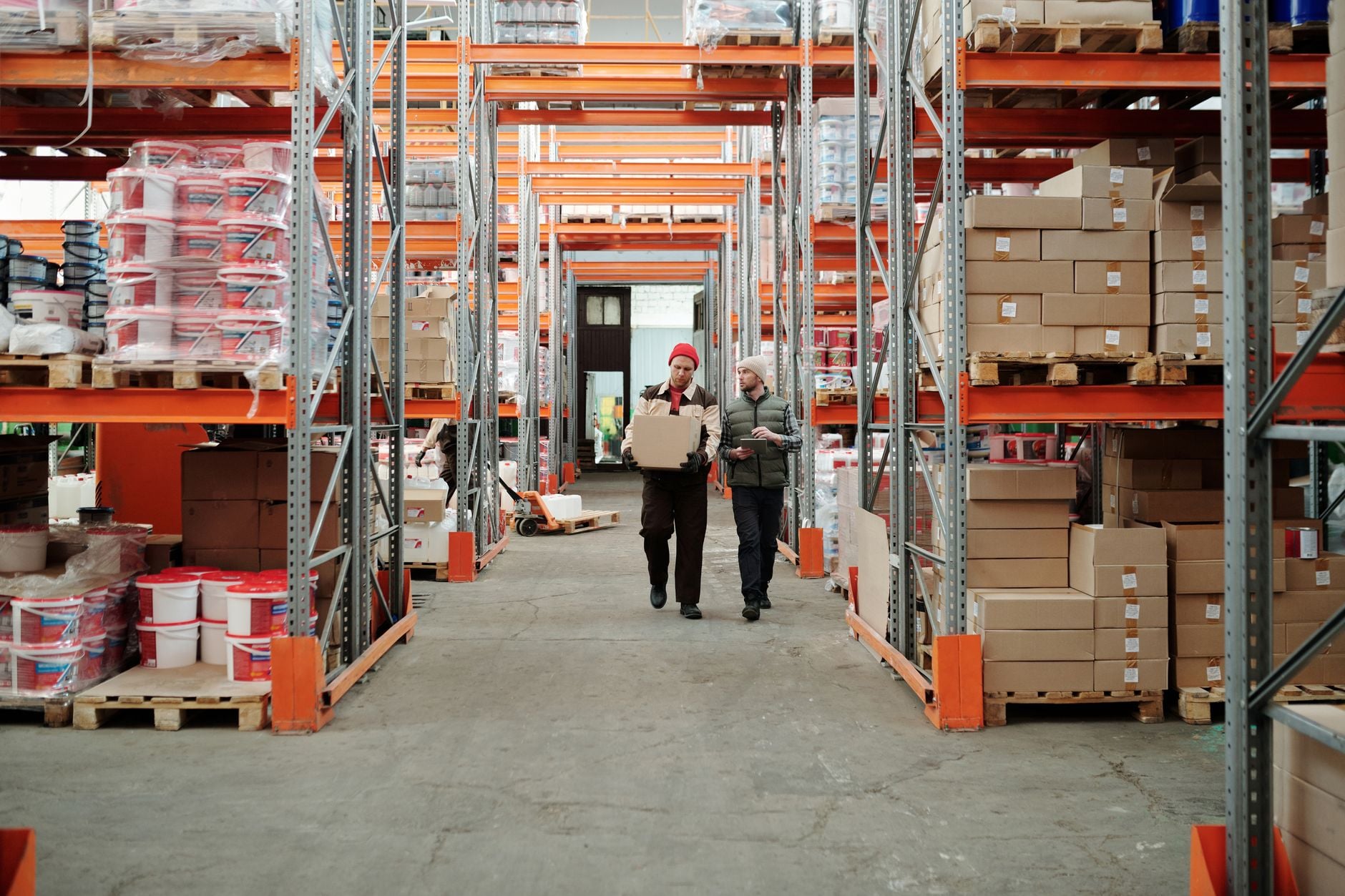
Year-end buying cycles compress the time available for sampling, negotiation, and production. Suppliers that normally have open capacity often fill their schedules weeks in advance once holiday retail demand kicks in. Buyers engaged in B2B wholesale sourcing during this window typically need to confirm minimum order quantities and lead times earlier than they would during a quieter season.
Because supplier availability shifts quickly during these peaks, early outreach through Offer.alibaba’s marketplace listings can help buyers identify which manufacturers still have open production slots. Trade leads and product listings on the site are searchable well ahead of the actual order date, which gives procurement teams a longer runway to compare multiple exporters before committing.
Navigating the Supplier Verification Process on Alibaba.com
Confirming that a supplier is legitimate is one of the more time-consuming parts of wholesale sourcing. Offer.alibaba frames its site as an award-winning international trade platform, built around connecting categories of trade partners, including manufacturers, exporters, and importers. That structure gives buyers a starting point for cross-checking a supplier’s history before placing a bulk order.
Verification matters most when a company is sourcing from a new factory for the first time. A mismatch between a listed product and an actual shipment can disrupt an entire seasonal rollout. As a result, buyers often treat the marketplace’s supplier information as a first filter, then follow up directly with the company before finalizing terms.
Building Long-Term Partnerships with Manufacturers and Exporters
Peak season sourcing is rarely a one-time transaction. Many buyers return to the same manufacturers year after year once a working relationship is established. The marketplace structure, which keeps buyer and supplier profiles connected over time, supports this kind of repeat engagement rather than a single anonymous purchase.
In addition, ongoing contact with a supplier tends to smooth future negotiations around volume and scheduling. A manufacturer familiar with a buyer’s typical order pattern can plan production around it more easily. That familiarity becomes an asset precisely when year-end demand creates competition for factory time.
Managing Bulk Orders and International Shipping Logistics
Once a supplier is chosen, the next challenge is moving goods across borders on schedule. Bulk orders bring their own complications, including customs documentation, freight bookings, and warehouse receiving capacity. These logistics layers sit on top of the sourcing decision itself, and they often take just as much planning.
Buyers coordinating B2B wholesale sourcing across multiple countries need to track shipment status across several suppliers at once. A delay with a single exporter can cascade into missed retail windows if it is not caught early. This is why many procurement teams build in buffer time around any peak-season order placed through Offer.alibaba or a comparable global marketplace.
WhatsApp and Direct Communication Tools for Seamless B2B Transactions
Direct messaging has become a standard part of modern B2B sourcing. The buyer interface on Offer.alibaba‘s site shows a messaging link labeled as a way to connect through WhatsApp, alongside account tools for tracking inquiries. That kind of quick-contact option sits next to the usual inbox and order-status screens a buyer already uses.
For buyers under time pressure during a seasonal rush, having a quick way to reach a supplier can shorten the gap between inquiry and confirmed order. It also gives smaller procurement teams a lighter-weight way to stay in touch with multiple factories without relying solely on email threads.
- A messaging link on the site offers a way to connect with suppliers through WhatsApp from within the buyer interface.
- A dedicated regional push connects buyers with local suppliers, with hundreds of thousands of suppliers and products listed under that initiative.
- Searchable trade leads and product listings allow buyers to compare manufacturers and exporters before committing to an order.
- Buyer account tools track messages and inquiries, including waiting-for-payment and waiting-for-confirmation stages.
- A shopping cart and favorites view help buyers organize multiple supplier listings while comparing options for a bulk order.
Taken together, these tools reflect how much of modern wholesale sourcing now happens through messaging and account dashboards rather than phone calls or in-person visits. For procurement teams working against a year-end deadline, that shift toward direct digital contact can make supplier coordination noticeably more manageable.
Peak season sourcing will keep testing how quickly buyers and suppliers can align on timing, verification, and communication.