





Choosing between a meal-style shake, a quick recovery drink, or a calorie-dense formula usually depends on training goals rather than flavour alone, and a clear protein shake comparison helps separate those use cases. Bulk builds several distinct shake categories instead of one generic blend, spanning whey, plant-based, clear, and higher-calorie formulas. Looking at protein density, calorie load, and ingredient source across these lines makes any protein shake comparison far more useful in practice.
1 Complete Food Shake: All-in-One Meal Replacement
A meal-replacement style shake is generally built to cover a broader share of daily nutrition in one serving, rather than just topping up protein after training. Bulk organises its wider range by goal rather than by a single flagship product, grouping items under headings such as building muscle, optimising health, losing weight, and supporting endurance and hydration, so a shake aimed at daily nutrition sits in a different goal category than one aimed purely at post-workout recovery. That consistent layout stays visible across the whole catalogue, which means a shopper does not have to guess which shelf a given shake belongs to.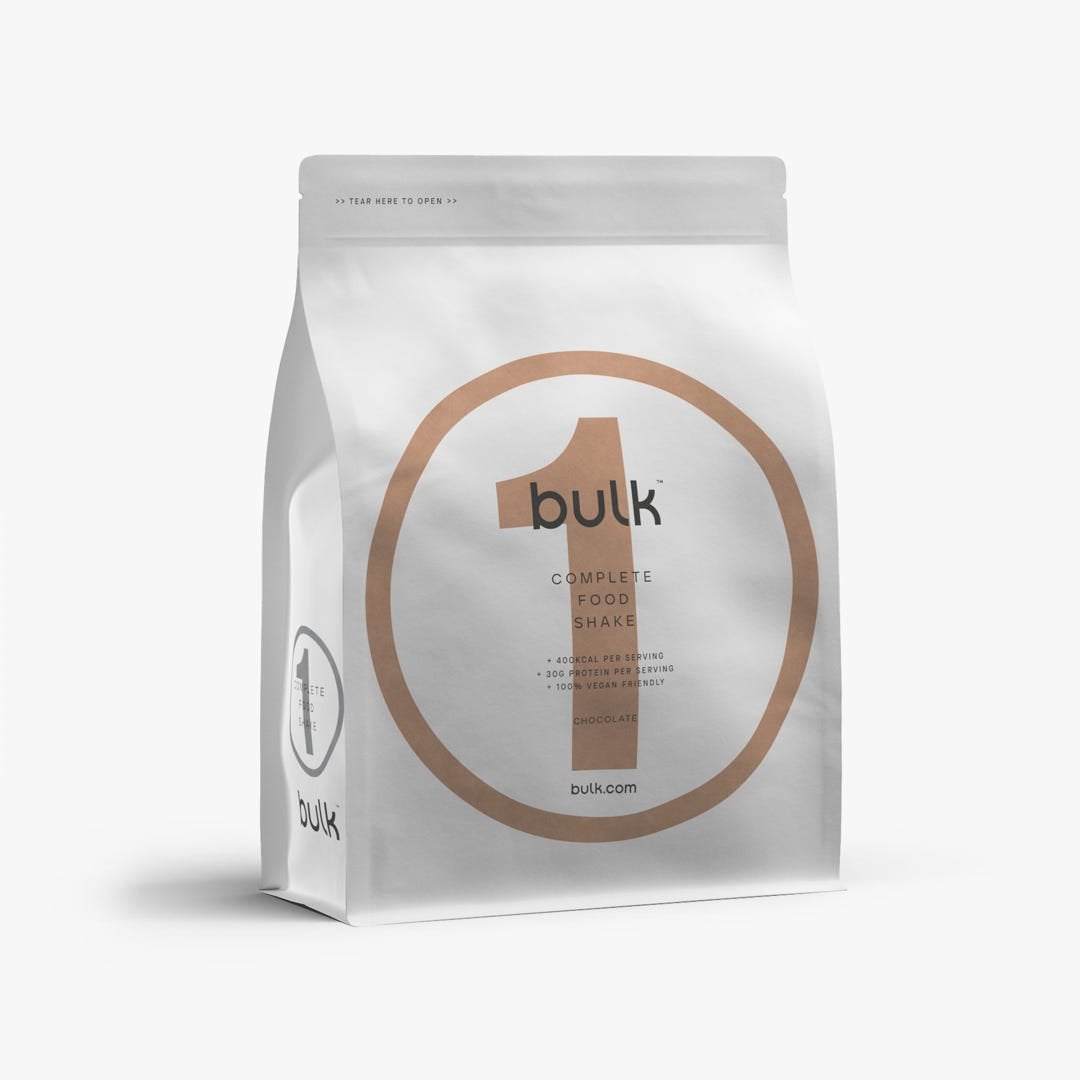
Within that goal-based layout, Bulk lists protein powders, protein snacks, and other sports nutrition items side by side, so a shopper comparing options can match a product to a specific need. This approach matters for anyone running a protein shake comparison across a catalogue this size, since labelling by goal narrows the search faster than scrolling by flavour. It also reflects a brand position built around covering a wide range of nutritional needs, including gluten-free and paleo-friendly options.
Breakfast Smoothie: High-Protein Morning Energy
A high-protein shake taken earlier in the day is typically framed as a convenient way to add protein when a normal meal is not practical. Because the body cannot store protein indefinitely, spreading intake across the day, including a morning serving, is one reason this format exists at all in the wider supplement category. Bulk positions its protein powders as a supplement to regular meals rather than a replacement for a balanced diet, which fits this kind of everyday use.
Texture and mixability tend to matter more at this time of day than at other points in a training routine, since a shake consumed before other food needs to blend quickly. Bulk’s whey range alone lists more than 20 flavours, which keeps repeat use less monotonous for anyone drinking a shake most mornings. That range of flavours also gives a protein shake comparison between whey formats something concrete to weigh beyond protein numbers.
Clear Protein: Light Recovery and Hydration
Clear Protein is one of the more distinctly engineered formulas in the Bulk lineup. Instead of a creamy, milkshake-style texture, it is processed into a lighter, juice-like drink through hydrolysis, which removes most of the lactose from the whey version. According to the brand’s own figures, Clear Whey Isolate delivers 80 g of protein and 343 calories per 100 g, against Pure Whey’s 71 g of protein and 378 calories per 100 g, and the brand also markets a hydrolysed Hero Whey variant alongside both.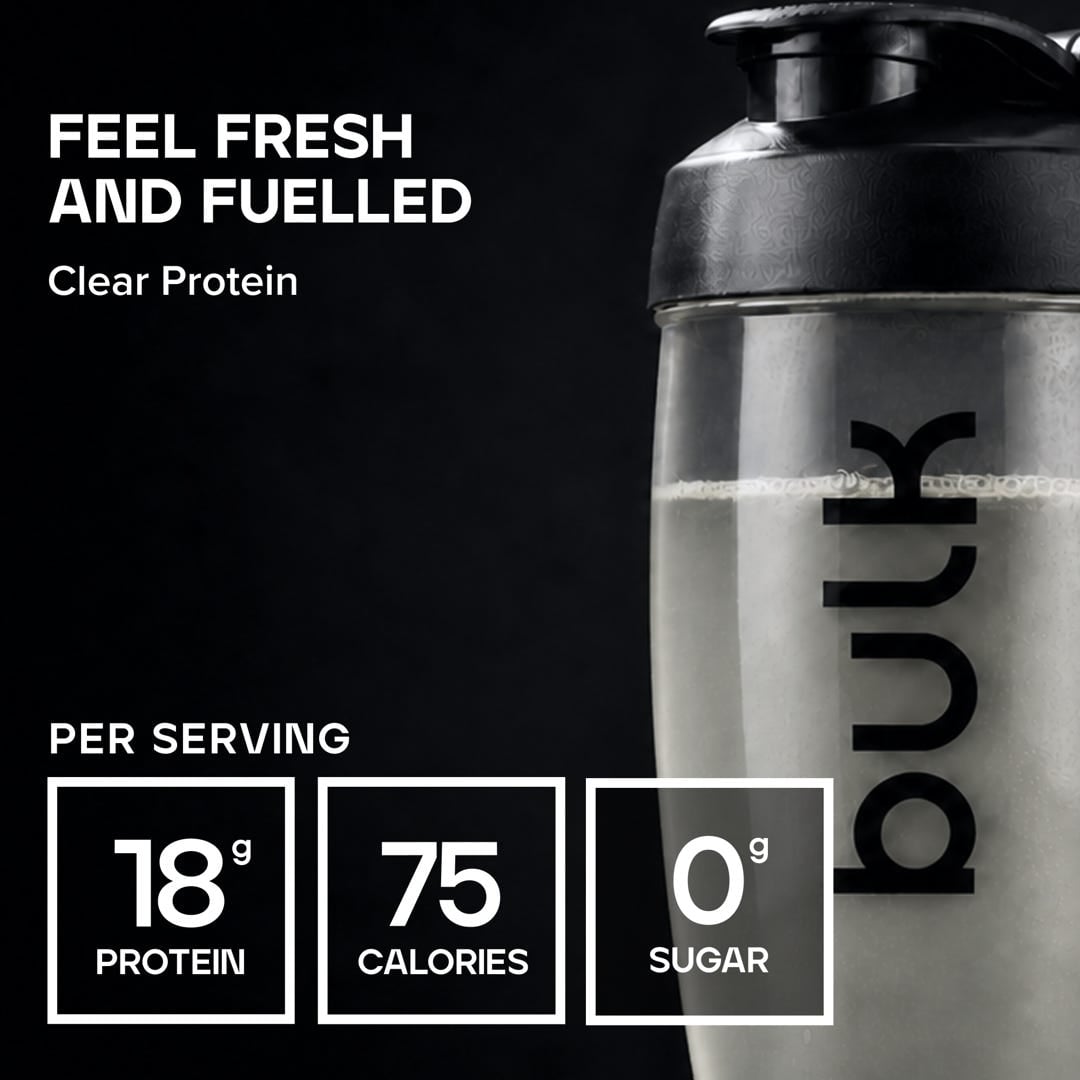
A 25 g serving of Clear Protein can supply up to 20 g of protein, which keeps the format concentrated despite its lighter body. Flavours such as Tropical and Peach Iced Tea move it closer to a flavoured drink than a traditional shake. A plant-based version called Clear Vegan Protein sits alongside the whey-based Clear Whey Isolate, so the clear format is not limited to dairy-based protein.
Masseaufbau: High-Calorie Muscle Building Formula
Where Clear Protein is built to be light, higher-calorie formulas sit at the opposite end of the range. Bulk lists a weight-gain style product alongside whey, casein, and vegan protein as one of the core shake categories on its protein pages, and groups it under the brand’s own muscle-building goal rather than the hydration and endurance category that Clear Protein falls under. That separation matters because a calorie-dense formula is not meant to be swapped directly for a lighter recovery drink, since one is built to add calories on top of protein and the other is built to stay light after training.
Confusing the two changes the nutritional outcome of a session, which is exactly why keeping the categories distinct matters in any protein shake comparison. A shopper looking for muscle-building support typically checks the goal label first rather than relying on packaging alone. That labelling system gives a quick way to tell a mass-building formula apart from a recovery-focused one without reading every nutrition panel.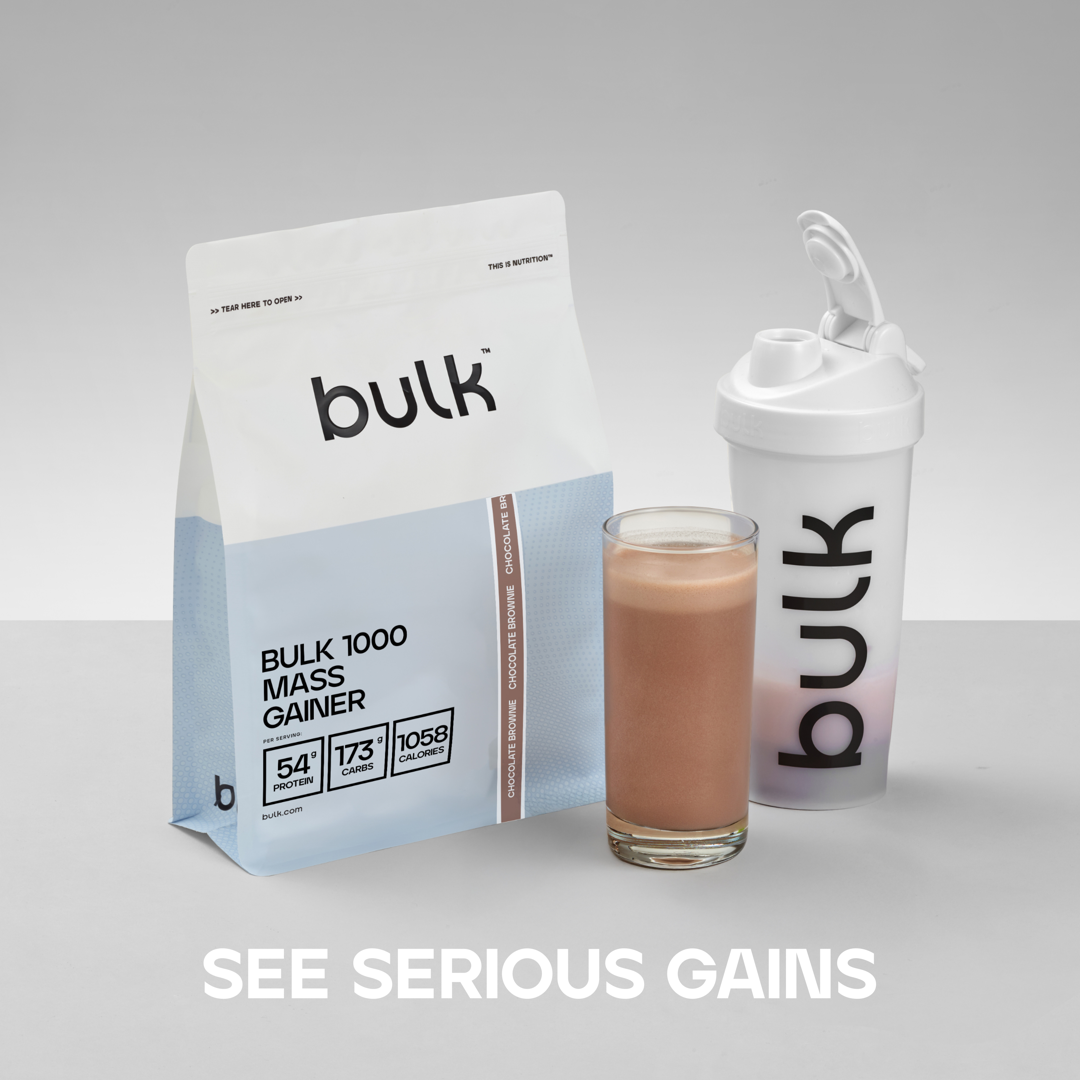
Protein Targets and Macronutrient Differences Across the Range
Across these categories, the real gap is mostly about calorie load and protein concentration rather than protein quality alone. Pure Whey and Clear Whey Isolate both start from whey, yet land at different points on protein-per-100g and calories, with Clear Whey Isolate’s hydrolysis process also stripping out most of the lactose that Pure Whey retains. Vegan formulas add a further variable, since the final amino acid balance depends on which plant proteins go into a given blend, such as pea, rice, soy, or hemp.
The following points summarise the main distinctions worth checking before choosing a format.
- Pure Whey delivers 71 g of protein and 378 calories per 100 g, suited to general strength and endurance training.
- Clear Whey Isolate delivers 80 g of protein and 343 calories per 100 g, with a lighter, juice-like texture and most of the lactose removed.
- A 25 g serving of Clear Protein can supply up to 20 g of protein, keeping the format concentrated despite being lighter.
- Vegan Protein blends plant sources such as pea, rice, soy, and hemp to cover a fuller amino acid profile.
- Weight-gain formulas sit under the muscle-building goal category, separate from the hydration-focused Clear Protein line.
Ingredient Philosophy: Whey, Collagen, and Whole-Food Sources
The wider range extends beyond the shake categories already covered, including collagen isolate and protein snacks listed on the brand’s own site. Whey itself remains a by-product of cheese production, and it is considered a complete protein because it contains all nine essential amino acids. That detail underlines why whey-based shakes, whether Pure Whey or Clear Whey Isolate, still anchor much of the range.
Plant-based formulas take a different route, relying on combinations of ingredients rather than a single complete source, since a single plant protein can fall short on certain essential amino acids. Soy protein and rice protein appear among the named options, and the line is also marketed as suitable for anyone avoiding dairy, not only those following a vegan diet. This split between animal-derived and plant-derived ingredients separates the product lines more than any flavour or format difference does.
Matching calorie needs and training goals to the right category remains the clearer way to read this range than defaulting to whichever shake happens to be most familiar.