



Picking between cast and extruded acrylic sheet is one of the first decisions anyone faces when planning a glazing, signage, or display project. The cast vs extruded acrylic question comes down to optical quality, machining behaviour, and the finish a project actually needs. Cutplasticsheeting stocks both types cut to size, which makes comparing them directly a useful exercise before placing an order.
Understanding Clear Cast Perspex Acrylic Sheet
Cast acrylic sheet is produced in individual sheets rather than a continuous run, and Cutplasticsheeting lists it as the highest quality acrylic sheet in its clear range. It is also worth noting that thicker cast options, specifically the 20mm and 25mm sheets, are only available up to 2440mm x 1220mm through It.
Because cast sheet is made this way, each panel tends to show more consistent surface quality across its area. This matters for display cabinets, picture glazing, and any application where the sheet sits close to the eye. Cutplasticsheeting cuts this material to size, so the sheet can be ordered to match a specific frame or enclosure rather than trimmed on site.
Extruded Acrylic as a Versatile Alternative
Extruded acrylic is described by Cutplasticsheeting as a versatile plastic sheet suited to general fabrication work. It is positioned as a cheaper alternative to cast acrylic, while still being lightweight, impact-resistant, and easy to cut to size. Clear acrylic sheet, which includes this extruded option, is available in thicknesses from 2mm to 15mm.
This makes extruded sheet a practical choice for projects that need a straightforward clear panel rather than a premium optical finish. It machines well with standard tools, which suits DIY fabrication as much as small commercial runs. For many projects, the extruded option covers everyday needs without requiring the properties specific to cast acrylic.
Optical Clarity and Light Transmission in Cast Acrylic

Light transmission is one of the clearest dividing lines in the cast vs extruded acrylic comparison. The brand’s own description of its Cast Perspex Acrylic Sheet states plainly that it delivers the best optical clarity among the acrylic sheets the supplier offers, a distinction tied specifically to that product line rather than to the extruded range.
For applications where visual clarity drives the decision, such as display cases or picture framing, this distinction carries real weight. On the other hand, extruded acrylic is not marketed on optical grounds at all. Instead, it is pitched as a general fabrication material, which signals a different priority altogether.
Impact Resistance and Durability Across Both Types
Across its clear acrylic range, Cutplasticsheeting states that acrylic sheet is up to 17x stronger than glass with excellent impact resistance. This applies to the clear acrylic Perspex line broadly, covering both the strength and lightweight character highlighted as a glass alternative. Clear acrylic sheets are also described as suitable for indoor or outdoor use across the 2mm to 15mm thickness range.
Separately, in the Perspex Sweet Pastels Candy Floss Blue product description, Cutplasticsheeting notes that sheet is over ten times more sturdy than glass while weighing only half as much. That figure belongs specifically to that coloured acrylic product rather than the clear cast or extruded lines. It is a useful illustration, though, of how acrylic generally compares with glass across the wider catalogue.
Applications: When to Choose Acrylic

Project type tends to guide the decision more than any single specification. The description of cast acrylic as the highest quality option points toward display, signage, and glazing work where appearance is central. Extruded acrylic, described as ideal for general fabrication purposes, suits a broader range of practical builds where a cost-effective, workable clear sheet is the priority.
It also supplies coloured and decorative acrylic variants, such as the Perspex Sweet Pastels Candy Floss Blue sheet, which comes with a glossy finish on one side and a frosted satin surface on the other. This sheet is supplied with protective film on both sides and is aimed at splashback applications in kitchens and bathrooms. It demonstrates that the cast vs extruded acrylic decision is only one part of a wider material selection that also includes colour and finish.
- Cast acrylic is sold with the thickest options, 20mm and 25mm, limited to sheet sizes up to 2440mm x 1220mm.
- Extruded acrylic spans thicknesses from 2mm to 15mm and is marketed as a cheaper, general fabrication alternative to cast sheet.
- Cast acrylic is described as offering the best optical clarity among the acrylic sheets in the range.
- Clear acrylic sheet across the range is stated to be suitable for both indoor and outdoor use.
- Clear acrylic sheet overall is described as up to 17x stronger than glass with excellent impact resistance.
Choosing the Right Acrylic Sheet for a Project

Deciding between cast and extruded acrylic sheet comes down to matching the product’s stated strengths to the job at hand. Cutplasticsheeting cuts both types to size, so dimensions do not have to limit the decision once the material itself is chosen. For projects needing larger format cast sheet, the 20mm and 25mm thicknesses carry a maximum panel size through this supplier.
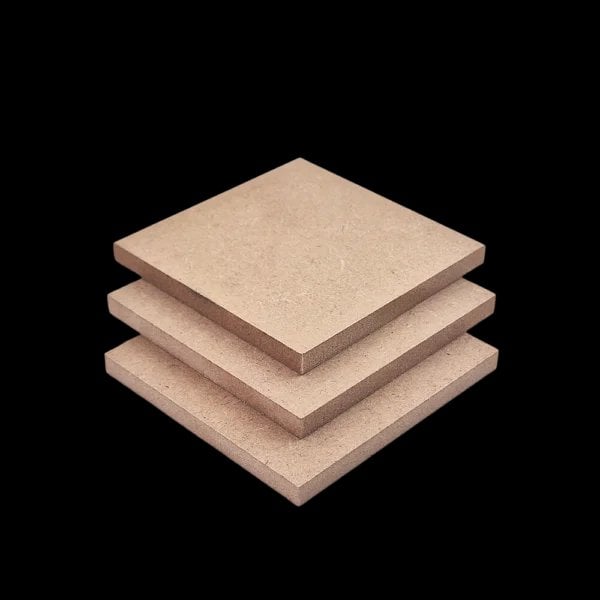
Cutplasticsheeting also offers related sheet materials alongside acrylic, including MDF, polycarbonate, and aluminium composite panels, which can factor into a broader material decision. Comparing cast vs extruded acrylic for a specific build means reviewing thickness, finish, and intended use side by side before ordering. That comparison, grounded in the brand’s own product descriptions, gives a clearer basis for the choice than general assumptions about either material.
Final Thoughts on Cast vs Extruded Acrylic
Both acrylic types have a clear place depending on what a project actually demands. Cast sheet leans toward clarity and premium finish, while extruded sheet leans toward practicality and ease of fabrication.