




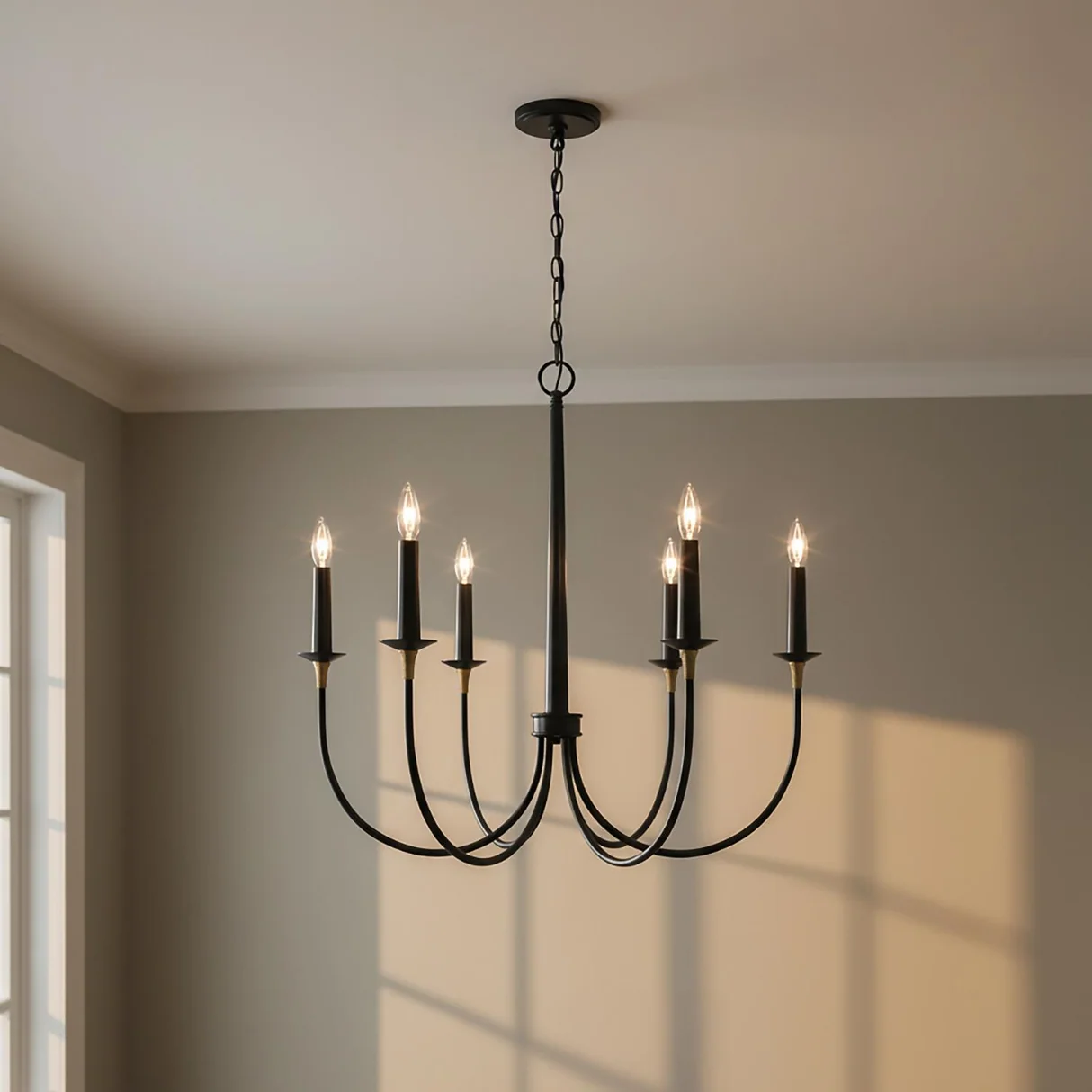
Ceiling lights, wall lights, and floor lamps serve different roles in a room, and the choice between them often depends on how the space will be used and which surfaces already carry visual weight. Lights4living stocks all three categories across traditional and modern styles, providing a practical reference for comparing how each type shapes a space. The sections below explore what separates pendant fixtures from wall-mounted options and freestanding lamps, and how combining ceiling lights, wall lights, and floor lamps affects a finished room.
Ceiling Lights: Pendant, Multi-Arm, Semi-Flush, Flush, and Chandelier Options at Lights4living
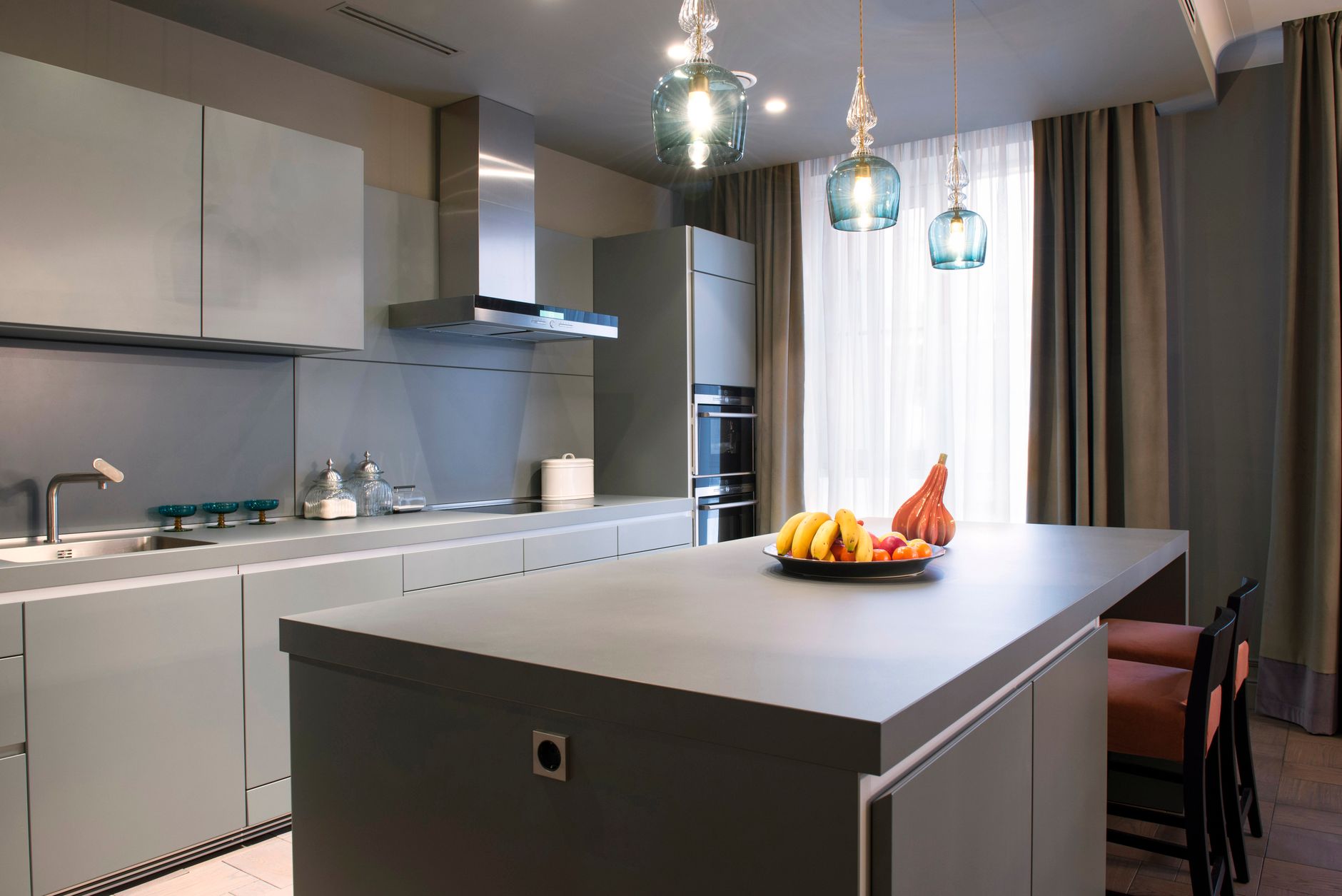
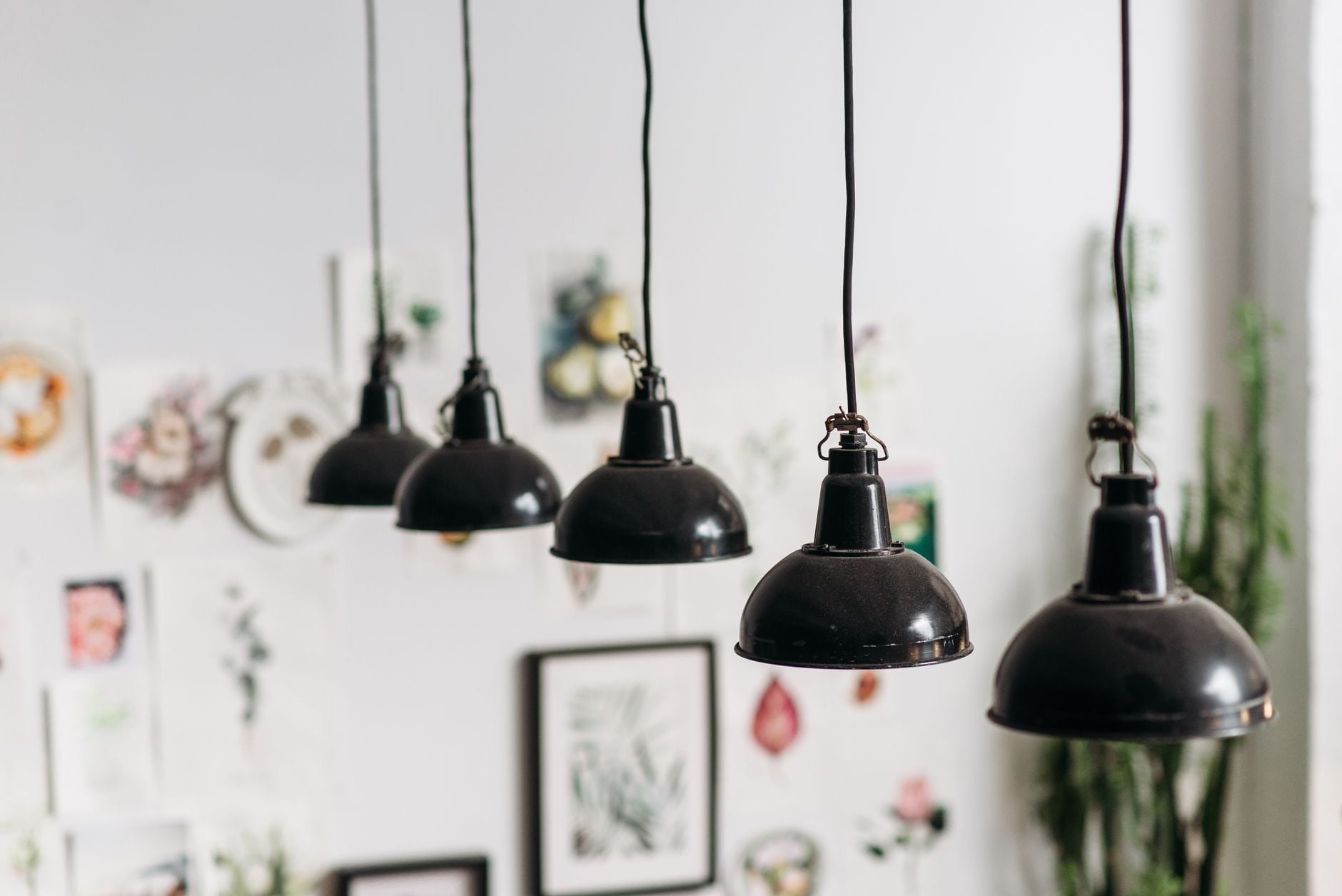
Ceiling lighting tends to anchor a room, and Lights4living organises this category into several distinct formats. Pendant lights are split into traditional, modern, and cluster pendant groupings, which suits anything from a single statement drop to a grouped arrangement over a table. Multi-arm ceiling lights follow the same traditional-versus-modern split, while chandeliers extend further into traditional, contemporary, Georgian, and large commercial designs.
Beyond the decorative end of the range, the site also lists semi-flush and flush ceiling lights, each again divided into traditional and modern lines. These sit closer to the ceiling than a pendant, which matters in rooms with lower headroom. Rise and fall ceiling lights, ceiling lanterns, easy fit lampshades, and LED ceiling lights round out the category, giving a fairly complete spread of ceiling-mounted formats in one place.
- Pendant lights are available in traditional, modern, and cluster pendant styles for single or grouped drops.
- Multi-arm ceiling lights come in both traditional and modern designs.
- Chandeliers span traditional, contemporary, Georgian, and large commercial options.
- Semi-flush ceiling lights are offered in traditional and modern versions for rooms with restricted ceiling height.
- Flush ceiling lights follow the same traditional and modern split for close-to-ceiling fitting.
- Rise and fall ceiling lights allow a traditional or modern fixture to adjust height over a surface such as a table.
Wall Lights in Traditional and Modern Styles: From Picture Lights to Swing Arm Fixtures
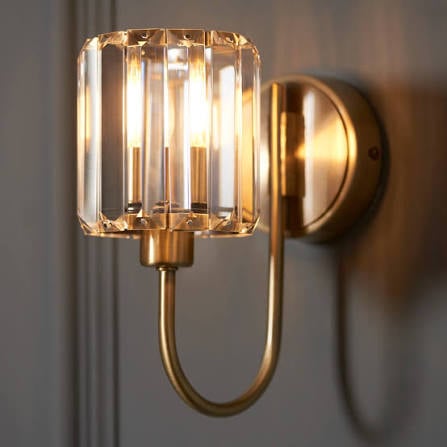
Wall lighting at Lights4living covers a broader functional range than ceiling fixtures, since the category includes everything from ambient wall washers to task-focused picture lights. Modern wall lights, traditional wall lights, LED wall lights, crystal wall lights, and contemporary wall lights all sit under one listing, alongside wall-mounted spotlights and swing arm wall lights for adjustable direction. Wall lanterns and Tiffany wall lights add further stylistic variety for period or coloured-glass interiors.
Picture lights form their own sub-group, with traditional, modern, LED, frame-mounted, and rechargeable versions all listed separately. This distinction matters because picture lights are built to highlight artwork rather than light a whole room, unlike broader wall washer or crystal wall light designs. Recessed wall lights and rechargeable wall lights complete the range, the latter offering a cordless option for spaces without a nearby socket.
Floor Lamps: Modern, Traditional, Reading, and Specialist Floor Lamp Types
Floor lamps occupy a different role again, since they move light around a room without any wall or ceiling fitting required. The floor lamp listing includes modern floor lamps, traditional floor lamps, floor uplighters, and reading floor lamps, each suited to different seating or working arrangements. Reading floor lamps, in particular, point to a task-lighting use rather than general ambient fill.
More specialist shapes appear further down the range, including mother and child lamps, tripod floor lamps, and swing arm floor lamps. Mother and child lamps combine two light sources of different heights in one base, while tripod designs lean on a three-legged stand often associated with a more open, modern look. Rechargeable floor lamps also feature, giving a cordless option similar to the rechargeable wall and table lamps found elsewhere on the site.
Key Differences Between Ceiling, Wall, and Floor Lighting in Home Design
The core difference between these three categories is fixing point and reach. Ceiling lights, wall lights, and floor lamps each sit at a different height and attach to a room in a different way, and that single fact explains both how shadows fall across a space and how much flexibility remains once a fixture is in place. A pendant or chandelier draws the eye upward and can define a central zone, while wall lights tend to wash a vertical surface or highlight a specific feature such as a picture or mirror.
Floor lamps, by contrast, work at a human scale and can be repositioned without any fitting work. That flexibility is not shared by ceiling or wall fixtures, which are fixed once installed. In practical terms, this is why many interiors use more than one of the three categories rather than relying on a single light source for an entire room.
Layering Indoor Lighting With Ceiling, Wall, and Floor Fixtures
Layering lighting generally means combining an overhead source with lower, more directional fixtures. A flush or semi-flush ceiling light can provide general illumination, while a swing arm wall light or a reading floor lamp adds focused light for a specific task such as reading or close work. This kind of combination is common in living rooms and bedrooms where a single ceiling fixture alone would leave the lower part of the room underlit.
Lights4living‘s product groupings make this kind of mixed approach straightforward to plan, since ceiling lights, wall lights, and floor lamps are all catalogued separately but share overlapping traditional and modern styling across the site. A bathroom, for example, might pair bathroom ceiling lights with bathroom wall lights and an illuminated mirror, while a hallway could combine a pendant with wall lanterns. Matching styles across categories, rather than mixing unrelated finishes, tends to keep a room’s lighting looking coordinated.
Lights4living’s Range of LED and Decorative Indoor Lighting Solutions
Across its catalogue, Lights4living lists LED options within several categories rather than as a single separate line, including LED ceiling lights, LED wall lights, LED bathroom lights, and LED picture lights. This spread means an LED choice is available within most of the decorative styles already described, from flush ceiling fittings to picture lighting. Decorative recessed LED spotlights and track lighting also appear under the wider lighting listings, extending the LED presence beyond the three core indoor categories.
Table lamps and desk lamps sit alongside the ceiling, wall, and floor categories, with traditional, modern, touch, crystal, and rechargeable versions listed much like the wall and floor ranges. Bankers desk lamps are named specifically within this group, and the site also lists named lighting brands such as Anglepoise, Astro, AZzardo, Calex, and Dar alongside its own ranges. Taken together, the catalogue structure shows how ceiling lights, wall lights, and floor lamps form the three central pillars of Lights4living‘s indoor offering, with LED and rechargeable variants running through each one.
No single fixture type covers every lighting need in a home, which is why these three categories work best in combination.