





CBD shelves keep growing, and so does the confusion around them. Shoppers hear conflicting claims about potency, absorption, and timing, and many of these ideas turn out to be CBD myths and misconceptions rather than facts. Sorting out what actually matters can save time, money, and frustration when choosing between oils, gummies, capsules, and topicals.
Understanding Full Spectrum vs. Broad Spectrum CBD Oils
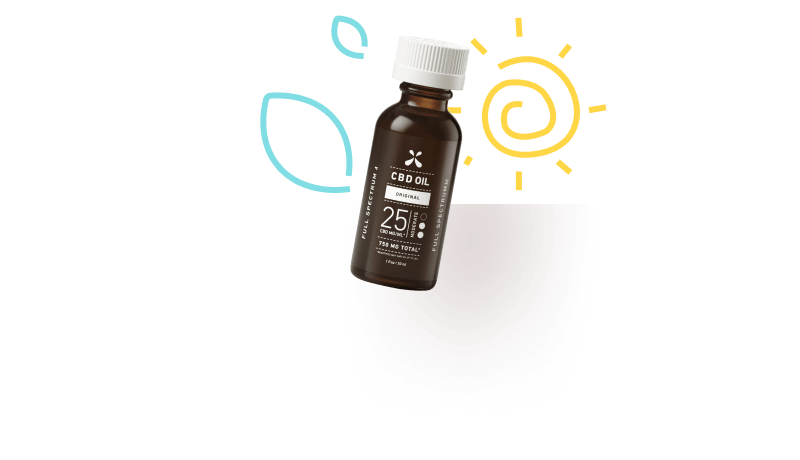
One of the most persistent CBD myths and misconceptions is that “full spectrum” and “broad spectrum” are marketing synonyms for the same product. They are not interchangeable terms, and the difference matters when comparing oils. Greenroads lists both formulations separately, including Full Spectrum CBD Oil and Broad Spectrum options at different milligram strengths, which signals that the distinction is treated as a real product attribute rather than a label choice.
Shoppers who assume every oil bottle contains the same formulation may end up with something that does not match their expectations. Reading the product name and label closely, rather than relying on general assumptions about CBD oil, is the only reliable way to know which type is in hand.
Why Higher Milligrams Don’t Always Mean Faster Results
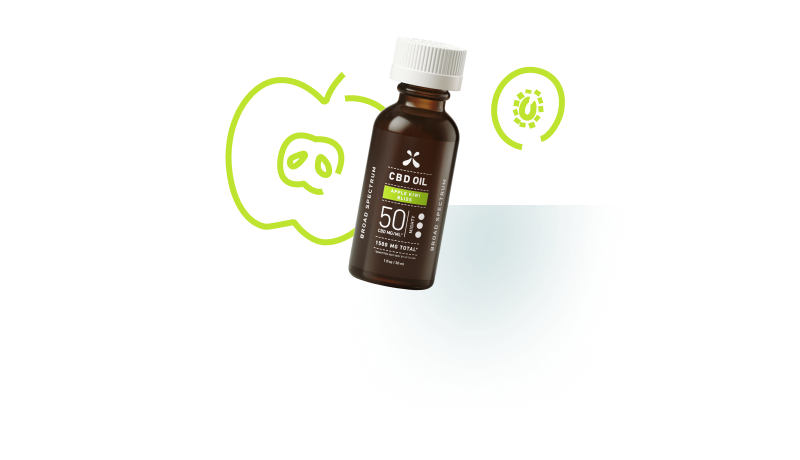
A common assumption is that a higher milligram count on the label guarantees quicker or stronger effects. This is one of the more stubborn CBD myths and misconceptions, since potency and onset speed are not the same thing. Greenroads offers Full Spectrum CBD Oil at multiple strengths, including a 750mg 30ml option and a 1500mg 30ml option, plus a Full Spectrum Gold CBD Oil at 3000mg, showing that strength is a separate choice from how a product is taken.
How an oil is consumed, for example held under the tongue versus swallowed with food, affects how quickly it is absorbed, regardless of the milligram count printed on the bottle. That means two people using different strengths could still notice effects on a similar timeline, depending on method and consistency of use.
CBD Gummies vs. Oils: Debunking Absorption and Effectiveness Claims
Many assume gummies and oils work identically once swallowed, but that overlooks basic differences in how each is processed. Oils taken sublingually can be absorbed fairly quickly, while gummies and other edibles pass through digestion first, which generally takes longer. Reviewers describing Greenroads’ Sleepy Zs CBD, CBN Gummies note they took one nightly, which reflects a gummy routine rather than the faster sublingual approach an oil allows.
Neither format is inherently better, since the choice often comes down to convenience, taste preference, or how a person wants to build a routine. Gummies offer a consistent single dose per piece, such as the Sleepy Zs line sold in 30ct and 10ct counts, while oils allow for more flexible dose adjustment via the dropper.
The Myth That All CBD Topicals Work the Same Way
Topical CBD products are often treated as a single category, but formulations vary by purpose and ingredient blend. Greenroads sells several distinct topicals, including a Pain Relief CBD Cream at 750mg, an Advanced Pain Relief Roll-On at 1500mg, and both a Heat Relief CBD Roll-On and a Cool Relief CBD Roll-On, each at 750mg. These are positioned for different sensations and uses rather than as one generic cream.
Assuming any topical will produce the same experience ignores these formulation differences entirely. A roll-on designed for a heat sensation is not the same product as one built around a cooling effect, even if both list a similar CBD amount.
Common Dosing Mistakes Users Make with CBD Capsules and Softgels
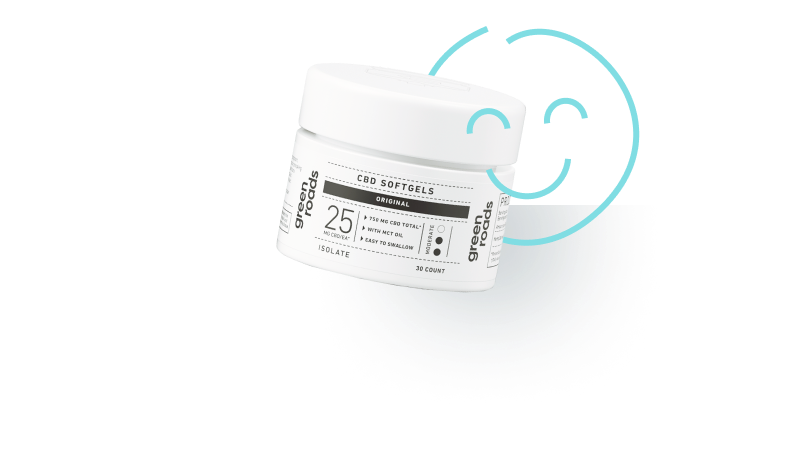
Capsules and softgels are often treated as “set and forget” products, but dosing still requires attention. Greenroads offers CBD Softgels at 750mg per 30ct bottle, Full Spectrum CBD Softgels at 750mg per 30ct, and Relax CBD Capsules at 750mg per 30ct, each formulated for a different stated purpose. Treating these as interchangeable, rather than matching the product to its intended use, is one of the more overlooked CBD myths and misconceptions among new users.
- Choosing a gummy or capsule based on flavor or packaging rather than its stated purpose, such as sleep support versus general wellness, often leads to mismatched expectations.
- Assuming a single dose will produce a noticeable effect on the first try ignores that consistent use, not a one-time dose, is how most product instructions are framed.
- Comparing milligram strength across product types, such as judging a gummy against an oil, overlooks that absorption speed and serving size differ by format.
- Skipping the product label’s dosing instructions in favor of guesswork can lead to using far more or far less than the product was designed to deliver per serving.
- Expecting immediate, dramatic results within minutes rather than allowing for a gradual adjustment period reflects an unrealistic timeline for most CBD formats.
Misconceptions About CBD for Sleep and Stress Relief
Sleep and stress are two of the most searched CBD use cases, and also two of the areas most crowded with CBD myths and misconceptions. Greenroads addresses sleep specifically through a dedicated line that includes Sweet Sleep CBD Oil in both 750mg 30ml and 375mg 15ml sizes, Sweet Sleep CBD Capsules at 750mg per 30ct, and Sleepy Zs CBD, CBN Gummies, which combine CBD with melatonin and CBN rather than relying on CBD alone.
For stress, the brand lists CBD Softgels and Stress Aways Ashwagandha Gummies as separate options, reflecting that stress-focused products are not formulated identically to sleep-focused ones. Assuming any CBD product will address both sleep and stress interchangeably overlooks these formulation differences, since ingredients like melatonin, CBN, and ashwagandha are each paired with specific use cases rather than mixed into every product line.
Closing Thought
Understanding these distinctions turns a confusing shelf of options into a clearer set of choices based on actual product details.