




Layering water-repellent jackets sounds simple until the fit binds, the hood sits wrong, or a rain shower reveals that water-repellent was never the same thing as waterproof. Many mistakes with outerwear come down to small, avoidable choices about fabric pairing and fit rather than the garments themselves. Uk.muji‘s Rainy Days Essentials range, which spans water-repellent, down, and windproof pieces, offers a useful case study for where those habits commonly go wrong.
Confusing Water-Repellent Fabric with Fully Waterproof Protection
A persistent mistake is treating any water-repellent shell as if it were sealed against rain altogether. Water-repellent fabric resists surface moisture and light rain, which differs from a fully waterproof membrane built for sustained downpours. Uk.muji describes its Rainy Days Essentials pieces, including the Women’s Water-Repellent Packable Hooded Jacket and the Men’s Water-Repellent Padded Quilted Jacket, as designed for days when weather can change rather than for extreme or prolonged wet conditions. Overestimating what water-repellent fabric can handle is often the first step toward a mistake that undermines comfort later in the day.
Layering Too Bulkily Underneath Water-Repellent Jackets
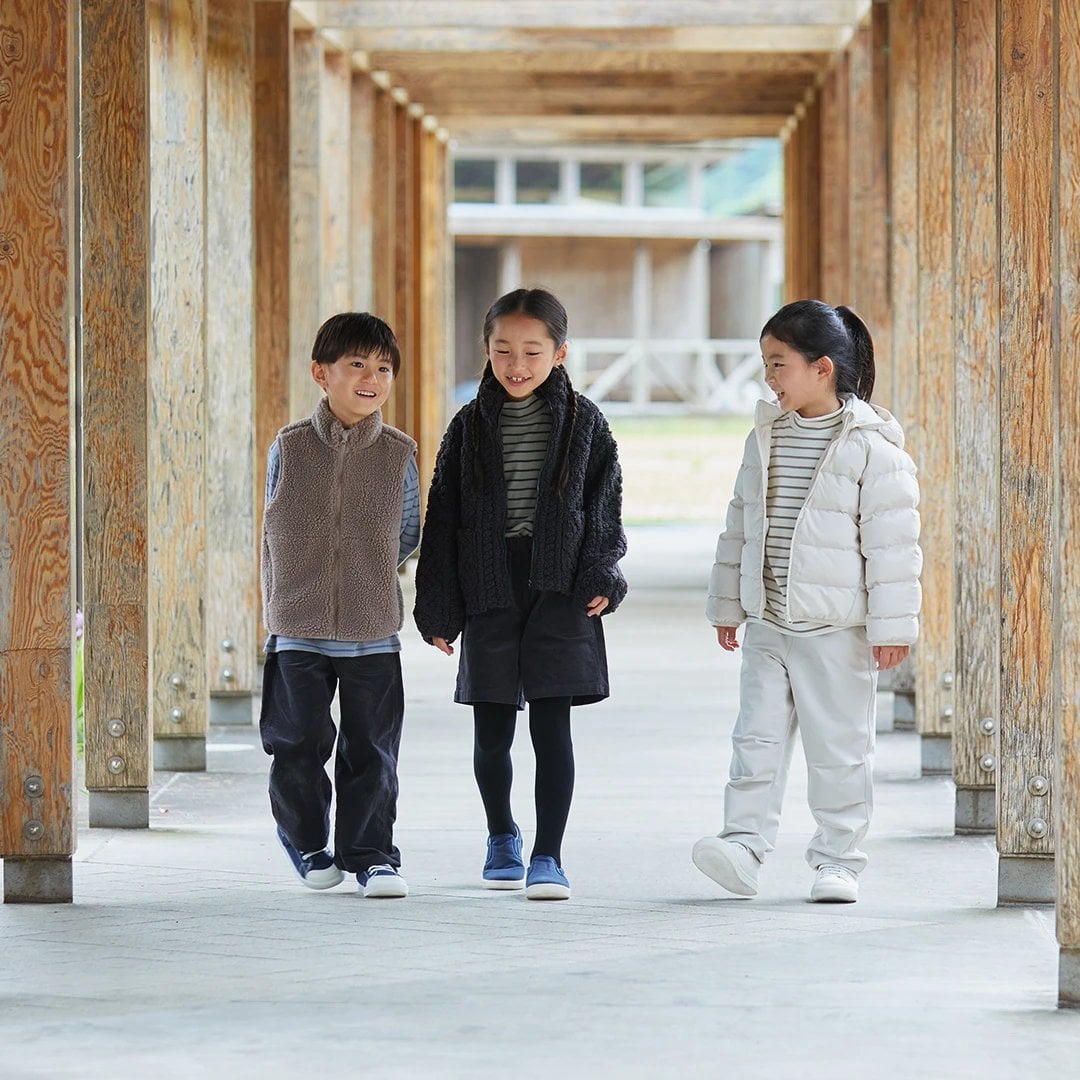
Another common error is stacking thick sweaters or heavy fleece under a fitted shell, which restricts movement and traps damp air against the body. A lightweight cardigan sits more comfortably beneath an outer layer than bulkier knitwear does, and this slimmer pairing preserves the air gap that breathable fabric relies on for ventilation. This is one of the clearest examples of how layering water-repellent jackets badly can cancel out the benefits of the outer fabric itself. Choosing knitwear by thickness rather than warmth alone often solves the problem before it starts.
Why Tight Fits Defeat the Purpose of MUJI’s Windproof Outer Shells
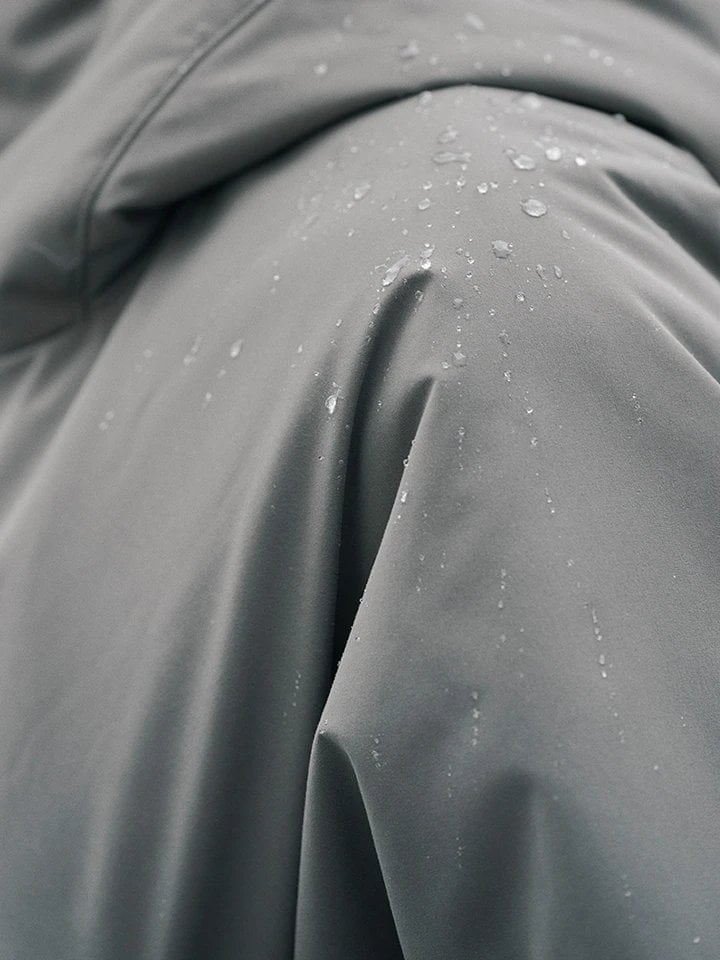
Choosing an undersized water-repellent or windproof jacket is a mistake that shows up the moment extra layers go underneath. Uk.muji’s Women’s Windproof Water-Repellent Comfort Fit Trousers and the Men’s Water-Repellent Memory Fabric Comfort Fit Trousers are both built with a comfort fit, pointing to a broader design preference for ease of movement rather than a snug cut. A jacket sized too close to the body compresses insulation underneath it, which works against the loose, breathable layering these comfort-fit pieces are designed around. Loosening the fit, rather than sizing down for a sleeker look, keeps the outer shell working as intended.
Neglecting Adjustable Hems and Hood Fit in Seasonal Changes
As seasons shift, many people keep wearing a jacket the same way they did in early autumn, without adjusting hems or hoods for changing wind and rain. Uk.muji positions its outerwear as suited to layering for the cold as well as adding a lightweight outer layer in milder weather, which implies garments meant to be adapted rather than worn identically year-round. A hood left loose in high wind, or a hem left slack in driving rain, reduces the practical benefit of a water-repellent shell. Treating hood and hem adjustment as a seasonal habit, not a one-time setting, is a small change with a real effect on comfort.
The Myth That Down Insulation Works Without a Water-Repellent Barrier
Down insulation is often assumed to perform well in any weather, but down loses much of its structure when it gets wet, which is why pairing it with a water-repellent outer layer matters. The Men’s Water-Repellent Hooded Down Jacket from Uk.muji combines down insulation with a water-repellent exterior rather than offering down alone. That combination reflects a broader point about outerwear construction, since insulation and weather resistance are separate functions that work together rather than interchangeable features. Assuming a down jacket is self-sufficient in wet conditions is one of the more overlooked mistakes in layering water-repellent jackets.
Packable Designs: Storage Convenience vs. Daily Accessibility Misunderstandings

Packable jackets are often bought for their compact storage and then left in a bag for too long, missing the point of quick-access protection against changeable weather. The Women’s Water-Repellent Packable Hooded Jacket is built to fold down for travel or storage, which is a convenience feature rather than a reason to keep it buried at the bottom of a bag. The Water Resistant Backpack listed among Uk.muji‘s Rainy Days Essentials, measuring W32 x D14 x H43 cm, points to a broader approach of pairing packable or protective items with accessible everyday carrying. Treating a packable jacket as an item for constant, easy reach, rather than deep storage, keeps it useful when weather actually changes.
- Wearing a heavy knit under a fitted water-repellent shell compresses the layer and reduces the air gap needed for breathability.
- Sizing down a windproof jacket for a slimmer silhouette restricts movement and undermines the comfort fit the garment was designed around.
- Leaving a hood unadjusted in strong wind lets rain in around the neck even when the fabric itself is doing its job.
- Assuming a down jacket alone will handle wet weather ignores the separate role a water-repellent outer layer plays.
- Folding a packable jacket away and forgetting it defeats the purpose of carrying lightweight, accessible protection against sudden rain.
- Mixing a loose blouse with a tight outer shell can bunch fabric at the shoulders and interfere with how the jacket sits.
None of these mistakes are complicated to avoid once the pattern is clear. Matching fit, fabric weight, and seasonal adjustment to the actual purpose of a shell makes a bigger difference than fabric alone ever could.