




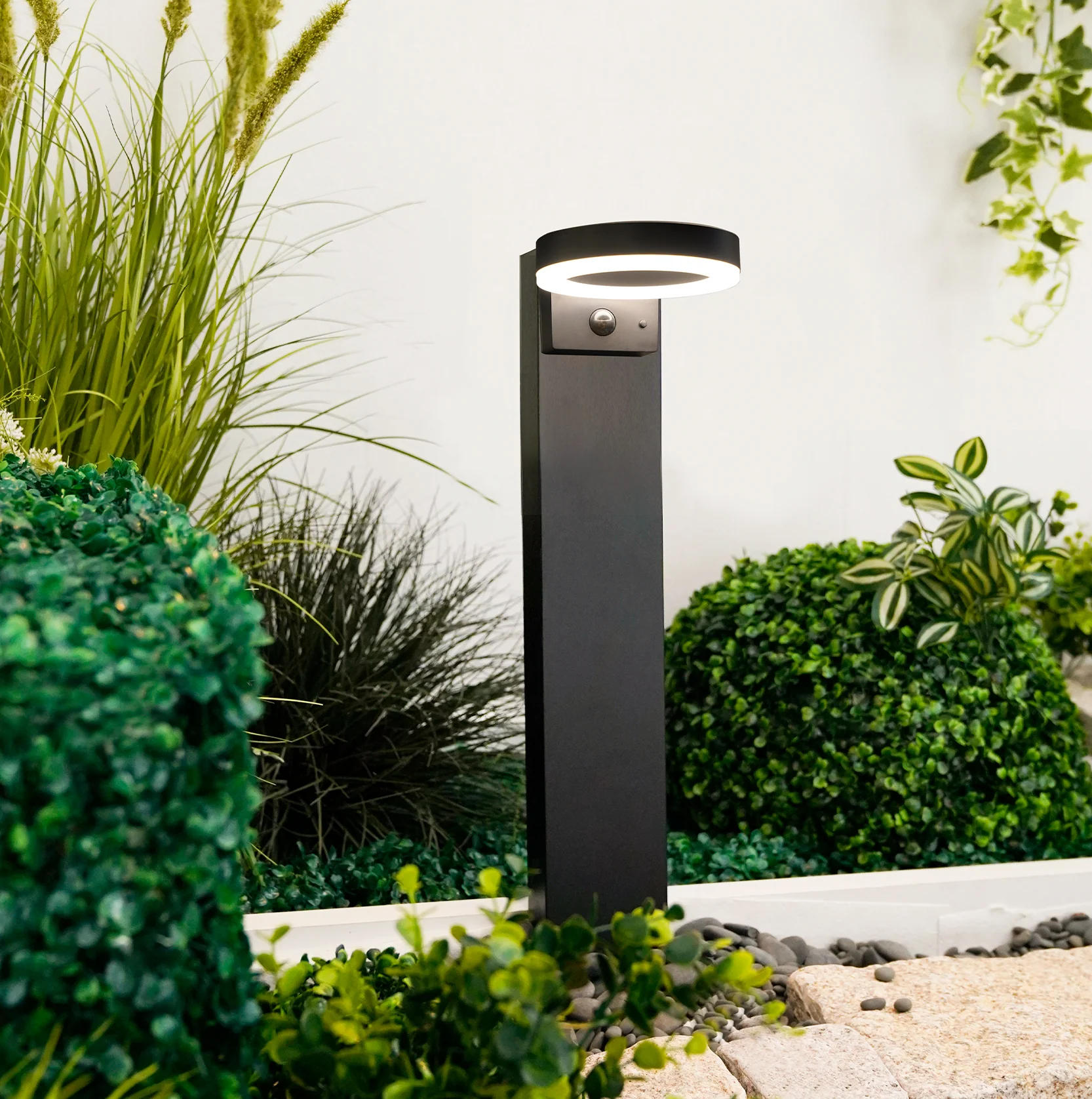
Bathroom and outdoor lighting projects fail more often from small oversights than from bad taste in fixtures. Common bathroom and outdoor lighting mistakes tend to repeat themselves across homes, from skipped water resistance checks to lighting zones that never quite match how a space gets used. The sections below walk through where these errors creep in and what to check before fittings go up on a wall, ceiling, or garden post.
Why Water Resistance Ratings Matter for Bathroom and Outdoor Lights
Every bathroom or garden fitting carries an IP rating, and ignoring it is one of the most frequent bathroom and outdoor lighting mistakes homeowners make. A light placed too close to a shower or left exposed to rain without the correct rating can fail quickly or become unsafe. Lights4living lists bathroom ceiling lights, bathroom wall lights, and bathroom recessed lights as distinct categories precisely because placement within the room changes what rating is needed.
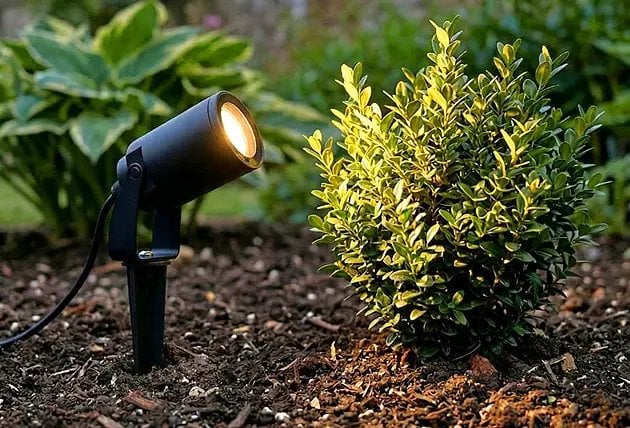
Outdoor fittings face a similar logic but with added exposure to weather over time. Garden spotlights, in-ground recessed decking lights, and outdoor wall lights all sit in the Lights4Living outdoor range, each suited to a different level of exposure. Checking the rating against the exact spot a fitting will occupy, rather than assuming all outdoor lights are equally protected, avoids a costly reinstall later.
LED versus Halogen Downlights: Dispelling Efficiency Myths
Halogen downlights still appear in some bathrooms and hallways, and Lights4living stocks mains voltage halogen LED downlights alongside dedicated LED options. A common assumption is that any downlight will perform the same once it is recessed into a ceiling. In practice, the lamp type behind the fitting changes heat output and how the light behaves in an enclosed space.
Decorative recessed LED spotlights and track lighting are also part of the range, giving a choice between fixed downlights and adjustable spot-style fittings. Picking between these options depends on whether a space needs even, general illumination or more directional light aimed at a specific feature.
Recessed Lights and In-Ground Fixtures: Common Installation Errors
Recessed lighting looks tidy, but poor planning around spacing and fixture type is a recurring issue. Plate mounted and bar mounted spotlights, clamp-on spotlights, and rechargeable spotlights all sit within the same broad recessed and spotlight family at Lights4Living, yet each mounts and performs differently. Treating them as interchangeable during installation is where many bathroom and outdoor lighting mistakes originate.
Outdoors, in-ground recessed decking lights and brick wall and step lights bring their own installation considerations, since they sit flush with a walked surface rather than overhead. Pond lighting and garden zone lights extend this further into areas that mix water, soil, and electrics. Matching the fixture to its exact ground or wall condition, rather than defaulting to a single style across a whole garden, reduces the chance of an awkward retrofit.
Mismatched Lighting Zones in Bathroom and Garden Spaces
A bathroom rarely needs just one type of light, yet many installations rely on a single central fitting. Illuminated mirrors, bathroom wall lights, and bathroom ceiling lights each serve a different purpose, from task lighting at a mirror to softer ambient light across the room. Lights4living separates these into their own categories, which reflects how differently they function in daily use.
Gardens show the same pattern on a larger scale. Patio lighting, garden lamp posts, and coastal exterior lights cover distinct zones, from seating areas to boundary paths. Relying on one fixture type for an entire outdoor space is a frequent error, since what works for a patio rarely suits a long path or a planted border.
Wall Lights, Spotlights, and Accent Lighting Misconceptions
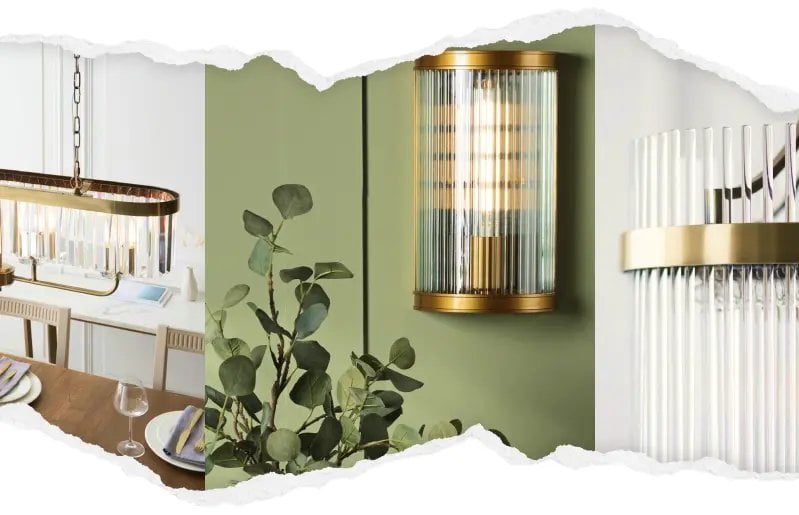
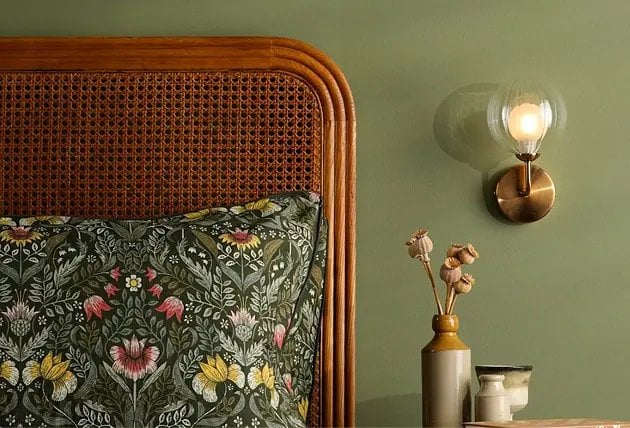
Wall lights are often treated as purely decorative, but the range at Lights4living includes recessed wall lights, swing arm wall lights, and wall-mounted spotlights, each with a practical role beyond decoration. Choosing a fitting based only on appearance, without considering throw direction or brightness, is a mistake that shows up once the light is actually switched on. Hanging porch lanterns and porch lighting fall into a related category, blending an entrance’s functional and decorative needs.
Handmade brass outdoor lights and solar outdoor lights widen the choice further, offering different finishes and power sources for exterior accent lighting. Solar fittings, in particular, suit spots where running a cable is impractical. Overlooking power source as a selection factor, and focusing only on style, is another common slip in outdoor lighting plans.
Security Lighting and PIR Sensor Placement Myths
Security lighting with PIR sensors only works as intended when the sensor’s field of view matches how movement actually happens near a property. Lights4Living lists security lighting and PIR lights as dedicated categories, separate from general garden spotlights. Assuming any outdoor fitting doubles as effective security lighting is a misconception that leads to missed detection or constant false triggers from passing traffic.
Positioning also matters more than fixture choice alone. A PIR light mounted too high, or aimed across a driveway rather than along a pathway, misses its purpose even if it is a well-made fitting. Considering the layout of a garden or entrance before fitting selection, rather than after, helps match the product to the actual space.
- Selecting a bathroom ceiling light without checking its IP rating against its distance from a shower or bath.
- Fitting bathroom wall lights too close to a mirror’s edge, which limits even illumination across the face.
- Mounting outdoor wall lights under an unprotected eave where driving rain can still reach the fitting.
- Spacing garden spotlights too far apart, leaving dark gaps along a path or border.
- Installing security lighting with PIR sensors at a height or angle that misses the exact area needing coverage.
Taken together, these recurring issues show that bathroom and outdoor lighting mistakes usually come down to mismatched expectations rather than poor-quality fittings. A wide product range, such as the one Lights4living lists across bathroom, garden, and security categories, only helps once the specific requirements of a space are actually mapped out. That mapping, more than any single fixture choice, is what prevents a lighting project from needing a second attempt.
Careful attention to rating, placement, and purpose turns a lighting plan from guesswork into something durable.