




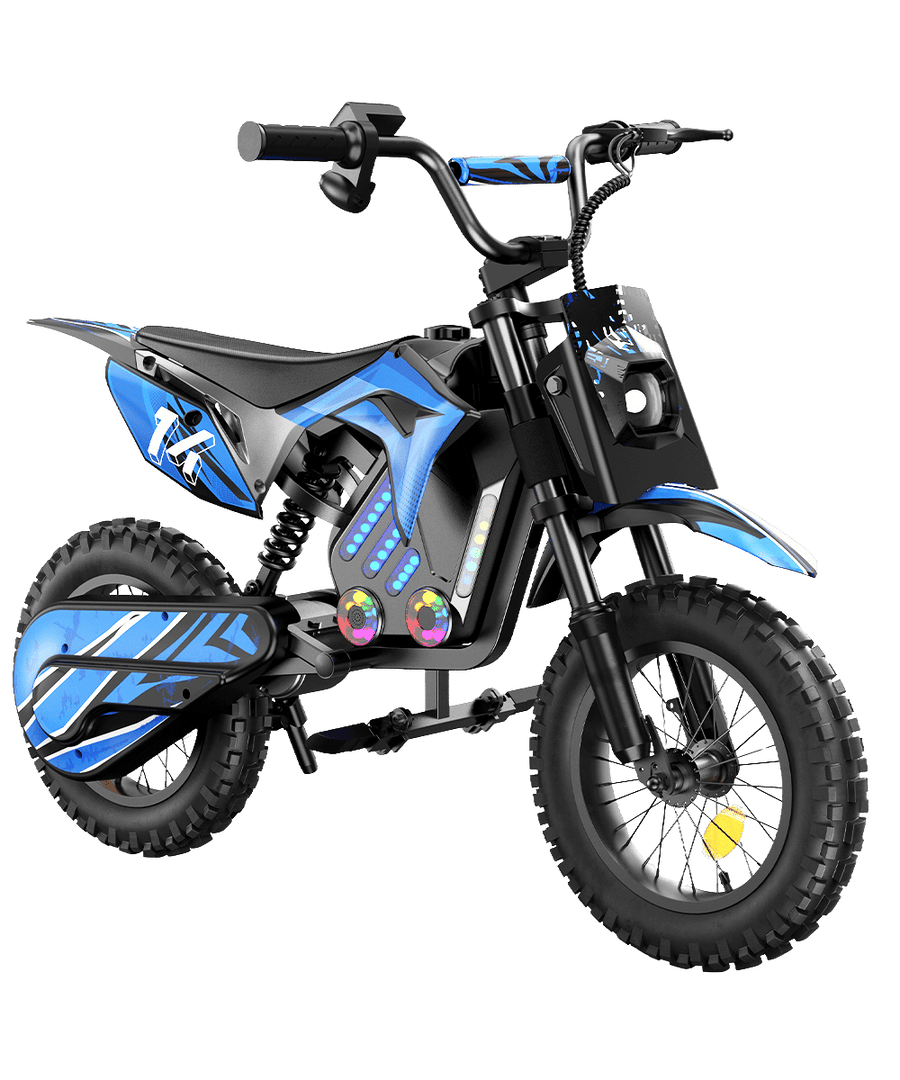
Shopping for a new ride often turns into a guessing game of numbers and marketing buzzwords. Many of the most common electric scooter mistakes happen before a single ride even begins, when buyers compare wattage or range figures without understanding what they really mean. This article looks at where those mistakes creep in, from motor power to terrain, weight limits, kids’ safety standards, and comfort features.
Confusing Motor Wattage with Real-World Performance
A higher wattage number looks impressive on a product page, but it does not automatically mean a smoother or faster ride. Motor output interacts with rider weight, tyre size, and incline, so two scooters with the same wattage can behave very differently on a hill. This is one of the electric scooter mistakes that trips up first-time buyers the most, since they assume wattage alone predicts how a scooter climbs or accelerates.
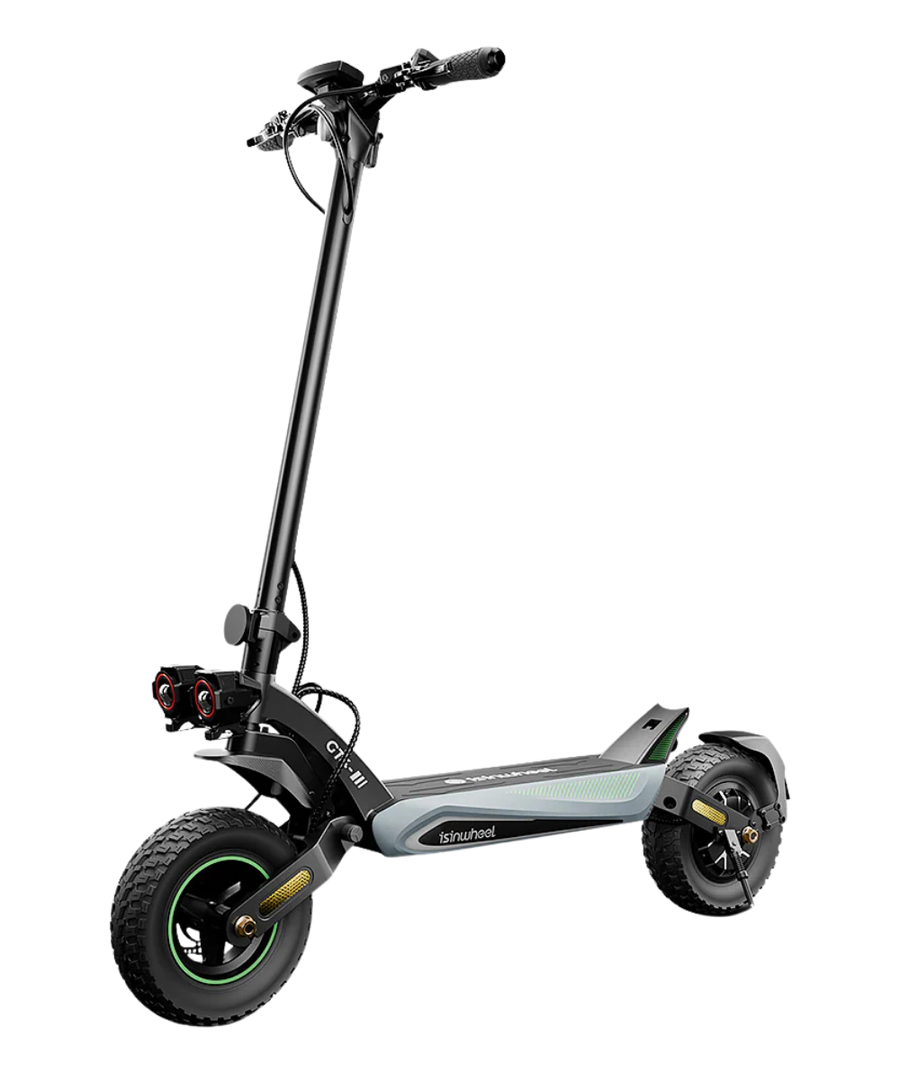
Isinwheel lists peak and continuous wattage separately on several models, which matters because peak power is rarely sustained for long. The GT1 Off Road Electric Scooter runs an 800W brushless motor and is rated to handle slopes up to 30%, while the GT2 steps up to a 1200W motor rated for slopes up to 35% and a top speed of 28 mph. Comparing those figures side by side shows why wattage alone, without a gradient rating, tells only part of the story.
Battery Range Claims vs. Actual Riding Distance
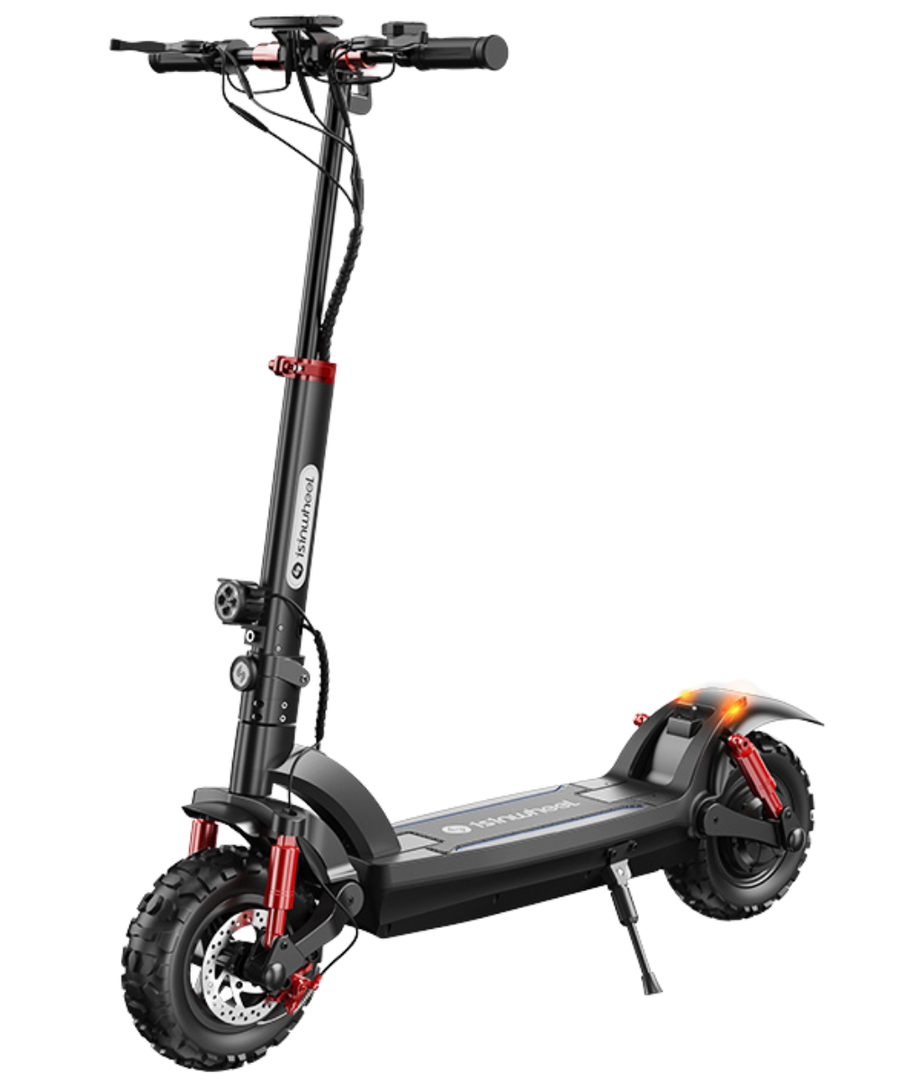
Range numbers on a spec sheet are usually measured under ideal conditions, flat ground, moderate rider weight, and steady speed. Real routes include stops, inclines, wind, and heavier loads, all of which shorten the distance a scooter can actually cover. Overlooking this gap between advertised and lived range is another of the recurring electric scooter mistakes buyers make when comparing listings.
The S9 model from Isinwheel is built around a 350W motor with a 500W peak and is described as covering up to 15.5 miles, suited to daily commuting rather than long-distance touring. By contrast, the S9max pairs a 500W front motor with a 36V 10Ah battery for a longer stated range, and the H7Pro goes further still, with up to 43 miles on a single charge and a charge time of around 3 to 4 hours. Lining these figures up against actual commuting distance, rather than the single highest number on a page, gives a more realistic picture.
Overlooking Terrain Capability: Off-Road vs. Urban Models
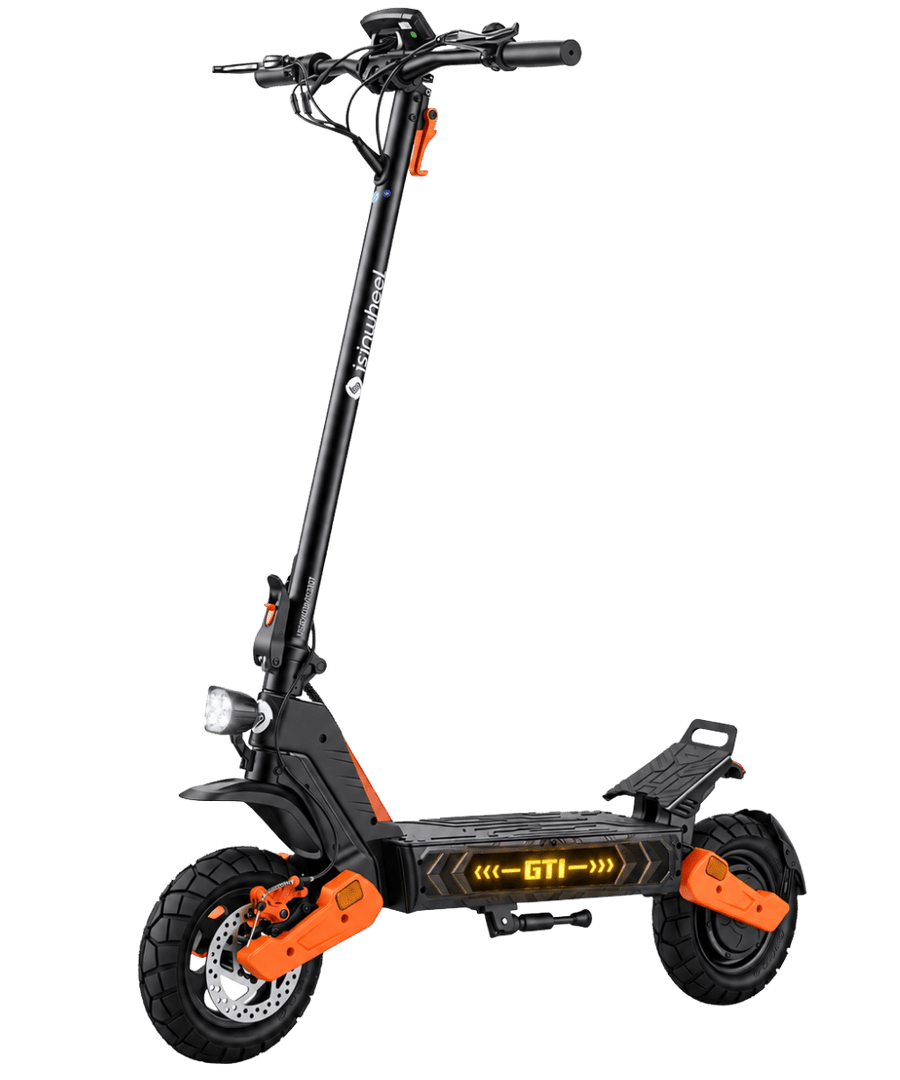
Not every scooter built for a smooth commute is suited to gravel, mud, or steep trails, and the reverse is also true. Off-road models typically carry sturdier suspension, wider tyres, and motors tuned for incline rather than top-end speed on pavement. Skipping this distinction is a frequent source of e-bike and scooter disappointment once a rider leaves paved streets.
Isinwheel separates its range into categories such as everyday scooters, off-road scooters, and kids’ scooters, rather than presenting one generic lineup. The Landturbo Pro, for instance, is positioned among the off-road options at 1250W and a stated top speed of 32 mph, while the S9 and S9max sit in the everyday category built around daily journeys, grocery runs, and park rides. Matching the terrain to the model category, instead of assuming one scooter suits every surface, avoids a mismatch that shows up quickly on rough ground.
Weight Capacity and Build Quality Misunderstandings
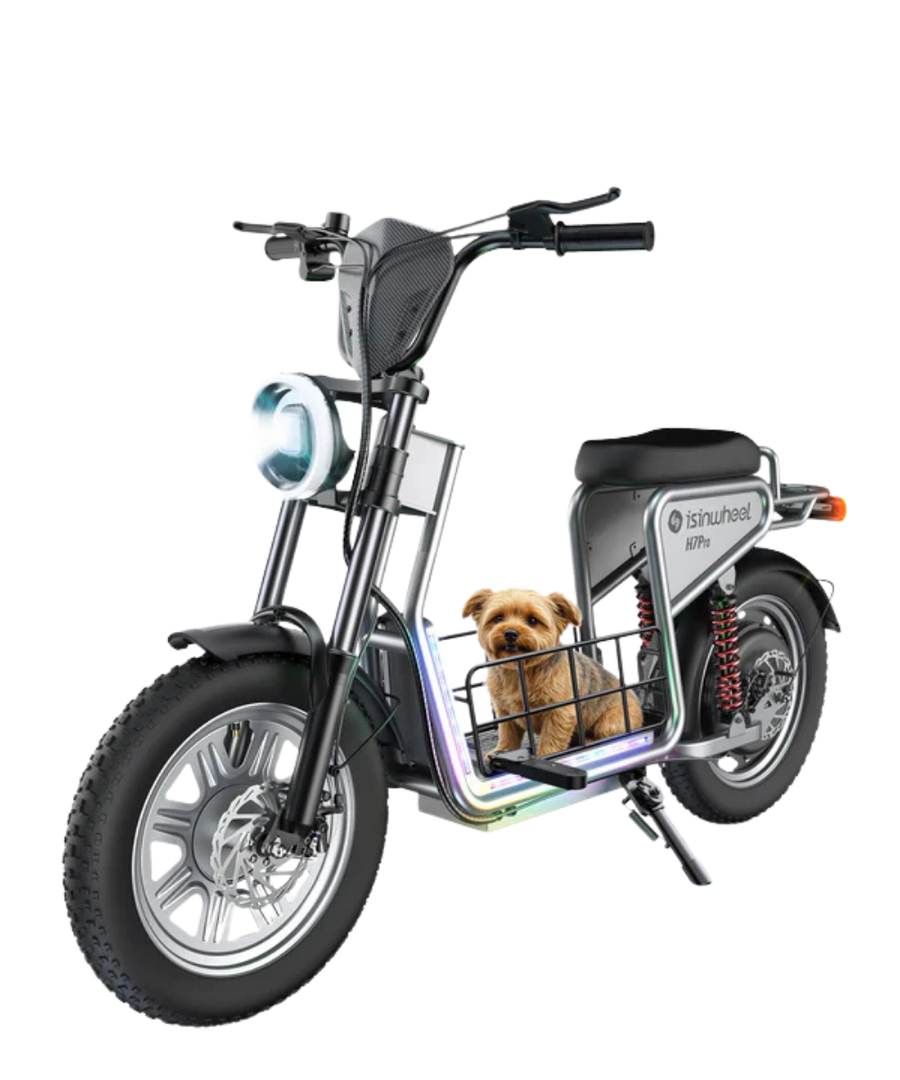
Weight capacity is often treated as a minor footnote, yet it directly affects how a scooter performs and how comfortable the ride feels. A rider near or over the stated limit may notice reduced range, slower acceleration, and more strain on the motor and brakes. This is one of the quieter electric scooter mistakes, since it rarely gets flagged until after purchase.
The S9 is rated to support up to 265 lbs, while the H7Pro carries a higher stated max load of 330 lbs. Frame material and tyre width tend to scale alongside weight capacity in general, since reinforced builds are usually paired with sturdier wheels to handle added load. Checking the specific rating for a given scooter, rather than assuming a similar-looking model shares the same capacity, matters for anyone comparing options across Isinwheel‘s range.
- Higher motor wattage does not automatically mean better hill-climbing without a stated incline rating to back it up.
- Advertised battery range is measured under ideal conditions and typically drops with rider weight, wind, and inclines.
- Off-road and urban scooters are built with different suspension and tyre setups, so swapping their intended terrain can disappoint.
- Weight capacity varies by model, so one scooter’s rated limit cannot be assumed to apply to another.
- Certified safety ratings, such as CE and UKCA marks on kids’ models, confirm a baseline of testing that general adult scooters are not always held to in the same way.
Why Kids’ Scooters Like the S7 and S4 Require Different Safety Standards
Scooters built for children are not simply smaller versions of adult models. They need different safety certifications, lower top speeds, and construction suited to shorter rides and lighter frames. Overlooking these differences is one of the more consequential electric scooter mistakes a parent can make.
The S7 Glow Adjustable Kids E-Scooter from Isinwheel adjusts for riders between 100 and 160 cm tall, aimed at ages 6 to 12, is built from high-strength aluminium, supports up to 180 lbs, and weighs only 15 lbs. The S4 is CE and UKCA certified and runs an upgraded 25.2V battery offering up to 90 minutes of play per charge. Both carry LED lighting and Bluetooth music features, but the certification and the lighter build are what separate a kids’ scooter from a scaled-down adult one.
Suspension and Comfort Features on Models Like the H7Pro
Comfort features rarely make it into a first comparison, yet they shape how a scooter feels after ten or twenty minutes of riding rather than the first thirty seconds. Suspension, tyre width, and seating all affect fatigue and control, especially on longer commutes. Ignoring comfort in favour of raw speed figures is a mistake that tends to surface only after a purchase is made.
Isinwheel pairs the H7Pro’s dual oil-spring suspension with a wide cushioned seat and extra-wide tyres, a combination built for distance and control rather than short bursts of speed. Reviewing comfort specifications alongside power and range figures gives a fuller view of what a model actually offers day to day.
Spec sheets will keep listing bigger numbers every season, but the figures only matter in combination with terrain, rider weight, and intended use.