




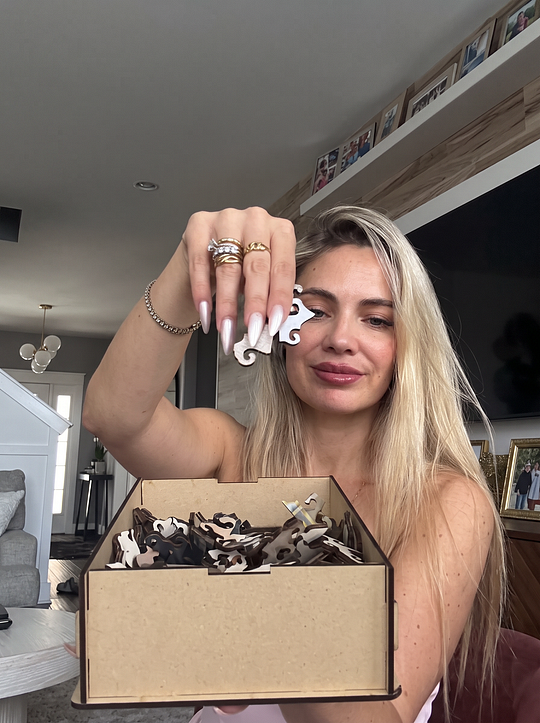
Parents shopping for wooden jigsaw puzzles for kids often rely on gut feeling rather than the features printed on a listing. That habit leads to purchases that do not match a child’s hands, attention span, or interests. This article looks at common missteps and what the available options, including those from Quordlepuzzles, actually offer instead.
Mistaken Beliefs About Puzzle Piece Count and Child Age
A common assumption is that piece count alone tells a parent whether a puzzle fits a child. In reality, piece size, cut shape, and image complexity matter just as much as the total number. A puzzle with fewer, larger pieces can still challenge a child if the picture has subtle colour transitions or repeated patterns.
Quordlepuzzles lists piece counts directly on each product, which lets a parent compare options rather than guess. Some designs favour chunkier pieces suited to younger hands, while others use finer cuts for children who already enjoy longer sessions with wooden jigsaw puzzles for kids. Relying on age labels alone skips over these practical differences.
Animal-Shaped and 3D Wooden Puzzles: What They Actually Offer
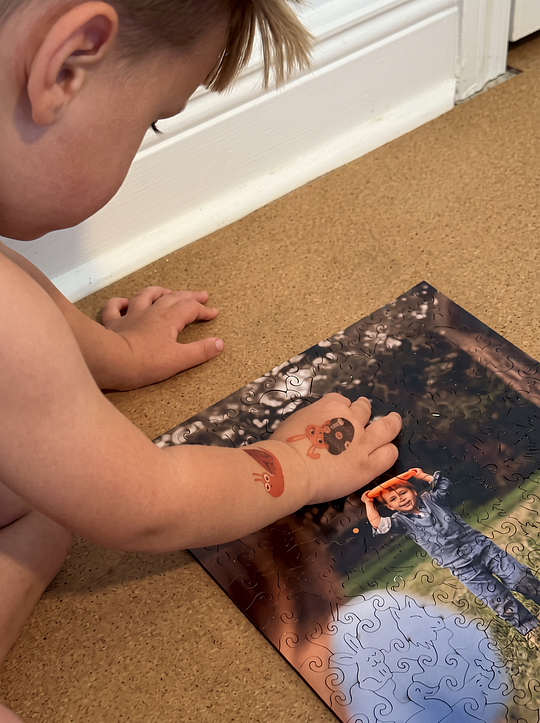
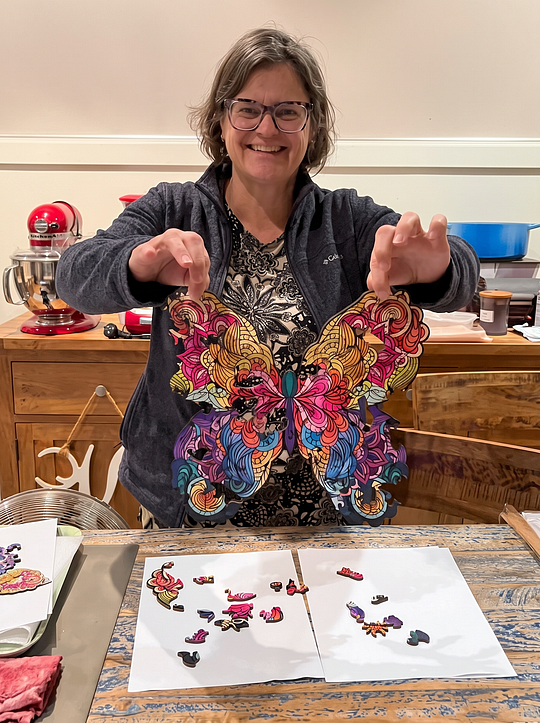
Shaped puzzles, such as the butterfly, elephant, or fish designs found on Quordlepuzzles, are frequently assumed to be simpler because of their playful outlines. That assumption misses the point of what the shape actually changes. The outline affects how a child approaches edge-finding, since there is no straight border to anchor the build.
Three-dimensional wooden jigsaw puzzles, including the 3D Coral Reef Turtle Wooden Jigsaw Puzzle and the 3D Ancient Ship Adventure Wooden Jigsaw Puzzle, add a further layer because pieces must be assembled in a specific order to stand upright. This is a different skill from flat assembly, not simply a harder version of it. Treating every animal-shaped or 3D puzzle as interchangeable with a flat rectangular one overlooks that distinction.
Why Custom Wooden Puzzles Are Not One-Size-Fits-All Solutions
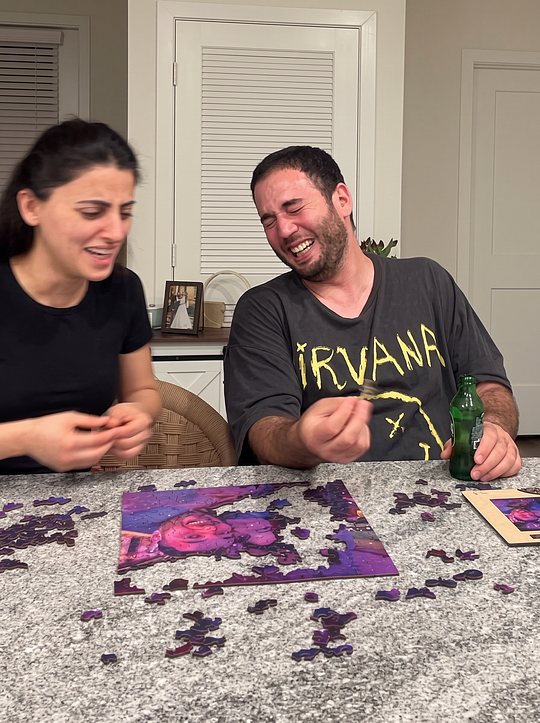
Custom photo puzzles are often bought as a universal gift idea without considering how a child will actually interact with them. Quordlepuzzles offers an upload photo custom wooden jigsaw puzzle option, which turns a chosen image into a puzzle. However, a personal photo does not automatically make a puzzle easier or more engaging for every age group.
A photograph with fine detail, such as a group portrait, can be harder to read in puzzle form than a bold illustrated design. Parents sometimes assume custom means simplified, when it can mean the opposite. The mystery box puzzle option, which sends a randomly selected pattern based on chosen size, carries a similar lesson, since the surprise element does not indicate difficulty either.
The Reality of Material Durability in Wooden Jigsaw Puzzles
Wood is often treated as an automatic guarantee of long-lasting play, but durability depends on how a specific puzzle is made, not the material label alone. Thickness, edge finishing, and how tightly pieces interlock all affect how a puzzle holds up to repeated handling. A thin wooden piece can still chip or wear at the edges with frequent use.
Shoppers comparing wooden jigsaw puzzles for kids get a clearer picture by reading what a listing states about piece construction and finish, since the word wooden on its own says little about how a specific puzzle will hold up over repeated play sessions.
Wooden vs. Paper Puzzles: Separating Fact from Marketing Claims
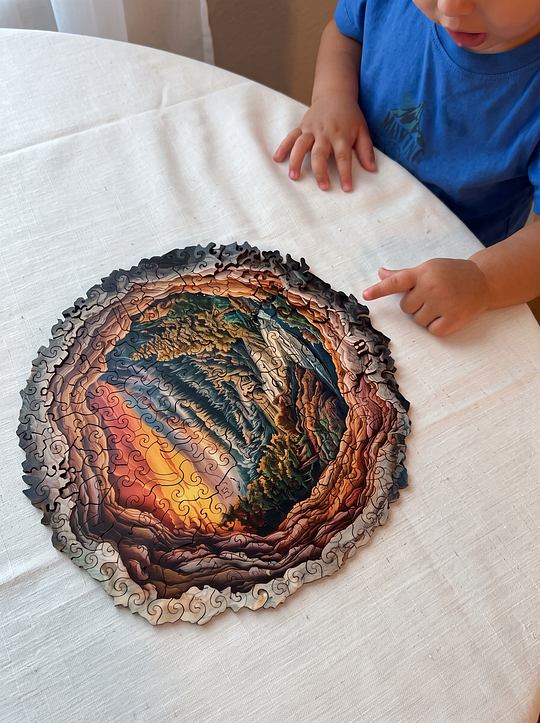
Marketing language sometimes implies wooden puzzles are strictly superior to paper or cardboard versions in every respect. That framing oversimplifies a choice that depends on what a family actually wants from a puzzle. Wooden pieces tend to have more heft and a different tactile feel, which some children and adults prefer.
Quordlepuzzles markets its range specifically as wooden jigsaw puzzles for both adults and kids, with animal shapes and 3D builds as part of that identity. That focus describes the product line rather than proving that wood outperforms paper on every measure. Comparing options on their actual features, rather than on a general wood-versus-paper narrative, gives a clearer picture.
Common Misconceptions About Puzzle Engagement and Educational Value
Puzzles are frequently marketed with sweeping claims about cognitive benefit, which can lead parents to expect specific developmental outcomes. The American Journal of Public Health quote referenced by Quordlepuzzles speaks to creative expression contributing to healing processes, a general statement rather than a guarantee tied to any one puzzle. Reading such references accurately matters more than assuming every puzzle purchase delivers a measurable skill outcome.
Engagement also varies by subject matter and format. A child drawn to animals may stay with a shaped fish or giraffe puzzle longer than with an abstract pattern, regardless of piece count. Matching subject matter to interest, rather than chasing an assumed educational label, is a more grounded way to think about engagement with wooden jigsaw puzzles for kids.
- Some parents believe a higher piece count always means a puzzle is more advanced, even when piece size and cut shape matter more.
- Many assume a wooden puzzle will outlast a paper one automatically, without checking the actual construction details of that specific product.
- A frequent myth holds that animal-shaped puzzles are inherently easier than rectangular ones because of their playful outline.
- Some shoppers assume a custom photo puzzle is simplified for children, when detailed images can be harder to read than illustrated designs.
- There is a common belief that any wooden puzzle delivers a specific developmental milestone, though general claims about creative play do not guarantee a particular outcome.
- Parents sometimes think 3D wooden puzzles are just a harder flat puzzle, overlooking that they require a different assembly order altogether.
Reading actual listing details, rather than leaning on assumptions, remains the steadier path through this category.