




A motorcycle helmet is the one piece of kit a rider cannot swap out mid-journey, yet motorcycle helmet mistakes still happen at the point of purchase far more often than on the road. Many of those errors trace back to assumptions about fit, standards, or upkeep that a specialist retailer is built to correct. Webbsmotorcycles stocks a wide spread of helmet brands and sizes across its Lincoln and Peterborough showrooms, which gives a concrete way to look at where riders typically go wrong.
Why Helmet Fit Matters More Than Brand Name
A recognisable badge on a shell says nothing about how that shell sits on a particular head. Riders often assume paying for a known name guarantees comfort, but fit depends on skull shape and padding density rather than branding. Webbsmotorcycles carries helmets from Alpinestars, AGV, Airoh, and Scorpion, so a rider can compare several shell shapes under one roof instead of settling for whichever brand happens to be in stock elsewhere.
This matters because two helmets rated to the same standard can feel completely different on the same head. One of the more common motorcycle helmet mistakes is buying on reputation and skipping a proper try-on. Visiting the Webbs of Lincoln or Webbs of Peterborough showroom in person allows that side-by-side comparison before a decision is made, rather than guessing from a photo online.
Flip-Front and Full-Face Designs: Misunderstandings About Protection Levels
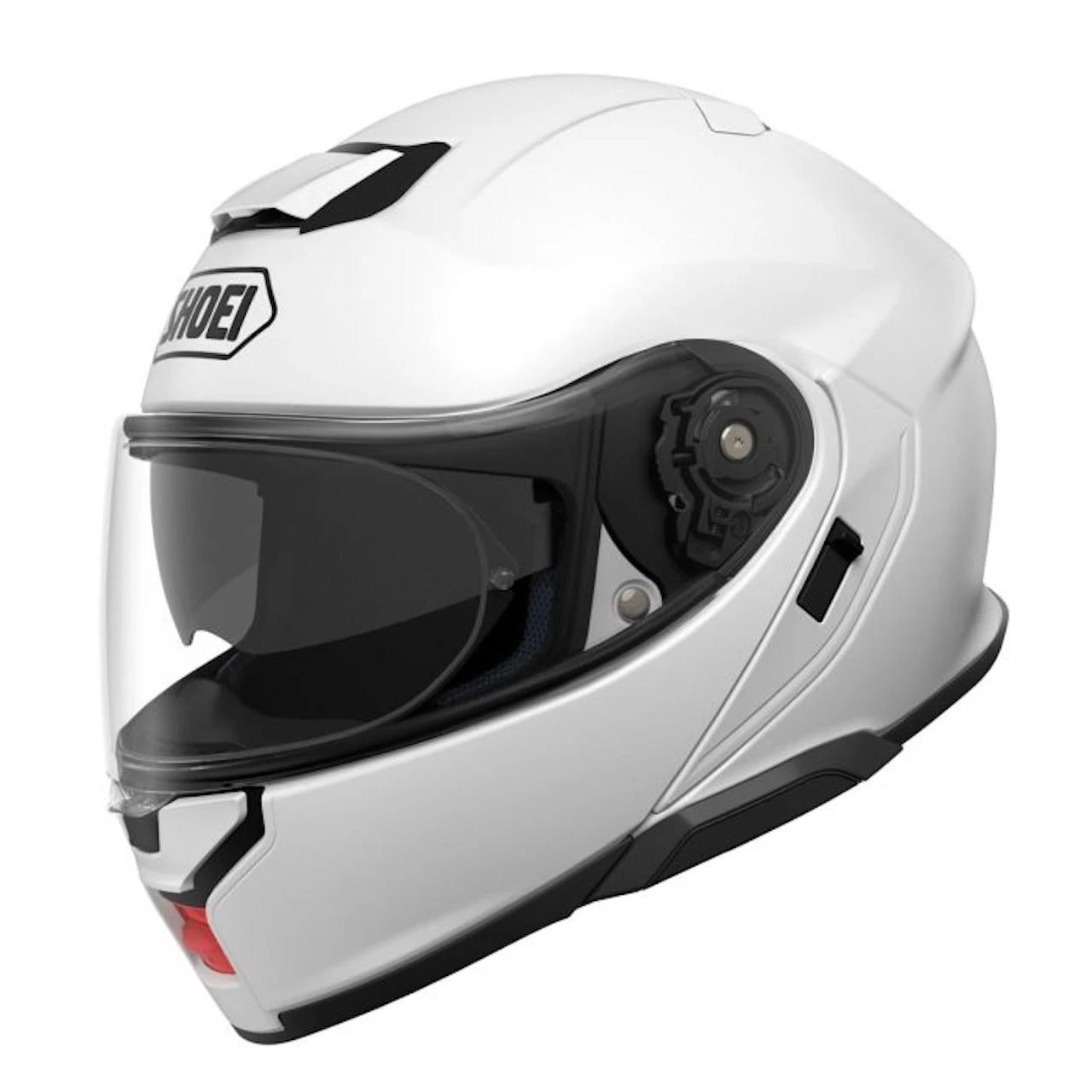
Flip-front, or modular, helmets are often treated as a lighter-duty alternative to full-face helmets, but that assumption oversimplifies how the two designs differ. A flip-front helmet’s chin bar hinges open, which changes convenience, not necessarily the certification the shell carries. The Alpinestars S-R7 range, listed in full-face form, keeps the chin bar fixed and relies on one continuous shell.
Riders sometimes pick a modular helmet purely for the ability to flip it up at a fuel stop, without checking what certification the specific model carries. That choice alone is not a problem, but assuming every flip-front and every full-face helmet performs identically within its category is. Checking the specific rating, rather than the general design type, avoids one of the more persistent motorcycle helmet mistakes riders make.
Pinlock Visor Inserts and Helmet Warranties: Beyond the Marketing
Anti-fog visor inserts are frequently treated as a universal accessory, which leads some riders to assume any insert fits any visor. In practice, a Pinlock-type insert is shaped for a specific visor, and some helmets, such as certain Scorpion EXO-TECH EVO listings, are sold with a free dark visor and a free Pinlock insert included as a set. Fitting an insert cut for a different visor shape can leave gaps around the pins or a loose seal.
Warranty length is treated with similar carelessness. Some Scorpion helmets in that range carry a five year warranty, but riders sometimes assume the cover extends automatically to parts added afterwards, which is not something the facts here confirm either way. Checking what a warranty actually covers, rather than assuming it blankets every accessory, avoids a narrower but still common version of the same mistake.
DOT, ECE, and Safety Standards Explained
Safety standards are printed on a label inside the helmet, yet many riders never check which one their helmet carries. DOT and ECE are separate certification systems used in different regions, and a helmet is tested and labelled against one, the other, or sometimes both. Confusing the two, or assuming a helmet is certified because it looks the part, is one of the quieter motorcycle helmet mistakes that goes unnoticed until it matters.
Checking the label takes a moment and needs no special knowledge, only the habit of looking rather than assuming. Helmets listed through Webbsmotorcycles, including models from AGV such as the K6-S, K3, and K7 ranges, carry their certification details alongside the shell specification, so the information sits next to the product rather than hidden in small print.
Common Sizing Errors and How to Measure Correctly
Sizing a helmet by eye, or by whatever size was worn years earlier, is one of the most frequent errors riders make. Head shapes vary between oval and round, and padding compresses over time, so a helmet that fit well several seasons ago may no longer sit correctly. Measuring head circumference with a soft tape, just above the eyebrows and ears, gives a far more reliable starting point than guessing.
Shell sizes also differ between manufacturers, so a given measurement does not always map to the same letter size across brands. That inconsistency is exactly why trying on multiple shells, rather than ordering a single size online without reference, reduces the risk of a poor fit. A helmet that moves during a simple shake test is not sized correctly, regardless of what the label claims. The wider men’s and women’s helmet listings on the site give more shell shapes to compare during that kind of fitting check.
Helmet Maintenance Myths That Compromise Safety
Many riders assume a helmet lasts indefinitely as long as the shell looks undamaged from the outside, but age and impact history affect the liner in ways that are not always visible. A helmet dropped once, even without a visible crack, may have compromised inner padding. Treating a helmet as permanent kit, rather than something with a working life, is one of the easier motorcycle helmet mistakes to overlook.
Cleaning habits matter too. Harsh solvents can degrade the inner liner or visor coating, while plain soap and water is generally gentler on both. The list below gathers the purchasing, fitting, and maintenance errors covered above into one place.
- Choosing a helmet based on brand recognition rather than trying the shell on first.
- Assuming all flip-front helmets carry the same protection profile as full-face designs.
- Fitting a visor insert that was not shaped for the specific visor it is paired with.
- Overlooking the DOT or ECE certification label printed inside the helmet.
- Measuring head size inconsistently or relying on an old size from a previous helmet.
- Continuing to use a helmet after a drop or impact without checking the liner.
- Cleaning the shell or visor with harsh chemical solvents instead of mild soap and water.
Helmet shopping rewards patience more than brand loyalty, and a shop built around decades in the motorcycle trade is a sensible place to apply that patience. Trying shells on, reading certification labels, and measuring properly take a few extra minutes but prevent outcomes that cannot be undone once a helmet has already been worn on the road.