





Period care marketing is full of bold claims, and separating fact from exaggeration can be difficult. Many organic period product myths mix genuine material science with wishful thinking about health outcomes, and the gap between the two is where confusion usually starts. This article examines what toxin-free, organic cotton design actually changes, while checking which claims stretch beyond what the materials can support.
The ‘Toxin-Free’ Label: What It Actually Means for Period Products
“Toxin-free” sounds dramatic, but on a label it usually refers to the absence of specific additives. Wearedame states that its tampons are made with nothing added beyond organic cotton, with no dyes, bleaches, or plastics mixed in. The brand also says its tampons are tested regularly for heavy metals, which is a narrower and more verifiable claim than a blanket promise of safety.
Many organic period product myths treat “toxin-free” as a catch-all health guarantee rather than a description of what was left out during manufacturing. Wearedame‘s own product pages frame it this way too, listing the absence of pesticides, plastic, bleach, super-absorbents, colouring, and harsh chemicals as material facts rather than promises about the body. Even the wrappers are described as compostable cellulose, which is a packaging detail rather than a health claim.
Organic Cotton vs. Conventional Materials: Separating Marketing From Material Science
Organic cotton used in period products is grown on GOTS certified farms, free from pesticides and plastics, according to Wearedame‘s own description. That is a statement about agricultural and manufacturing practice, not an automatic statement about comfort or performance. Conventional tampons often blend cotton with synthetic fibres and super-absorbent materials, which is a structural difference rather than a judgement on safety.
A simple demonstration illustrates this difference, dropping a conventional tampon and an organic one into water side by side. The organic version reportedly held its shape, without shedding fibres or breaking apart, while the conventional one did not. That is a specific, observable material behaviour, distinct from any claim about health effects.
Do Period Products Really Affect Flow and Pain Levels?
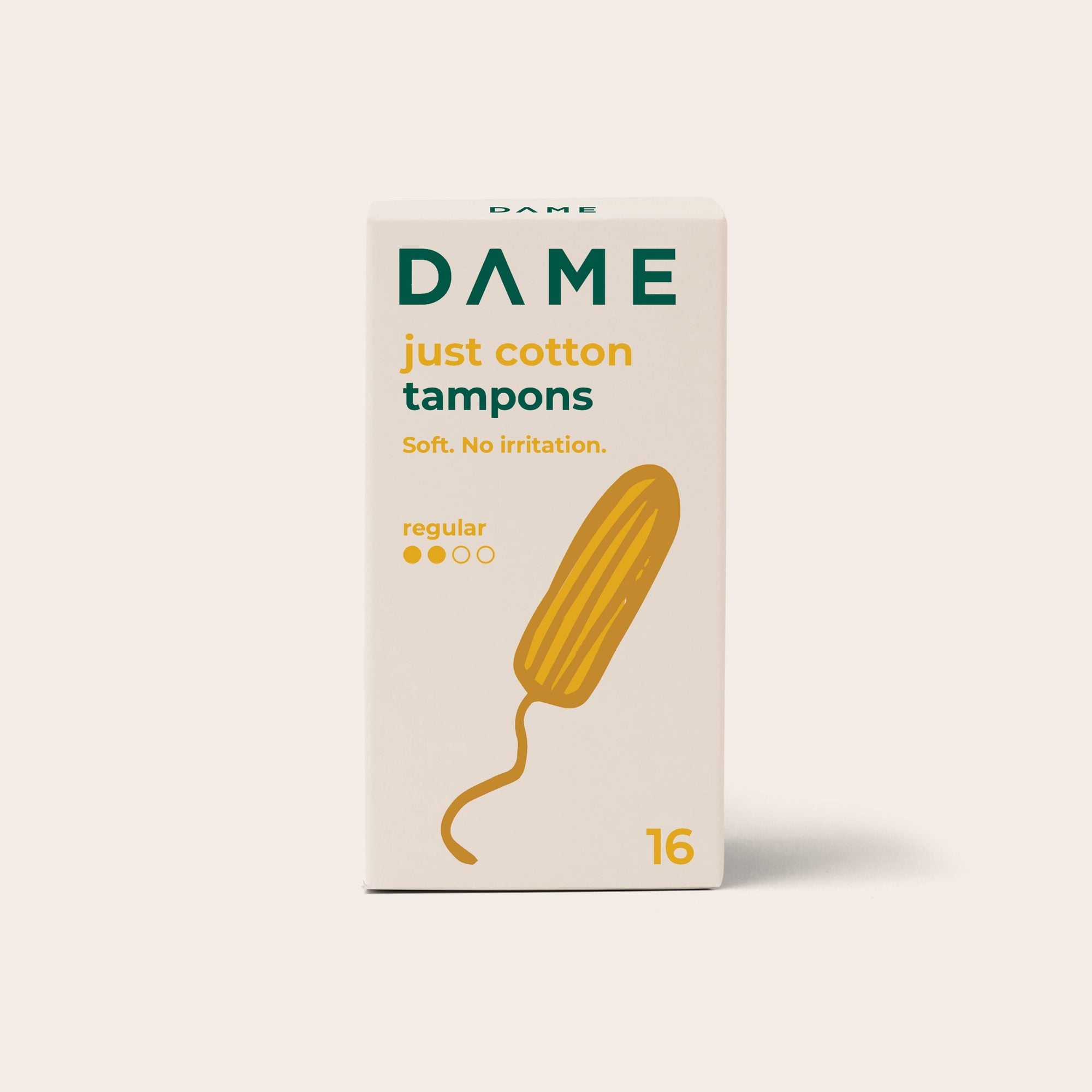
This is where some organic period product myths overreach the most. Wearedame reports that 80% of its customers experienced lighter, shorter, or less painful periods after switching from traditional products, and that many customers describe similar changes within 60 days of switching to its organic tampons. These are customer-reported figures from the brand’s own channels, not independent clinical findings, so they read as reported experience rather than a guaranteed result.
It is also worth noting what the brand does not claim. Nothing in the available material states that organic cotton mechanically treats cramps or alters hormonal patterns. The reported changes are described as experiences after switching, which is a more modest framing than many organic period product myths suggest.
Period Pants and Leak-Proof Claims: Reality vs. Expectation
Leak-proof language gets used loosely across the category, so it helps to look at what Wearedame actually specifies per style. The Bikini Period Pant absorbs the equivalent of 3-4 tampons or pads worth of blood, and the brand positions it as its most popular all-rounder style. By contrast, the Night Period Pants absorb the equivalent of 5 tampons or pads each wear, with high back padding and built-in odour-control technology for very heavy periods.
Lighter options exist too, including the Shortie Period Pants for medium flow and backup wear, and the Thong Period Pants for spotting, light leaks, discharge, or backup to a tampon or cup. Each style is tied to a specific absorbency figure rather than a vague leak-proof promise. That specificity is useful, because it lets the stated capacity be matched to flow rather than relying on a single catch-all guarantee.
Common Misconceptions About Reusable Period Pads and Sustainability
Reusable pads are often framed as an automatic sustainability fix, but the details are more specific than that. The pads come in four sizes, Mini (interlabial), Liner, Regular, and Night, each with a stated absorbency and length. The Liner absorbs up to 1 regular tampon or pad, the Regular up to 2, and the Night up to 4, according to the brand’s own sizing chart.
- Some assume organic tampons and pads automatically remove all synthetic material from period care, when brands typically specify only the absence of particular additives such as bleach or added plastics.
- Many people expect a single use of an organic product to produce a dramatic health transformation, whereas changes are described as developing after a period of switching, not overnight.
- There is a common belief that reusable pads are maintenance-free, though care instructions call for rinsing in cold water and specific washing steps after each use.
- Leak-proof is sometimes read as leak-impossible, while absorbency figures such as “equivalent to 3-4 tampons” describe a capacity limit rather than an unlimited guarantee.
- Sustainability claims are sometimes treated as a blanket environmental fix, even though a reduced plastic footprint is a narrower and more specific claim than a full solution.
Unbleached Period Pads come as a 10 pack of day pads with wings, made from 100% organic cotton and free from toxins and additives. That framing centres on comfort and a reduced plastic footprint rather than a complete environmental solution, which is narrower than many of the broader sustainability claims attached to reusable products across the category.
Switching Products: Why Results Vary and What to Expect
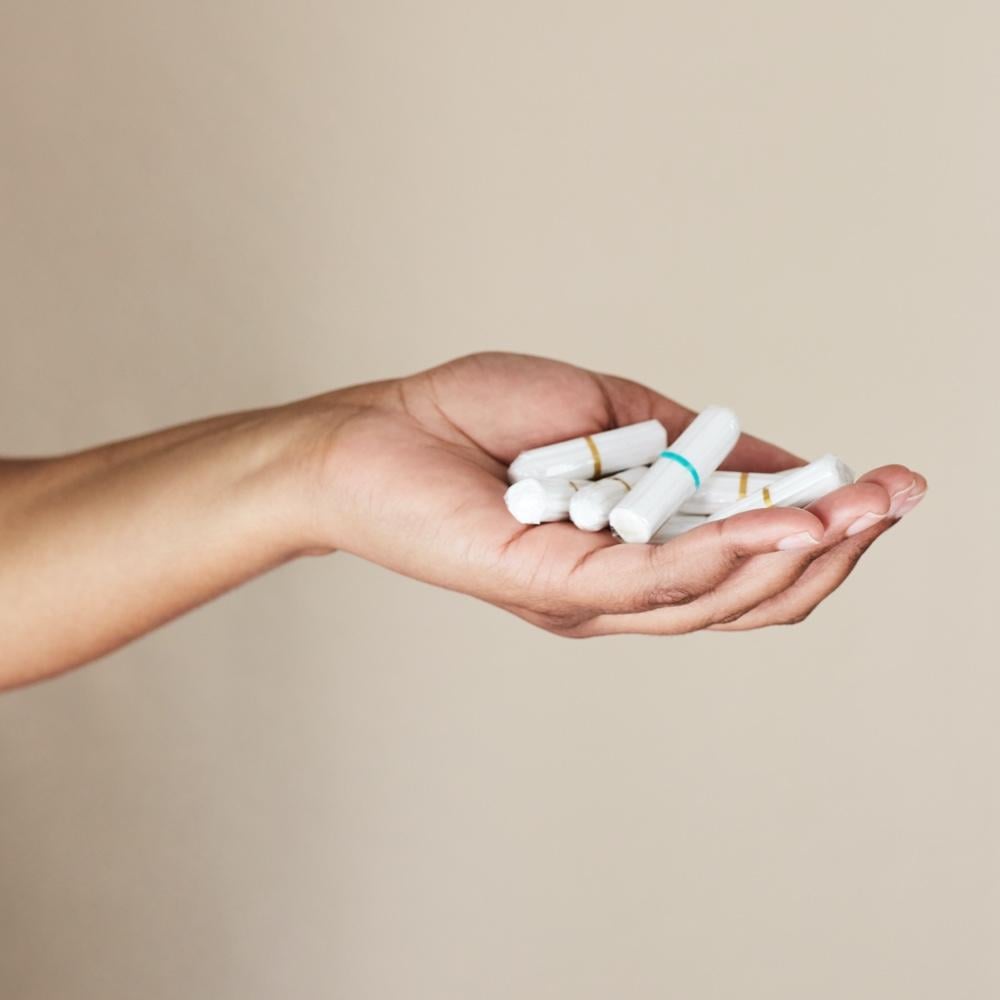
Experiences after switching to organic period products are not uniform, and the brand’s own data reflects a majority outcome rather than a universal one. An 80% figure, however notable, still leaves a share of customers for whom the experience differs. That gap is often missing from marketing summaries, even though it is present in the brand’s own rated-review data showing a 4.6 rating from over 2,000 women.
The product range, spanning organic tampons, period pants, reusable pads, and a period cup, gives some structure for comparing options by flow and format rather than by vague promises. Comparing the absorbency figures listed for a Bikini Period Pant against a Night style is a more reliable way to work through organic period product myths than trusting general toxin-free slogans, since each style carries an exact tampon-or-pad equivalence rather than a loose descriptor. Variation in outcome does not undermine the material facts about organic cotton or toxin-free manufacturing, since those facts rest on certification and testing rather than reported experience.
What remains constant across the range is the distinction between a verifiable material claim and a reported personal outcome.