




Supplements attract more confident claims than almost any other product category, and plenty of those claims do not hold up under scrutiny. Common supplement misconceptions circulate so widely that many shoppers assume a tablet works a certain way simply because a label or a friend said so. This article looks at where those ideas come from and separates what vitamins, minerals, and botanical extracts actually do from what people believe about them.
Misconceptions About Multivitamins and Daily Vitamin Needs
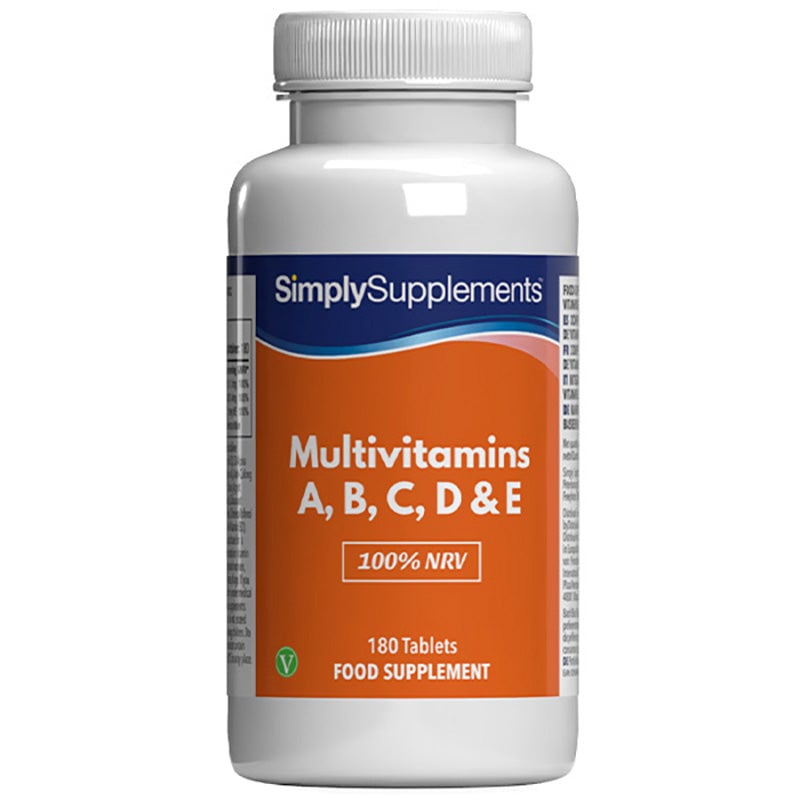
One of the most persistent common supplement misconceptions is that a multivitamin can replace a balanced diet entirely. A multivitamin is designed to fill nutritional gaps, not to substitute for meals. Simplysupplements markets a Multivitamine A, B, C, D & E formula that provides 100% of the nutrient reference value for those vitamins in a single tablet, positioned as a daily foundation rather than a complete food replacement.
Another false belief is that more vitamins automatically mean better health. Fat-soluble vitamins in particular are stored in the body, so taking excessive amounts does not simply get flushed away. A standard multivitamin taken once daily, as the product description suggests, is intended to cover everyday needs rather than to be stacked with additional single-nutrient pills without reason.
Why Omega 3 Supplements Are Misunderstood

Many people assume all fish oil capsules are interchangeable, but concentration and sourcing vary between products. Simplysupplements lists an Omega 3 500mg option described as contributing to the normal function of the heart, brain, and eyes, alongside a higher-strength Omega 3 1000mg version sourced from what the brand describes as clean waters and manufactured in the UK to GMP standards. That difference in strength is a detail easily lost when omega 3 is treated as a single generic category.
A related myth is that cod liver oil and standard fish oil are the same thing. The Lebertran 1000mg product contains natural vitamin D3 and vitamin A alongside concentrated omega-3 fatty acids, which sets it apart from a plain fish oil capsule. Confusing these two products means overlooking the additional nutrients that cod liver oil specifically carries.
Glucosamine and Joint Health: Separating Fact from Fiction
Glucosamine is often discussed as if it works identically regardless of form, yet glucosamine sulfate and glucosamine combined with chondroitin are not the same formulation. The brand offers a Glucosaminsulfat 1500mg tablet made in the UK to GMP standards, as well as a Glucosamin 500mg & Chondroitin product described as having an optimal ratio between the two ingredients. Treating every joint supplement as equivalent overlooks these formulation differences.
Another common supplement misconception is that joint ingredients act the same way for everyone who takes them. The MSM 3000mg product, which now also contains vitamin C and copper, shows how joint-support formulas are frequently combined with other nutrients rather than sold as a single isolated compound. That combination approach is a reminder that ingredient lists matter more than a single headline nutrient.
The Truth About Immunity Support Ingredients Like Vitamin C and Zinc
It is widely assumed that immune-related nutrients only matter once someone already feels unwell. In reality, formulas built around vitamin C and zinc are generally framed by brands as part of a regular routine rather than a reactive remedy. Simplysupplements lists an Echinacea 3200mg product described as helping to ease symptoms and support a healthy immune system, which points to a broader approach than a single reactive dose.
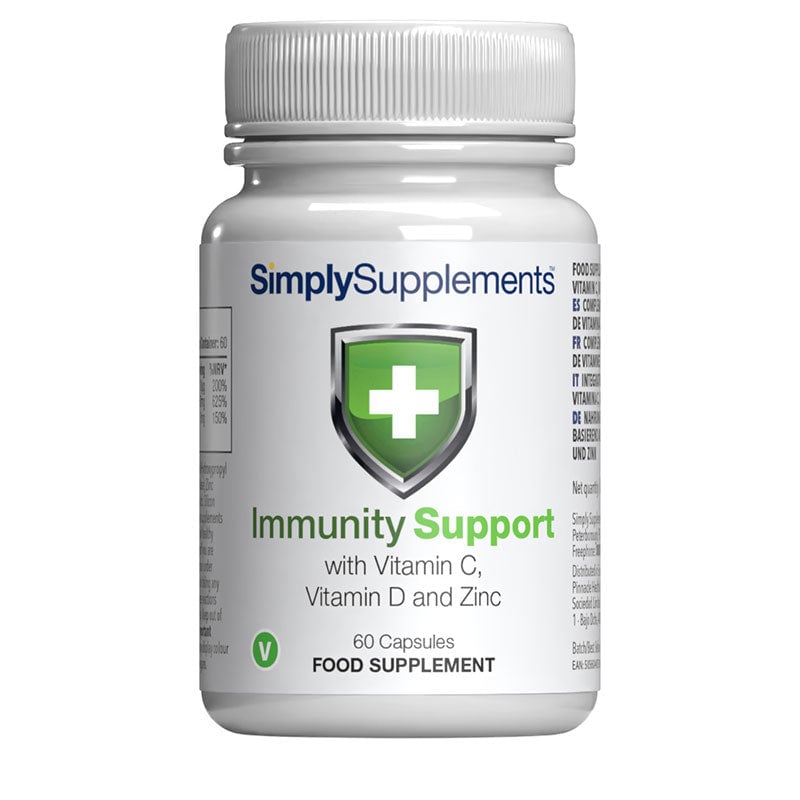
Zinc is often treated as interchangeable regardless of dose or source, which is another of the common supplement misconceptions worth correcting. Simplysupplements offers a Zink 15mg product providing 150% of the nutrient reference value, suitable for vegans, and manufactured in the UK to GMP standards. That kind of specification shows why checking the actual percentage on a label matters more than assuming one zinc tablet equals another.
Herbal Supplements: Common Misbeliefs About Ginseng, Ginkgo Biloba, and Plant Extracts
Ginseng is frequently treated as a single, uniform ingredient, but Siberian ginseng is explicitly not the same as American or Korean Panax ginseng. Simplysupplements sells a Sibirischer Ginseng 2000mg product that now also contains vitamin B5, and the brand’s own description is careful to separate it from those other ginseng varieties. Assuming all ginseng behaves identically ignores that distinction entirely.
Ginkgo biloba carries its own myths, often described as a single ancient remedy with one fixed effect. The Ginkgo Biloba 6000mg product now also includes iron, extracted from a tree species the listing calls a living fossil. Botanical extracts like this are frequently reformulated with added nutrients, which means a plant name alone does not describe the full ingredient list.
Supplement Timing, Absorption, and Interaction Myths
A further misconception is that supplement timing makes no difference to how a product is used day to day. Several formulas in the Simplysupplements range combine more than one nutrient group into a single tablet rather than separating them into multiple servings, such as the Glucosamin 500mg & Chondroitin product already mentioned. That kind of formulation choice reflects how the ingredients are meant to be taken together, rather than being an arbitrary pairing.
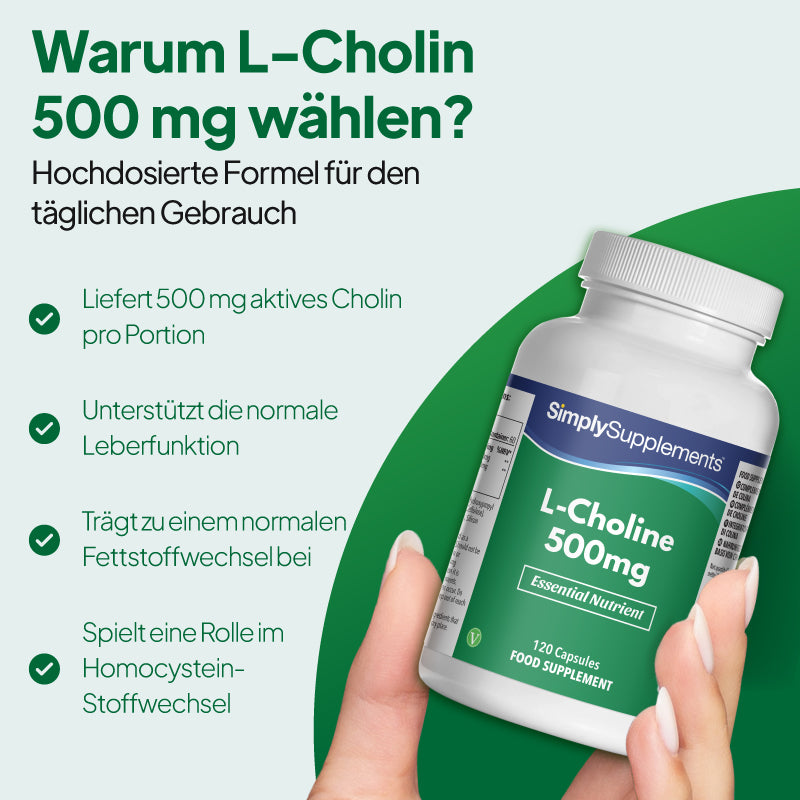
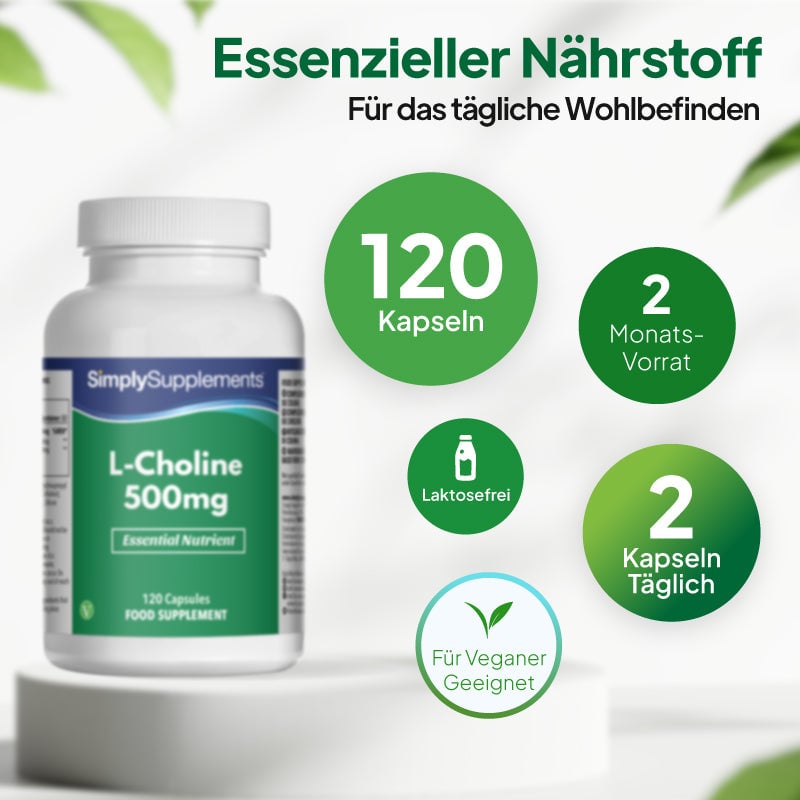
People also assume plant-based or natural ingredients cannot interact with anything else being taken. The L-Cholin 500mg product notes that the body produces some choline on its own, yet dietary intake is still considered useful to meet overall needs. Recognising that even a single-nutrient formula sits within a wider dietary context is part of moving past common supplement misconceptions about how these products are actually built.
- Some people believe a supplement works immediately, when most nutrients act gradually and cumulatively rather than instantly.
- Many assume natural ingredients cannot cause interactions, overlooking that plant extracts still contain active compounds.
- A frequent myth is that higher doses always mean faster or stronger results rather than simply more of the same nutrient.
- Some shoppers think all products within one ingredient category, such as ginseng or fish oil, are formulated identically.
- Others assume a supplement label alone proves clinical effectiveness, rather than describing ingredient content and intended use.
Clearing up common supplement misconceptions does not require rejecting supplements altogether. It simply means reading ingredient lists and formulations with a more careful eye than most marketing encourages.