





Cold draughts and rattling window frames often push homeowners toward expensive glazing upgrades before cheaper options get a fair look. Secondary glazing sheets offer a practical middle ground, sitting inside existing frames to cut heat loss without touching the original window. This article looks at how clear acrylic and polycarbonate panels are measured, cut, fitted, and maintained as a DIY alternative to full window replacement.
Understanding Secondary Glazing and Its Benefits
Secondary glazing means adding an extra pane behind an existing window rather than replacing it. The added layer traps a pocket of air between the original glass and the new panel, which helps reduce heat escaping through the window. It also cuts down draughts that slip through old frames and worn seals.
As weather turns colder, heat loss through windows becomes a bigger concern for homeowners and businesses alike. Cutplasticsheeting notes that preparing a property for winter does not always call for major building work. Fitting secondary glazing sheets is one of the more accessible ways to improve comfort without touching the structure of a window.
Clear Acrylic Sheets for Secondary Glazing Applications

Clear acrylic, also sold as Perspex or Plexiglass, is described as a strong, lightweight, and cost-effective alternative to glass. It is listed as up to 17x stronger than glass with good impact resistance, which makes it a workable option for panels fitted over an existing window. The material is available in a range of thicknesses and supplied cut to size for the project at hand.
Because acrylic is lighter than glass, panels are easier to handle during a DIY fit. That matters when a secondary glazing panel has to be lifted into a frame and secured without extra hands. Clear acrylic sheets rank among the best-selling sheet materials for exactly this kind of window application.
Polycarbonate Sheets: Superior Impact Resistance for Durable Glazing
Polycarbonate stands as the toughest clear sheet material in the range, described as over 200 times stronger than glass. For windows at ground level, in busier households, or in locations where knocks are more likely, that added toughness is a relevant factor when choosing between materials. Both acrylic and polycarbonate remain clear, so neither material noticeably changes the amount of light passing through a window.
Guidance on window-related projects points out that acrylic and polycarbonate sheets extend well beyond signage and displays. Uses range from air conditioner window panels to secondary glazing and protective barriers. That overlap of applications is why the same base materials turn up across several different home improvement jobs.
Measuring and Ordering Cut-to-Size Sheets for Window Installations

Getting a secondary glazing panel to fit well starts with accurate measurement of the window recess or frame. Height, width, and thickness all need checking before an order is placed, since a sheet cut too large or too small will not sit cleanly. Cutplasticsheeting cuts clear acrylic and polycarbonate to size, so dimensions can be specified rather than trimmed down after delivery.
Express delivery is available on clear sheet materials, with despatch quoted at 2 to 3 working days. That turnaround matters for anyone timing a glazing project around colder weather. Specifying exact dimensions at the point of order keeps the process straightforward for a range of window shapes and sizes.
Installation Techniques for Secondary Glazing Panels
Once panels arrive cut to size, fitting them typically involves securing the sheet into or over the existing window frame using a track, clip, or magnetic strip system suited to the chosen method. The aim is a snug fit that minimises gaps where air could still pass through. A well-sealed edge supports the draught-reducing purpose of the extra pane.
Glazing bars are one accessory relevant to related plastic sheet installations, such as joining multiwall polycarbonate roofing sheets. The snap-down glazing bar from Cutplasticsheeting, for example, is listed at 3000mm long and suited to sheets between 10mm and 25mm thick, available in white or brown finishes. While that particular bar is built for roofing rather than vertical window panels, it illustrates the kind of jointing hardware offered alongside the sheet materials.
- Clear cast acrylic generally offers strong optical clarity and is commonly used where a premium finish is wanted for a visible window panel.
- Extruded acrylic is another form of acrylic sheet and is typically chosen for its consistent sheet quality in cut-to-size applications.
- Polycarbonate is rated as over 200 times stronger than glass, making it a consideration where impact resistance matters most.
- Clear acrylic sheets are rated up to 17x stronger than glass, which is relevant when weighing strength against weight.
- Thickness options vary across the acrylic and polycarbonate ranges, so the specific sheet thickness needs matching to the size and use of the window opening.
Maintenance and Long-Term Performance of Acrylic and Polycarbonate Glazing
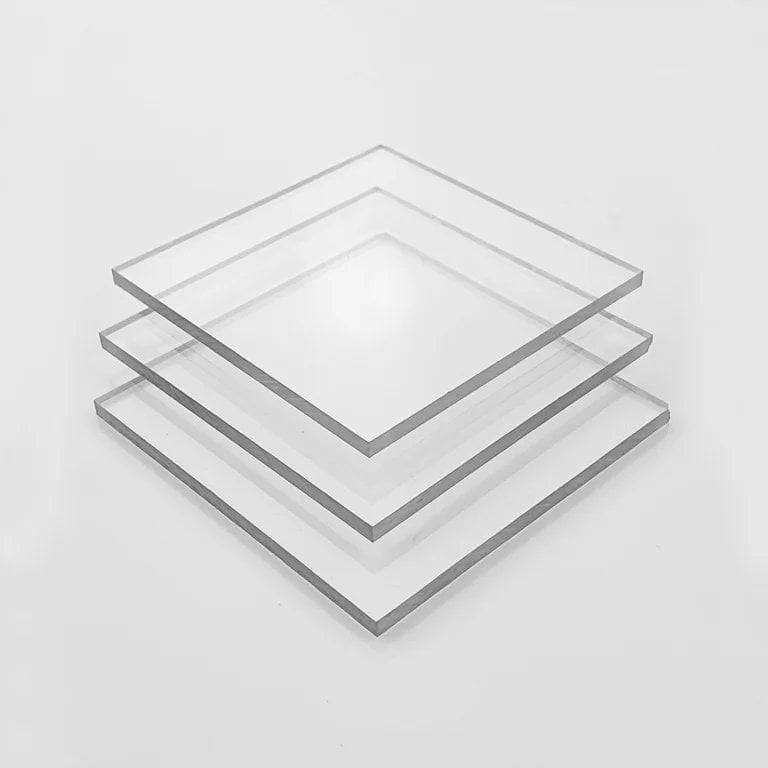
Both acrylic and polycarbonate are generally cleaned with a soft cloth and a non-abrasive cleaner to avoid scratching the clear surface. Because these materials are plastic rather than glass, harsh solvents are typically avoided to prevent clouding. Routine wiping keeps a secondary glazing panel looking clear and functional over time.
Beyond cleaning, there is little ongoing maintenance required once a panel is correctly fitted. The insulating air gap behind a secondary glazing sheet continues to do its job as long as the seal around the panel stays intact. Checking that seal occasionally helps keep draughts from creeping back in.
Cutplasticsheeting supplies sheet materials in various thicknesses and finishes suited to different window sizes and conditions. The wider range reflects a supplier built around cut-to-size sheet materials generally, not solely around glazing. Comparing acrylic against polycarbonate options on a single range can simplify the ordering process for a specific window.
Fitted carefully, a cut-to-size panel can quietly serve its purpose season after season, becoming a lasting part of a window’s routine upkeep.