




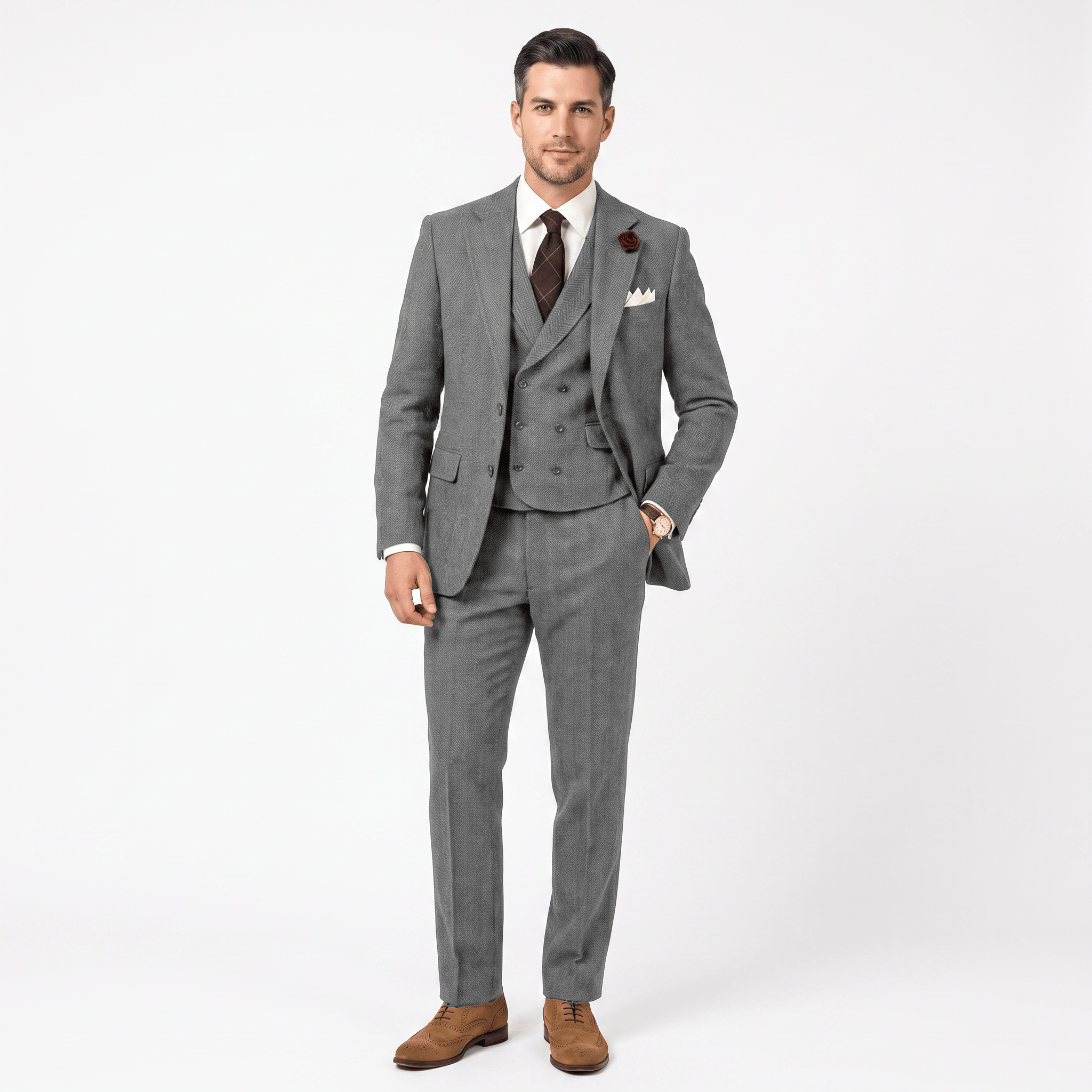
Understanding dress codes simplifies the stress of event preparation. Whether attending a gala, business dinner, wedding or cocktail party, knowing what to wear demonstrates respect for both the occasion and hosts. Mens Event Wear Mens formal wear encompasses specific traditions and expectations that, once understood, eliminate guesswork and allow confident preparation. Quality Mens Event Wear mens formal wear pieces form the foundation of any professional wardrobe, transforming how a man presents himself across contexts from boardroom to ballroom.
White Tie and Black Tie Events
White tie represents the most formal dress code and appears on invitations to state dinners, galas and prestigious charity events. The standard includes a black tailcoat with silk lapels, white waistcoat, white shirt with winged collar and black bow tie. Patent leather shoes and cufflinks complete the ensemble. Black tie, the slightly less formal standard, calls for a black tuxedo jacket with satin lapels, black trousers with satin stripe, white dress shirt and black bow tie. Mens Event Wear Mens formal wear at this level typically requires tailored fits personalized to individual measurements. Off-the-rack pieces may work in emergency situations, but the investment in properly tailored formal wear pays dividends across a lifetime of events. Details matter significantly shirt studs should coordinate with cufflinks, bow ties must be silk rather than clip-on styles and shoes should gleam with professional polish. Many men discover that formal occasions become enjoyable rather than stressful once they own properly fitted pieces they trust.
Business Formal and Semi-Formal Standards
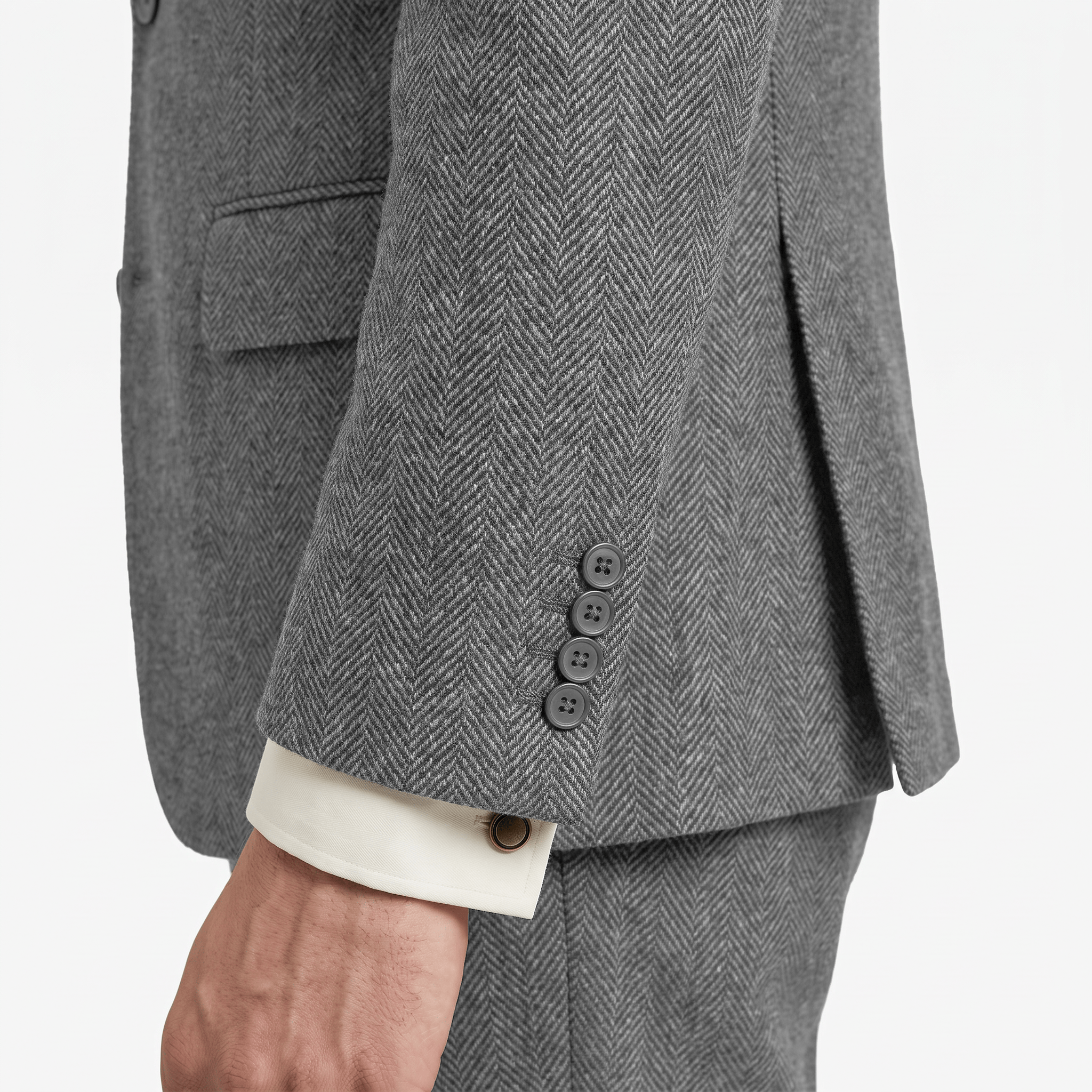
Professional environments and cocktail events operate under different standards. Business formal requires a dark suit in navy, charcoal or black, paired with a white or light blue dress shirt and silk tie. The suit should be well-fitted, with jacket length covering the back of the hand and sleeves revealing approximately half an inch of shirt cuff. Semi-formal invitations call for slightly more relaxation, allowing lighter suit colors, patterned ties and pocket squares. Mens Event Wear Mens formal wear in these contexts emphasizes tailored fit and quality fabrics over the extreme formality of white tie. A well-chosen suit in quality fabric costs more initially than budget alternatives but maintains its appearance through years of wear, becoming a reliable foundation for building professional and social presence. Investment pieces include charcoal or navy suits that pair with numerous shirts and tie combinations, creating flexibility within formal parameters.
Fabrics, Fit and Finishing Details
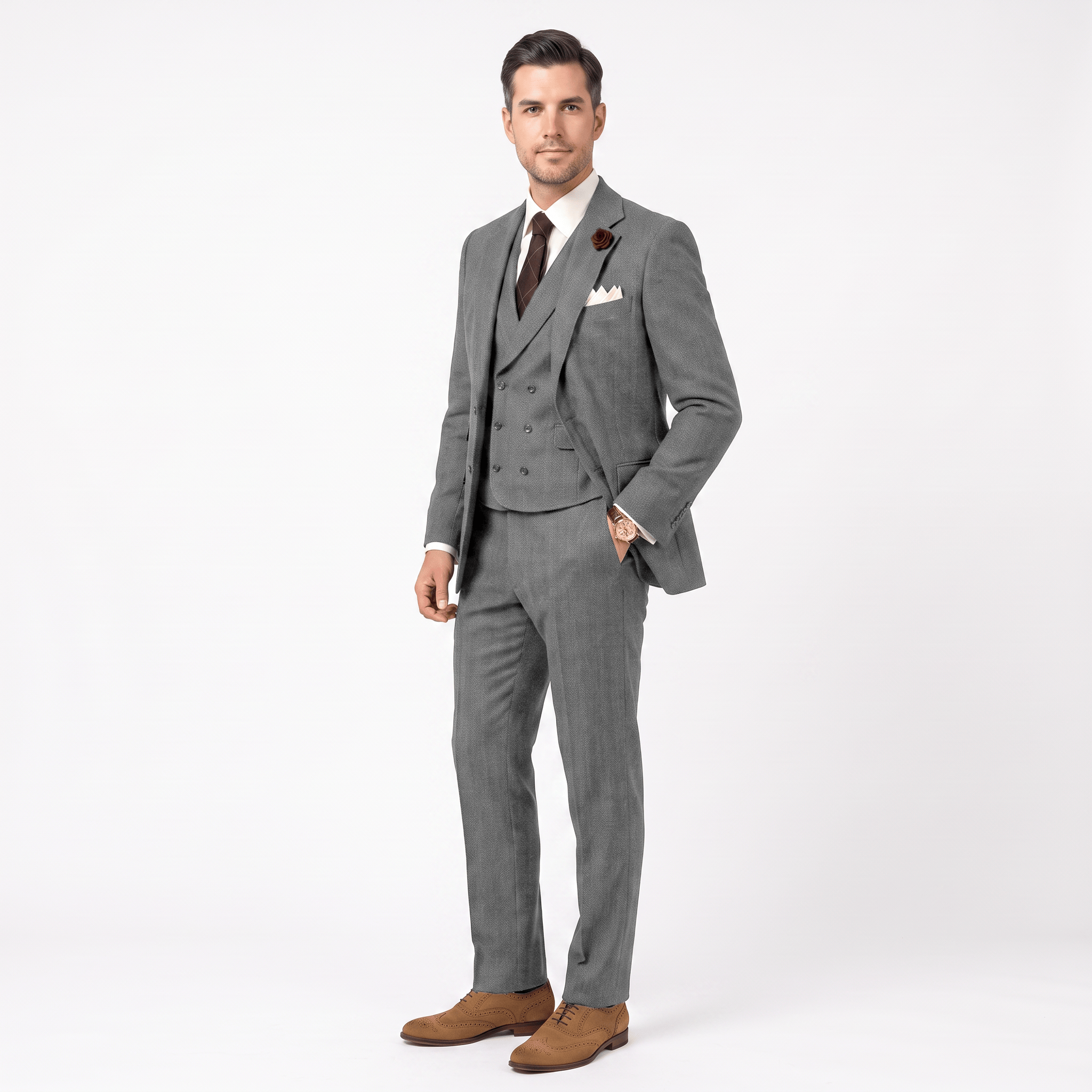
Quality separates premium formal wear from standard pieces. Fabric weight matters significantly, with proper tuxedo fabrics weighing substantially more than lightweight suits. The hand of the fabric, its drape and how it responds to tailoring determine whether a jacket appears expensive or budget-conscious. Superior tailoring includes detailed work on lapels, proper canvas interfacing in the chest and hand-stitching where it affects the silhouette. Mens Event Wear Mens formal wear includes finishing details like properly mounted buttons, hand-finished hems and internal pockets constructed to remain flat and functional. Cufflinks, studs and accessories add personality while maintaining formality. A quality white dress shirt with mother-of-pearl buttons and double cuffs becomes a tool for projecting competence and confidence. Shoes deserve serious consideration, as worn-out footwear undermines even the finest suit. Proper polishing technique, quality leather and expert construction ensure shoes enhance rather than detract from overall appearance.
Building a Formal Wardrobe Systematically
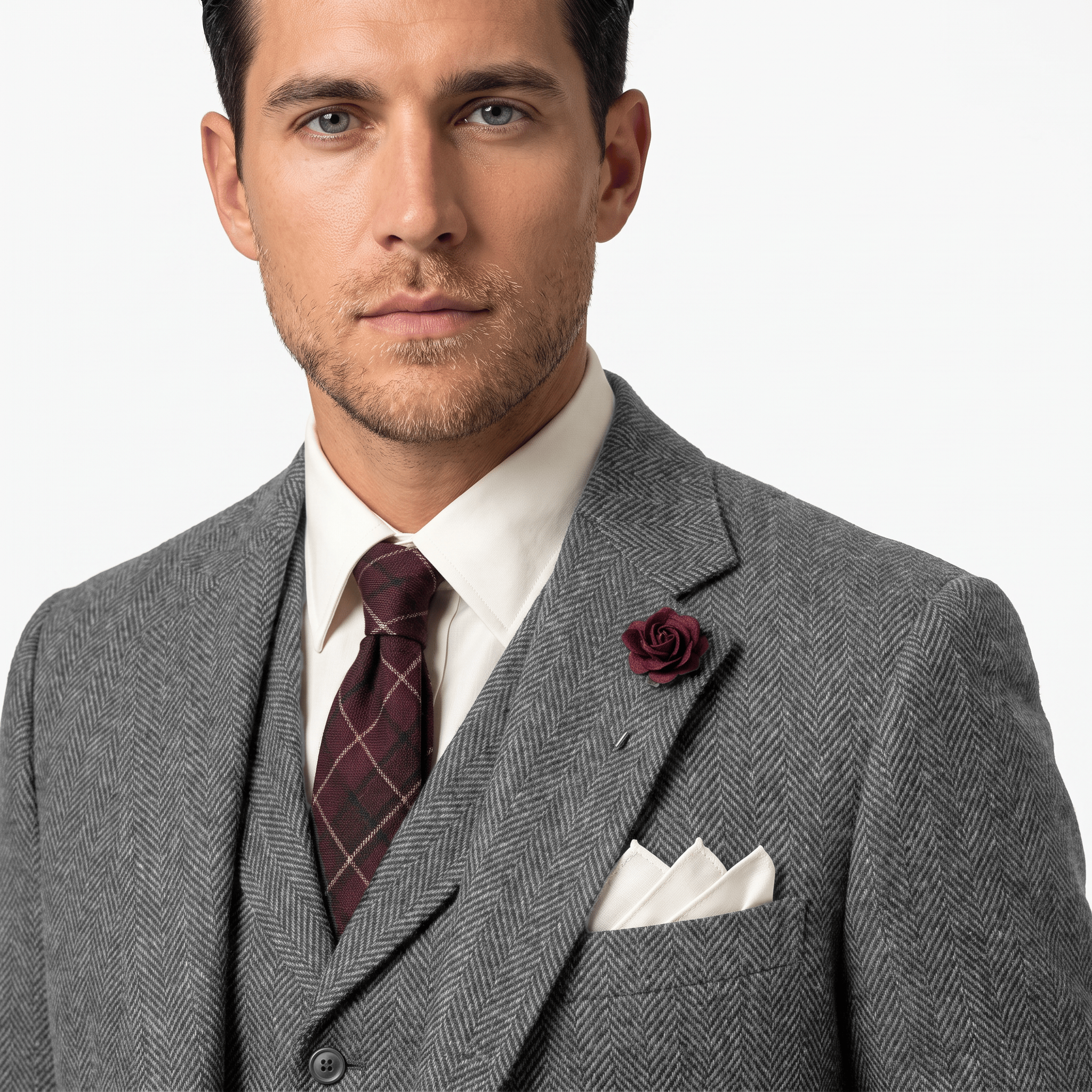
Most men need not purchase complete formal ensembles immediately. Beginning with one well-tailored navy suit creates the foundation for dozens of occasions. Adding a quality white dress shirt and simple silk tie creates combinations suitable for most business and semi-formal events. A second suit in charcoal adds variety without requiring duplicate shirts or ties. When formal events become regular occurrences, investing in a proper tuxedo or dinner jacket provides pieces specifically designed for the highest-level occasions. Each addition should work with existing pieces, multiplying outfit combinations and maximizing investment. This systematic approach avoids closets full of redundant pieces while ensuring sufficient options for varied occasions.
Grooming and Presentation Completion
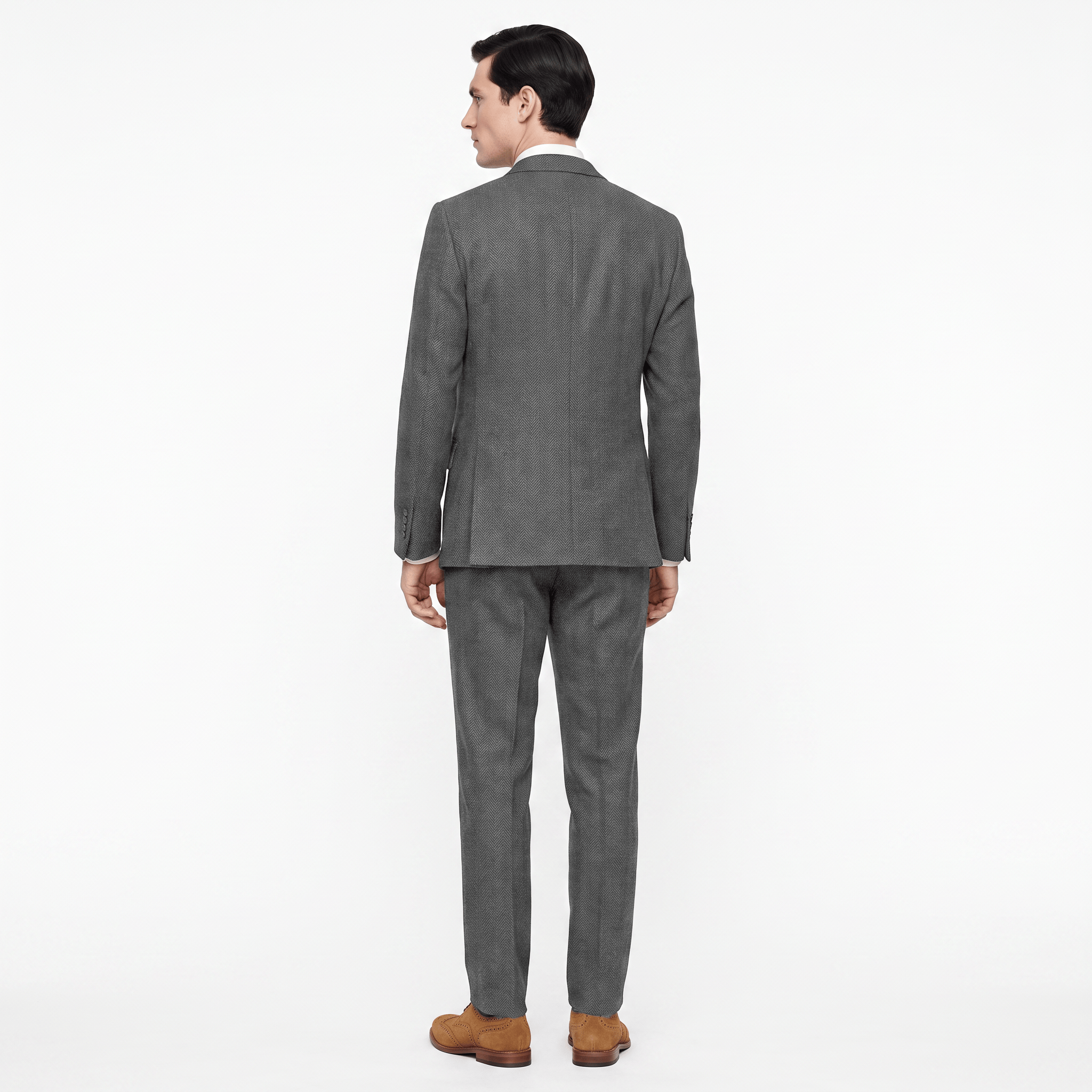
Formal wear effectiveness depends on complete presentation. Hair should be neatly styled, beard or facial hair trimmed with precision and nails clean and well-maintained. Accessories like watches should complement rather than compete with the formal ensemble, with minimal jewelry except for cufflinks and studs. Posture and confidence matter more than any single piece of clothing, as a man wearing perfectly fitted formal wear but carrying himself uncertainly appears less polished than one wearing slightly ordinary clothes with presence and bearing. The purpose of formal dressing is to demonstrate respect for occasion and guests, allowing the wearer to focus on interaction rather than worrying about appearance.
- Invest in one quality suit in navy or charcoal that tailors to your measurements perfectly.
- Pair your suit with white dress shirts in 100 percent cotton with mother-of-pearl buttons.
- Choose silk ties and accessories that create visual interest without overwhelming the formal palette.
- Ensure shoes receive proper care, maintaining polish and repair services to extend their lifespan.
- View formal wear as professional infrastructure supporting confidence across varied social and business contexts.
Mastering formal dress codes transforms events from anxiety-inducing occasions into opportunities to present yourself with assurance and respect.