




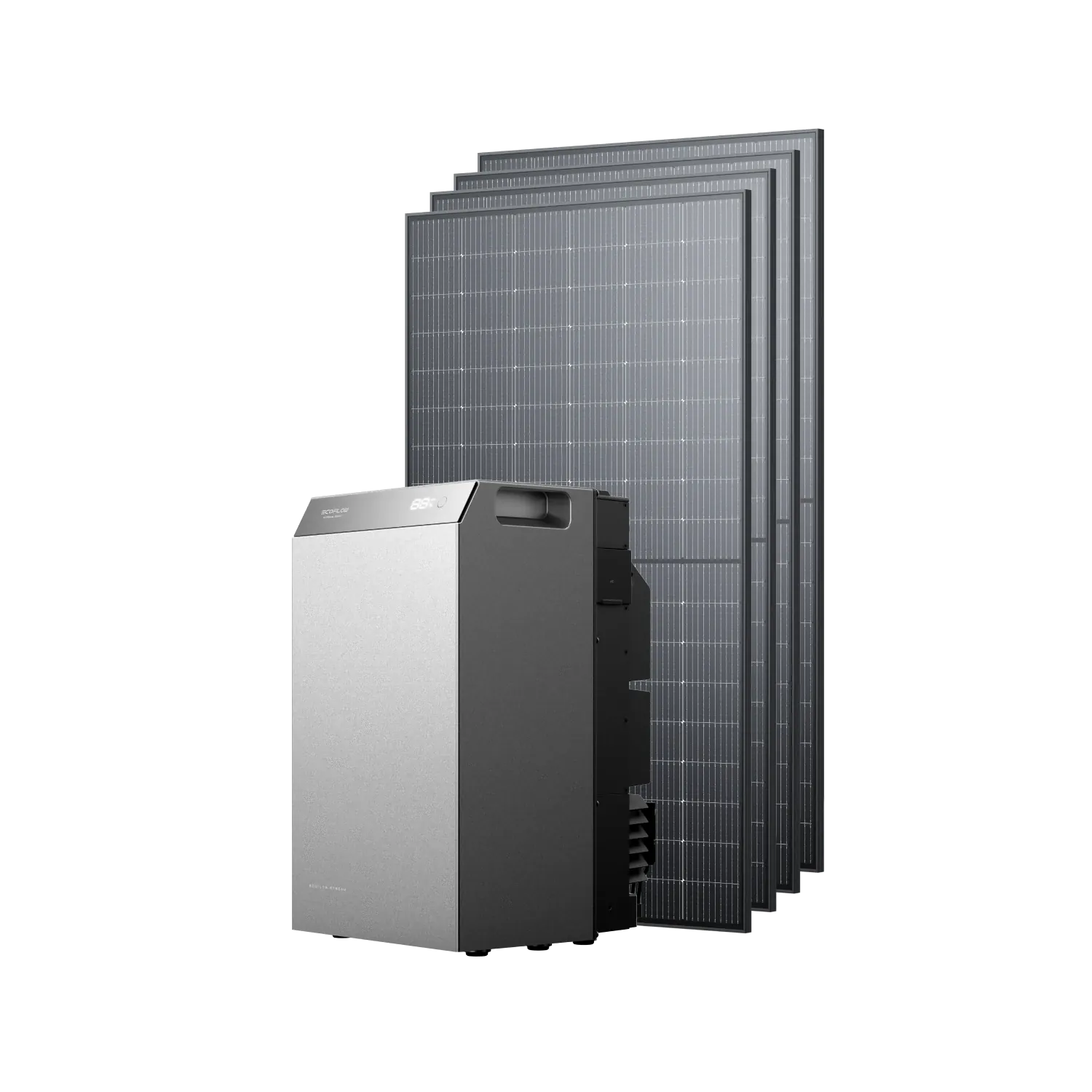
Choosing between a fixed hybrid solar system and a portable backup unit depends on how power gets used around a home. This home power station comparison examines how Uk.ecoflow divides its STREAM and DELTA lines between fixed solar storage and mobile backup, and charging method turns out to be one of the sharpest divides between the two families. Capacity, output, and build quality separate them further once the details are laid side by side.
STREAM Series: All-in-One Hybrid Systems with Built-in Inverters
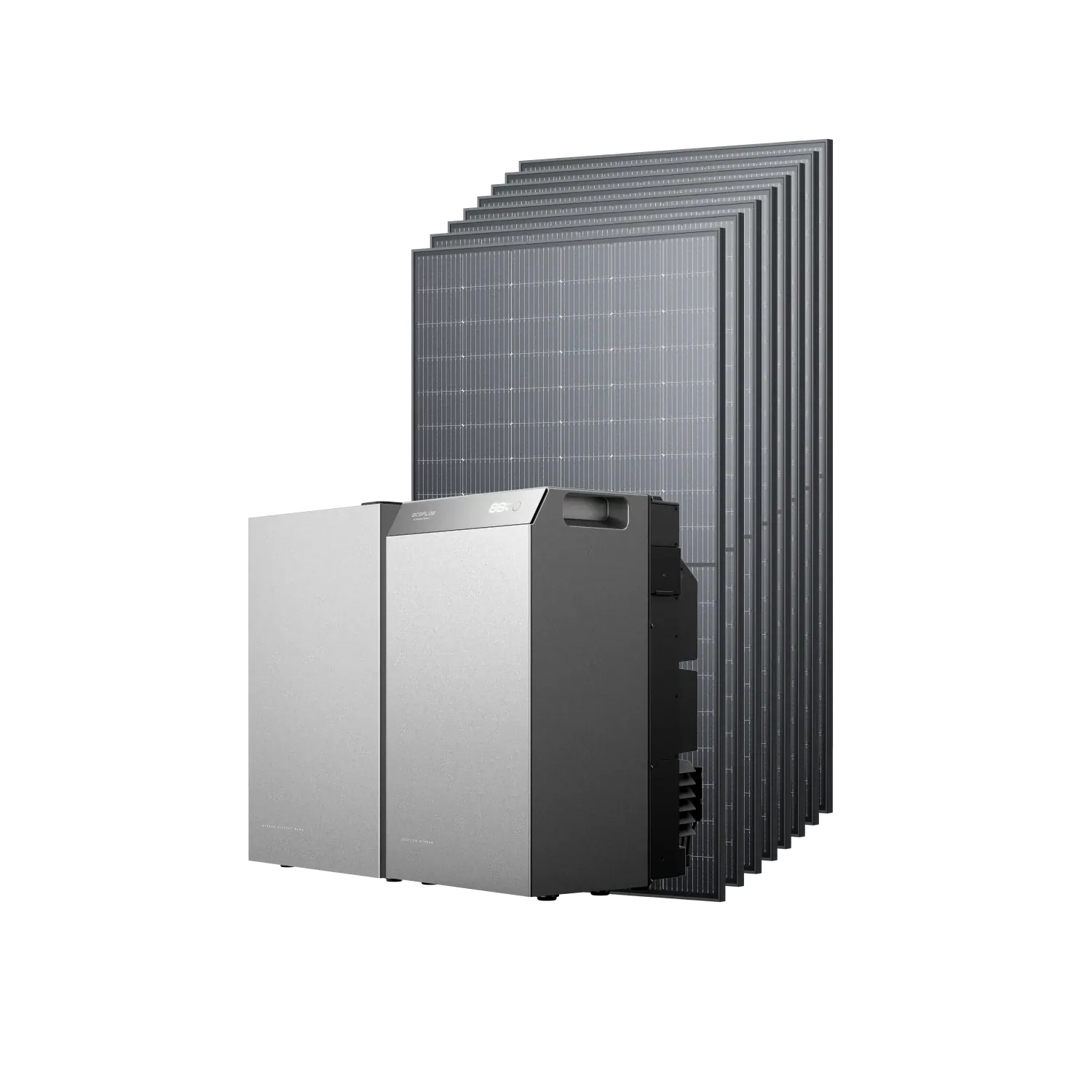
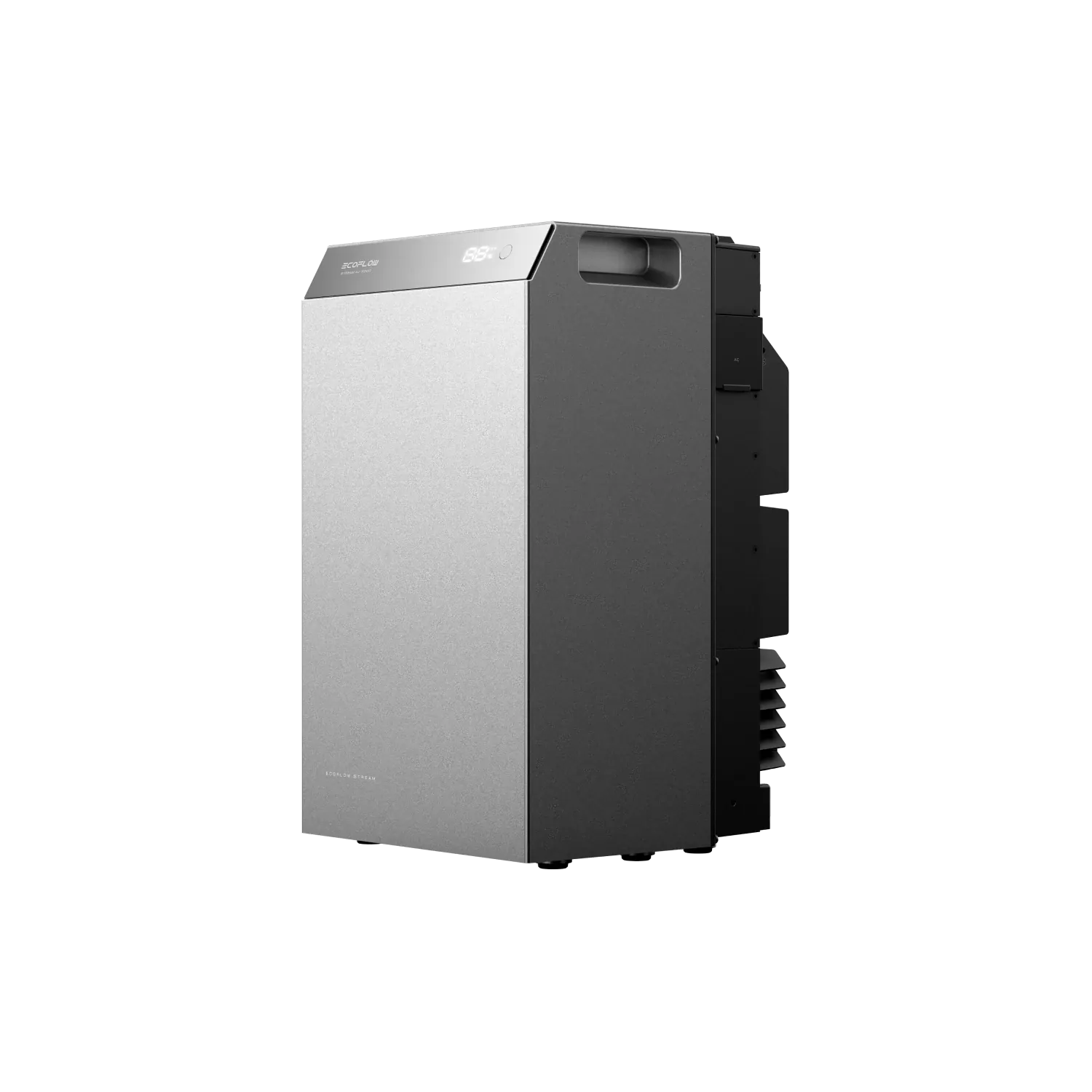
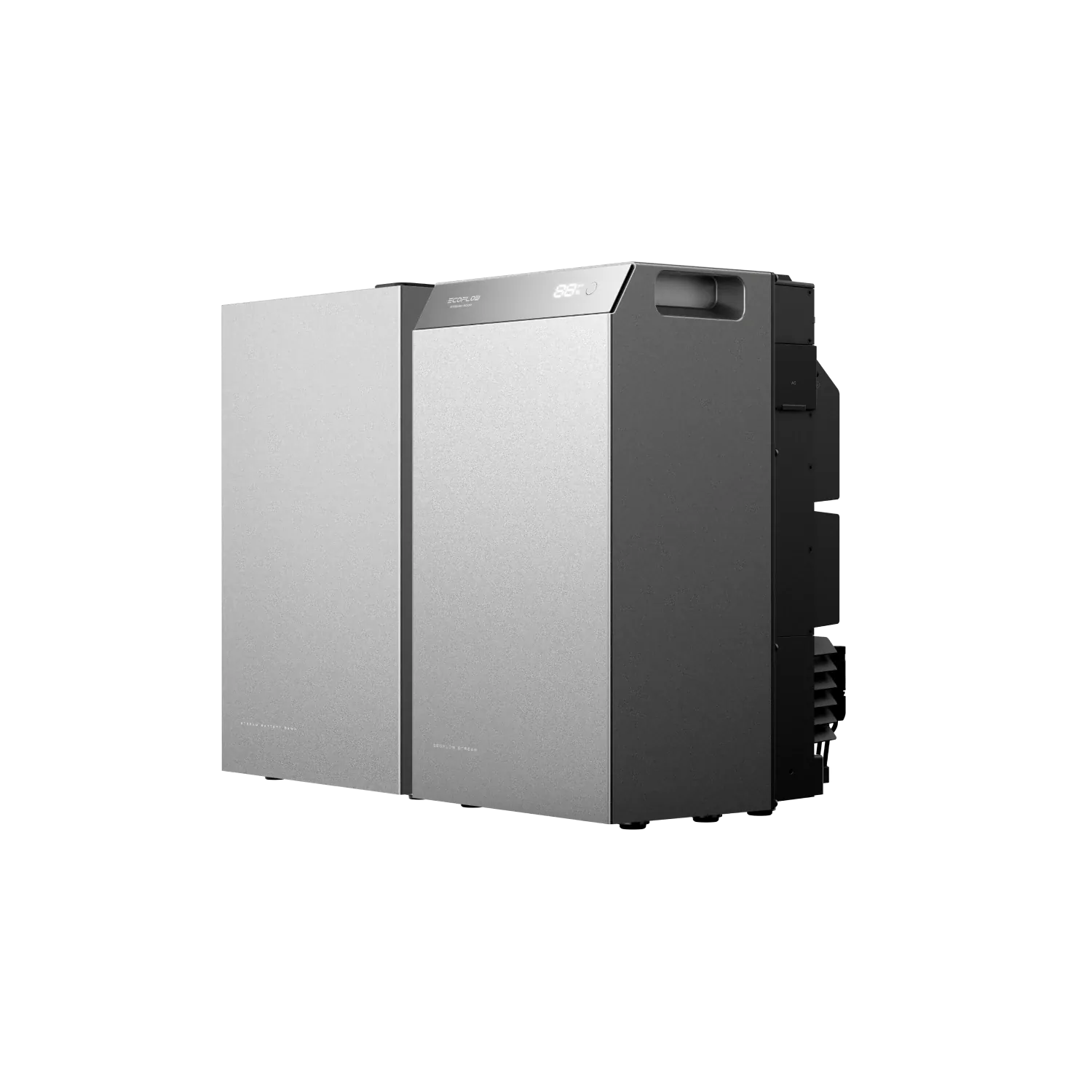
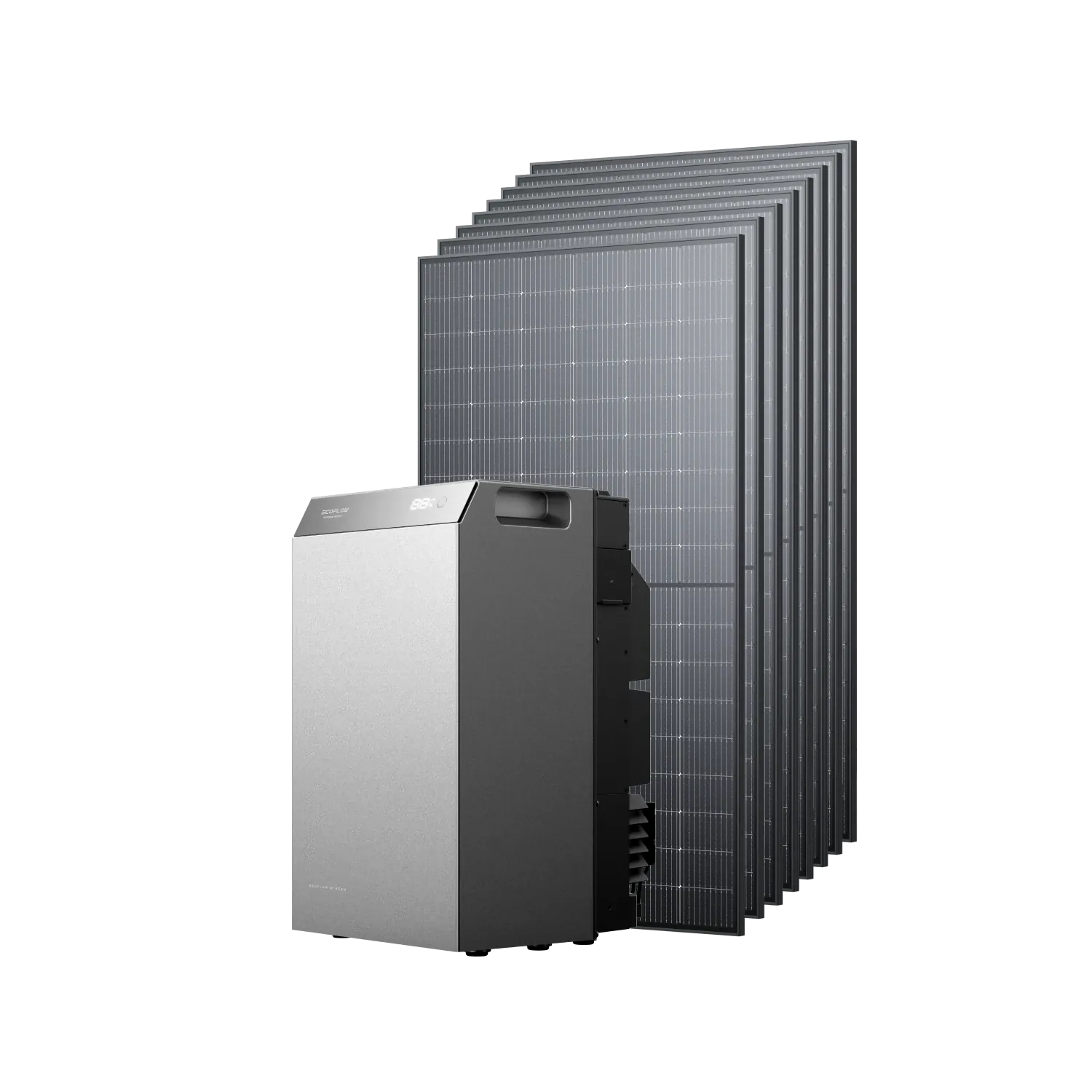
The STREAM Series combines energy storage and a built-in microinverter in a single housing, and Uk.ecoflow positions it as a home solar battery platform rather than a travel unit. The STREAM 5000 is rated for up to 3000W AC output and accepts up to 5000W of solar input, with the ability to connect as many as 12 solar panels. That configuration is said to generate around 5,600kWh annually, enough to cover the electricity use of a typical family of four.
Within the same family, the STREAM Ultra uses a 4-MPPT design supporting up to 2,000W of solar input, and it can work alongside third-party microinverters to add a further 800W. Dual AC outlets on the Ultra are each rated at 1,200W, with an auto-boost feature reaching 2,300W output on-grid when paired with another STREAM Ultra or STREAM AC Pro unit. The STREAM AC Pro, meanwhile, is built around AC-coupling technology, letting it connect directly to wall sockets or integrate with microinverters already installed in a home.
DELTA 3 Classic: Portable Power for Outdoor and Emergency Use
The DELTA 3 Classic sits at a different point in the range, built as a 1024Wh portable power station rather than a fixed hybrid system. It delivers 1800W of steady output with 3600W surge power, and its X-Boost mode extends compatibility to devices up to 2400W. The unit also switches to battery power in 10 milliseconds when grid power drops, keeping devices such as small servers or NAS systems running without interruption.
Build quality follows a similar outdoor-first logic, with automotive-grade full-tab LFP cells rated for a 10-year lifespan paired with a rugged exterior and an intelligent battery management system for added environmental resilience. That combination of fast switching and durable construction points it toward camping, fishing, or short-term emergency use rather than permanent household installation.
DELTA Max: Expandable Capacity for Growing Home Backup Needs
The DELTA Max occupies a middle ground between portable convenience and whole-home backup ambitions. A single unit carries a 2016Wh lithium-ion capacity, and Uk.ecoflow states it can be expanded up to 6kWh, letting a household scale storage as needs grow. It supports dual charging methods and is described as capable of powering home devices during outages.
This expandability sets the DELTA Max apart from the fixed-capacity DELTA 3 Classic, even though both fall under the same portable power station category. A broader home power station comparison between the two DELTA models should note that the Max trades some of the Classic’s rapid-charging figures for scalable capacity instead. That distinction becomes relevant when a household expects its backup needs to change over time.
Solar Input and Charging Flexibility Across the Range
The DELTA 3 Classic charges from 0 to 80% in 45 minutes via AC, reaches full charge in 2.5 hours with 500W solar input, and can hit 80% in 1.8 hours using a 500W alternator charger, giving it three distinct charging routes built for mobile use. That range of options is what makes the unit practical away from a fixed outlet.
The STREAM Series, by comparison, is designed primarily around fixed home solar installation rather than mobile charging methods. Uk.ecoflow wires STREAM units into rooftop or ground-mounted arrays, while DELTA units accept whatever source is available, a wall socket, sunlight, or a vehicle alternator. That reflects the different purposes each line serves, with STREAM aimed at integrated home solar storage and DELTA aimed at flexible, on-the-move charging.
AC Output Performance and Appliance Compatibility
Output capacity decides how many appliances a system runs at once, and the gap between an 1800W steady rating and a 3000W rating illustrates that clearly in this home power station comparison. A household running a stove, dryer, or kettle alongside other loads needs headroom closer to the STREAM 5000’s ceiling than to a portable unit’s lower one. The DELTA 3 Classic covers lighter, shorter-duration draw with its 1800W steady output and 3600W surge ceiling, which suits camping gear, power tools, or a single large appliance rather than a full house running simultaneously.
The DELTA Max sits between those two points. It focuses on expandable capacity rather than peak wattage, so households expecting a temporary outage with modest appliance needs can rely on it without planning for continuous high-wattage demand. That distinction, steady household draw against occasional portable use, is often the deciding factor between a STREAM installation and a DELTA unit.
- STREAM systems use a built-in microinverter and are designed for fixed home solar integration rather than portability.
- DELTA 3 Classic runs on automotive-grade full-tab LFP battery cells with a stated 10-year lifespan.
- DELTA Max uses lithium-ion cells and offers expandable capacity up to 6kWh for growing backup needs.
- STREAM 5000 output reaches up to 3000W AC, well above the DELTA 3 Classic’s 1800W steady rating.
- DELTA models are intended for outdoor, travel, and emergency use, while STREAM targets continuous home energy storage.
Durability, Warranty and Long-Term Energy Independence
Build quality claims differ by product line as well. Uk.ecoflow lists a 5-year warranty on the DELTA 3 Classic, alongside a 30-day price guarantee and lifetime support referenced on its product pages.
For the STREAM Series, durability claims centre more on footprint and energy density than on warranty length specifically, with the STREAM 5000 described as having a 40% smaller footprint and the highest energy density among comparable solutions. The brand leans on compact, high-density hybrid design for STREAM, while DELTA leans on rugged cell chemistry built for repeated outdoor use. Both approaches aim at the same end goal, keeping a household powered when grid electricity becomes unreliable.
Closing Thought
A household planning fixed solar storage fits the STREAM Series, while one needing mobile or emergency backup fits the DELTA line instead.