





Choosing between two rebounders from the same brand sounds like a minor decision, but for anyone already committed to bounce-based fitness, the details matter. The Elite vs Studio Rebounder question comes up often among people who already know what a mini trampoline workout feels like and want to understand the mechanical and build differences before buying again. Both models come from Boogiebounce, and both fold for storage, but the way they bounce and the parts they include are not identical.
Springs vs. Bungees: The Core Bounce Mechanism Difference
The most fundamental difference in the Elite vs Studio Rebounder comparison sits underneath the mat. The Studio Rebounder uses 32 high quality springs, which the brand describes as virtually silent and designed to give a firm, responsive bounce. The Elite Rebounder instead uses 32 durable silent bungees with removable clips, a system Boogiebounce says has been tested and perfected over time.
Springs and bungees behave differently underfoot, which is why this distinction sits at the centre of any Elite vs Studio Rebounder discussion. Bungees are generally associated with a softer rebound feel in the broader rebounding category, while coiled springs tend to deliver a firmer, more immediate response. Neither mechanism is described as better, only as different in construction and feel.
Elite Rebounder Frame Design and Aesthetic Specifications
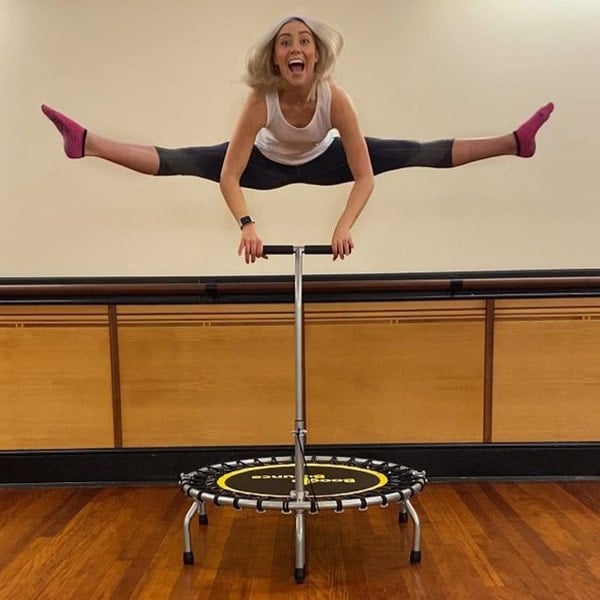
The Elite Rebounder is framed as the top-of-the-range option in the lineup. It pairs the bungee bounce mechanism with a double folding frame and a T-bar handle, and the whole unit weighs in at just 9.5 kgs. That weight figure matters for anyone who needs to move the trampoline between rooms or pack it away after a session.
The folding mechanism is described as unique to the Elite, built so one person can fold and pack it away in just a couple of minutes. Like the Studio, it carries a weight limit of 127kg / 20st, so the structural capacity is matched across both models even though the bounce mechanism differs.
Studio Rebounder: Robust Design and Functional Build
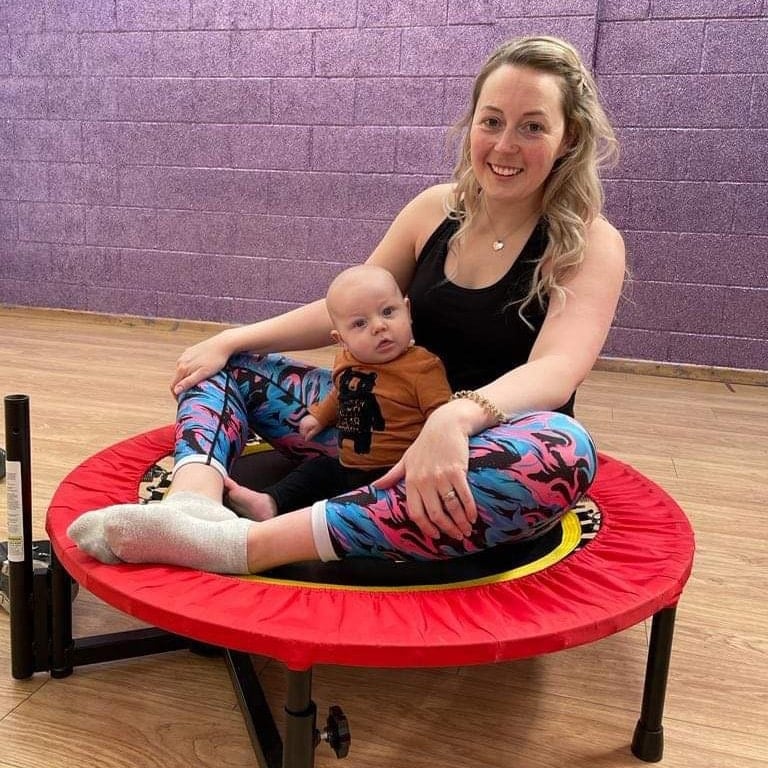
The Studio Rebounder is the base model in the range, designed in-house to be robust and reliable, with a square profile frame and straight legs that mark a distinct structural choice from the Elite’s frame. That square profile is a detail the brand’s own FAQ page calls out specifically when comparing the two frames side by side.
At 9.2 kgs, the Studio is marginally lighter than the Elite, though both are built to fold for storage. The Studio borrows the folding mechanism first developed for the Elite, so the folding experience is described as just as easy between the two.
Silent Bounce Technology and Durability Considerations

Noise reduction is a theme running through both product descriptions. Boogiebounce describes the Studio’s spring design as extra quiet, and separately calls the Elite’s bungee system silent bungees. In other words, both models are built around a low-noise bounce, just through different mechanical routes.
Spare parts also factor into how each model is maintained over time. Boogiebounce sells replacement components specific to each rebounder, including triangle clips for the Elite and a small leg part listed specifically for the Studio. That separation of spare parts reflects how distinct the two frames and mechanisms actually are, even though they look similar at a glance.
Accessory Bundles and What Comes With Each Model
Both bundles from Boogiebounce include more than the trampoline itself. Gripper socks, workout links, a storage bag for the bounce mechanism, a selection of spare parts, and a one month free trial of the Boogie Bounce App are included with each purchase, though the exact quantities differ by model.
- The Elite Rebounder bundle includes 3 pairs of Boogie Bounce Gripper Socks, while the Studio Rebounder bundle includes 2 pairs.
- The Elite uses a Bungee Cover Storage Bag, whereas the Studio uses a Spring Cover Storage Bag matched to its different bounce mechanism.
- Both bundles include a Double Folding Mini Trampoline paired with a T-Bar Handle as standard.
- Both bundles carry the same 127kg / 20st weight limit despite their different frame designs.
- A separate carry bag accessory is sold for both the Elite and the Studio, with the correct size selected according to which rebounder is owned.
- Replacement parts, such as the Elite’s triangle clips and the Studio’s small leg, are sold individually for each specific model.
Delivery terms are consistent across both bundles. Free delivery applies on UK mainland orders for either model, along with a 14 day no questions asked returns policy, subject to wider returns terms.
Choosing Between Elite and Studio Rebounder Models
Weighing the Elite vs Studio Rebounder decision really means weighing a bounce mechanism preference alongside a frame design preference. The Elite brings a bungee-based bounce, a lighter overall weight, and a folding mechanism described as its own design innovation. The Studio brings a spring-based bounce and a square profile frame, built as a robust and functional base model for anyone focused on cardio and strength training at home.
Because the app trial, workout links, spare parts selection, and delivery terms are shared across both bundles, the practical difference in an Elite vs Studio Rebounder choice comes down to frame construction, bounce mechanism, and the small variations in included accessories. Reviewing the bundle listing alongside the FAQ page gives a clear side-by-side account of what separates the two models.
Both rebounders remain part of the same folding, low-impact, cardio and strength training range. The real distinction lies in mechanism and frame, not in the broader fitness purpose each one serves.