





Flight disruption rarely follows a single script. A delayed departure, a cancelled route, a missed connection, or a sudden rebooking each trigger different rules under passenger rights law. Flightright organises flight compensation claims around these four situations and applies the same three-step structure to each one, from the initial eligibility check through to the final payout, once the correct category has been identified.
Understanding Flightright’s Four Core Claim Types
Flightright separates air travel disruptions into four categories: flight delays, flight cancellations, missed connecting flights, and flight rebooking. Each category carries its own eligibility conditions under UK261 and the EU passenger rights regulation. That distinction matters because the circumstances behind a disruption determine whether compensation, a refund, or both apply. Flightright’s free online check allows a passenger to enter flight details and see which category fits before anything is submitted.
The four-way split also reflects how airlines treat these situations differently in practice. A delay caused by congestion is handled differently from a late cancellation, and a missed connection sits apart from a rebooking decision made by the airline itself. Flightright built its claim process to follow these distinctions rather than treating every disruption the same way.

Flight Delay Claims: The 3-Hour Threshold
A flight delay becomes eligible for compensation once the arrival delay reaches three hours or more, under current passenger rights rules, regardless of the original ticket price. This applies provided the flight departed from the EU or landed in the EU with a European airline. It calculates potential compensation based on flight distance and the length of the delay once these conditions are met.
Technical defects are a common cause of these delays, and airlines sometimes argue they count as exceptional circumstances that excuse payment. In most cases, though, a technical fault does not automatically clear the airline of responsibility. Flightright notes that airlines must prove such a defect could not have been prevented, which is a high bar to meet. Collecting evidence, such as written confirmation of the delay, strengthens a claim built on this threshold.
Flight Cancellation and Refund Claims
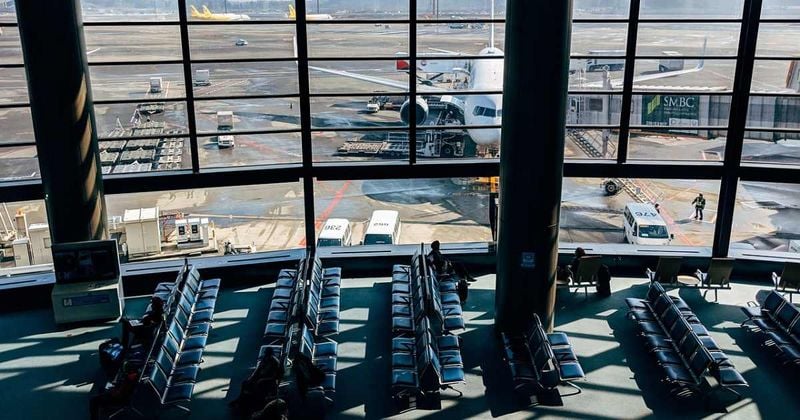
Flight cancellations open a different path. Under the long-standing UK passenger rights framework, a passenger whose flight is cancelled is entitled to either a replacement flight or a full ticket refund, and that refund option stays available even if no compensation threshold is met. Compensation on top of that depends on how much notice the airline gave before cancelling and whether an acceptable alternative was offered.
Short-notice cancellations tend to carry stronger compensation claims than those announced well in advance. Flightright’s cancellation guide outlines several scenarios where a claim may not be possible, including cancellations caused by genuinely exceptional circumstances outside the airline’s control.
Missed Connecting Flights: Eligibility and Compensation
Missed connections introduce an added layer of complexity because two or more flights are involved. A passenger becomes eligible when the missed connection happens through no fault of their own, the final arrival is delayed by three hours or more, and the whole journey was booked as a single reservation. That single-booking requirement is what separates a missed connection claim from two unrelated delay claims filed separately.
Overbooking is one frequent trigger for this category, alongside delays on an earlier connecting leg. When an airline bumps a passenger involuntarily from an overbooked flight, the resulting missed connection can qualify under the same framework. Flightright‘s calculator checks whether the booking structure and delay length meet the conditions before a claim moves forward.
Flight Rebooking Claims and Ticket Refunds
Rebooking is treated as its own category because airlines sometimes shift passengers onto different flights without cancelling the original booking outright. A rebooked flight entitles the passenger to a full ticket refund regardless of timing, while compensation becomes an additional possibility if the rebooking happens at short notice, specifically 14 days or less before the original departure. That extra layer is what distinguishes rebooking from a straightforward cancellation claim.
This timing distinction separates routine schedule adjustments from last-minute disruptions that leave little room to adapt. Such short-notice rebookings are assessed in a way similar to late cancellations when it comes to compensation eligibility.
- Flight delay claims require an arrival delay of three hours or more before compensation applies.
- Flight cancellation claims depend on how much notice the airline provided and whether a replacement flight or refund was offered.
- Missed connection claims require a single booking covering all flight legs and a final delay of three hours or more.
- Flight rebooking claims trigger a ticket refund automatically, while compensation depends on whether the new date falls within 14 days of the original departure.
- Compensation amounts across all four categories vary according to flight distance, which is calculated once eligibility is confirmed.
- Documentation such as written delay confirmations or booking records strengthens each category of flight compensation claims.
How Flightright Processes Each Claim Type

A passenger first checks eligibility through the online tool, which takes a couple of minutes to complete regardless of which of the four flight compensation claims applies. From there, Flightright negotiates directly with the airline on the passenger’s behalf, handling correspondence that many travellers find airlines ignore when sent individually.
Once the airline agrees to pay, the final step is the transfer of funds to the passenger’s account. The service operates on a no-win, no-fee basis, meaning a commission only applies if the claim succeeds. It states it has enforced a substantial amount in compensation for customers so far, covering delays, cancellations, missed connections, and rebooking disputes across its claims history, including flights from several years back.
Across all four claim types, the common requirement is a flight connected to the EU or covered by UK261 rules. That shared foundation means the eligibility check works the same way no matter which disruption a passenger experienced. From there, the specific category determines how the claim is built and what evidence supports it.
Closing Thought

Disruption rarely announces itself clearly at the gate, but the claim category usually becomes obvious once the facts are laid out.