





Flight disruption rarely comes with warning, and passengers often have no idea what they are owed when a plane sits on the tarmac for hours. UK261 regulation sets clear rules for when flight delay compensation applies, yet many travellers never claim what they are entitled to. Flightright specialises in enforcing these claims, handling the back-and-forth with airlines and continuing to pursue carriers that stay silent or push back.
Understanding UK261 Regulation and Passenger Rights
UK261 is the regulation that sets out air passenger rights, building on the earlier EU framework for flight compensation. It applies to flights departing the UK or arriving there on a UK or EU carrier, regardless of how much the ticket cost. Under this regulation, delays, cancellations, and denied boarding can all trigger a right to compensation. Flightright positions itself as one of the leading passenger rights portals operating under this framework, and states it has enforced substantial sums of compensation on behalf of customers.
The regulation exists to hold airlines accountable when disruptions fall within their control. Eligibility depends on distance flown, length of delay, and the cause of the disruption, so an online eligibility check that walks through those factors before a claim is submitted matters more than guessing from memory. Not every delay qualifies, which is exactly why that distinction gets checked first.
Flight Delays: Eligibility and Compensation Amounts

A flight counts as delayed for compensation purposes once it arrives three hours or more behind schedule, and Flightright treats that threshold as the trigger point for a valid claim. The amount owed depends on the distance of the route rather than the price paid for the ticket. This applies whether the flight began in the EU or landed there on a European carrier.
Ticket cost plays no role in the calculation, which means a heavily discounted fare carries the same entitlement as a full-price one. As a result, flight delay compensation is tied purely to how far the aircraft was scheduled to travel and how late it eventually arrived. That distance-and-delay formula stays constant no matter which airline operated the route.
Flight Cancellations and Rebooking Scenarios
Cancellations bring a different set of entitlements. Passengers facing a cancelled flight are entitled to either a replacement flight or a ticket refund, and they may also be able to claim compensation depending on when they were notified. A cancellation announced at short notice is treated differently from one disclosed well in advance.
Rebooking adds another layer. If a flight is rebooked, a full ticket refund can be claimed. Where the rebooking happens at short notice, meaning fourteen days or less before departure, compensation may also apply on top of the refund. This cancellation guidance helps passengers work out which path fits their situation.
Missed Connecting Flights and Entitlements
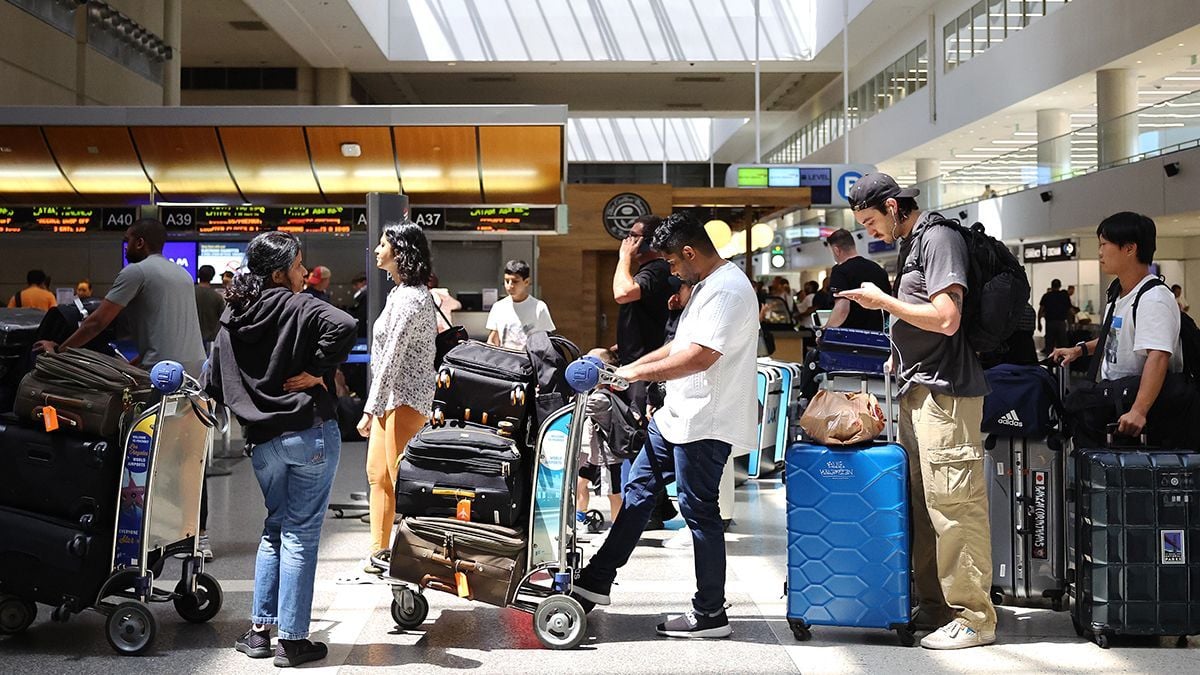
Connecting flights introduce their own complications. A passenger who misses a connection through no fault of their own, and who then arrives at the final destination three hours or more late, is entitled to compensation under UK261. This holds true even when the missed connection stems from a delay on an earlier leg rather than the connecting flight itself. Flightright treats these cases under the same framework as standalone delays.
A single booking covering all flight segments is typically required for this entitlement to apply, and the compensation owed still scales with distance and delay length rather than a flat figure. Overbooking, cancellation, and delay can each be the root cause of a missed connection, and each still falls under the same compensation framework. That consistency is part of why missed connections are treated the same way as standalone delays once the three-hour threshold is met.
How Flightright Processes a Compensation Claim
Flightright describes a three-step process for pursuing flight delay compensation. The first step involves checking a claim within a couple of minutes by entering flight details online, free of charge. The second step hands the matter over to legal experts, who negotiate directly with the airline on the passenger’s behalf.
The third step is payment. Once the airline agrees to pay, the compensation is transferred directly to the passenger’s account. The service reports a high success rate and operates on a no-financial-risk basis, charging commission only when a claim succeeds, so passengers are not asked to pay anything upfront to pursue a claim.
Many airlines simply do not respond to initial compensation requests, which is where persistent follow-up becomes necessary. This kind of sustained negotiation is often what separates a successful claim from an abandoned one, particularly when a carrier ignores the first or second request entirely.

Claims Going Back Up to 6 Years
One detail that surprises many passengers is the claim window. Flightright supports claims for flights that took place up to six years ago, not just recent disruptions. That means a delay or cancellation from years back could still be worth revisiting if it was never pursued at the time.
This extended window applies across delay, cancellation, and missed connection cases alike. Passengers who assumed an old disruption was no longer actionable may find that is not the case. Checking eligibility costs nothing, since the assessment itself is free regardless of the outcome.
- Flight delays of three hours or more at the final destination can qualify for compensation under UK261.
- Flight cancellations announced at short notice may entitle passengers to compensation, a replacement flight, or a ticket refund.
- Rebooked flights can qualify for a full ticket refund, and short-notice rebooking may add compensation on top.
- Missed connecting flights caused by delay, cancellation, or overbooking can trigger compensation once the final arrival delay reaches three hours.
- Disruptions caused by strikes can also qualify, alongside potential reimbursement for meals, refreshments, and hotel costs.
Flight disruption will likely remain a fact of modern travel, but pursuing flight delay compensation does not have to be navigated alone.