




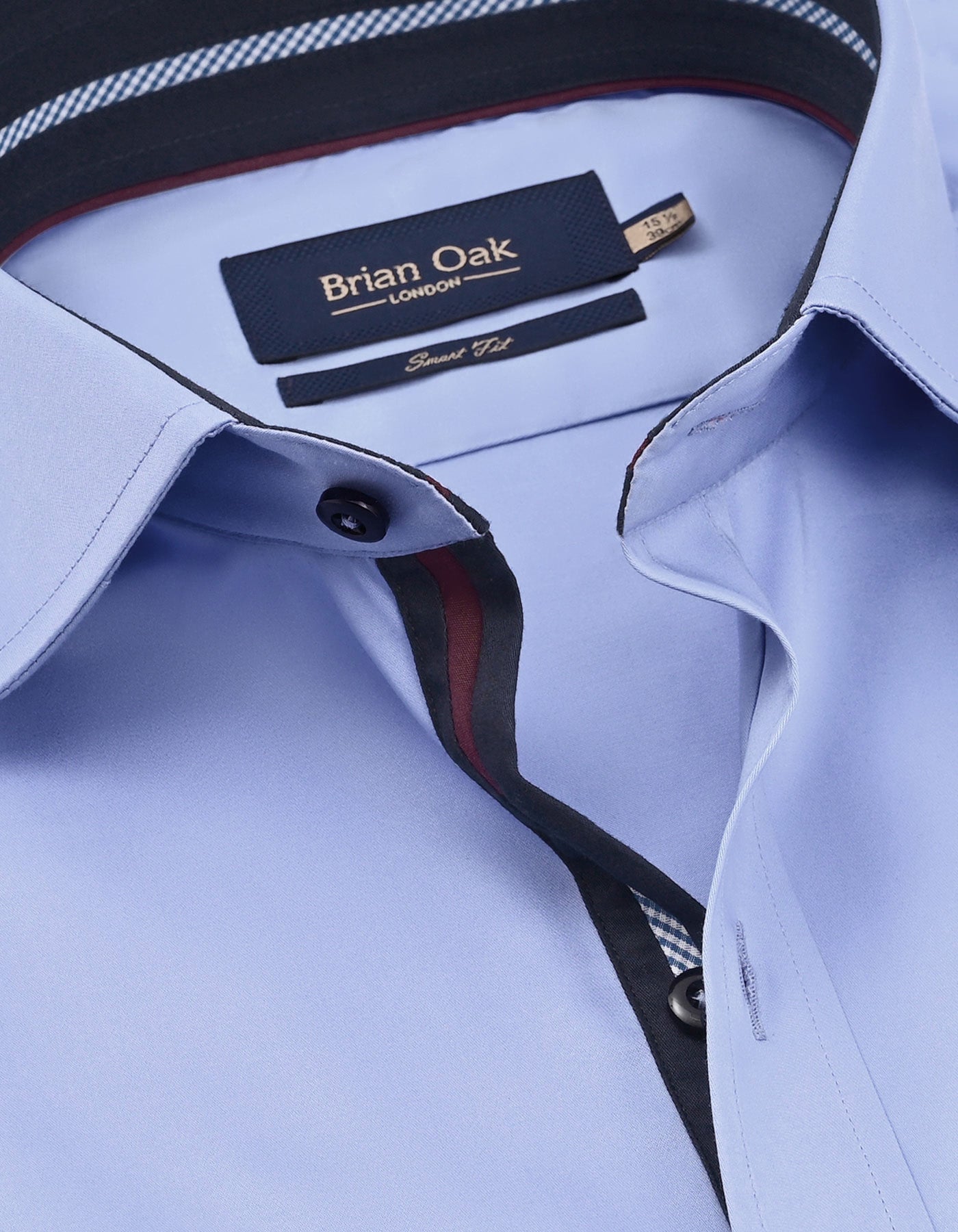
Formal shirt construction sits at the intersection of fabric choice, pattern cutting, and finishing details that shoppers rarely notice until something goes wrong. Understanding how a collar is cut, which weave sits beneath a print, and how a cuff closes can explain why two shirts that look similar wear very differently. This piece looks at the core elements of construction, how cotton twill compares with cotton satin, and where Brianoak‘s tailored smart fit shirts fit into that picture.
What Makes a Formal Shirt: Core Construction Elements
A formal shirt is defined by a handful of structural choices rather than just colour or print. The collar style, the cuff type, the button placket, and the fabric weave all combine to create the finished silhouette. Semi-wide collars, for instance, sit between a classic spread and a narrower point, giving a shirt a more versatile look across business and formal settings.
Cuffs matter just as much. Round single-button cuffs read as understated and traditional, while square three-button cuffs or angled button cuffs add a sharper, more tailored finish. Button plackets, sometimes extended to eight buttons rather than the usual seven, add a touch of formality and a cleaner front line. Each of these choices is part of what shoppers are really evaluating when they compare formal shirt construction across brands.
Cotton Twill vs. Cotton Satin: Fabric Weaves in Formal Shirts
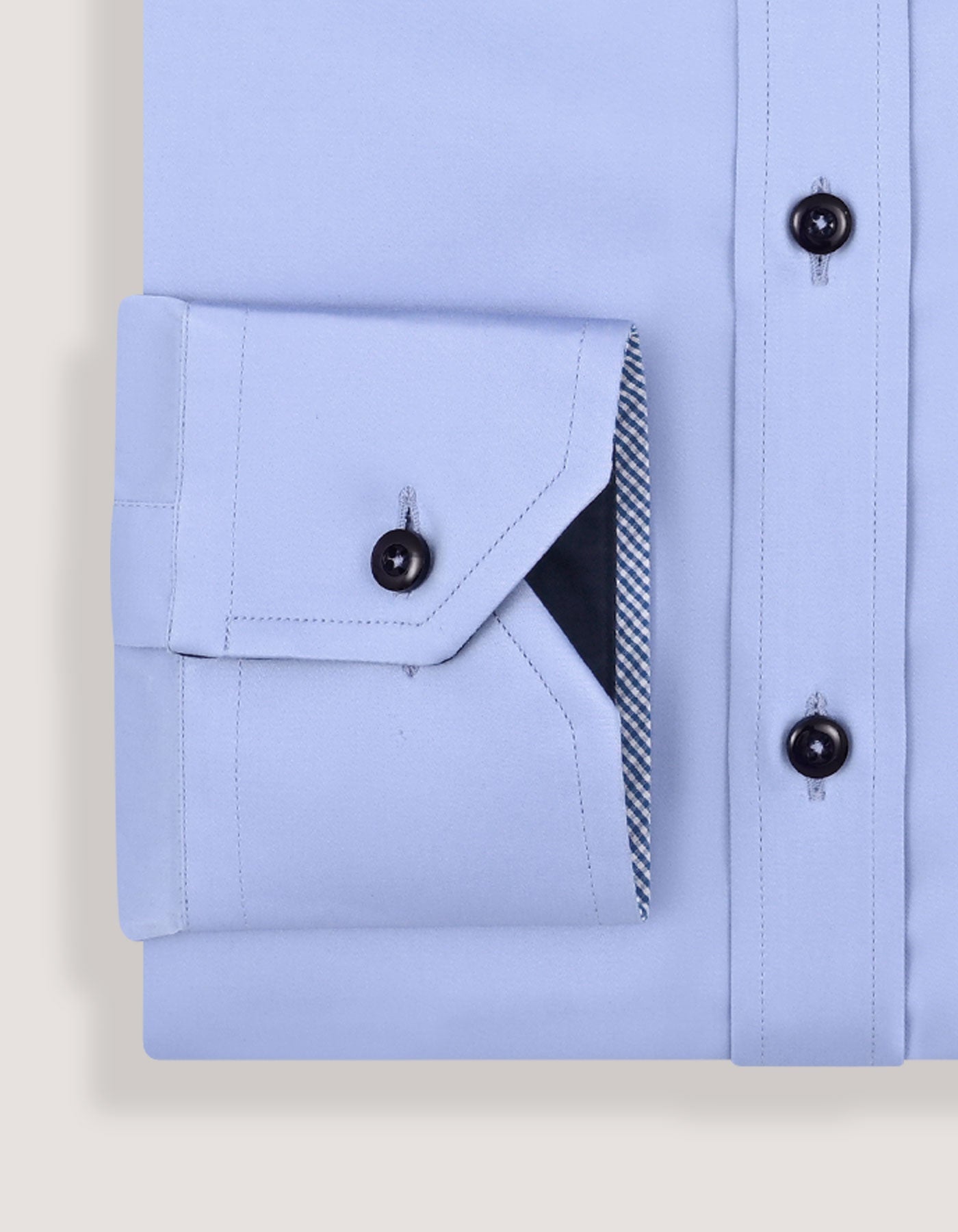
Cotton twill is woven with a diagonal rib, giving fabric a slightly textured surface and a medium weight that holds its shape through a working day. It is a common base for formal shirts because it drapes cleanly and takes contrast trims, such as paisley or floral linings, without losing its structure. Brianoak uses cotton twill across several of its formal shirts, including white and black twill designs finished with contrast trims inside the collar and cuffs.
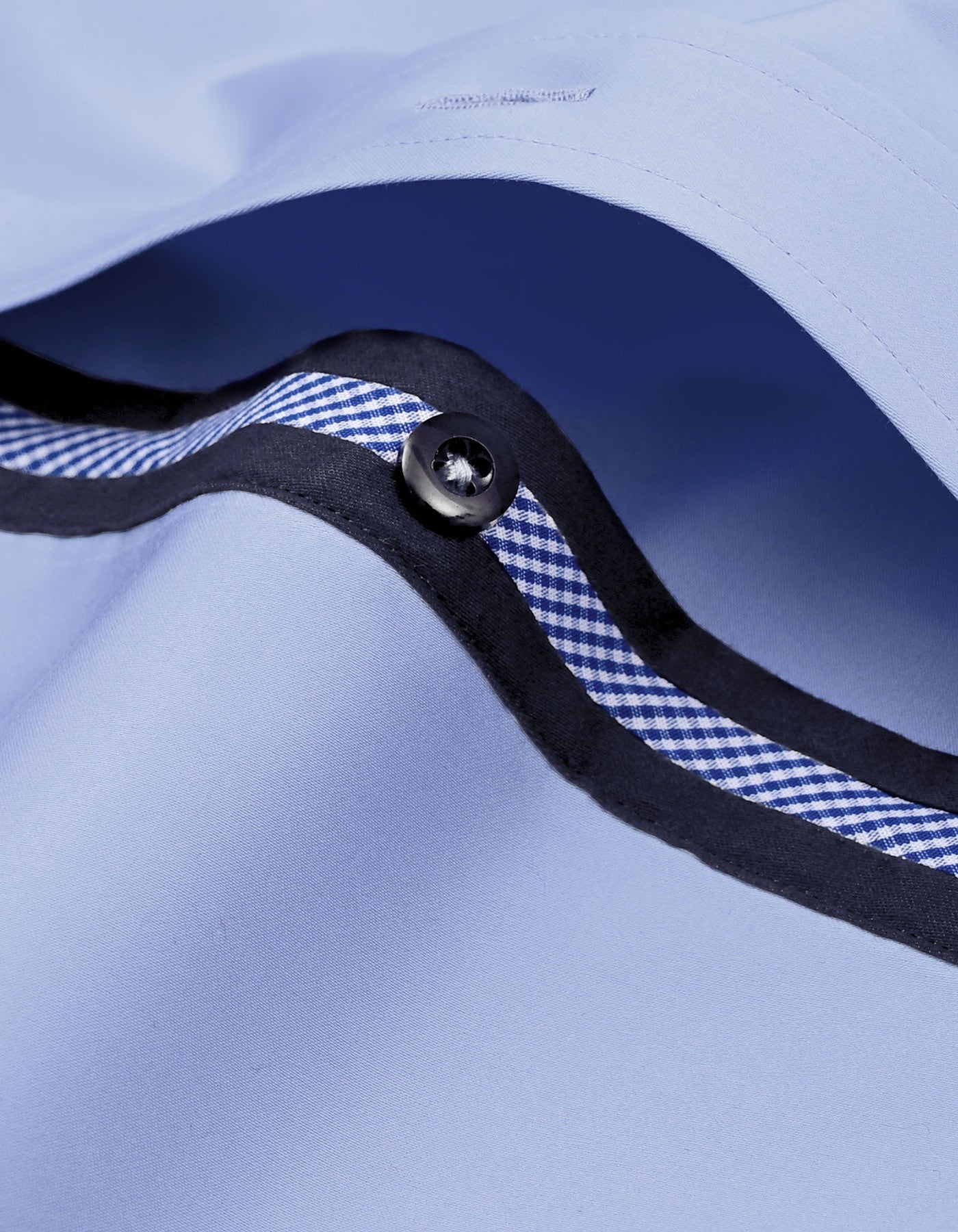
Cotton satin, by contrast, is woven so that more thread surface sits on top, producing a subtle sheen rather than a flat matte finish. Sateen weaves, a related construction, give a silky look while still being made from 100% cotton. Within Brianoak‘s range, satin and sateen options appear alongside twill, such as a red cotton satin shirt with floral trim and a sky blue cotton satin shirt with contrast trim, both offering a different visual register from the twill pieces.
Understanding Tailored Smart Fit and Collar Styles
Fit is another pillar of formal shirt construction, sitting alongside fabric and trim. Brianoak’s shirts are consistently cut in what the brand calls a Tailored Smart Fit, a silhouette that is close to the body without being restrictive. This fit appears across the plain white twill dress shirt, the pink paisley sateen shirt, and the satin pieces, giving the collection a consistent shape language.
Collar styles vary more than fit does. Some shirts carry a semi-wide collar, others an extra-wide collar, and at least one style uses an American button-down collar with a square three-button cuff. These differences change how a shirt sits under a tie or jacket, and they offer a practical way to compare construction between styles within the same brand.
Brian Oak’s Approach to Formal Shirt Construction
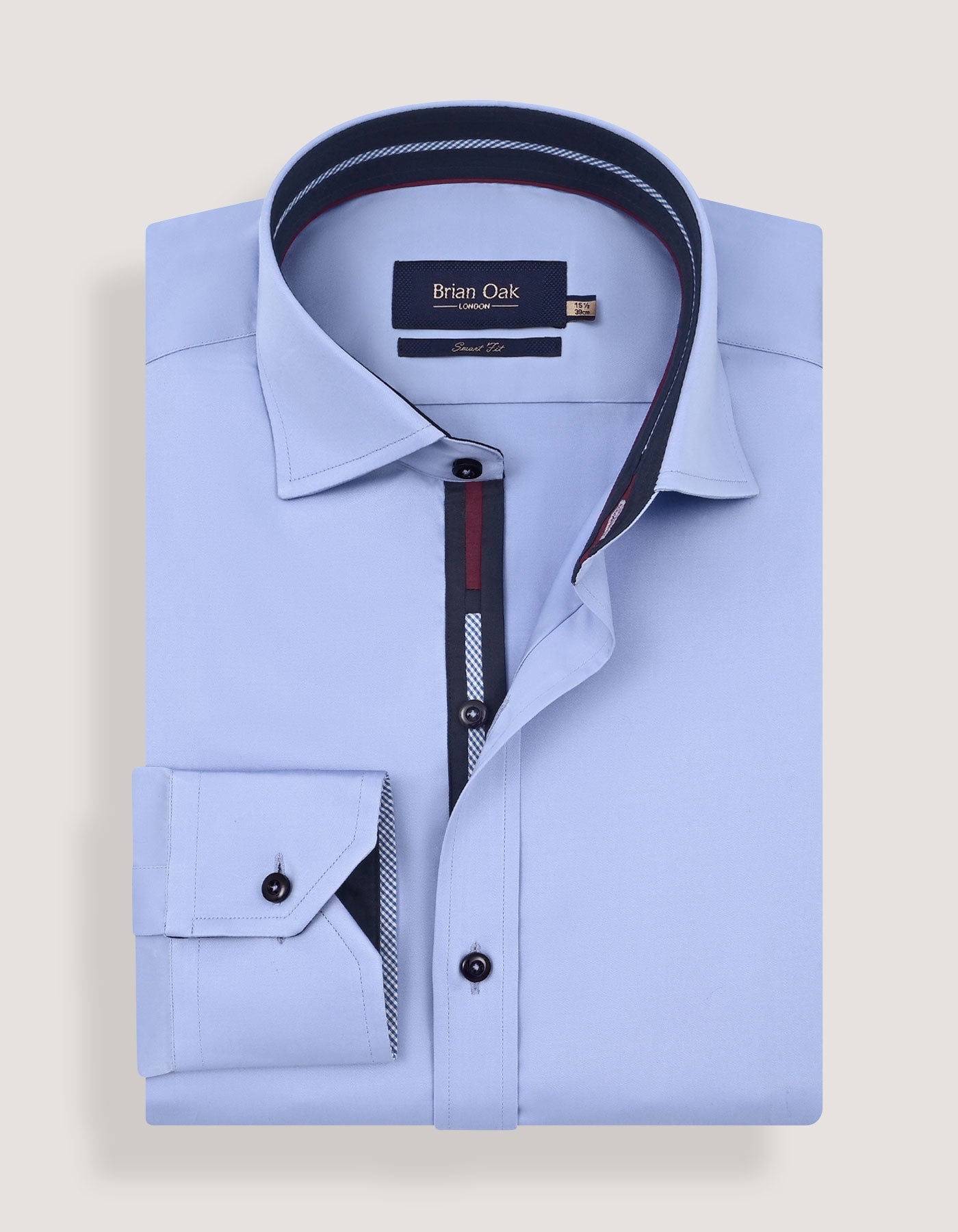
Brianoak builds its formal shirts around a small set of repeated construction choices rather than one single template. Many styles use 100% cotton or a cotton-blend twill, finished with an easy-care fabric treatment intended to reduce ironing between washes. Contrast detailing, such as Union Jack trims, gingham linings, or floral inner collars, is layered onto that base fabric rather than replacing it.
Collar sizing on Brianoak shirts runs from 14.5 up to 18.5, with some styles also offering a choice between regular and long sleeve lengths, so the same collar shape and fit stays available across a wide span of neck sizes rather than a single standard cut. The Plain White Cotton Dress Shirt alone lists nine collar sizes paired with two sleeve lengths, giving eighteen separate size and sleeve combinations within that one style. The brand’s bestselling list includes twill shirts with Union Jack contrast trim, striped twill designs, and a navy satin shirt with striped contrast trim, giving a sense of how widely the construction choices are applied across the collection.
- Formal shirts are built from 100% cotton or cotton-blend twill, sateen, or satin weaves depending on the style.
- Collar options include semi-wide, extra-wide, and American button-down shapes across different shirts.
- Cuffs vary between round single-button, square three-button, and angled button styles.
- Several shirts use an eight-button front placket rather than the more common seven-button version.
- Contrast trims, including paisley, floral, gingham, and Union Jack patterns, are worked into collars, cuffs, and plackets.
- Collar sizing spans 14.5 to 18.5, with regular and long sleeve options on some styles.
Care and Longevity of Cotton Formal Shirts
Cotton formal shirts respond well to a few consistent care habits, regardless of brand. Washing in lukewarm water with similar colours, avoiding bleach, and skipping fabric softener all help preserve both the weave and any contrast trims. Brianoak’s own care guidance for its shirts follows this pattern, recommending a mild detergent, a low tumble dry setting, and low to medium ironing depending on the fabric.
Satin and sateen weaves tend to need gentler handling than twill because of their smoother surface, which is why some care labels specify washing items inside out. Twill, being a sturdier weave, is generally more forgiving of regular washing cycles. Following the specific instructions on a garment’s label remains the most reliable way to keep any formal shirt looking close to new.
Building a Capsule Wardrobe with Formal Shirt Versatility
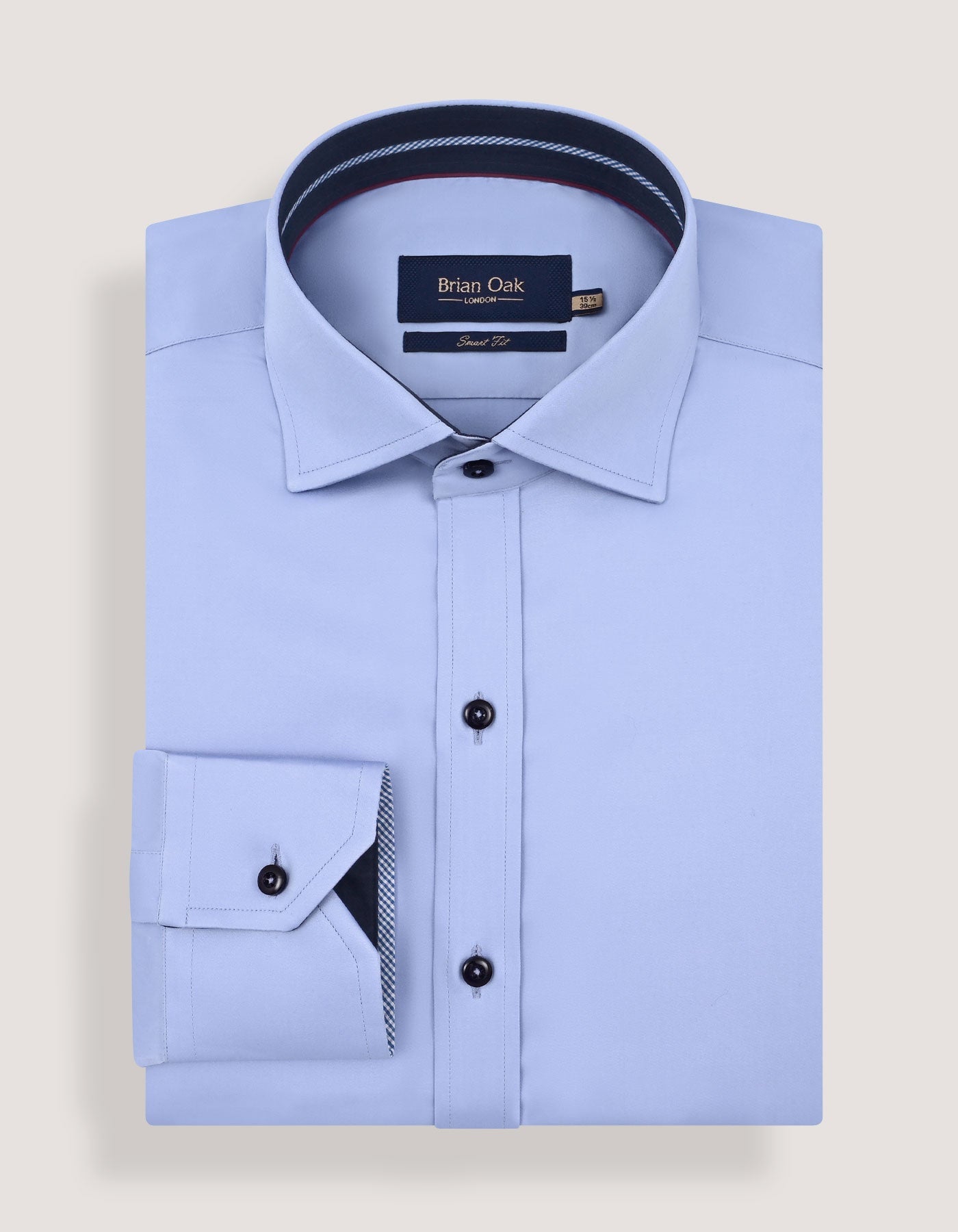
A small, well-chosen set of formal shirts can cover a surprising range of occasions, from business meetings to weddings and formal dinners. Plain white or sky blue twill shirts tend to work as a neutral base, while striped or contrast-trim designs add variation without duplicating the same look. Satin and sateen pieces, with their added sheen, suit more formal evening settings where a flatter cotton twill might read as too casual.
Brianoak‘s collection reflects this spread, moving from a plain white cotton dress shirt through striped poplin designs to satin shirts with floral or gingham trims. Because the Tailored Smart Fit and similar collar and cuff details repeat across the range, shirts from different fabric groups can be mixed into the same rotation without feeling inconsistent. That consistency in formal shirt construction often makes a small wardrobe feel coherent rather than assembled piecemeal.
In the end, weave, collar, cuff, and fit matter more than colour or print when sorting one formal shirt from another.