




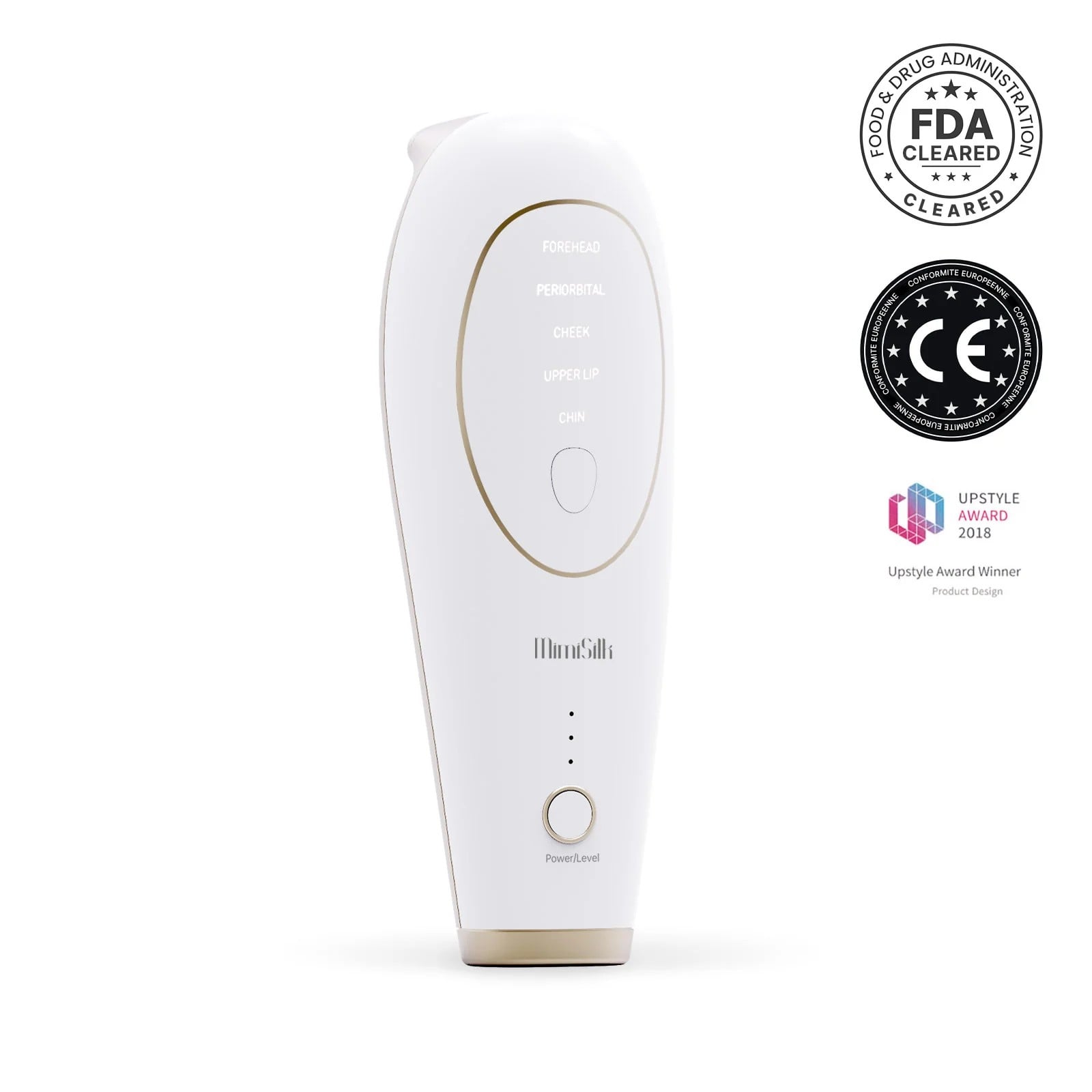
At-home beauty devices increasingly use technologies that were once discussed mainly in professional settings. Fractional laser and radio frequency are two examples, but they work differently and create different routines. A buyer should understand the basic purpose, operating method and safety guidance of each category before comparing products. MimiSilk currently offers the Iris fractional laser device and the Vera radio-frequency device, providing a useful example of how two skin-focused technologies can sit within the same home-care range.
What each technology is designed to do
Fractional laser devices deliver energy in small treatment zones rather than covering the entire surface evenly. The Iris uses a 1450 nanometer non-ablative fractional laser according to the brand’s product information. The company positions it for concerns such as the appearance of fine lines, pores and uneven texture. Those claims should be read as manufacturer information rather than as a guarantee of an individual result.
Radio frequency uses electrical energy to create controlled heating in tissue. The Vera device from MimiSilk is described as operating at 6.25 megahertz and is presented as a gel-free home radio-frequency system. The user experience is therefore different from a fractional laser even when both products are marketed around skin firmness or texture. One technology relies on focused light energy, while the other relies on radio-frequency energy and heat.
Neither category should be selected solely because it sounds more advanced. Suitability can depend on skin condition, medical history, medications and other factors covered by the manufacturer’s warnings. Anyone with uncertainty about whether a device is appropriate should obtain guidance from a qualified healthcare professional before use.
Routine and sensation can be different
Home devices only become useful when the recommended routine is realistic enough to follow. A device that requires a particular treatment schedule, preparation method or recovery step should be judged by that commitment as well as by the technology itself. MimiSilk provides separate guidance for Iris and Vera, so the manuals should be treated as primary references for frequency, settings and treatment areas.
Sensation can also vary. Laser-based devices may produce tingling or temporary redness, while radio-frequency systems can create warmth. The exact experience depends on the device and the individual. A user should not increase intensity simply to chase a stronger sensation. Settings should remain within the instructions, and any unexpected or concerning reaction should lead to stopping use and seeking appropriate advice.
The rest of the skincare routine matters because active products, sun exposure and other devices can interact with treatment schedules. A simple routine makes it easier to identify how skin responds. Adding several new products and a new device at the same time can make it difficult to understand the source of irritation.
Questions that help separate the options
A technology comparison becomes more useful when it focuses on practical use rather than marketing language.
- The main skin concern should match the intended use described in the official device information.
- The treatment schedule should fit the user’s ability to follow the routine consistently.
- Contraindications and warnings should be reviewed before the first session rather than after irritation occurs.
- The device controls should make it easy to stay within the recommended settings and treatment areas.
- Aftercare requirements should be simple enough to follow alongside the existing skincare routine.
Product information from MimiSilk can help with feature comparison, but manufacturer claims should be distinguished from independent medical advice. At-home devices are not a substitute for diagnosis or treatment of a skin condition. Persistent acne, unexplained lesions, severe irritation or other medical concerns belong with a qualified clinician.
Safety consistency and realistic expectations
Consistency matters more than aggressive use. Skipping sessions and then trying to compensate with a higher setting or longer exposure is not a sound approach. The recommended schedule should be followed exactly, with changes made only when the instructions permit them. The device should also be kept clean and stored in a way that protects the treatment surface.
Photography can help track cosmetic changes when it is done carefully. Images taken in similar lighting, at the same distance and without filters are more informative than casual snapshots. Changes should be judged over the timeframe stated in the official guidance rather than from one use. Even then, individual responses can vary widely.
A buyer comparing Iris and Vera through MimiSilk is ultimately comparing two different routines as much as two different technologies. Fractional laser and radio frequency differ in how they deliver energy, how they feel and how they are used. The stronger choice is the one whose intended purpose, safety guidance and schedule fit the individual situation.
At-home beauty technology can add structure to a skincare routine, but it should remain a controlled part of that routine. Clear instructions, conservative settings and realistic expectations provide a better foundation than chasing intensity or rapid results. Understanding the technology first makes the purchase decision more deliberate and the eventual routine easier to manage.